Butternut Squash Soup: Roasted for Perfect Flavor

- The Definitive Roasted Butternut Squash Soup Recipe
- Essential Ingredients and Picking the Perfect Butternut Squash
- Mastering the Creaminess: Flavor Science Behind the Best Squash Soup
- How to Cook Butternut Squash Soup: A Step-by-Step Method
- Troubleshooting and Expert Secrets for a Restaurant-Quality Finish
- Practical Guide: Storing, Freezing, and Reheating this Comforting Soup
- Complementary Pairings and Serving Suggestions
- Recipe FAQs
- 📝 Recipe Card
The Definitive Roasted Butternut Squash Soup Recipe
When the air gets crisp, there is nothing better than that incredible, sweet aroma of roasting squash filling your house. That smell instantly tells your brain: comfort is coming. This classic Butternut Squash Soup is pure velvet creamy, slightly sweet, and utterly luxurious, but somehow requires minimal effort.
We all need recipes that punch way above their weight class, right? This one uses simple, affordable ingredients that keep it grounded, yet the roasting technique transforms them into something truly elegant. It’s the perfect weeknight meal or a sophisticated holiday starter.
I used to just boil squash, and frankly, those soups were thin and disappointing. I learned the hard way: the secret sauce is over high heat roasting. If you want the deepest, most complex flavor profile possible, stick with me.
This is the definitive Butternut Squash Soup method you’ll keep coming back to.
The Secret to Depth: Why Roasting Changes Everything
If you’ve ever had a watery or bland squash soup, it’s probably because the squash was steamed or boiled. That dilutes the natural sugars. Roasting, however, concentrates everything wonderful about the butternut squash.
We get deep caramelization around the edges, which is where all that complex, nutty sweetness lives. That caramelization is essential for a fantastic Butternut Squash Soup .
Meet the Finishing Touches: Brown Butter and Crispy Sage
Soup is often just soup, you know? But this isn't just plain Butternut Squash Soup . We’re elevating it with two incredibly simple but powerful touches.
Browning the final dollop of butter brings out a deep, toasted hazelnut aroma, and those crispy fried sage leaves shatter beautifully when you eat them. Trust me, these garnishes are non-negotiable for a restaurant quality finish.
A Cozy Classic: When to Serve This Autumnal Dish
While this creamy Butternut Squash Soup is clearly designed for cool weather, it is surprisingly versatile. It can stand up proudly against heavier winter dishes, but because it feels so bright and pure, it works just as well alongside a light autumn salad.
Serve it hot and velvety, and watch your friends melt.
Essential Ingredients and Picking the Perfect Butternut Squash
Making truly outstanding Butternut Squash Soup starts with sourcing great ingredients, but sometimes we need easy swaps. Don’t panic if you’re missing something!
| Ingredient | Why We Use It | The Viable Substitute |
|---|---|---|
| Butternut Squash | Sweet, nutty base | Kabocha Squash or Sweet Potato (1:1) |
| Fresh Ginger | Crucial brightness/warmth | 1/4 tsp dried ginger powder |
| Chicken Stock (Low Sodium) | Savory depth | Vegetable Stock (for a vegan Butternut Squash Soup ) |
| Heavy Cream | Richness and texture | Full fat coconut milk or cashew cream |
When you’re picking your squash, look for one that feels heavy for its size. The skin should be smooth and dull, not shiny. A shiny skin often means it was picked before it fully matured, and we need all that mature sweetness for the best Butternut Squash Soup .
Mastering the Creaminess: Flavor Science Behind the Best Squash Soup
Selecting and Preparing Your Butternut Squash (Peeling vs. Roasting Whole)
This is a hot debate, but I stand firm: Peel the squash first. I know, I know, peeling raw butternut squash is a workout it’s tough! But if you roast it peeled and diced, you maximize the surface area for caramelization.
A small trick: microwave the whole squash for 3– 4 minutes first. This softens the outer skin just enough to make peeling safe and easy.
Choosing the Right Aromatics (Onion and Garlic)
We use yellow onion and a generous amount of garlic to build our foundation. Sautéing them gently until they turn translucent releases their flavor compounds slowly, guaranteeing a deeper, sweeter base for the Butternut Squash Soup liquid. Crucially, we also toss in fresh minced ginger.
That tiny bit of ginger cuts through the richness and adds a welcome, subtle heat that makes people ask, "What is that?"
Ingredient Swaps: Making This Recipe dairy-free or Vegan
I love using heavy cream for the ultimate creamy butternut squash soup, but it’s totally optional. If you need a vegan butternut squash soup, simply swap the butter for olive oil or plant based butter and use vegetable stock. Instead of heavy cream, stir in a can of full fat coconut milk at the end.
The subtle coconut flavor complements the squash beautifully.
The Maillard Reaction: Unlocking Sweetness in Squash
The Maillard reaction is just the fancy word for browning, and it’s why roasting is mandatory for our superior Butternut Squash Soup . When those squash cubes hit the high oven heat, their natural sugars caramelize, giving you that nutty, deep flavor complexity that boiled squash simply cannot deliver.
Don't skip the roasting!
Achieve Silky Smooth Texture Without Heavy Cream
The heavy cream only adds richness , not smoothness . The true secret to a silky smooth Butternut Squash Soup is a high speed blender. When you blend the hot liquid, the starch and fiber break down completely, creating that stunning, velvety mouthfeel.
If you don't have a strong blender, run the soup through a fine mesh sieve after blending.
Balancing the Notes: The Role of Acidity and Sweetness
Butternut squash is naturally sweet, especially after roasting. If you taste your final soup and it feels flat or dull, you're missing acid. A small squeeze of fresh lemon juice or even a dash of sherry vinegar right at the end is a game changer.
It brightens every other flavor, making your final Butternut Squash Soup pop.
Chef’s Note: Do not add the lemon juice until the very, very end, after you’ve added the cream. Acidity levels can change drastically, and you want to be able to taste and adjust precisely.
How to Cook Butternut Squash Soup: A step-by-step Method
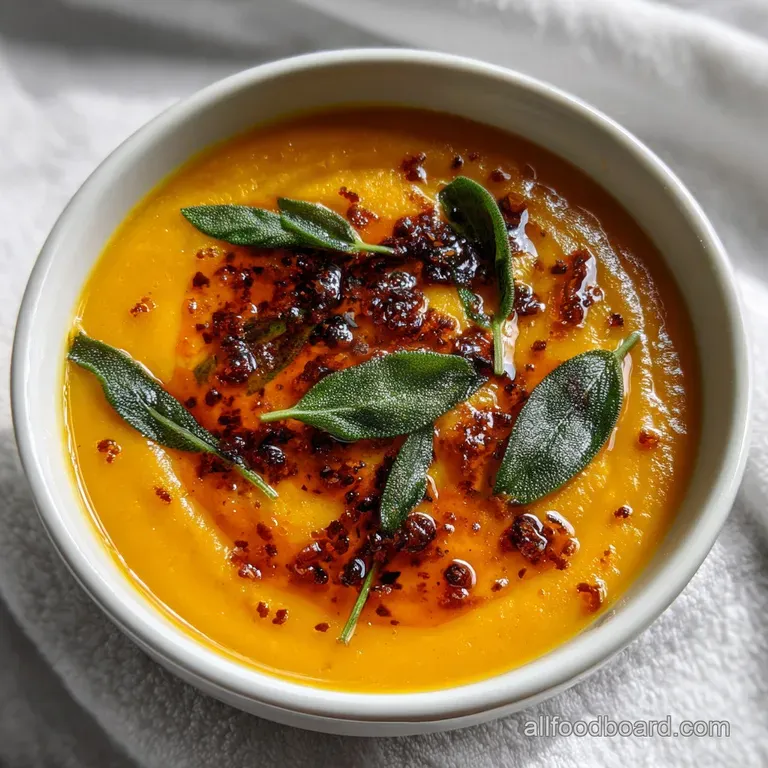
Stage 1: Roasting the Squash and Aromatics
- Prep the Roasting Pan: Preheat your oven to 400°F (200°C). Toss your 1 inch squash cubes with 2 tablespoons of olive oil, salt, and pepper on a rimmed baking sheet. Crucial Tip: Spread them in a single layer. If they touch, they will steam instead of roast.
- Roast: Roast for 25– 30 minutes until the edges are deep golden brown and the squash is easily pierced with a fork. This step guarantees the deep, nutty flavor in our Butternut Squash Soup .
Stage 2: Building the Base and Simmering
- Sauté the Base: In a heavy bottomed pot or Dutch oven, melt 2 tablespoons of butter over medium heat. Add the chopped onion and sauté for 5– 7 minutes until translucent and soft, and your kitchen smells deliciously sweet.
- Aromatics: Stir in the minced garlic and fresh ginger. Cook for just 60 seconds until fragrant. Do not burn the garlic! That would ruin the entire batch of Butternut Squash Soup .
- Simmer: Add the roasted squash, 6 cups of stock, the bay leaf, and nutmeg. Bring to a gentle boil, then reduce heat and simmer, covered, for 10 minutes. This allows the spices to marry with the squash and stock.
Stage 3: Achieving the Perfect Purée (Blending Tips)
- Remove Bay Leaf: Fish out the bay leaf and discard it immediately. You do not want to blend that.
- Blend Safely: Transfer the hot soup mixture to a standard blender. Safety Warning: Always fill the blender only halfway, remove the small center cap from the lid, and cover the hole with a folded kitchen towel. This allows steam to escape safely. Blend until perfectly velvety smooth. If you are using an immersion blender, carefully blend directly in the pot until every lump is gone.
- Finish and Season: Return the beautiful, creamy Butternut Squash Soup to the pot. Stir in the heavy cream. Taste, and then taste again. Adjust the seasoning aggressively with salt, white pepper (for a clean color), and that essential squeeze of lemon juice. Keep warm.
Stage 4: Preparing the Brown Butter and Sage Topping
- Crispy Sage: In a small pan, combine the remaining 2 tablespoons of butter and 2 tablespoons of oil over medium heat. Once sizzling, add the sage leaves. Fry for 30 60 seconds until they turn brittle and dark green. Remove the crispy sage and drain on paper towels.
- Brown Butter: Continue heating the butter mixture, swirling constantly, until the foam subsides and the milk solids at the bottom turn a deep nutty brown. It should smell like toasted hazelnuts. Remove immediately. This brown butter is the defining flavor note of this magnificent Butternut Squash Soup .
Troubleshooting and Expert Secrets for a Restaurant Quality Finish
Avoiding a Watery Soup: Proper Broth Ratios
If your Butternut Squash Soup turns out too thin, you probably added too much liquid relative to the squash mass. Remember, we are aiming for a thick, coating consistency, not a broth.
If you find yourself in a watery predicament, simply simmer the soup, uncovered, over medium low heat for 10- 15 minutes to allow some of the liquid to evaporate.
Fixing Flat Flavor: When to Adjust Salt and Acid
I made this mistake for years: tasting the soup right after blending and thinking it was fine. But a truly great creamy butternut squash soup needs acid and salt to balance the intense sweetness. If it tastes "good," add more salt. If it tastes "heavy," add a teaspoon of lemon juice.
The Right Tool for the Job: Immersion Blender vs. Standard Blender
While an immersion blender is convenient because it lets you blend right in the pot, a high speed standard blender will always give you the silkiest, most professional texture. If texture is your obsession, transfer in batches and use the standard blender.
For quick cleanup, the immersion blender is fine, but you might need to sieve the final product.
Practical Guide: Storing, Freezing, and Reheating this Comforting Soup
Safely Storing Leftover Soup in the Refrigerator
This Butternut Squash Soup is fantastic as leftovers! Simply transfer the cooled soup to an airtight container. It keeps beautifully in the refrigerator for 4 5 days. Since we used fresh ginger and robust aromatics, the flavor will actually deepen overnight.
Best Practices for Freezing Butternut Squash Soup
Yes, this freezes well! But here is the critical advice: Freeze it before adding the heavy cream. Dairy products can sometimes separate and turn grainy when thawed. Freeze the base soup in freezer safe bags or containers for up to 3 months.
When reheating, gently warm the thawed soup and then stir in the heavy cream right before serving. This ensures the luxurious texture of your creamy butternut squash soup stays perfect.
Best Sides to Serve with This Creamy Butternut Squash Dish
This soup is hearty, but it plays well with others. For a satisfying lunch, I love serving it alongside a gooey, sharp cheddar grilled cheese sandwich. If you’re looking for other light but comforting options, sometimes I serve it with a small cup of my Orzo Chicken Soup: Hearty Lemon Broth Recipe for contrast. The savory, bright flavors of the chicken soup work well against the sweetness of the Butternut Squash Soup .
Complementary Pairings and Serving Suggestions
This beautiful Autumn Butternut Squash Soup is naturally rich and sweet, so pairing it with something crunchy or sharp helps cut through the velvet texture. A simple side of warm, crusty bread is mandatory for dipping.
- For Crunch: Serve with simple toasted pumpkin seeds or croutons dusted with paprika.
- For Contrast: A quick side salad of arugula dressed with a sharp Dijon vinaigrette offers a necessary peppery bite.
- For a Hearty Meal: Follow up the starter with a smaller serving of something satisfying like my Italian Sausage Tortellini Soup: Easy One-Pot Comfort Meal .
Once you try this precise method roasting the squash, using ginger, and adding that bright finishing acid you will never go back. This easy butternut squash soup recipe is truly the only one you need.

Recipe FAQs
Do I absolutely have to roast the butternut squash?
Roasting is the key technique that elevates this recipe from ordinary to exceptional, and we highly recommend it. Roasting caramelizes the squash's natural sugars, which concentrates the flavor and adds a deep, nutty sweetness that boiling or steaming simply cannot achieve.
If time is critical, you can skip roasting, but be prepared for a flatter flavor profile.
My soup tastes bland even after adding salt. What am I missing?
Blandness often indicates a lack of acid balance or sufficient savory depth. Ensure you are using high-quality stock and season generously with salt and pepper. To "wake up" the flavor profile, add a splash of fresh lemon juice, apple cider vinegar, or a pinch of nutmeg right before serving.
Can I make this Butternut Squash Soup vegan or dairy-free?
Yes, this recipe is easily adapted. Substitute the brown butter used in the final steps with high-quality olive oil or a plant based butter alternative. For the creamy element, replace heavy cream with full fat coconut milk or a homemade cashew cream for a rich, velvety texture.
My soup is too thin or watery. How can I thicken it?
If your soup is watery, it likely needs further reduction. Simmer it gently, uncovered, for 10 to 15 minutes to allow excess liquid to evaporate, concentrating the flavor. Alternatively, you can rapidly thicken it by stirring in a few tablespoons of potato flakes or mixing a slurry of cornstarch and cold water and simmering until thickened.
What are good alternative garnishes if I don't like crispy sage?
Many herbs pair beautifully with squash, including fresh thyme, rosemary, or a sprinkle of chives. For added texture, consider toasted pumpkin seeds, pecans, or croutons, and for a savory spicy kick, a drizzle of chili oil or a dusting of smoked paprika works wonders.
How should I store this soup, and does it freeze well?
Store cooled soup in an airtight container in the refrigerator for up to 4 days. Butternut squash soup freezes exceptionally well; transfer it to freezer safe bags or containers (leaving headspace) and store for up to 3 months.
When reheating from frozen, you may need to add a splash of stock or water to restore its creamy consistency.
What is the safest way to peel and cut a tough butternut squash?
Use a very sharp, heavy chef’s knife and ensure you trim both ends so the squash sits flat and stable on your cutting board. For easier peeling, you can prick the skin several times and microwave the whole squash for about 3 minutes to slightly soften the exterior.
If you are roasting in large pieces, peeling is often unnecessary as the flesh scoops out easily after baking.
Roasted Butternut Squash Soup Recipe
Ingredients:
Instructions:
Nutrition Facts:
| Calories | 233 kcal |
|---|---|
| Protein | 2.3 g |
| Fat | 12.7 g |
| Carbs | 16.5 g |
