The Sunday Roast Shortcut Herbed Pork Tenderloin with Dijon Glaze
- The Magic of High-Heat Roasting: Why This Technique Works
- Gathering Your Arsenal: Essential Ingredients and Equipment
- The Execution Plan: Step-by-Step Guide to Perfect Roasted Pork Tenderloin
- Troubleshooting and Mastering Your Roasted Pork Tenderloin
- Serving Suggestions and Future Prep
- Recipe FAQs
- 📝 Recipe Card
The Magic of High Heat Roasting: Why This Technique Works
When tackling lean cuts like the pork tenderloin, moisture retention is paramount. Unlike fattier cuts that benefit from long, slow cooking, the tenderloin requires a fast and furious approach.
Our method combines an aggressive sear on the stovetop with a quick blast in a very hot oven specifically 400°F (200°C) to ensure the exterior develops incredible flavor and color while the interior remains incredibly moist.
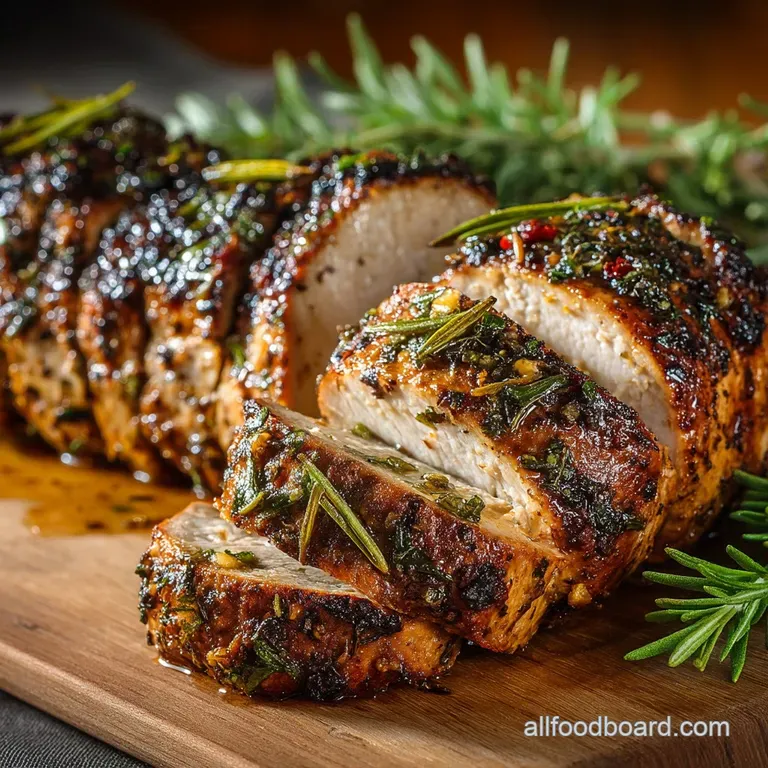
This two-stage process is key to achieving a truly spectacular Roasted Pork Tenderloin . By minimizing the time the meat spends exposed to high heat overall, we protect it from drying out, resulting in a perfectly cooked and Juicy Pork Tenderloin every time.
Tenderloin vs. Loin: Choosing the Right Cut for Roasting
It is crucial to understand that the pork tenderloin is not the same as the pork loin. The loin (or pork loin roast) is a much thicker, larger cut taken from the back, often requiring hours of cooking time. The tenderloin, conversely, is a long, narrow muscle running along the backbone.
It is exceptionally lean and tender, making it the ideal choice for quick Pork Dinner recipes. Its shape facilitates rapid, even cooking, which is why we can execute this magnificent meal in just over an hour total, including prep and rest.
Always select the tenderloin for this specific high heat, sear and-roast technique.
The Maillard Reaction: Securing That Perfect Mahogany Crust
The secret to maximizing flavor in any Roasted Pork Tenderloin Recipes is achieving a deep, browned crust, which is the physical manifestation of the Maillard reaction.
This chemical process occurs when amino acids and reducing sugars react under high heat, creating hundreds of distinct flavor compounds. By starting the process in a screaming hot skillet with high smoke-point olive oil, we initiate this browning rapidly during the initial 4- to 5-minute sear.
This critical step locks in flavor and provides textural contrast the crisp, savory exterior perfectly complementing the succulent interior. Without this aggressive sear, the finished roast will lack depth and visual appeal.
The Critical Importance of the Champion Rest Period
Once the pork reaches its target internal temperature of 140°F to 142°F (60°C to 61°C), the instinct might be to slice into it immediately. Resist this urge! The mandatory 10-minute "champion rest period" is non-negotiable. During cooking, the high heat forces the meat's moisture to the center.
If you cut the meat right away, those precious internal juices will flood your cutting board. Resting, even when loosely tented with foil, allows the muscle fibers to relax and redistribute the moisture evenly throughout the roast.
This essential step ensures that the final result is a consistently Juicy Pork Tenderloin that cuts beautifully and tastes magnificent. On top of that,, this rest is where the necessary "carryover cooking" occurs, bringing the meat to the safe final temperature of 145°F (63°C).
Gathering Your Arsenal: Essential Ingredients and Equipment
Creating a delicious Roasted Pork Tenderloin doesn't require a complex ingredient list, but it does require quality components used strategically. Our approach uses a simple, vibrant rub and a tangy glaze to lift the flavor profile without masking the quality of the meat itself.
Crafting the Dijon Herb Rub: Building Flavor Anchors
The flavor profile for this specific recipe centers on a bright, herbaceous rub applied liberally to the meat before cooking. We combine 1 tablespoon of olive oil with finely chopped fresh rosemary and thyme (1 teaspoon each), minced garlic (2 cloves), and generous amounts of kosher salt and freshly ground black pepper.
These herbs create a robust, savory anchor for the pork. The final touch is the simple, yet transformative, glaze: 1 tablespoon of Dijon mustard whisked with 1 teaspoon of runny honey or maple syrup and 1/2 teaspoon of apple cider vinegar.
Applying this glaze just before transferring the meat into the oven allows the sugars to lightly caramelize while the acid brightens the richness of the pork.
Shopping Tips: Selecting the Best Quality Pork
When selecting your tenderloin (approximately 1 to 1.25 lb, or 450 570 g), look for meat that is pale pink and firm to the touch. The most critical preparation step happens immediately after purchasing: trimming the silver skin.
This thin, tough membrane runs along the length of the tenderloin and will not break down during cooking, resulting in chewy bites. Use a sharp knife to slide just under the skin and pull it away. This simple step ensures the tenderloin will shrink evenly and be perfectly fork tender.
Must Have Kitchen Gear: Skillet Selection and Thermometers
For this recipe to succeed, you must use a reliable heat source and accurate measuring tools. The most crucial piece of equipment is a heavy bottomed, oven safe skillet cast iron or thick stainless steel, at least 10 inches (25 cm) in diameter, is ideal.
This density ensures even heat distribution during the stovetop sear and retains heat efficiently in the oven. Next,, an instant read meat thermometer is absolutely essential. Guessing the internal temperature of a lean cut like pork tenderloin is a recipe for disaster.
Using the thermometer allows you to pull the roast at exactly 140°F (60°C), guaranteeing a perfect internal result.
Related Recipes Worth Trying
- Vibrant Roasted Tomato and Basil Hummus Recipe Homemade Dip — Elevate your nibbles platter with this Roasted Tomato and Basil Hummus Its sundrenched creamy and utterly foolproof Get the secret technique for silky...
- Creamy Roasted Garlic SunDried Tomato Hummus Recipe — Ditch the bland tub This easy sundried tomato hummus recipe uses roasted garlic for a velvety texture and rich flavour Perfect for dipping or on a sandwich
- Cheesy Dream Bake Ultimate Creamy Roasted Brussels Sprouts Gratin — Tired of bland sprouts This Creamy Baked Brussels Sprouts recipe transforms them into a rich cheesy gratin thats perfect for festive side dishes Easy to master
The Execution Plan: step-by-step Guide to Perfect Roasted Pork Tenderloin
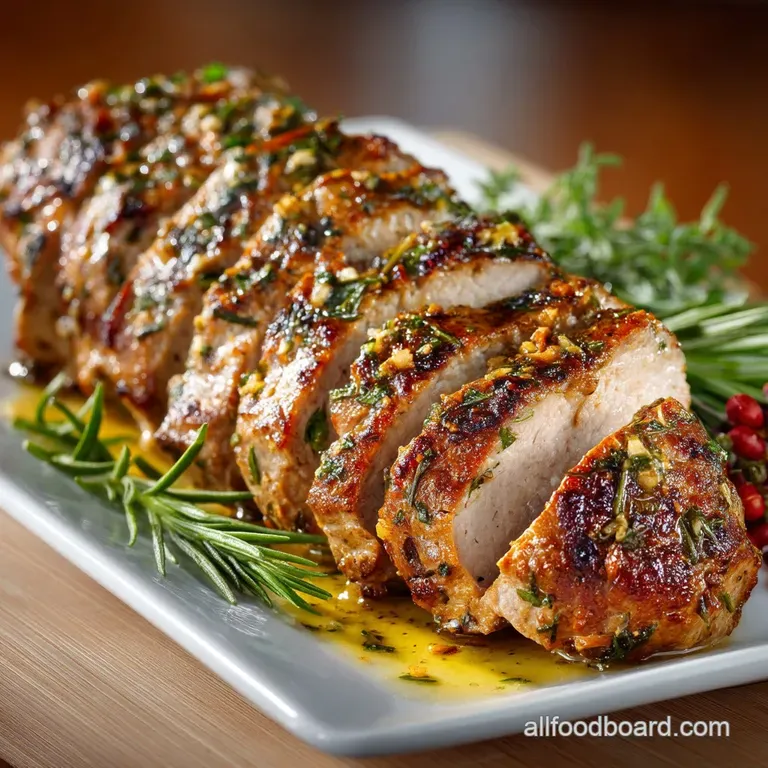
Mastering this Pork Tenderloin Recipes technique requires adherence to both timing and temperature. The entire cooking process, from searing to finishing the roasted pork tenderloin in oven , takes only 20 to 25 minutes.
Prep and Pat: Preparing the Meat for Maximum Adhesion
After trimming the silver skin, thoroughly pat the entire tenderloin dry with paper towels. Any surface moisture will prevent the herbs from adhering and inhibit that sought after Maillard reaction crust. Once dry, rub the prepared Dijon herb mixture all over the pork.
Allow the seasoned meat to rest at room temperature for a minimum of 30 minutes. This rest is vital; starting the cooking process with meat straight from the refrigerator leads to uneven results, often leaving the center raw while the exterior overcooks.
While the pork rests, pre-heat the oven to the required 400°F (200°C).
The Aggressive Sear: Locking in Juices and Color
Place your heavy bottomed skillet over high heat on the stovetop and allow it to become screaming hot. Add the remaining 1 tablespoon of olive oil. Once the oil shimmers, carefully place the tenderloin in the pan.
Sear aggressively for a total of 4 to 5 minutes, using tongs to turn the pork every minute so that a deep, dark brown crust develops evenly on all sides. This is where the initial flavor foundation for your Roasted Pork Tenderloin is built.
The Quick Roast: Hitting the Ideal Internal Temperature
Once seared, remove the skillet from the heat source. Brush the prepared Dijon honey glaze evenly over the crusted pork. Immediately transfer the skillet directly to the pre-heated 400°F (200°C) oven.
The roasting time will be quick, typically 16 to 20 minutes, depending on the thickness of the tenderloin. Crucially, insert your instant read thermometer into the thickest part of the meat and pull the entire skillet out of the oven the moment the internal temperature registers between 140°F and 142°F (60°C to 61°C).
Carving and Glazing: Final Presentation
As soon as the pork hits the target temperature, transfer it immediately from the hot skillet to a clean cutting board. Tent the meat loosely with foil to begin the crucial 10-minute rest period. Do not slice early! Once rested, use a sharp knife to slice the tenderloin against the grain into 1/2 inch thick medallions.
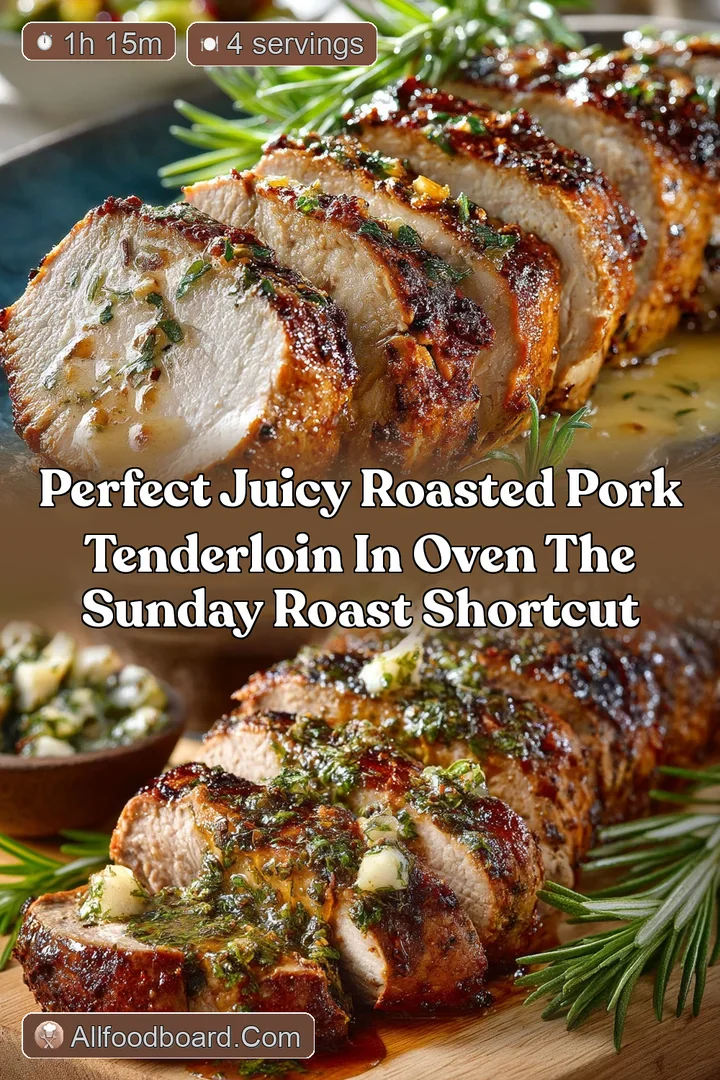
A final pinch of salt can enhance the freshly sliced surfaces, and the glistening glaze now beautifully caramelized will ensure an impressive presentation.
Troubleshooting and Mastering Your Roasted Pork Tenderloin
The primary challenge in preparing tenderloin is preventing it from drying out. If your pork turned out dry, it almost certainly means you cooked it for too long or rested it improperly. Remember the rule: the ideal internal reading to pull the meat is 140°F (60°C).
Do not wait for 145°F (63°C) while the pork is still in the oven, as it will drastically overcook during the rest period. If you find your sear is patchy, ensure your skillet is pre-heated completely before adding the oil and the meat.
High heat is essential for rapid browning, especially when utilizing this recipe for Roasted Pork Pork Tenderloin . Achieving a successful result is less about time and purely about measuring the roasted pork tenderloin temperature .
Serving Suggestions and Future Prep
This elegant dish serves four people beautifully and pairs well with a variety of textures and complementary flavors.
Food Safety: What is the Safe Internal Temperature?
The USDA states the safe minimum internal temperature for all whole cuts of pork is 145°F (63°C). As detailed, we remove the pork from the heat source at 140°F (60°C) precisely because of carryover cooking.
During the 10-minute rest, the residual heat will safely raise the core temperature up to the required 145°F (63°C), guaranteeing food safety while preserving the maximum amount of juiciness. Knowing the precise roasted pork tenderloin temperature is your secret weapon.
Side Dishes That Complement the Dijon Glaze
The tangy sweet Dijon glaze is a versatile pairing partner. For a hearty meal, consider serving the roasted pork tenderloin with potatoes and carrots tossed in olive oil and herbs, perhaps roasted alongside the meat during the final minutes if space allows.
Alternatively, a pairing of light couscous and sautéed green beans is always popular. For a luxurious flavor profile, serving the tenderloin slices alongside a rich, creamy roasted pork tenderloin with mushroom sauce provides earthy depth that contrasts beautifully with the slight sharpness of the Dijon.
This versatility makes it an excellent choice for any formal or casual gathering involving Pork Tenderloin Recipes .
Extending Shelf Life: Storing Leftovers Safely
Properly stored leftovers of this Roasted Pork Tenderloin can last for 3 to 4 days in an airtight container in the refrigerator. Slicing the pork immediately before storing can sometimes lead to faster drying, so if possible, store the remainder as a chunk and slice it just before reheating.
Reheat gently either in a microwave in short bursts or covered in a low oven (300°F/150°C) with a splash of broth to prevent further drying.
Variation Ideas: Swapping Out the Glaze Base
If you are looking to expand your repertoire of Pork Tenderloin Recipes , the rub and glaze are easily modified. For a rich, autumnal twist, replace the Dijon and honey with a blend of balsamic reduction and fig jam, creating a delicious Balsamic Fig Glaze.
Alternatively, skip the glaze entirely and swap the rosemary and thyme for a spicy, smoky dry rub utilizing paprika, cumin, and a pinch of cayenne for a Mexican inspired dish. Regardless of the flavor profile, the core high heat sear and-roast method remains consistent.
Accurate Nutritional Breakdown Per Serving
Based on a 4-ounce (113g) serving of the finished roast, the nutritional estimates for this Herbed Pork Tenderloin are approximately 235 calories. This serving provides an impressive 30 grams of protein, roughly 11 grams of total fat, and 5 grams of carbohydrates (primarily derived from the small amount of honey in the glaze).
This makes the finished dish an excellent lean protein option for any balanced Pork Dinner .
Recipe FAQs
How do I guarantee my Roasted Pork Tenderloin isn't dry as a bone, and what temperature is safe?
The secret weapon here is a reliable instant read thermometer it’s absolutely non-negotiable! While the official safe standard is 145°F (63°C), we pull the pork out when it hits 140°F (60°C).
The crucial 10-minute rest allows the temperature to safely climb to 145°F, while simultaneously redistributing those essential juices, ensuring your pork is beautifully succulent and not tough as old boots.
Why do I have to sear the pork first before putting it in the oven? Isn't that double the faff?
Ah, the sear is where the magic happens it’s all about the glorious Maillard reaction! Searing over high heat quickly creates a deep, savoury, mahogany crust right at the beginning.
This fast track method allows the tenderloin to spend less time in the oven, meaning the interior stays juicy while the exterior achieves a flavourful crispness that plain roasting just can’t touch.
What exactly is "silver skin," and is it really worth the effort to trim it off?
Silver skin is that tough, shiny, silvery membrane found on one side of the tenderloin. If you leave it on, it contracts aggressively in the heat, causing the pork to curl and creating an incredibly chewy, rather unpleasant bite.
Trimming it off takes two minutes with a sharp knife and prevents culinary treason, guaranteeing your pork slices perfectly.
I’ve got leftovers from the Sunday roast shortcut how long will this pork keep in the fridge?
Excellent news, the leftovers are smashing! Store the sliced, cooled roasted pork tenderloin in an airtight container for up to 3 4 days in the refrigerator. If you need it to last longer, you can wrap it tightly and freeze it for up to three months.
To reheat, slice it thinly and warm it gently in a pan with a splash of gravy or stock to stop it from drying out.
Can I use different herbs for the rub, or should I stick strictly to rosemary and thyme?
Absolutely, feel free to give it a twist! Rosemary and thyme are a classic pairing for pork, but this recipe is very flexible. For a richer flavour, try swapping them for a blend of smoked paprika and dried sage.
Alternatively, for a zesty, lighter take, use lemon zest, oregano, and fennel seed it works a treat with the Dijon glaze.
Quick Roasted Pork Tenderloin Recipe
Ingredients:
Instructions:
Nutrition Facts:
| Calories | 967 kcal |
|---|---|
| Protein | 11.8 g |
| Fat | 32.0 g |
| Carbs | 66.1 g |
| Fiber | 22.1 g |
| Sodium | 600 mg |
