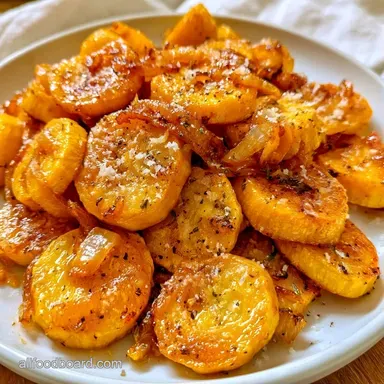
Parmesan Yellow Squash and Onions: Pan-Seared
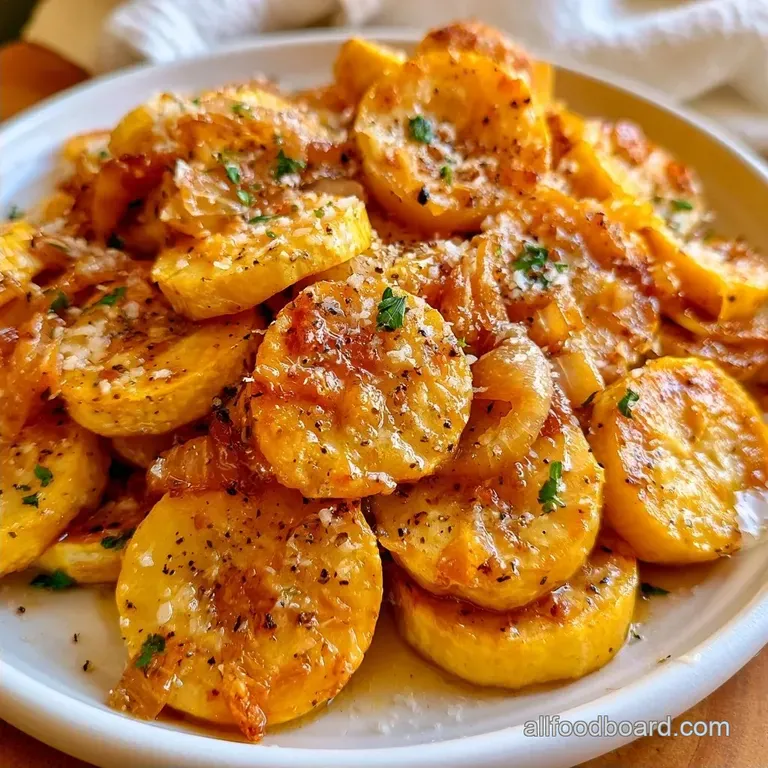
- Time: 15 min active + 12 min cook
- Flavor/Texture Hook: Salty, golden brown crust with tender centers
- Perfect for: Quick weeknight sides
Parmesan Yellow Squash
That sound of butter foaming in a hot cast iron skillet is exactly where this dish starts. For years, I thought yellow squash was just a soggy, pale side dish that you'd find at a potluck. I used to steam it until it was practically a puree, which, honestly, is a crime against vegetables.
Forget the idea that you need to salt your squash for an hour and squeeze it dry to avoid a puddle on your plate. You don't need all that extra work. The real trick is just using enough heat to evaporate the water the second it hits the pan.
This Parmesan Yellow Squash stays firm, gets those beautiful brown edges, and tastes like something from a bistro. It's a simple way to use up garden produce without making a mess.
The Truth About Sautéing
- High Heat: Using a skillet on high stops the squash from steaming in its own juices, which prevents that mushy texture.
- Cheese Timing: Adding the cheese after the heat is off keeps the Parmesan from burning or turning into a greasy oil slick.
Serious Eats' testing on vegetable browning shows that overcrowding a pan drops the temperature too fast, which is why a wide skillet is non negotiable here. When the Squash Onions Parmesan mixture has room to breathe, you get a better sear.
What You'll Need
| Ingredient | What It Does | Best Swap |
|---|---|---|
| Yellow Squash | Provides the bulk and mild flavor | Zucchini (similar water content) |
| Yellow Onion | Adds a sweet, caramelized base | Shallots (more delicate) |
| Parmesan | Creates a salty, nutty crust | Pecorino Romano (saltier) |
| Unsalted Butter | Helps with browning and richness | Ghee (higher smoke point) |
For the best results, get a block of Parmesan and grate it yourself. The pre shredded stuff is coated in potato starch to prevent clumping, and it just doesn't melt into the vegetables as well.
- 1.5 lbs yellow squash, sliced into 1/4 inch rounds Why this? Consistent thickness means even cooking.
- 1 medium yellow onion, thinly sliced
- 3 cloves garlic, minced
- 2 tbsp unsalted butter
- 1 tbsp extra virgin olive oil
- 1/2 cup freshly grated Parmesan cheese
- 1/2 tsp kosher salt
- 1/4 tsp freshly ground black pepper
- 1/4 tsp red pepper flakes
The Right Gear
While any large pan will work, I prefer a 12 inch cast iron skillet. It retains heat much better than non-stick or stainless steel, which is key to getting those deep, mahogany edges on the squash.
A heavy bottomed stainless steel pan is another great option. Just monitor the butter closely so it doesn't burn before you add the vegetables.
Step by step Guide
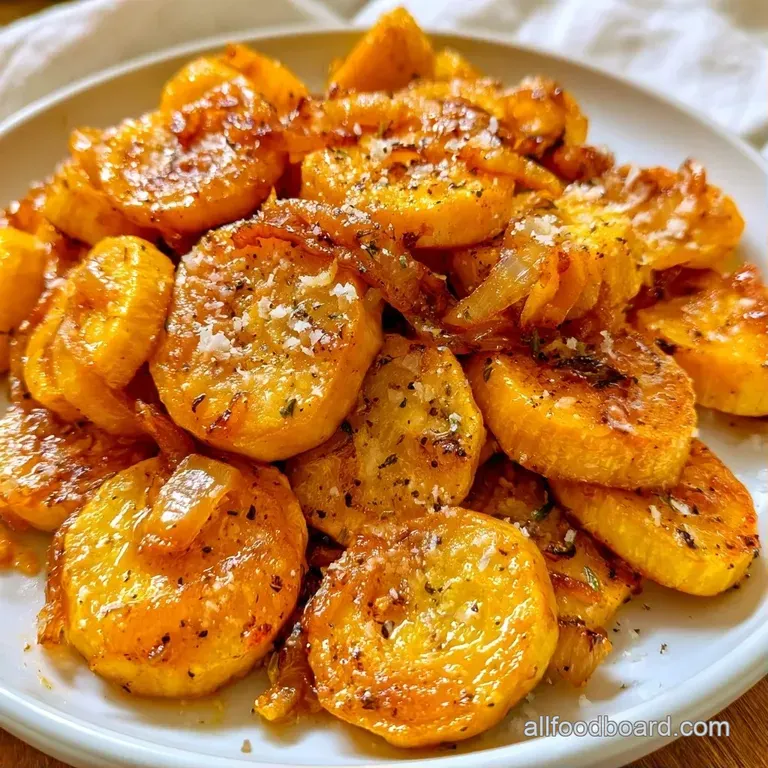
- Place a 12 inch cast iron skillet over medium high heat. Add the olive oil and butter.
- Add the sliced onions once the butter foams and smells nutty.
- Sauté onions for 4-5 minutes, stirring occasionally, until they are translucent and starting to turn golden.
- Increase heat to high and add the yellow squash rounds in a single layer.
- Let the squash sit undisturbed for 2-3 minutes until a mahogany colored crust forms.
- Flip the squash and cook for another 2-3 minutes.
- Stir in the minced garlic and red pepper flakes, cooking for 45-60 seconds until fragrant.
- Turn off the heat. Sprinkle the freshly grated Parmesan cheese evenly over the Parmesan Yellow Squash.
- Toss gently for 30 seconds until the cheese melts and clings to the vegetables.
- Serve immediately.
Solving Common Problems
If your squash comes out more like a soup than a sauté, you've likely run into the moisture trap. It's a common issue when the pan is too small or the heat is too low.
Another thing I've noticed is the garlic timing. If you throw the garlic in with the onions, it'll be burnt and bitter by the time the squash is done. Always add it at the very end.
Watery Squash
This happens when the pan is overcrowded. The vegetables release moisture, but it can't evaporate, so they boil instead of sear.
Bitter Garlic
Garlic burns in under a minute at high heat. Adding it in the final 60 seconds ensures it stays sweet and aromatic.
Clumpy Cheese
This usually happens if you use pre shredded cheese or add it while the pan is screaming hot. Turning off the heat first lets it melt smoothly.
| Problem | Fix |
|---|---|
| Mushy texture | Increase heat and use a wider pan |
| Burnt cheese | Remove pan from heat before adding Parmesan |
| Pale vegetables | Don't stir too often; let them sear |
Try These Simple Swaps
Feel free to adapt these ingredients based on what you have on hand. For those cleaning out their gardens, a combination of zucchini, onions, yellow squash, and Parmesan is a wonderful choice.
To add a bright, zesty note, stir in a teaspoon of lemon zest along with the garlic. This helps balance the heavy flavors of the cheese and butter. For a dairy-free alternative, nutritional yeast works as a substitute for Parmesan, although it lacks that signature nutty complexity.
If you'd rather use the oven, place all ingredients (excluding the cheese) in a roasting pan and roast at 400°F (200°C) for roughly 20 minutes. Add the cheese during the final 2 minutes.
This oven baked approach is ideal when cooking for a larger group.
This dish makes a cozy side that pairs perfectly with my homemade lasagna.
Choosing Your Cheese
| Cheese Type | Result | Best For |
|---|---|---|
| Fresh Parmesan | Nutty and melts well | Traditional taste |
| Pecorino | Sharp and salty | Bolder flavor |
| Asiago | Rich and creamy | A more indulgent side |
Customizing the Goal
- For more char: Use a cast iron skillet.
- For a tangier bite: Swap Parmesan for Pecorino.
- For extra heat: Double the red pepper flakes.
Keeping Leftovers Fresh
Place any leftover Parmesan Yellow Squash in a glass container in the refrigerator, where it will remain fresh for about 3 days.
When reheating, try to avoid the microwave, as it can make the squash watery and rubbery. Instead, warm the leftovers in a hot skillet for 2-3 minutes to restore that crispness.
Don't discard the squash ends or onion skins. Store them in a freezer bag with your other vegetable scraps to create a homemade stock later.
Serving Your Side
For the best experience, serve this immediately while the cheese is still melted and gooey. Since the squash is so light, it provides a perfect balance to richer main courses.
I recommend pairing this with ground beef stuffed shells or a piece of grilled salmon. The salty notes of the cheese make it an ideal match for proteins seasoned simply with salt and pepper.
You now have a side dish that truly captures the essence of summer. It's affordable, easy to prepare, and far from the mushy squash of the past. Trust me, once you trade steaming for searing, you'll never go back.
Recipe FAQs
Can I make this recipe dairy-free?
Substitute the butter and cheese with your preferred plant based alternatives. This allows you to enjoy the savory flavor without using dairy products.
How to prepare yellow squash for this recipe?
Slice the squash into 1/4 inch rounds. This ensures they cook evenly and develop a nice crust in the skillet.
What is the best way to cook summer squash?
Searing in a cast iron skillet over high heat is ideal. This creates a mahogany colored crust while keeping the inside tender.
Is it true that yellow squash must be peeled before cooking?
Not true. The skin is thin and tender, so leaving it on preserves the nutrients and helps the rounds hold their shape.
Which sides go best with this parmesan squash?
This vegetable dish pairs perfectly with a hearty beef pasta. The acidity of a tomato sauce balances the richness of the butter and cheese.
Parmesan Yellow Squash in 27 Minutes