Moist Applesauce Bread Recipe
- Time: Active 10 minutes, Passive 55 minutes, Total 1 hour 5 minutes
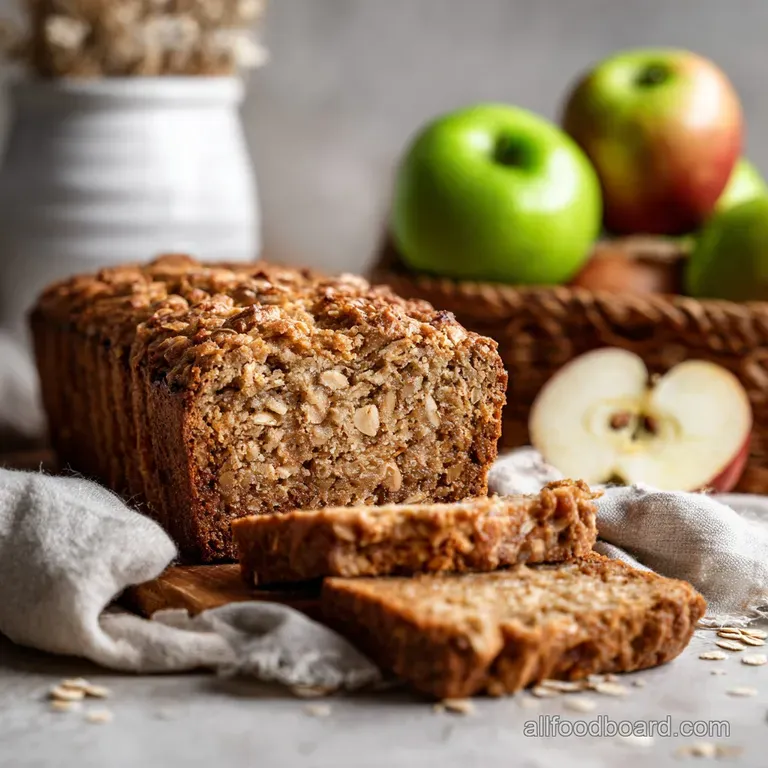
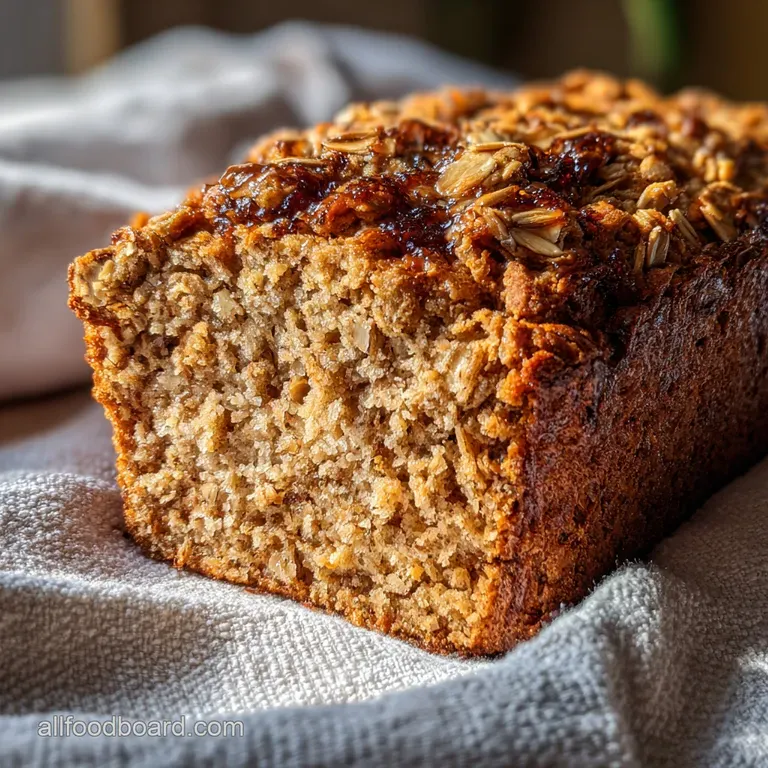
- Flavor/Texture Hook: Tender, spice warmed crumb with a craggy, golden top
- Perfect for: Busy weekday mornings, school lunchboxes, or a simple rainy day bake
- Science Behind a Tender Loaf
- Component Analysis for Better Baking
- Selecting the Best Pantry Staples
- Minimal Tools for Maximum Ease
- Simple Steps for Success
- Fixing Sogginess and Dense Crumb
- Adjusting for Different Batch Sizes
- Debunking Common Baking Tales
- Customizing Flavors and Textures
- Keeping Your Loaf Fresh Longer
- Serving Ideas and Tasty Toppings
- Recipe FAQs
- 📝 Recipe Card
You know that specific smell when a kitchen starts to feel like a home? It’s usually cinnamon, nutmeg, and something sweet hitting a hot oven. I’ve spent years trying to get my kids to eat more fruit and less processed snacks, and this Moist Applesauce Bread became the "holy grail" in our house.
It’s the kind of recipe you can pull together while the coffee is still brewing, using whatever is hiding in the back of your pantry.
I used to think that applesauce was just a sad substitute for oil in "healthy" baking, but I was so wrong. It’s actually a texture powerhouse. This loaf isn't just a low-fat version of something else, it’s a standalone star that is actually more flavorful than most banana breads I've tried.
If you’ve ever had a loaf come out gummy or bland, stick with me, because those little mistakes are exactly how I learned the tricks I'm sharing today.
There is a real trick to getting that shatter crisp edge while keeping the inside velvety. We’re going to talk about why the oats matter and why you should never over mix the batter. This is everyday life baking, no fancy equipment needed, just a bowl and a sturdy spoon.
Let's get into what makes this particular Moist Applesauce Bread the one you'll keep on your fridge for years.
Science Behind a Tender Loaf
Pectin Binding: The natural pectin found in the 1 cup unsweetened applesauce acts as a structural stabilizer, mimicking some of the properties of gluten without the toughness. This creates a soft, cohesive crumb that doesn't crumble the second a knife touches it.
Hygroscopic Sugars: Using 0.75 cup coconut sugar or brown sugar helps the bread retain water molecules long after it leaves the oven. These sugars literally grab moisture from the air, which is the secret to why this Moist Applesauce Bread stays fresh for days.
Leavening Neutralization: The 1 tsp baking soda reacts immediately with the malic acid in the applesauce to produce carbon dioxide bubbles. This reaction happens fast, so getting it into the oven quickly ensures the loaf rises high instead of staying flat and heavy.
Lipid Emulsification: The 2 large eggs and 0.25 cup melted coconut oil work together to coat the flour proteins. This process, known as shortening the gluten strands, is what gives the bread its signature tender, melt in-your mouth feel.
Component Analysis for Better Baking
| Ingredient | Science Role | Pro Secret |
|---|---|---|
| All Purpose Flour | Provides the primary protein structure (gluten) to hold the loaf together. | Use a brand like King Arthur for consistent protein levels. |
| Unsweetened Applesauce | Provides moisture and fruit sugars while tenderizing the crumb. | Ensure it is room temperature so it doesn't seize the coconut oil. |
| old-fashioned Oats | Absorbs excess liquid and adds a nutty, chewy structural element. | Never use instant oats, they turn to mush and ruin the texture. |
| Baking Soda | The primary leavener that creates the airy, soft lift in the bread. | Sift it with the flour to avoid bitter "soda pockets" in your slice. |
Selecting the Best Pantry Staples
- 1.5 cups all purpose flour: I usually reach for King Arthur for this. Why this? Higher protein content helps the bread keep its shape without sinking.
- 0.5 cup old-fashioned rolled oats: Use Bob's Red Mill if you can. Why this? They provide a much better "bite" than quick cooking varieties.
- 1 tsp baking soda: Make sure it’s fresh by dropping a pinch in vinegar. Why this? It needs to react with the applesauce acidity for the rise.
- 0.5 tsp fine sea salt: I prefer Diamond Crystal. Why this? Fine grains distribute evenly so you don't get a salt spike.
- 2 tsp ground cinnamon: Use Saigon cinnamon if you want a real punch. Why this? High oil content in the spice makes the aroma linger longer.
- 0.25 tsp ground nutmeg: Freshly grated is a total game changer here. Why this? Pre ground nutmeg loses its floral notes very quickly on the shelf.
- 1 cup unsweetened applesauce: If you have time, use a Homemade Applesauce recipe for better flavor. Why this? store-bought can be watery, homemade is thicker and more concentrated.
- 0.75 cup coconut sugar or brown sugar: Coconut sugar adds a slight caramel note. Why this? Both options offer the moisture needed for a soft loaf.
- 2 large eggs: These should be at room temperature for the best emulsion. Why this? Cold eggs can cause your melted coconut oil to clump up.
- 0.25 cup melted coconut oil or avocado oil: I like the faint sweetness of coconut oil. Why this? Liquid fats keep the bread softer at room temperature than butter.
- 1 tsp vanilla extract: Pure Madagascar vanilla is always the best choice. Why this? Synthetic vanillin doesn't have the same depth after a long bake.
Minimal Tools for Maximum Ease
You don't need a heavy stand mixer for this one. In fact, using a KitchenAid might actually lead to over mixing, which is the enemy of a light Moist Applesauce Bread. I prefer a large Pyrex glass mixing bowl and a sturdy balloon whisk for the wet ingredients.
When it comes to the pan, a standard 9x5-inch Lodge Cast Iron loaf pan is my favorite because it holds heat so evenly, creating a gorgeous crust.
If you don't have a cast iron pan, a light colored metal pan from USA Pan works perfectly. Avoid dark colored pans if you can, as they tend to brown the bottom too quickly before the center is done. You’ll also want a flexible silicone spatula to fold the ingredients together gently.
Simple Steps for Success
Preparing the Foundation
- Preheat your oven to 350°F and grease your loaf pan thoroughly with coconut oil or baking spray. Note: Proper greasing prevents the edges from tearing when you unmold.
For the Dry Base
- Whisk the 1.5 cups all purpose flour, 0.5 cup old-fashioned rolled oats, 1 tsp baking soda, 0.5 tsp sea salt, 2 tsp cinnamon, and 0.25 tsp nutmeg in a medium bowl. Note: This ensures the leavening and spices are perfectly distributed.
Emulsifying the Aromatics
In a separate large bowl, combine the 1 cup unsweetened applesauce with the 0.75 cup coconut sugar. Note: Stirring them first helps the sugar start to dissolve into the fruit puree.
Add the 2 large eggs, 0.25 cup melted coconut oil, and 1 tsp vanilla extract to the applesauce mixture. Note: Whisk vigorously until the mixture looks smooth and slightly lightened in color.
Folding for Texture
- Pour the dry ingredients into the wet mixture and fold gently using a silicone spatula. Stop when you no longer see streaks of white flour.Note: Over mixing develops gluten, which will make your bread tough instead of tender.
Achieving the Golden Bake
Pour the batter into your prepared pan and smooth the top with your spatula. The batter should be thick and fragrant.
Bake for 50 to 55 minutes until a toothpick inserted in the center comes out clean or with just a few moist crumbs.
Remove from the oven and let it sit in the pan for exactly 15 minutes. Note: This allows the structure to set so the bread doesn't collapse.
Transfer to a wire cooling rack and let it cool completely before slicing. You will hear the crust "crackle" slightly as it cools.
Slice into 10 thick pieces and serve with a smear of salted butter.
Chef's Tip: If you want a truly professional look, sprinkle a tablespoon of extra oats and a pinch of coconut sugar on top of the batter before it goes into the oven. It creates a beautiful, rustic texture.
Fixing Sogginess and Dense Crumb
Why Your Bread Sinks
If your Moist Applesauce Bread looks perfect in the oven but craters in the middle as it cools, you likely pulled it out too soon. The structure wasn't fully set. Always use a thermometer if you're unsure; the internal temperature should hit at least 195°F.
Another culprit is expired baking soda, which doesn't provide enough lift to support the weight of the applesauce.
Preventing the Gummy Center
A gummy center often comes from using a sauce that is too watery. If your applesauce looks like it has a lot of liquid separating from the pulp, strain it through a fine mesh sieve for 5 minutes before measuring. This ensures you're getting the fruit solids and pectin rather than just flavored water.
| Problem | Cause | Fix | Pro Tip |
|---|---|---|---|
| Sunken Middle | Underbaked or old soda | Check temp to hit 195°F | Buy a fresh box of soda every 6 months. |
| Tough Texture | Over mixing the batter | Use a spatula, not a mixer | Stop as soon as flour streaks disappear. |
| Dark Crust/Raw Inside | Oven temp too high | Tent with foil at 30 mins | Use an oven thermometer to verify 350°F. |
Adjusting for Different Batch Sizes
Cutting the recipe in half: This is easy! Use one egg, half a cup of applesauce, and roughly 3/4 cup of flour. Use a mini loaf pan and start checking for doneness at 35 minutes. Since you can't easily halve a large egg, just whisk it in a small bowl and use about 2 tablespoons.
Doubling the batch: If you're baking for a crowd or freezing a loaf for later, double everything exactly. However, don't try to bake two loaves in one large pan. Use two separate 9x5-inch pans.
When baking two at once, rotate them halfway through the 55 minutes to ensure even browning, especially if your oven has hot spots.
- 1. 350°F (175°C)
- The exact oven temperature needed for the Maillard reaction without burning the sugars.
- 2. 195°F (90°C)
- The internal temperature that guarantees the center is no longer "doughy."
- 3. 15 Minutes
- The mandatory rest time in the pan before moving to a rack.
Debunking Common Baking Tales
"You must peel the apples if making your own sauce for bread." Honestly, don't even bother with peeling if you're blending the sauce. The skins contain the highest concentration of pectin, which actually helps the structure of your Moist Applesauce Bread. Just wash them well and blend until smooth.
"Fat free baking is just as good." This is a huge myth. While we use applesauce to reduce the oil, that 0.25 cup of coconut oil is vital. Without some lipid content, the bread will have a "rubbery" texture and go stale within hours. You need that small amount of fat to coat the flour proteins and keep the crumb tender.
Customizing Flavors and Textures
| Original Ingredient | Substitute | Why It Works |
|---|---|---|
| Coconut Oil | Melted Butter | Adds a rich, dairy flavor. Note: Loaf may be slightly firmer when cold. |
| Coconut Sugar | Light Brown Sugar | Same moisture content and acidity. Note: Very similar results to the original. |
| All Purpose Flour | 1:1 gluten-free Blend | Bob's Red Mill Blue Bag works well. Note: Bread will be slightly denser. |
Decision Shortcut: If you want a dessert style loaf, add 0.5 cup of dark chocolate chips. If you want extra crunch, add 0.5 cup of toasted walnuts or pecans. If you want a brunch vibe, add a simple glaze of powdered sugar and apple cider.
Keeping Your Loaf Fresh Longer
Storage: Keep your Moist Applesauce Bread in an airtight container at room temperature for up to 4 days. If your kitchen is very warm, move it to the fridge after day 2. Because of the high moisture content, it can develop mold faster than drier breads if left in a humid spot.
Freezing: This bread freezes like a dream. Wrap the fully cooled loaf in plastic wrap, then a layer of aluminum foil. It stays perfect for up to 3 months. I like to slice it before freezing so I can just grab a single piece and pop it in the toaster.
Zero Waste: If you find the last few slices are getting a bit dry, don't toss them! They make the most incredible base for a Classic Bread and recipe. The spices already in the bread mean you don't even need to add much to the custard. You can also cube the leftovers and toast them in a pan with a little butter to make "sweet croutons" for a yogurt bowl.
Serving Ideas and Tasty Toppings
This bread is fantastic on its own, but it really shines when paired with the right sides. While it’s technically a quick bread, its texture is much sturdier than my Classic Banana Bread Recipe, making it perfect for toasted sandwiches. Try it with a thick layer of cream cheese or even a sharp cheddar cheese the salty sweet combo is surprisingly good.
If you’re serving this for a weekend brunch, a side of warm fruit compote or a dollop of Greek yogurt with honey is lovely. It’s also sturdy enough to be used for French toast if you slice it thick and let it soak in the egg mixture for a bit longer than usual.
Trust me, once you start experimenting with how to serve this Moist Applesauce Bread, it’ll become a weekly request in your house just like it did in mine. Keep it simple, focus on the spices, and enjoy that cozy aroma filling up your home.

Recipe FAQs
How can I ensure my applesauce bread turns out exceptionally moist?
Yes, by using room temperature ingredients and not overmixing. Ensure your applesauce and eggs are not cold, as this prevents proper emulsification with the oil, leading to a dense crumb. Also, stop mixing the batter the instant the dry streaks disappear to keep the gluten development minimal.
What is the best way to make applesauce specifically for baking to avoid a watery loaf?
Strain the homemade applesauce for at least five minutes. Commercial applesauce can sometimes contain excess liquid that dilutes the batter structure. Straining ensures you incorporate the thick fruit solids, which provide the crucial pectin for binding and moisture retention.
Can I substitute butter for the coconut oil in this recipe?
Yes, but the texture will change slightly. Butter adds a richer flavor but contains water, which can make the bread a bit firmer when cooled compared to using oil. If you master the proper folding technique here, you will find the same principles for keeping things tender apply even when switching fats, similar to how we manage emulsion stability in recipes like The Classic Neiman Marcus Cake Recipe Gooey Pecan Dream.
Why did my loaf sink in the middle after I took it out of the oven?
It was likely underbaked, or your baking soda is expired. The applesauce adds significant weight, so the internal structure must be fully set before cooling begins. Always test the internal temperature, aiming for 195°F, or allow the toothpick to come out with just a few moist crumbs attached.
Can I use quick oats instead of old-fashioned rolled oats for better tenderness?
No, stick strictly to old-fashioned rolled oats. Quick oats break down completely during baking due to their smaller particle size, turning the base of your bread gummy and heavy rather than providing desirable chew and structure.
How long should I store the bread to keep that "freshly baked" moist quality?
Store it airtight at room temperature for up to four days. The natural sugars in the applesauce and sugar content make it hydroscopic, meaning it holds onto moisture well. For longer storage, wrapping tightly and freezing works perfectly; you can then slice and toast as needed.
I prefer zucchini bread over apple bread; can I substitute zucchini for the applesauce?
You can substitute shredded zucchini, but adjust liquid carefully. While both add moisture, zucchini releases more water than applesauce. To maintain the texture, use 1 cup of squeezed, dry shredded zucchini and only add 1-2 tablespoons of extra milk or water if the batter seems too stiff. If you master the technique for managing moisture in this loaf, you'll succeed with our Heavenly Homemade Zucchini Bread: A Family Favorite Recipe too.
Moist Applesauce Bread Recipe
Ingredients:
Instructions:
Nutrition Facts:
| Calories | 216 kcal |
|---|---|
| Protein | 3.8 g |
| Fat | 7.1 g |
| Carbs | 35.2 g |
| Fiber | 1.4 g |
| Sugar | 17.4 g |
| Sodium | 235 mg |
