Marshmallow Fondant
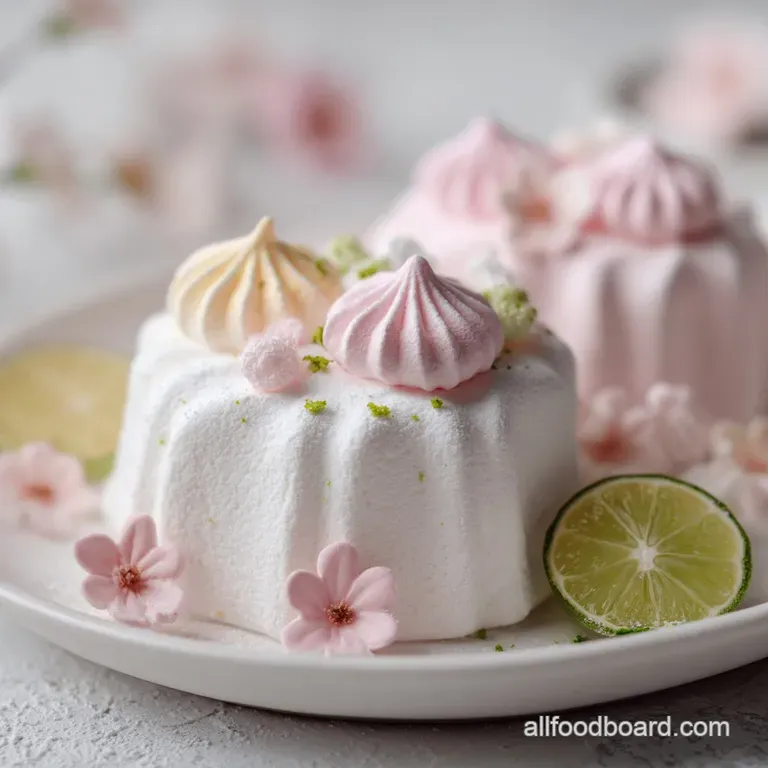
- Time: Active 15 minutes, Passive 5 minutes, Total 20 minutes
- Flavor/Texture Hook: Velvety, vanilla scented sugar dough
- Perfect for: Birthday cakes, detailed figurines, and budget-friendly decorating
- Achieving Elasticity Through Sugar Chemistry
- Essential Specifications for Consistent Results
- Selecting Quality Components for Best Texture
- Required Kitchen Tools for Smooth Dough
- Master the Mixing and Kneading Process
- Resolving Texture Issues and Common Failures
- Customizing Your Batch with Vibrant Colors
- Preserving Freshness and Reducing Kitchen Waste
- Creative Ways to Use Your Creation
- Myths Regarding Homemade Sugar Doughs
- Recipe FAQs
- 📝 Recipe Card
Achieving Elasticity Through Sugar Chemistry
Gelatin Structural Matrix: The gelatin in the marshmallows acts as a flexible scaffolding, allowing the sugar crystals to slide past each other without shattering. This creates the "pull" needed to cover tall cakes without the edges ripping like paper.
Cornstarch Anti Caking: Powdered sugar contains small amounts of cornstarch which prevents the sugar from absorbing too much atmospheric moisture. This keeps your finish matte and prevents that dreaded "sweating" effect in humid kitchens.
The Physics of the Pull
When we melt the marshmallows, we are breaking down the stabilized foam into a liquid polymer. Adding the powdered sugar creates a highly saturated suspension that behaves like a non Newtonian fluid until it’s fully kneaded.
| Method | Time | Texture | Best For |
|---|---|---|---|
| Microwave | 5 minutes | Soft and airy | Quick weeknight projects |
| Double Boiler | 12 minutes | Dense and stable | High detail sculpted figures |
| Stand Mixer | 8 minutes | Ultra uniform | Large batches for tiered cakes |
The microwave method is my personal go to because it keeps the moisture locked in. If you've ever tried a more traditional approach, you might find this similar to the marshmallow prep in my How to Make Marshmallows recipe. The key is gentle heat to avoid scorching the sugars.
Essential Specifications for Consistent Results
Getting the texture right requires hitting a few specific marks. If you don't weigh your sugar or time your melting, you might end up with a brittle mess. Trust me, spending an extra minute sifting makes all the difference in the final look.
- Checkpoint 1: Melt marshmallows in 30 second intervals only.
- Checkpoint 2: Stop adding sugar when the dough holds its shape but feels slightly tacky.
- Checkpoint 3: Final dough weight should be approximately 1.2 kg.
Chef's Tip: Grease your workspace and hands with a thin layer of vegetable shortening before you even touch the melted marshmallows. It creates a hydrophobic barrier that prevents the sugar from bonding to your skin.
Selecting Quality Components for Best Texture
This is a budget smart recipe, but that doesn't mean we compromise on the "why" behind our choices. Each of these five ingredients plays a functional role in how the Tasty Marshmallow Fondant behaves under a rolling pin.
| Ingredient | Science Role | Pro Secret |
|---|---|---|
| Mini Marshmallows | Provides the gelatin base | Use fresh bags for better meltability |
| Powdered Sugar | Structural bulk | Sift twice to prevent "grainy" spots |
| Vegetable Shortening | Lubricant/Plasticizer | Rub on the bowl to prevent sticking |
| Clear Vanilla | Flavoring | Use clear to keep the fondant pure white |
Using clear vanilla is a small but vital detail. If you use the brown stuff, your white fondant will turn a muddy off white color. It’s those little things that separate a "home cook" look from a professional finish. You can see how this flavoring technique is also used in my Effortlessly Smooth Marshmallow recipe to maintain that pristine aesthetic.
Ingredients & Substitutes
- 16 oz mini marshmallows: Smaller sizes melt faster and more evenly than large ones. Why this? They contain the perfect ratio of gelatin to corn syrup.
- Substitute: 16 oz large marshmallows, snipped into quarters.
- 2 lbs powdered sugar, sifted: This provides the body of the dough.
- Substitute: Superfine caster sugar (Note: Will be much grainier and harder to knead).
- 2 tbsp water: Activates the melting process and provides slight hydration.
- Substitute: Lemon juice for a tangy flavor and extra elasticity.
- 1 tsp clear vanilla extract: Adds that classic birthday cake aroma.
- Substitute: Almond or peppermint extract (Note: Use half the amount as they are stronger).
- 0.5 cup vegetable shortening: Prevents sticking and adds a silky sheen.
- Substitute: high-quality butter (Note: Will add a yellow tint and soften at room temp).
Required Kitchen Tools for Smooth Dough
- Large microwave safe glass bowl
- Sturdy silicone spatula (metal spoons will stick too much)
- Fine mesh sieve for sifting sugar
- Clean, smooth countertop (granite or stainless steel works best)
- Plastic wrap for the resting phase
Master the Mixing and Kneading Process
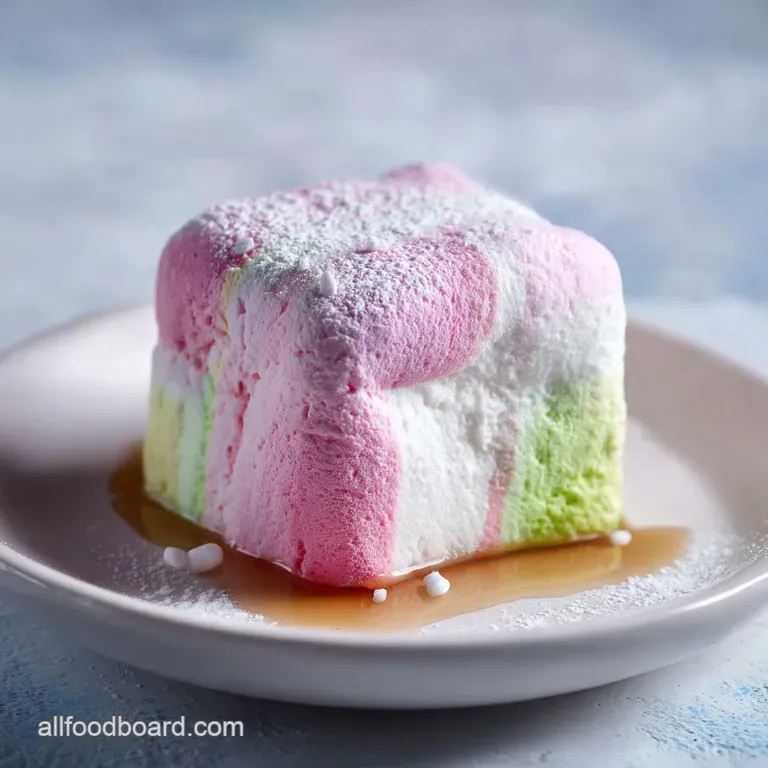
Right then, let's get into the messy part. Remember, it looks like a disaster halfway through, but that's normal. Just keep kneading.
- Sift the 2 lbs powdered sugar into a massive pile on your counter or in a clean bowl.
- Grease the inside of your microwave safe bowl thoroughly with some of that vegetable shortening.
- Combine the 16 oz mini marshmallows and 2 tbsp water in the greased bowl.
- Heat the marshmallows in 30 second bursts, stirring in between until the mixture is a smooth, puffy cloud.
- Stir in the 1 tsp clear vanilla extract and about 3/4 of your sifted sugar while the mix is still hot.
- Scrape the sticky mass onto your sugar covered workspace once it becomes too stiff to stir. Note: It will be very hot, so be careful!
- Knead the Tasty Marshmallow Fondant by folding it over itself, gradually incorporating the remaining sugar.
- Continue kneading for about 8 minutes until the dough is velvety and no longer sticks to your hands.
- Rub the surface of the finished ball with a tiny bit of shortening to keep it moist.
- Wrap tightly in double layered plastic wrap and let it rest for at least 2 hours before rolling.
Chef's Tip: If the dough feels too stiff while kneading, add 1/2 teaspoon of water at a time. If it's too floppy, add more sugar. It's very tactile!
Resolving Texture Issues and Common Failures
Even and Tasty Marshmallow Fondant can be temperamental if the humidity changes or if the marshmallows were a bit stale. If things go sideways, don't throw it out most sugar issues are reversible.
Why Your Dough Is Tearing
If your fondant "elephant skins" or tears as you lift it, it’s usually a moisture problem. This happens when there's too much sugar or the dough has dried out from being exposed to the air for too long.
| Problem | Root Cause | Solution |
|---|---|---|
| Cracking/Tearing | Too much sugar | Knead in 1/2 tsp of shortening |
| Sticky Mess | Under kneaded or humid | Add more sifted sugar 1 tbsp at a time |
| Lumpy Texture | Sugar wasn't sifted | Microwave for 10 seconds and re knead |
Checklist for Success
- ✓ Always sift your sugar; even tiny lumps will show up like boulders on a cake.
- ✓ Wash and dry your hands thoroughly mid knead if they get too gummy.
- ✓ Never use "light" or low-fat marshmallows; the chemistry won't hold.
- ✓ Keep the fondant covered with a damp cloth if you aren't working with it immediately.
- ✓ Let it rest! The sugar needs time to fully hydrate before you try to roll it out.
Customizing Your Batch with Vibrant Colors
Adding color is where the fun starts. I strongly recommend gel colors rather than liquid drops. Liquids can mess with the hydration levels and make the and Tasty Marshmallow Fondant too soft to hold its shape.
To color your batch, poke a few holes in the ball of dough and add the gel with a toothpick. Fold the dough over the color and knead until the streaks disappear. If you want a marble effect, stop kneading halfway through!
For a deeper flavor, you can also add a pinch of salt to cut the sweetness, or even a drop of lemon oil for a bright, fresh scent.
If you’re feeling adventurous, you could even try making a chocolate version by replacing 1/2 cup of the sugar with high-quality cocoa powder. It gives the fondant a fudgy texture that reminds me of the Chocolate Marshmallow Cookies recipe.
Preserving Freshness and Reducing Kitchen Waste
Storage is the most important part of making and Tasty Marshmallow Fondant ahead of time. Air is the enemy here; it will turn your beautiful soft dough into a rock in a matter of hours if it's not sealed up.
- Fridge: Wrap in plastic, then place in a heavy duty freezer bag. It stays fresh for up to 1 month.
- Freezer: You can freeze it for up to 3 months, but let it thaw completely at room temperature before trying to knead it.
- Zero Waste Tip: Don't throw away the scraps! Small leftovers are perfect for making "glue" (just melt them with a drop of water) or for practicing small decorations like roses and leaves.
Creative Ways to Use Your Creation
Once your fondant is ready, the possibilities are endless. Most people think of just covering a cake, but this dough is incredibly versatile. You can roll it thin and use cookie cutters to create edible "polka dots" for cupcakes, or roll it into ropes for borders.
I love using this for holiday themed treats. If you have leftovers, they are great for making little toppers for a Heavenly Sweet Potato recipe. Since it’s basically just sugar and gelatin, it melts beautifully if you hit it with a kitchen torch, giving you a toasted marshmallow flavor that is simply divine.
If You Want a Specific Result
- For a Matte Finish: Dust your rolling pin with cornstarch.
- For a Shiny Finish: Brush the final cake lightly with a mix of vodka and corn syrup.
- For Extra Strength: Knead in a pinch of Tylose powder to make it set hard like gum paste.
Myths Regarding Homemade Sugar Doughs
A common misconception is that you need a marble slab to make fondant. While a cool surface helps, a standard clean countertop works perfectly fine as long as you grease it well. The heat from your hands actually helps the sugar and gelatin bond during the kneading process, so don't be afraid to get in there.
Another myth is that homemade fondant is too soft to hold 3D shapes. While it is softer than commercial brands, adding just a little extra sugar or letting your figures dry overnight will make them plenty sturdy. It won't "shatter" like glass, but it will hold its form through any party.
Just remember, this is a budget smart way to get professional results without the gourmet price tag!
Recipe FAQs
Can I make marshmallow fondant ahead of time?
Yes, up to 2 weeks. Wrap it tightly in plastic wrap and store at room temperature. This allows the flavors to meld and the texture to become even more pliable.
What is the best way to color marshmallow fondant?
Use gel food coloring. Liquid drops can alter the fondant's hydration and make it too soft. Add gel colors by poking holes in the dough and folding it over the color, kneading until streaks disappear.
My marshmallow fondant is tearing while I roll it. What did I do wrong?
This usually indicates a moisture issue. Either you've used too much sugar, or the fondant has dried out from exposure to air. Try kneading in 1/2 teaspoon of shortening to help it become more pliable.
How do I store leftover marshmallow fondant scraps?
Don't discard them! Leftover scraps are perfect for making "glue" by melting them with a tiny bit of water. They're also ideal for practicing small decorations like roses or leaves.
Can I make marshmallow fondant taste like chocolate?
Yes, by incorporating cocoa powder. Replace about 1/2 cup of the powdered sugar with high-quality cocoa powder. This adds a delicious fudgy texture, similar to what you might find in our Rocky Road Chow Mein Haystacks Sweet Salty NoBake.
Is it true that marshmallow fondant can be used for sculpting figurines?
Yes, with a slight modification. While it’s more pliable than commercial fondant, kneading in a pinch of Tylose powder will help it set harder, making it suitable for creating sturdy 3D shapes and figures that hold their form.
Why does my marshmallow fondant sometimes feel brittle?
This often comes down to the marshmallows themselves. Using fresh mini marshmallows ensures better meltability and a smoother consistency. Stale marshmallows can lead to a drier, more brittle final product, impacting its elasticity.
Marshmallow Fondant
Ingredients:
Instructions:
Nutrition Facts:
| Calories | 185 kcal |
|---|---|
| Protein | 0.3 g |
| Fat | 3.5 g |
| Carbs | 39.5 g |
| Fiber | 0 g |
| Sugar | 38.8 g |
| Sodium | 11 mg |
