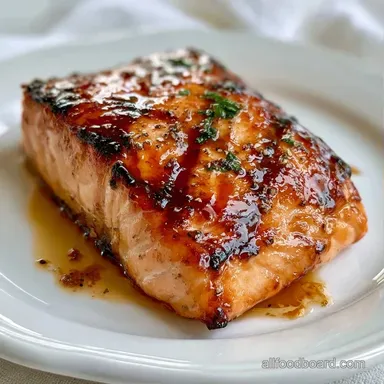
Caramelized Marinated Grilled Salmon
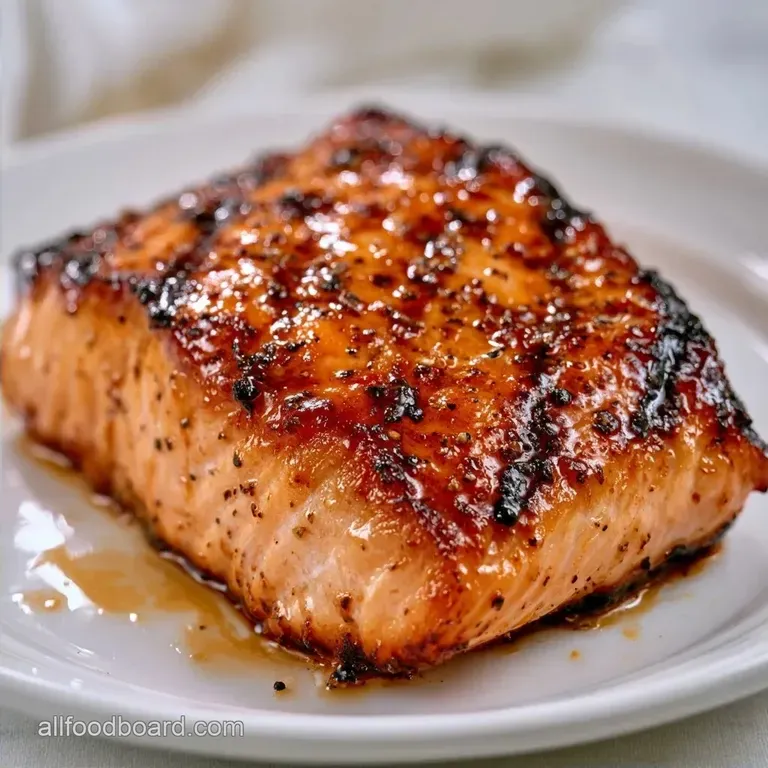
- Time: 5 min active + 30 min chilling
- Flavor/Texture Hook: Mahogany colored crust with a tender, flaky center
- Perfect for: Weeknight dinners or easy outdoor hosting
Marinated Grilled Salmon
The sound of the fish hitting a screaming hot grill is the best part. That immediate sizzle, followed by the smell of brown sugar and soy sauce caramelizing, tells you everything you need to know.
I remember the first time I tried this with my family; I was so worried about the fillets sticking that I almost didn't flip them. I ended up with a charred mess on one side and raw fish on the other.
Once I figured out the oil rub trick and the exact timing, everything changed. You don't need fancy techniques to get a restaurant style result. You just need a few basic pantry staples and a bit of patience while the fish rests.
This Marinated Grilled Salmon delivers a punchy, sweet and salty profile that cuts right through the richness of the fish. It's the kind of meal that feels a bit special but actually comes together in under an hour. Trust me, the 30 minute chill time is where the magic happens.
Why This Version Works
Sugar Caramelization: The brown sugar reacts with the heat to form a dark, flavorful crust. This happens quickly at 400°F, giving you a mahogany finish.
Acid Balance: Lemon juice breaks down some of the protein fibers. This keeps the fish tender while brightening the heavy soy notes.
| Approach | Prep Time | Flavor Profile | Best For |
|---|---|---|---|
| Fast Sear | 5 mins | Light & Fresh | Quick Lunch |
| Classic Marinated | 35 mins | Deep & Savory | Family Dinner |
What Each Ingredient Does
Soy Sauce: Adds salt and the base for the dark color. Swap for tamari for a gluten-free version.
Brown Sugar: Creates the caramelized crust. Use maple syrup if you want a woodier sweetness.
Lemon Juice: Cuts through the fat. Lime juice works well for a zestier vibe.
| Ingredient | What It Does | Best Swap |
|---|---|---|
| Soy Sauce | Salt and Color | Tamari (GF) |
| Brown Sugar | Caramelization | Maple Syrup |
| Lemon Juice | Acid/Balance | Lime Juice |
The Right Gear
You'll need a sturdy grill, whether it's charcoal or gas. A meat thermometer is the only way to be sure you aren't overcooking the fish. I use a digital instant read one to hit that 135°F mark exactly.
A resealable bag is better than a bowl for the marinade. It forces the liquid against the fillets, ensuring every inch is covered. For the grates, a simple folded paper towel and some neutral oil do the trick.
The Cooking Process
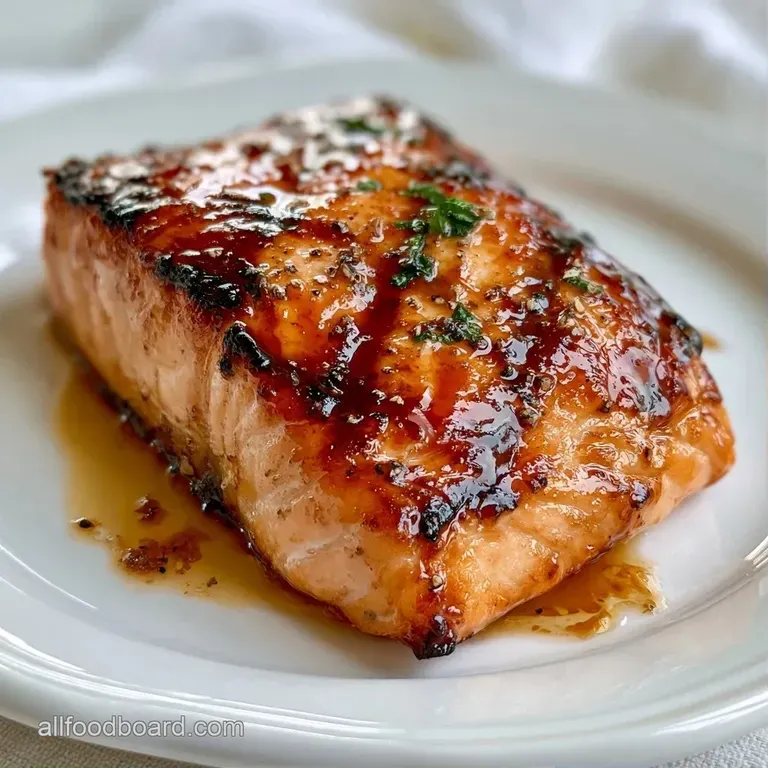
Phase 1: The Flavor Infusion
Whisk together the soy sauce, brown sugar, lemon juice, olive oil, minced garlic, and black pepper in a bowl until the sugar is completely dissolved. Note: If the sugar stays grainy, the crust won't be even.
Place the salmon fillets in a resealable bag and pour the marinade over them. Seal and refrigerate for 30 minutes, flipping the bag halfway through to ensure total coverage.
Phase 2: The over High heat Sear
Preheat your grill to medium high heat (approx. 400°F / 200°C). Dip a folded paper towel in neutral oil and rub it onto the grill grates to prevent sticking.
Remove salmon from the marinade, letting excess drip off, and place fillets flesh side down on the grill. Sear for 4–5 minutes without moving them, until a mahogany colored crust forms and the fish releases easily from the grate.
Phase 3: The Final Touch
Flip and grill for another 4–5 minutes (skin side) until the internal temperature reaches 125°F (52°C) for medium rare or 135°F (57°C) for medium.
Remove the fillets from the heat, transfer to a warm plate, and allow the salmon to rest for 3–5 minutes. This lets the juices redistribute so the fish stays moist.
Chef's Note: Don't fight the fish. If you try to flip it and it resists, give it another 30 seconds. It will release naturally once the sear is set.
Avoid These Common Issues
Salmon Sticking to Grates
This usually happens because the grill isn't hot enough or the grates are dirty. When the protein bonds with the metal, it clings. Ensure you Clean the grill grates before you start.
Garlic Burning Too Fast
Garlic can turn bitter if it burns. Since it's minced into the marinade, the oil and sugar protect it, but you still need to avoid "flare ups" from dripping fat. Move the fish slightly if the flames get too high.
Overcooking the Center
Salmon goes from medium to dry in about two minutes. Use a thermometer or feel the flesh with your finger. It should give slightly but not feel mushy.
| Problem | Root Cause | Solution |
|---|---|---|
| Sticking | Grates too cold | Wait for 400°F before adding fish |
| Burnt Crust | Too much sugar | Let excess marinade drip off before grilling |
| Dry Fish | Overcooked | Pull at 125°F for carryover cooking |
Switch Up the Flavor
If you want a bit more heat, stir in a teaspoon of sriracha or red pepper flakes. For a "Zesty" version, double the lemon juice and add a pinch of lemon zest. It's a great way to make the Marinated Grilled Salmon feel lighter for a summer lunch.
If you're craving something different, you could try a honey ginger blend. Replace the brown sugar with honey and add a teaspoon of grated ginger. This pairs well with a Grilled Shrimp Bowl for a full seafood spread.
For those avoiding soy, coconut aminos are a great substitute. They provide a similar saltiness and color but a slightly sweeter, nuttier finish. This keeps the Marinated Grilled Salmon family friendly for those with allergies.
Storage and Zero Waste
Store any leftovers in an airtight container in the fridge for up to 3 days. When reheating, avoid the microwave, as it toughens the fish. Instead, put the fillets in a pan over low heat with a splash of water and cover it for 2-3 minutes.
Don't toss the leftover marinade in the bag. You can simmer it in a small saucepan for 5 minutes until it thickens into a glaze. Use this to drizzle over your vegetables or as a dip for some steamed rice.
If you have salmon skin scraps, fry them in a pan with a bit of oil until they're crispy. They make a great salty garnish for a salad. It's a simple way to make sure nothing goes to waste.
Best Side Dishes
This Marinated Grilled Salmon needs something fresh to balance the soy and sugar. A crisp cucumber salad with rice vinegar and sesame seeds is a natural fit. , keep it simple with steamed asparagus or roasted baby carrots.
If you want something richer, a Lemon Cream Sauce drizzled over the side adds a lovely contrast to the charred exterior of the fish. The acidity in the cream sauce highlights the sweetness of the marinade.
For a hearty meal, serve the fillets over a bed of quinoa or wild rice. The grains soak up any extra juices from the resting fish, making the whole plate feel cohesive.
Decision Shortcut
- If you want a deeper crust, leave the salmon in the marinade for the full 30 minutes.
- If you prefer a lighter taste, reduce the brown sugar by half.
- If you're using thin fillets, reduce the sear time to 3 minutes per side.
High in Sodium
850 mg 850 mg of sodium per serving (37% 37% of daily value)
The American Heart Association recommends a daily sodium limit of no more than 2,300 mg, with an ideal limit of 1,500 mg for most adults to reduce cardiovascular risk.
Tips to Reduce Sodium
-
Switch to Coconut Aminos-30%
Replace the soy sauce with coconut aminos, a soy-free alternative that typically contains significantly less sodium.
-
Use Low-Sodium Soy Sauce-20%
Substitute regular soy sauce for a low-sodium version to maintain the classic umami flavor with less salt.
-
Boost Citrus Acidity-15%
Reduce the soy sauce by one tablespoon and increase the lemon juice to brighten the flavor and compensate for the salt reduction.
-
Enhance Aromatics
Add extra minced garlic or fresh grated ginger to create a more robust flavor profile without adding any sodium.
Recipe FAQs
Should salmon be marinated before grilling?
Yes, it improves both flavor and texture. The marinade helps create a caramelized mahogany crust and keeps the fillets moist during high heat grilling.
What is the best marinade for salmon?
A mix of soy sauce, brown sugar, and lemon juice is ideal. This combination of salty, sweet, and acidic elements perfectly complements the rich oils of the fish.
How to cook salmon for a diabetic?
Omit the brown sugar from the marinade. Use an extra pinch of cracked black pepper or a bit more lemon juice to maintain a bold flavor profile without the added sugar.
How long are you supposed to marinate salmon?
Marinate for 30 minutes. Any longer and the acid from the lemon juice can begin to break down the delicate proteins, making the fish too soft.
How to prevent the salmon from sticking to the grill?
Rub the grates with neutral oil using a folded paper towel. This creates a non-stick barrier that allows the fillets to release easily once the crust has formed.
How to tell when the salmon is perfectly cooked?
Use a meat thermometer to check the internal temperature. Aim for 125°F (52°C) for medium rare or 135°F (57°C) for medium.
What is the best side dish for marinated grilled salmon?
Starchy vegetables or fresh greens provide the best balance. These fillets pair perfectly with roasted fingerling potatoes to complete the meal.
Marinated Grilled Salmon for 4 Servings