Korean Fried Chicken: Shatter Crisp Skin
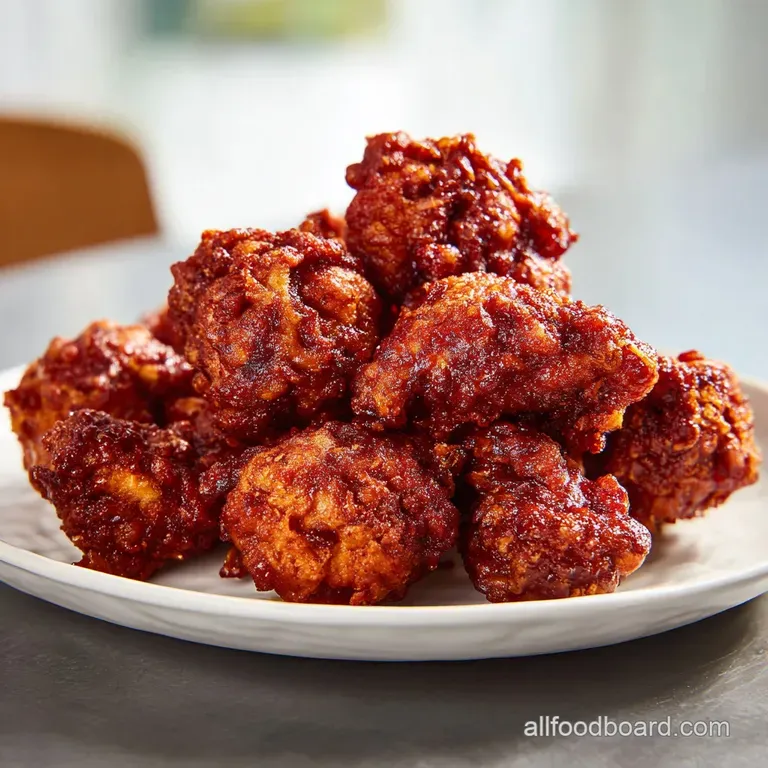
- Time: Active 20 minutes, Passive 25 minutes, Total 45 minutes
- Flavor/Texture Hook: Shatter crisp skin with a velvety, spicy gochujang finish
- Perfect for: Weekend treat, game night, or showing off to friends
- Achieving the Perfect Crispy Korean Fried Chicken
- Science of the Perfect Crunch
- Essential Performance Metrics
- Essential Component Analysis Table
- Necessary Tools for Success
- Step-by-Step Execution Guide
- Problem Solving and Fixes
- Smart Dietary Adjustments
- Storage and Zero Waste
- Serving for Maximum Impact
- Critical in Sodium
- Recipe FAQs
- 📝 Recipe Card
Achieving the Perfect Crispy Korean Fried Chicken
I remember standing on a freezing street corner in Seoul, the smell of toasted sesame and spicy ferment filling the air. That first bite of real candy chicken changed me; it wasn't the heavy, breaded stuff I grew up with.
It was light, almost translucent, and the crunch was so loud I thought the person next to me could hear it. I spent months trying to replicate that specific "shatter" in my own kitchen, failing more times than I care to admit.
We've all been there spending an hour at the stove only to end up with a soggy, limp mess once the sauce hits the meat. Trust me, it's frustrating. But after a lot of trial and error, I found that the secret isn't just the oil temperature; it's the chemistry of the batter and the patience to fry twice.
This is the version that finally worked, and once you try it, you'll never go back to the standard way.
It’s all about layering those bold flavors. We start with a light, ginger infused base, move to a high starch coating, and finish with a glaze that has just enough kick to keep things interesting. You're going to get that specific, glass like texture that makes this dish world famous.
Let's get into the details so you can nail it on the first try.
Science of the Perfect Crunch
The Physics of the Shatter: The double fry method forces out internal moisture during the first pass and then uses the second pass to instantly gelatinize the potato starch. This creates a rigid, dehydrated lattice that resists absorbing the water from the sauce.
| Cooking Method | Total Time | Texture Outcome | Best For |
|---|---|---|---|
| Double Fry (Classic) | 45 minutes | Shatter crisp, glass like | Authentic cravings |
| Air Fryer (Fast) | 30 minutes | Crunchy but thicker skin | Health conscious weeknights |
| Single Fry (Shortcut) | 25 minutes | Soft crunch, heavy breading | Quick snacks only |
Choosing the classic double fry method is essential if you want that nostalgic street food experience. While shortcuts exist, they rarely achieve the same dynamic contrast between the velvety chicken and the brittle crust.
Essential Performance Metrics
To get this right, you need to hit these three exact numeric checkpoints. If the oil is too cold, the chicken will be greasy; too hot, and the sugar in the glaze will burn before the meat is safe to eat. Use a thermometer don't guess.
- Oil Temperature (First Fry):170°C. This renders the fat and cooks the meat through without browning the starch too deeply.
- Oil Temperature (Second Fry):190°C. This high heat flash fries the exterior, creating the signature "shatter" effect.
- Internal Chicken Temp:74°C. Ensure the thickest part of the wing or thigh reaches this to stay safe and juicy.
Essential Component Analysis Table
The magic of this Korean Fried Chicken recipe lies in the specific interaction between the alkaline baking soda and the dry potato starch.
| Component | Science Role | Pro Secret |
|---|---|---|
| Potato Starch | High amylopectin for crisping | Keep it cold; cold starch reacts better with hot oil |
| Baking Soda | Increases pH for Maillard reaction | Just a pinch creates tiny air bubbles for extra crunch |
| Gochujang | Fermented base for umami | Always whisk with honey to balance the heat levels |
Using the right starch is the biggest hurdle for most home cooks. While cornstarch is okay in a pinch, potato starch creates a much more durable crust that won't turn into a sponge the moment it touches the sauce. This technique is actually quite similar to the crisping method used in a high-quality Hibachi Chicken Recipe.
Necessary Tools for Success
You don't need a professional kitchen, but a few specific items make a massive difference. First, a heavy bottomed pot, like a Dutch oven, is non negotiable for maintaining steady heat. Thin pots lose temperature the second you drop the chicken in, which is the fastest way to get oily, soggy meat.
- Deep fry or Instant read Thermometer: Essential for monitoring those 170°C and 190°C marks.
- Spider Strainer or Slotted Spoon: For safely removing wings and clearing out "tempura bits" between batches.
- Large Stainless Steel Bowl: For tossing the chicken in the glaze while it's still piping hot.
- Wire Cooling Rack: Never rest fried chicken on paper towels for more than a minute; the steam will soften the bottom.
Chef's Tip: Freeze your flour and starch mix for 15 minutes before dredging. The temperature shock when it hits the hot oil creates a more explosive, airy texture in the crust.
step-by-step Execution Guide
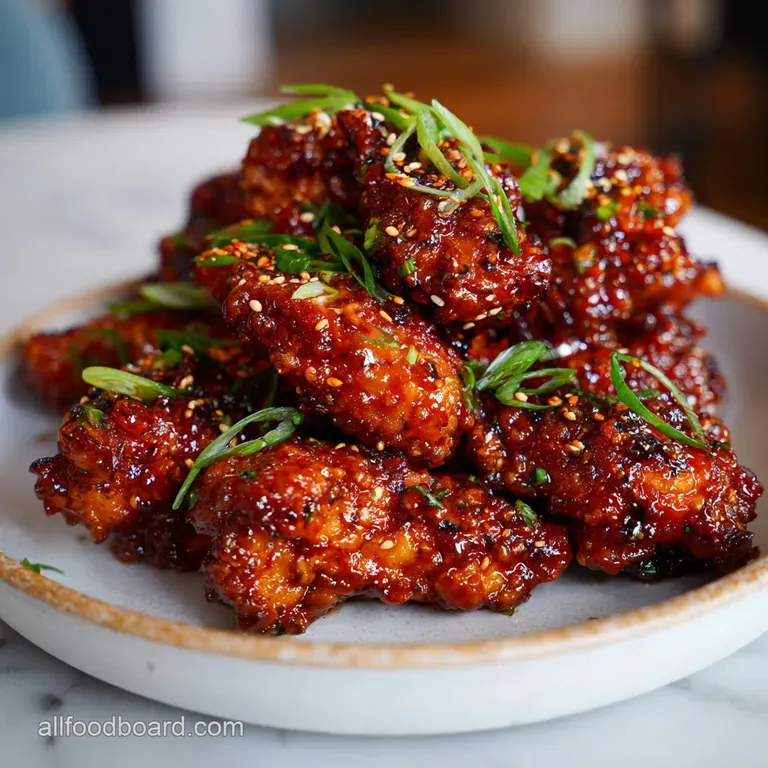
Phase 1: Preparation and Aeration
- Pat 2 lbs chicken wings or boneless thighs completely dry with paper towels. Note: Surface moisture is the enemy of a good sear.
- Season with 1 tsp fine sea salt, 1/2 tsp black pepper, and 1 tsp grated fresh ginger.
- In a large bowl, whisk 1 large egg with 1/2 cup potato starch, 1/4 cup all purpose flour, and 1/2 tsp baking soda until a thick, pasty batter forms.
- Toss the chicken in the batter, ensuring every nook and cranny is coated.
Phase 2: The Initial Render
- Heat 2 cups vegetable oil in a heavy pot to 170°C.
- Fry the chicken in batches for 7 to 10 minutes until the coating is pale gold and firm.
- Remove chicken and let it rest on a wire rack for 2 minutes. Note: This lets internal steam escape so it doesn't soften the crust later.
Phase 3: The Shattering Finish
- Increase oil heat to 190°C and fry the chicken again for 2 to 3 minutes until a deep golden brown and audibly hard.
- While the second fry happens, simmer 3 tbsp gochujang, 2 tbsp soy sauce, 3 tbsp honey, 1 tbsp rice vinegar, 2 cloves minced garlic, and 1 tsp toasted sesame oil in a small pan until thick and glossy.
Phase 4: The Glaze and Toss
- Transfer hot chicken to a large bowl, pour the warm glaze over, and toss quickly. until every piece is lacquered and gleaming.
Problem Solving and Fixes
Soggy Coating Prevention
If your chicken comes out soft, it’s usually because the oil temperature dropped too low when you added the meat. Always work in batches. If you crowd the pot, the oil temp can plummet by 30 degrees, leading to more "boiling" than frying.
Coating Peeling Off
When the batter slides right off the chicken, it’s often because the skin wasn't dry enough before the dredge. That layer of water between the skin and the starch turns to steam and pushes the coating away.
| Problem | Root Cause | Solution |
|---|---|---|
| Burnt Glaze | Sugar content in sauce too high | Add glaze only at the very end with low heat |
| Greasy Texture | Oil not hot enough | Wait for the thermometer to hit 170°C between batches |
| Tough Meat | Overcooked during first fry | Reduce first fry time; focus on the second fry for color |
Common Mistakes Checklist
- ✓ Never skip the ginger; it's the secret to cutting through the heavy fried fats.
- ✓ Don't use a lid; steam must escape or the chicken will never get crispy.
- ✓ Always clear out small burnt bits of batter between batches to prevent a bitter taste.
- ✓ Let the chicken rest on a rack, not a flat plate, to maintain airflow.
- ✓ Use potato starch specifically for that signature glass like shatter.
Smart Dietary Adjustments
If you need to tweak this recipe for dietary needs, you can still get great results. For a gluten-free version, swap the all purpose flour for more potato starch or a 1:1 gluten-free blend. Ensure your gochujang is certified gluten-free, as many traditional brands use wheat or barley.
| Original Ingredient | Substitute | Why It Works |
|---|---|---|
| All Purpose Flour | Rice Flour | Creates an even lighter, more delicate crunch. |
| Honey | Maple Syrup | Same viscosity but adds a different earthy sweetness. |
| Vegetable Oil | Grapeseed Oil | Higher smoke point and very neutral flavor profile. |
If you want a lighter version, you can try an "Easy Korean Fried Chicken" approach using an air fryer at 200°C for 20 minutes, flipping halfway through. It won't have that exact "shatter," but it hits the spot for a quick lunch.
Storage and Zero Waste
Fried chicken is always best immediately, but if you have leftovers, store them in an airtight container in the fridge for up to 3 days. To reheat, avoid the microwave at all costs it will turn the crust into rubber.
Instead, use an oven or air fryer at 180°C for 5 to 8 minutes until the glaze sizzles again. You can also freeze the chicken after the first fry for up to 2 months. When you're ready to eat, do the second fry straight from frozen!
For zero waste, save any leftover spicy glaze. It makes an incredible base for a spicy stir fry or a dipping sauce for roasted vegetables. If you have extra ginger or garlic scraps, toss them into a freezer bag for your next batch of homemade stock.
Serving for Maximum Impact
For the most authentic experience, serve this with "Mu," which is Korean pickled radish. The icy, acidic crunch of the radish cuts through the richness of the fried chicken perfectly. It’s the dynamic contrast that makes Korean soul food so addictive.
- The Cold Beer Pairing: In Korea, this is called "Chimeak" (Chicken + Maekju/Beer). A light, crisp lager is the best companion for these bold flavors.
- For a Complete Meal: Serve alongside a bowl of steamed white rice and some lightly seasoned bean sprouts.
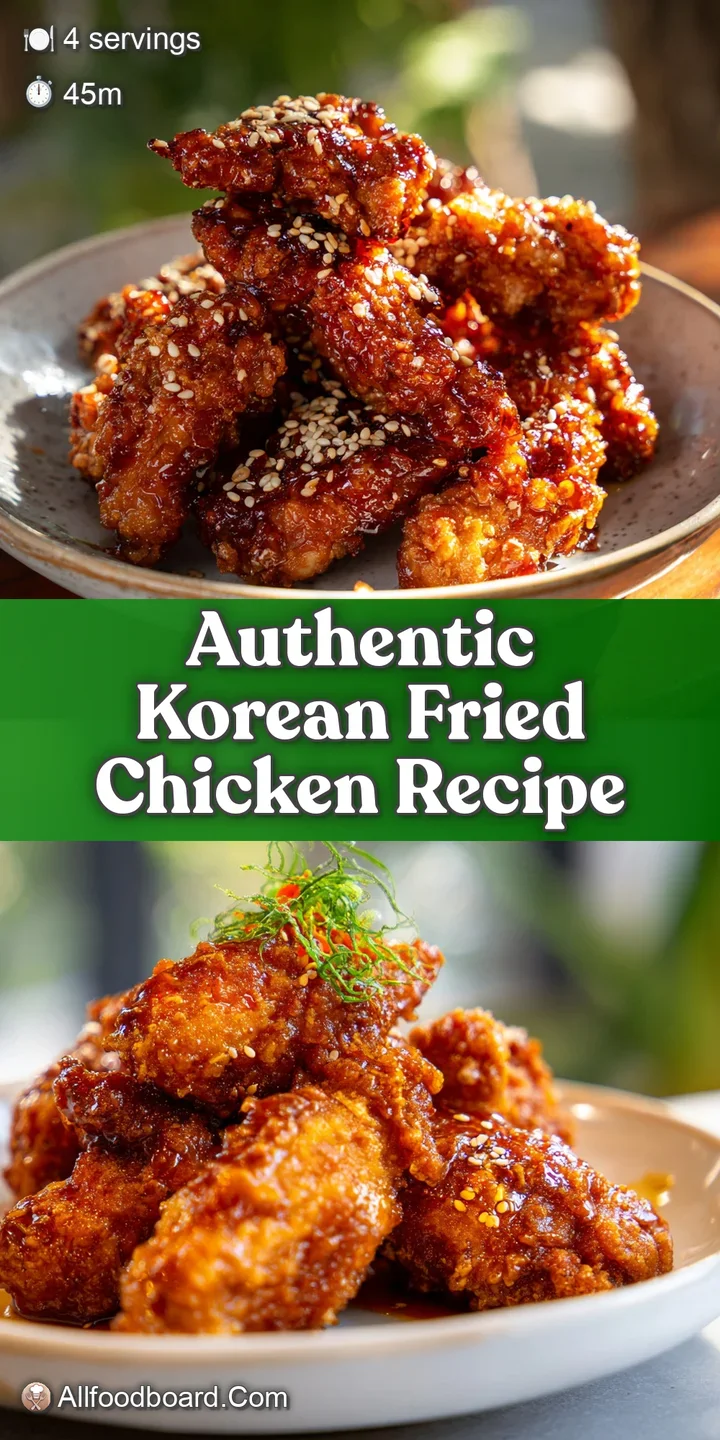
- Garnish: Don't forget a heavy sprinkle of toasted sesame seeds and some finely sliced green onions for fragrance.
This dish isn't just about eating; it's about that specific, loud crunch and the sticky fingers that come after. It’s nostalgic, messy, and absolutely worth the effort of that second fry. If you're looking for another crowd pleaser with similar bold vibes, definitely try out my Homemade Chicken Korma recipe for your next dinner party. Enjoy every bite!
Critical in Sodium
1325 mg mg of sodium per serving (58% % of daily value)
The American Heart Association recommends limiting sodium intake to about 2,300mg per day for optimal health.
Sodium Reduction Strategies for This Recipe:
-
Reduce Added Salt-25%
Eliminate or reduce the 1 tsp of fine sea salt. Try using a salt free seasoning blend instead, or simply rely on the other flavorful ingredients. This adjustment alone can make a big difference.
-
Lower Sodium Soy Sauce-20%
Replace the regular soy sauce with a lower sodium version. This simple substitution can significantly reduce the overall sodium content of the dish.
-
Dilute Gochujang-15%
Gochujang is often high in sodium. Try using half the amount and replace the other half with a little more honey or rice vinegar to maintain the desired flavor profile.
-
Freshly Minced Garlic
Ensure you're using freshly minced garlic rather than garlic salt or garlic powder. Fresh garlic adds great flavor without adding sodium.
-
Enhance with Herbs and Spices
Boost flavor with sodium free herbs and spices like garlic powder (check to ensure it's just garlic!), onion powder, smoked paprika, cayenne pepper, or dried oregano.
Recipe FAQs
What is different in Korean fried chicken?
It uses a double fry technique and a light starch batter. This process removes moisture more effectively than standard frying, resulting in an incredibly thin, shatter crisp crust that stays crunchy even when glazed.
What is Korean style fried chicken?
It is characterized by an ultra thin, non-bready crust coated in a sweet/spicy glaze. The flavor profile balances savory soy, sweet honey, and fermented heat from gochujang, making it dynamic.
How is Korean fried chicken different from southern fried chicken?
Southern fried chicken uses a heavier flour dredge and is typically a single fry. Korean style uses a higher ratio of potato starch, resulting in a lighter, glass like crust that relies on the double fry for structural integrity.
Is Korean fried chicken very unhealthy?
It is high in fat due to the double frying, but preparation matters greatly. Using a neutral high smoke point oil and ensuring the temperature is correct minimizes grease absorption; for a lighter result, try air frying the meat after the first step.
How do I achieve the signature shattering crust?
Use a mix heavy on potato starch and fry the chicken twice. The first fry cooks the meat at a lower temperature, and the second, hotter fry instantly dehydrates and crisps the outer layer.
Mastering temperature control here is similar to the principles needed for perfect searing in a How To Roast recipe.
What is the purpose of the resting period between the two fries?
The rest allows built-up internal moisture to escape. If you fry immediately again, the trapped steam will turn your crust soggy rather than crisp. This pause ensures the final high heat fry creates an audible crunch.
What is the best way to reheat leftover Korean fried chicken?
Use an oven or air fryer at about 180°C (350°F). Do not use the microwave, as it will steam the coating, making it chewy and soft. You want to re-crisp the exterior without burning the sugar in the glaze.
Korean Fried Chicken Recipe
Ingredients:
Instructions:
Nutrition Facts:
| Calories | 838 kcal |
|---|---|
| Protein | 45.7 g |
| Fat | 52.7 g |
| Carbs | 42.1 g |
| Fiber | 1.1 g |
| Sugar | 18.4 g |
| Sodium | 1325 mg |
