Best Homemade Chicken Noodle Soup from Scratch with Garlic and Herbs
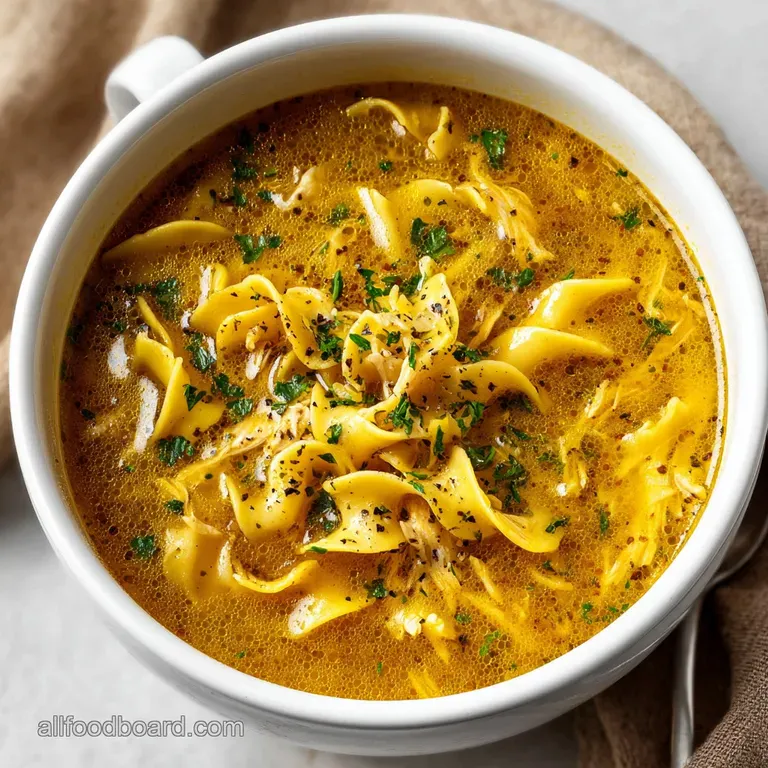
- Time: Active 20 minutes, Passive 45 minutes, Total 65 minutes
- Flavor/Texture Hook: Silky, herb infused broth with tender shredded chicken
- Perfect for: Cold season recovery or a comforting family Sunday dinner
- The Science of Flavor and Texture Control
- Essential Elements for a Rich Savory Base
- The Right Tools for a Better Broth
- Building the Perfect Pot of Comfort Soup
- Solving Common Chicken Soup Texture Issues
- Adjusting the Batch for Every Family Size
- Myths About Homemade Soup
- Proper Storage for Long Lasting Freshness
- Finishing Touches for a Restaurant Quality Look
- Very High in Sodium
- Recipe FAQs
- 📝 Recipe Card
The Science of Flavor and Texture Control
Building a soup isn't just about throwing things in a pot; it's about managing chemistry to get that velvety mouthfeel.
- Maillard Reaction: Searing the chicken thighs first creates complex flavor compounds on the skin that dissolve into the stock later.
- Collagen Extraction: Using bone in thighs allows the connective tissue to break down into gelatin, giving the broth a rich, body coating texture.
- Allicin Activation: Mincing the garlic and letting it sit for a minute before hitting the heat maximizes its health benefits and pungent aroma.
- Starch Management: Cooking noodles separately or right at the end prevents them from absorbing all the liquid and turning into mush.
Chicken Doneness Quick Decision Table
| Thickness | Internal Temp | Rest Time | Visual Cue |
|---|---|---|---|
| Standard Thigh | 74°C | 5 minutes | Juices run clear when pierced |
| Large Thigh | 74°C | 8 minutes | Meat pulls away easily from bone |
| Drumsticks | 74°C | 5 minutes | Skin is golden and tight |
If you're looking for a different vibe, like something thicker for a cold night, you might want to try my Cream of Chicken Soup recipe instead. It uses a similar herb base but with a much silkier, heavier finish.
Essential Elements for a Rich Savory Base
Before we get the pot hot, let's look at why these specific ingredients matter for the best results.
| Ingredient | Science Role | Pro Secret |
|---|---|---|
| Bone in Thighs | Fat and Gelatin source | Always sear skin side down first to render the fat |
| 6 Cloves Garlic | Aromatic Backbone | Mince finely to release maximum sulfuric compounds |
| Fresh Rosemary | Piney Aromatic Depth | Bruise the leaves slightly before chopping to release oils |
| Lemon Juice | Acidic Brightness | Add at the very end to "wake up" the heavy fats |
For the full list, you'll need 1.5 lbs bone in, skin on chicken thighs and 1.9 liters (8 cups) of quality chicken stock. Grab 2 teaspoons of kosher salt and 1 teaspoon of cracked black pepper to season everything as we go.
You'll also need 2 tablespoons of extra virgin olive oil and 1 tablespoon of unsalted butter the butter is non negotiable for that rich finish.
The "Mirepoix" consists of 3 large carrots (sliced into rounds), 3 stalks of celery (crescents), and 1 large yellow onion (finely diced). For the herbs, we’re using 1 tablespoon each of fresh thyme and rosemary, plus 2 dried bay leaves.
Finally, 225g (8 oz) of wide egg noodles, 1/4 cup of fresh Italian parsley, and that crucial 1 tablespoon of lemon juice.
Chef's Tip: Freeze your butter for 10 minutes before adding it to the pot with the vegetables; the sudden temperature change helps it emulsify into the oil without burning.
The Right Tools for a Better Broth
You don't need a professional kitchen, but a few specific items make this much easier. A heavy bottomed pot, like a Dutch oven (KitchenAid makes a great one), is essential because it holds heat evenly. This prevents the garlic from scorching while you’re sweating the onions.
You'll also want a sturdy pair of tongs to flip that chicken and a sharp chef's knife for all that dicing. A microplane or a very fine grater is a life saver for the garlic if you don't feel like mincing by hand.
Honestly, a good soup is 90% prep work, so having a clear space and a couple of "trash bowls" for your vegetable peels will keep you sane.
Building the Perfect Pot of Comfort Soup
Phase 1: The Flavor Foundation
- Sear the chicken. Heat the olive oil in your large pot over medium high heat. Pat the 1.5 lbs of chicken thighs bone dry with paper towels this is the secret to a good sear.
- Brown the skin. Place chicken skin side down in the oil. Let it cook for about 5-7 minutes until the skin is golden and releases easily from the pan. Flip and cook for another 2 minutes, then remove to a plate. Note: The chicken won't be cooked through yet, and that's fine!
Phase 2: The Aromatic Bloom
- Sauté the aromatics. Lower the heat to medium and add the butter. Toss in your diced onion, carrots, and celery. Cook for about 6 minutes until the onions are translucent and the carrots soften slightly.
- Add the garlic and herbs. Stir in the 6 cloves of minced garlic, thyme, and rosemary. Cook for just 1 minute until your kitchen smells incredible. Note: Don't let the garlic brown, or it will turn bitter.
Phase 3: The Gentle Simmer
- Deglaze and simmer. Pour in the 1.9 liters of chicken stock and add the bay leaves. Use a wooden spoon to scrape up all those brown bits (the fond) from the bottom of the pot.
- Return the chicken. Place the chicken thighs (and any juices from the plate) back into the pot. Bring to a boil, then immediately reduce to a low simmer. Cover and cook for 25-30 minutes until the chicken is tender enough to shred.
Phase 4: The Finishing Touches
- Shred the protein. Remove the chicken to a cutting board. Discard the skin and bones. Use two forks to shred the meat into bite sized pieces and return it to the pot.
- Cook the noodles. Add the 225g of wide egg noodles. Increase heat slightly and cook for 6-8 minutes until the noodles are tender but still have a slight bite.
- The final seasoning. Turn off the heat. Stir in the fresh parsley and the tablespoon of lemon juice. Taste and add more salt or pepper if needed. Note: The lemon juice doesn't make it sour; it just cuts through the richness of the chicken fat.
If you enjoy the process of making the base from scratch, you might love the technique in my Grandmas Homemade Chicken recipe, which focuses even more on that traditional, long simmered feel.
Solving Common Chicken Soup Texture Issues
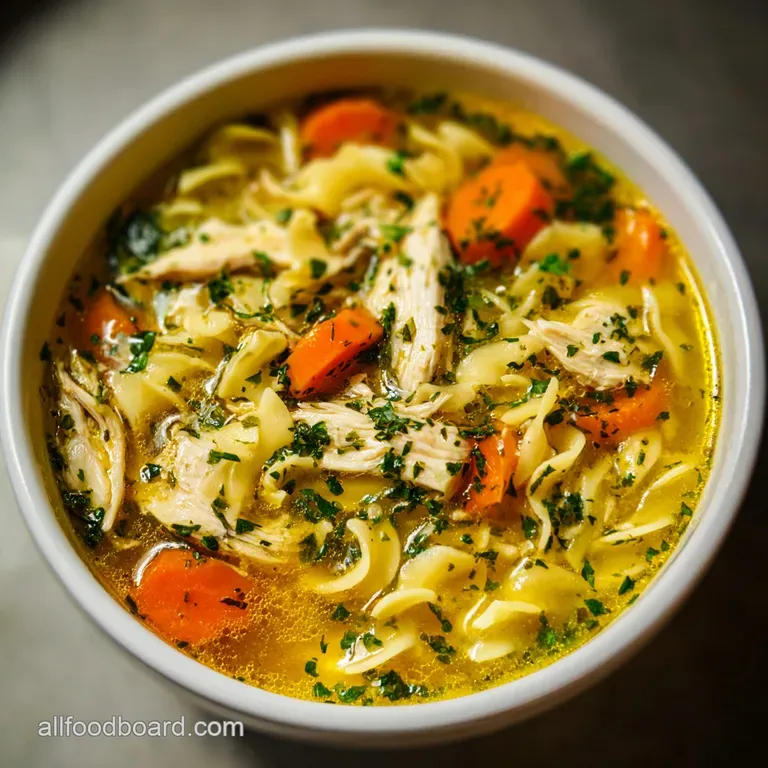
Even the best of us hit a snag sometimes. Usually, it's either a salt issue or a noodle disaster.
Why Your Soup Is Too Salty
If you used a store-bought stock that wasn't "low sodium," the salt can concentrate as it simmers. To fix this, you can drop in a peeled, halved potato for 10 minutes to soak up some salt, or simply add a splash of water and another squeeze of lemon.
Why Your Noodles Are Mushy
This happens when the soup is reheated too many times or the noodles were cooked too long. If you're planning on having leftovers, I actually recommend cooking the noodles in a separate pot of water and adding them to individual bowls instead of the big pot.
| Problem | Root Cause | Solution |
|---|---|---|
| Cloudly Broth | Boiling too hard | Keep the soup at a gentle simmer, never a rolling boil |
| Greasy Surface | Too much chicken fat | Use a large spoon to skim the yellow oil off the top |
| Bland Flavor | Lack of acidity or salt | Add an extra teaspoon of lemon juice and a pinch of salt |
Common Mistakes to Avoid
- ✓ Never boil the soup aggressively; it toughens the chicken and clouds the broth.
- ✓ Don't skip the searing step - that's where all the deep, roasty flavor lives.
- ✓ Avoid using dried herbs if you can help it; fresh rosemary and thyme are much more vibrant here.
- ✓ Don't leave the bay leaves in after cooking - they are for flavor, not for eating!
- ✓ Always taste the broth before adding the noodles to ensure the seasoning is right.
Adjusting the Batch for Every Family Size
Scaling soup is generally easy because it's so forgiving. If you want to cut this in half for a quick lunch for two, just use a smaller pot and reduce the cook time for the vegetables by about 2 minutes.
When doubling the recipe for a big crowd or meal prep, I suggest not doubling the salt or the rosemary right away. Spices and salt don't always scale linearly. Start with 1.5x the amount, taste it, and then add more.
Also, if you double the noodles, make sure you have enough extra stock on hand, as those egg noodles are thirsty and will soak up a lot of liquid as they sit.
Stovetop vs Oven Comparison
| Method | Time | Texture Result | Best For |
|---|---|---|---|
| Stovetop | 65 mins | Bright, clear broth | Quick weeknight comfort |
| Oven (Braised) | 90 mins | Deeply caramelized | Maximum flavor extraction |
For something with a totally different flavor profile but the same "one pot" convenience, you’ve got to try the Teriyaki Chicken Stir recipe. It's a great way to use chicken thighs if you're tired of soup.
Myths About Homemade Soup
One of the biggest myths is that you have to make your own stock from a whole carcass for it to be "real" soup. While that's lovely, using a high-quality store-bought stock and simmering it with bone in thighs and fresh herbs effectively "fortifies" the broth, giving you that 12 hour flavor in about an hour.
Another common misconception is that searing the meat "seals in the juices." Science tells us that's not true moisture still escapes. However, searing is vital for the Maillard reaction, which creates the browned, savory notes that make the broth taste complex rather than just salty.
Proper Storage for Long Lasting Freshness
Storage: This soup stays great in the fridge for up to 4 days. In fact, the flavor often improves on day two as the herbs continue to steep. Just be aware that the noodles will continue to soften and absorb liquid. You might need to add a splash of stock when reheating.
Freezing: If you plan to freeze this, do it before adding the noodles. Noodles turn to mush in the freezer. Freeze the herb chicken broth for up to 3 months. When you're ready to eat, boil the frozen base and drop fresh noodles in.
Zero Waste Tip: Don't throw away those parsley stems! Tie them together with kitchen twine and drop them into the pot while it simmers, then pull them out before serving. It adds extra earthy flavor for free.
Also, save your onion skins and carrot ends in a bag in the freezer for when you eventually do want to make stock from scratch.
Finishing Touches for a Restaurant Quality Look
We eat with our eyes first, right? To make this look like something from a cozy bistro, don't just stir the parsley in and call it a day. Save a handful of the brightest green leaves and sprinkle them fresh on top of each bowl.
A tiny drizzle of extra virgin olive oil right before serving can add a beautiful sheen to the surface. If you’re feeling fancy, serve it with a lemon wedge on the side. It allows people to customize their own acidity level, and it looks much more intentional than just a bowl of beige liquid.
Pair it with some toasted sourdough or some saltine crackers, and you’ve got the ultimate meal.
If You Want Variety, Try This:
- For a spicy kick, add a pinch of red pepper flakes with the garlic.
- For a heartier version, swap the noodles for 200g of diced potatoes.
- For a "creamy" feel without dairy, blend one cup of the broth with some of the cooked carrots and stir it back in.
Making the best homemade chicken noodle soup from scratch with garlic and herbs is all about those small details the sear, the fresh herbs, and that final hit of lemon. It’s a kitchen skill that will serve you for years to reach for whenever someone needs a little extra love.

Very High in Sodium
1285 mg mg of sodium per serving (56% of daily value)
The American Heart Association recommends limiting sodium intake to no more than 2,300mg per day for most adults. Reducing sodium is beneficial for heart health.
Tips to Reduce Sodium in Your Chicken Noodle Soup
-
Low-Sodium Broth-30%
Replace the regular chicken stock with low-sodium or no-salt added chicken broth. This is the biggest source of sodium in the recipe.
-
Reduce Added Salt-25%
Cut back on the amount of kosher salt added. Start by using only 1 teaspoon of salt instead of 2, and taste before adding more.
-
Consider Chicken Choice-10%
While skin-on, bone-in chicken is flavorful, removing the skin before cooking and/or using boneless, skinless chicken thighs may contribute to slightly lower sodium in the final broth. Be sure to adjust cooking time accordingly.
-
Boost Flavor
Enhance the flavor of the soup with fresh herbs and spices! The recipe already contains thyme, rosemary, and parsley, but consider adding others such as garlic powder (instead of garlic salt), or a pinch of red pepper flakes.
Recipe FAQs
Can I substitute chicken breasts for bone-in thighs for a leaner soup?
No, this will result in a thinner broth. Bone-in thighs release necessary collagen and fat which build the silky mouthfeel; breasts provide lean protein but lack the gelatin structure needed for body.
How to stop the noodles from absorbing all the broth overnight?
Cook the noodles separately and store them apart from the soup base. Add the desired amount of noodles directly to the broth just before serving each portion.
Is it true that searing the chicken before simmering makes the final soup cloudy?
False. Searing the chicken skin first develops deep, savory flavors on the exterior (Maillard reaction) that enrich the broth; cloudiness typically comes from boiling the stock too vigorously, not the initial sear.
How to maximize the garlic flavor without making it taste harsh or burnt?
Mince the garlic finely and cook it for just one minute with the onions. If you enjoy learning flavor extraction techniques, see how the same principle of gentle blooming works for fats in our Garlic Butter Chicken recipe.
What is the essential final ingredient for balancing the rich chicken fat?
A final splash of fresh lemon juice. Adding acid at the end cuts through the richness from the rendered chicken fat, brightening the entire dish instantly.
How to build a deeper flavor base if I am in a rush and cannot use homemade stock?
Deglaze the pot aggressively after searing the chicken and before adding the liquid. Scrape all those brown bits (fond) into the stock to extract maximum roasted flavor, mimicking slow simmering.
Can I make this recipe ahead of time for better flavor infusion?
Yes, the flavor profile improves significantly when rested overnight. When reheating, skim any solidified fat layer from the top first, and then bring the soup gently to temperature, adding the fresh parsley right at the end.
Homemade Garlic Noodle Soup
Ingredients:
Instructions:
Nutrition Facts:
| Calories | 462 kcal |
|---|---|
| Protein | 22.3 g |
| Fat | 21.4 g |
| Carbs | 34.8 g |
| Fiber | 2.6 g |
| Sugar | 2.4 g |
| Sodium | 1285 mg |
