Coconut Cream Pie: Velvet Smooth and Crisp
- Time: Active 20 minutes, Passive 15 minutes, Total 35 minutes
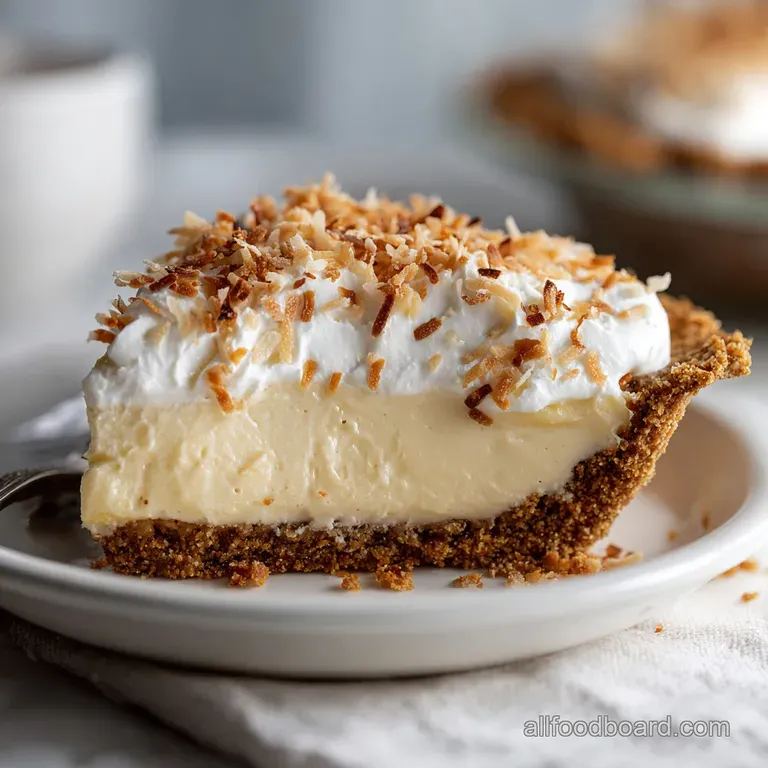
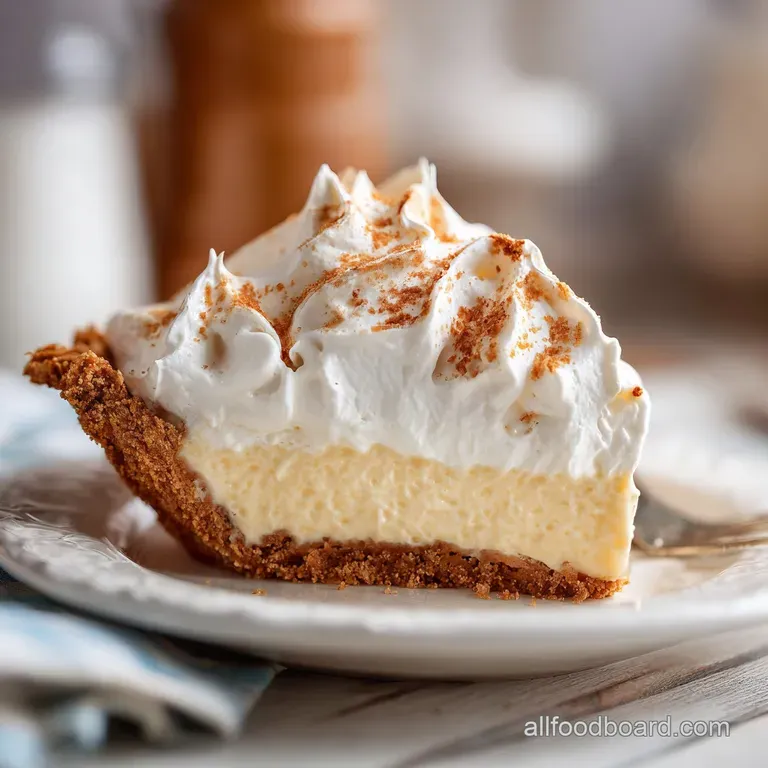
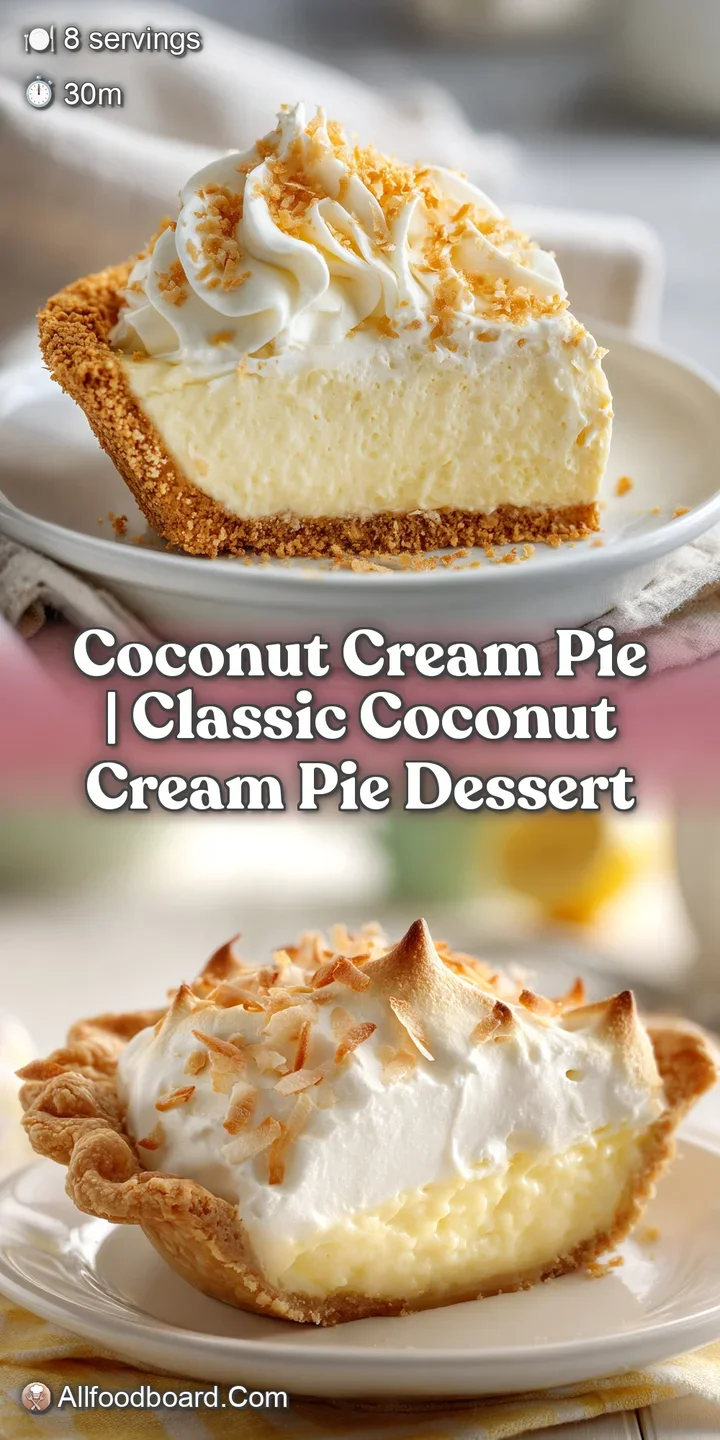
- Flavor/Texture Hook: A velvety custard center contrasted by a shatter crisp graham cracker crust.
- Perfect for: Sunday family gatherings, spring celebrations, or anyone craving a rustic, flour dusted kitchen experience.
- The Hidden Secrets of a Velvety Coconut Cream Pie
- Essential Specifications for This Timeless Coconut Cream Pie
- Elements and Variations for the Ideal Coconut Cream Pie
- Tools and Equipment for a Flour Dusted Pastry Kitchen
- Masterful Guide to Crafting the Ultimate Coconut Cream Pie
- Solving Common Challenges for a Flawless Coconut Cream Pie
- Adapting Your Recipe for Every Unique Dietary Preference
- Maintaining Freshness Through Smart Storage and Reheating Methods
- Artistic Plating Techniques to Highlight Your Coconut Cream Pie
- Recipe FAQs
- 📝 Recipe Card
The Hidden Secrets of a Velvety Coconut Cream Pie
Have you ever wondered why the scent of toasted coconut feels so much like a warm hug from the past? There is something inherently nostalgic about the way the nutty aroma fills a kitchen, drifting through the air like a sweet, tropical promise.
It reminds me of those long Saturday afternoons spent in my grandmother’s kitchen, where the counters were always flour dusted and the oven was perpetually glowing. This particular recipe isn't just about mixing ingredients; it’s about capturing that specific moment when the custard finally "thicks" and you realize you’ve created something truly special.
The real magic of this dish lies in the contrast. We often think of pies as heavy or overly sugary, but a truly great version relies on the subtle interplay of fats and textures. The coconut milk provides a rich, floral backdrop, while the toasted flakes offer a necessary "shatter" with every bite.
It’s a rustic masterpiece that doesn't need fancy gadgets to shine just a steady hand with a whisk and a little bit of patience. When I first tried making this, I rushed the cooling process and ended up with a soup.
I’ve learned since then that the chill is just as important as the cook, allowing the starch and proteins to bond into a silky, stable filling.
What Actually Makes It Silky
The architecture of this custard depends on a few quiet interactions happening in your saucepan. We aren't just heating milk; we are managing a delicate balance of proteins and starches to ensure the pie holds its shape when sliced without feeling rubbery or stiff.
- Fat Emulsification: The combination of whole milk and full fat canned coconut milk provides a high fat to water ratio, which coats the tongue and carries the vanilla flavor more effectively.
- Starch Gelatinization: Cornstarch acts as a scaffold; as it reaches a simmer, the granules swell and burst, trapping the liquid in a flexible web that sets firmly once chilled.
- Protein Stabilization: Egg yolks provide lecithin, a natural emulsifier that binds the water based milk to the fat rich coconut, creating a unified, velvety texture.
- Enzyme Control: Bringing the mixture to a full bubble is vital to deactivate amylase in the yolks, which would otherwise break down the starch and turn your pie into a liquid mess after an hour.
Recipe Selection Shortcut
| Finish Goal | Technique Adjustment | Expected Result |
|---|---|---|
| Deeply Nutty | Toast coconut until dark mahogany | Intense, toasted flavor with a harder crunch |
| Cloud Like Softness | Fold 1/4 of whipped cream into custard | Lighter, mousse like texture that is less stable |
| Clean, Sharp Slices | Increase chill time to 8 hours | Firm, professional looking wedges with zero slump |
Essential Specifications for This Timeless Coconut Cream Pie
When you’re standing in a kitchen, leaning over a simmering pot, the small details become the most important. This recipe is designed to be approachable but precise. We are working with a 9 inch (23 cm) pie plate, which is the standard for most home kitchens.
The weight of the custard is substantial, so choosing a sturdy glass or ceramic dish is a smart move for even heat distribution during the crust bake and proper insulation during the final chill.
Precision is our friend here. I always suggest weighing your graham cracker crumbs if you can, but the volume measurements provided are tried and true. If you’re used to more complex flaky crust recipes, you’ll find this graham cracker version a refreshing change of pace it’s much more forgiving and provides a beautiful, dark golden frame for the snowy white filling.
Component Deep Dive
| Ingredient | Science Role | Pro Secret |
|---|---|---|
| Canned Coconut Milk | Provides structural fats and essential oils | Use full fat only; "lite" versions will make the filling watery and thin |
| Egg Yolks | Create a rich, golden color and creamy mouthfeel | Use room temperature yolks to prevent curdling during the tempering phase |
| Cornstarch | The primary thickening agent for a sliceable set | Whisk it into the sugar first to prevent lumps from forming in the pot |
| Toasted Coconut | Adds textural contrast and concentrated flavor | Toast in a dry pan over low heat for maximum control over the browning |
While the custard is the star, the whipped cream topping is the supporting actor that brings the whole performance together. Using heavy whipping cream with at least 36% fat content is non negotiable if you want those stiff, beautiful peaks that don't melt away.
Adding a touch of coconut extract to the cream bridges the gap between the filling and the topping, ensuring a cohesive flavor profile from top to bottom.
Elements and Variations for the Ideal Coconut Cream Pie
Gathering your ingredients is the first step toward a flour dusted success. I recommend setting everything out in small bowls before you even turn on the stove a practice we call mise en place. It keeps the process calm and prevents the frantic search for salt when your custard is already starting to bubble.
- 1.5 cups (150g) graham cracker crumbs: Why this? Provides a sturdy, sweet base that holds up against the moisture of the custard.
- Substitute: Gingersnap crumbs for a spicy, warm twist.
- 7 tbsp (100g) unsalted butter, melted (divided): Why this? Binds the crust and adds a final richness to the finished custard.
- Substitute: Salted butter (just omit the extra pinch of salt in the filling).
- 0.77 cup (155g) granulated sugar (divided): Why this? Sweetens the custard while helping the starch dissolve evenly.
- Substitute: Light brown sugar for a deeper, more caramel like undertone.
- 2 cups (480ml) whole milk: Why this? Offers the necessary liquid base and protein for a classic cream pie set.
- Substitute: 2% milk works, but the filling will be slightly less indulgent.
- 1 cup (240ml) full fat canned coconut milk: Why this? The source of the intense, tropical flavor and creamy texture.
- Substitute: Heavy cream with 1 tsp extra coconut extract if coconut milk is unavailable.
- 0.25 cup (32g) cornstarch: Why this? The "glue" that makes the pie sliceable and stable.
- Substitute: Arrowroot powder (use 20% more for a similar thickening power).
- 4 large egg yolks: Why this? Emulsifies the fats and adds a luxurious, velvety depth to the pie.
- Substitute: 2 whole eggs, though the texture will be slightly more "rubbery."
- 0.25 tsp fine salt: Why this? Cuts through the sweetness and highlights the coconut notes.
- Substitute: Flaky sea salt for a more modern, savory finish.
- 1.5 cups (120g) sweetened shredded coconut, toasted (divided): Why this? Provides texture inside the custard and a beautiful garnish on top.
- Substitute: Unsweetened flakes if you prefer a less sugary dessert.
- 1 tsp pure vanilla extract: Why this? Rounds out the flavors and adds a classic bakery aroma.
- Substitute: Vanilla bean paste for those beautiful black flecks.
- 1.5 cups (360ml) heavy whipping cream, cold: Why this? Creates a light, airy topping to balance the dense custard.
- Substitute: Stabilized whipped topping for a longer shelf life.
- 3 tbsp powdered sugar: Why this? Sweetens the cream without making it gritty.
- Substitute: Maple syrup for a rustic, earthy sweetness.
- 0.5 tsp coconut extract: Why this? Amplifies the tropical profile of the whipped topping.
- Substitute: Almond extract for a complex, nutty aroma.
Tools and Equipment for a Flour Dusted Pastry Kitchen
You don't need a professional pastry station to make a "restaurant quality" pie, but having the right tools makes the process much more enjoyable. A heavy bottomed saucepan is your best friend here; thin pots often have hot spots that can scorch the milk before the cornstarch has a chance to do its job.
- 9 inch Pie Plate: Glass or ceramic is preferred for visibility and heat retention.
- Large Balloon Whisk: Essential for keeping the custard moving and preventing lumps.
- Heat Proof Mixing Bowls: You'll need one for the crumbs and another for tempering the yolks.
- Stand Mixer or Hand Mixer: To achieve those stiff, pillowy peaks in the heavy cream.
- Fine Mesh Sieve (Optional): If you’re worried about any bits of cooked egg in your custard, pouring it through a sieve into the crust ensures a perfectly velvety finish.
Masterful Guide to Crafting the Ultimate Coconut Cream Pie
Step 1: Prepare the Foundation
Mix 1.5 cups graham cracker crumbs, 2 tbsp sugar, and 6 tbsp melted butter in a medium bowl until the mixture looks like wet sand. Press the crumbs firmly into the bottom and up the sides of your 9 inch pie plate.
Bake at 180°C (350°F) for 10 minutes until the edges are lightly golden and the house smells like butter. Let the crust cool completely on a wire rack. Note: A cold crust prevents the warm custard from making the base soggy.
Step 2: Combine the Liquids
In a heavy bottomed saucepan, whisk together 2 cups whole milk, 1 cup coconut milk, 0.75 cup granulated sugar, 0.25 cup cornstarch, and 0.25 tsp salt. Whisk vigorously while the mixture is cold to ensure the cornstarch is fully dissolved.
Note: Adding cornstarch to cold liquid prevents "clumping" later on.
Step 3: Bring to a Simmer
Place the saucepan over medium heat. Whisk constantly as the mixture warms, ensuring you scrape the corners of the pan. Continue heating until the liquid begins to steam and gentle bubbles appear.
Step 4: Temper the Yolks
Place 4 egg yolks in a separate heat proof bowl and whisk them lightly. Slowly pour 1 cup of the hot milk mixture into the yolks in a thin stream, whisking the yolks constantly with your other hand. Note: This raises the temperature of the eggs gradually so they don't scramble.
Step 5: Thicken the Custard
Pour the egg mixture back into the saucepan with the remaining milk. Cook over medium heat, whisking without stopping, until the custard thickens into a heavy ribbon and large bubbles pop on the surface.
Step 6: Final Flavor Infusions
Remove the pan from the heat immediately. Stir in 1 cup toasted coconut, 1 tbsp butter, and 1 tsp vanilla extract until the butter has fully melted and the mixture is glossy. Note: The extra tablespoon of butter at the end adds a "velvety" sheen.
Step 7: The Initial Set
Pour the warm custard into your cooled graham cracker crust. Smooth the top with a spatula. Press a piece of plastic wrap directly onto the surface of the custard to prevent a skin from forming. Refrigerate for at least 4 hours until the filling is cold and firm to the touch.
Step 8: Create the Topping
In a chilled bowl, combine 1.5 cups heavy cream, 3 tbsp powdered sugar, and 0.5 tsp coconut extract. Whip on medium high speed until the cream holds stiff peaks and looks like white clouds.
Step 9: Assemble and Garnish
Remove the plastic wrap from the chilled pie. Spread the whipped cream generously over the top, using the back of a spoon to create rustic swoops and swirls. Sprinkle the remaining 0.5 cup toasted coconut flakes over the cream.
Step 10: Final Presentation
Slice the pie with a sharp, thin knife, dipping the blade in warm water between cuts for the cleanest wedges. Serve immediately while the cream is cold and the crust is "shatter crisp."
Solving Common Challenges for a Flawless Coconut Cream Pie
We’ve all been there you pull a pie out of the fridge and it sags as soon as you cut into it. The most common culprit is simply not cooking the custard long enough. Cornstarch needs to reach a specific temperature to activate its thickening powers.
If you don't see those "lazy bubbles" popping on the surface, the starch won't set, and you'll end up with a pudding rather than a pie.
Why Your Filling Is Runny
If your pie doesn't hold its shape, it's likely due to under cooking or using low-fat ingredients. The fat in the whole milk and coconut milk provides structural integrity. If you swapped the canned coconut milk for the refrigerated carton version, you’ve lost the necessary fat content to keep the custard stable.
| Problem | Root Cause | Solution |
|---|---|---|
| Liquid under the crust | Filling was poured into a warm crust | Ensure the crust is stone cold before adding the custard |
| Custard has lumps | Cornstarch wasn't whisked into cold liquid | Strain the finished custard through a fine mesh sieve before pouring |
| Whipped cream is grainy | Over whipping the heavy cream | Stop as soon as stiff peaks form; add a splash of liquid cream to smooth it out |
Common Mistakes Checklist
- ✓ Never use "lite" coconut milk; the lack of fat will prevent a proper set.
- ✓ Ensure the custard reaches a full boil for at least 1 minute to deactivate starch dissolving enzymes.
- ✓ Don't skip the plastic wrap on the surface; it prevents a tough, rubbery skin from forming.
- ✓ Toast the coconut on low heat it goes from golden to burnt in a matter of seconds.
- ✓ Chill for the full 4 hours; rushing this will result in a "slumped" slice.
Adapting Your Recipe for Every Unique Dietary Preference
Baking is an art, but it’s also about making everyone feel welcome at the table. If you’re looking to change things up, this recipe is surprisingly flexible. For a deeper flavor, you might consider trying a StickyMoist Carrot Cake as a companion dessert for a large party, as the warm spices pair beautifully with the cool coconut.
For a dairy-free Alternative
You can easily make this a dairy-free treat by substituting the 2 cups of whole milk with an equal amount of oat milk or extra coconut milk (the carton version works here for the bulk liquid). Replace the butter with a high-quality vegan butter stick.
The texture will be slightly softer, but the flavor remains incredibly tropical.
For a gluten-free Option
The filling is naturally gluten-free as it uses cornstarch, so you only need to address the crust. Use gluten-free graham cracker crumbs or a crust made from ground almonds and sugar. The almond crust adds a "rustic" quality that complements the coconut perfectly.
Scaling the Pie for Groups
- To Halve: Use a 6 inch small pie tin. Beat one egg and use exactly half of it (by weight) to replace the 4 yolks. Reduce baking time for the crust by 2 minutes.
- To Double: Make two separate pies rather than one giant one. Custard is difficult to scale in a single pot because the heat distribution becomes uneven, often scorching the bottom before the middle is thick.
Maintaining Freshness Through Smart Storage and Reheating Methods
This pie is best enjoyed within 24 hours of assembly, as the whipped cream will eventually start to lose its volume and the crust will slowly absorb moisture from the custard. However, if you have leftovers, they can be stored in the refrigerator for up to 3 days.
Keep the pie tightly covered with a dome or plastic wrap held up by toothpicks to prevent the cream from being crushed.
Can You Freeze It?
I generally don't recommend freezing the fully assembled pie, as whipped cream can become "weepy" when thawed. However, you can freeze the custard filled crust (without the topping) for up to 2 months. Thaw it overnight in the fridge before adding the fresh whipped cream and toasted coconut.
Zero Waste Tips
- Leftover Egg Whites: Don't throw them away! Use them to make a small batch of meringues or a healthy omelet.
- Graham Cracker Scraps: If you have leftover crumbs, sprinkle them over a bowl of Vanilla Bean Ice Cream for an instant sundae.
- Coconut Stems: If you used fresh coconut, the husks can be composted, and the water is a refreshing treat for the baker!
Artistic Plating Techniques to Highlight Your Coconut Cream Pie
Presentation is where your inner artist gets to shine. Because this pie is so white and creamy, it benefits from a bit of visual "drama" on the plate. Think about the textures you want to showcase the velvety custard and the "shatter" of the flakes.
| Plating Level | Tweak | Visual Impact |
|---|---|---|
| Simple | Large, rustic dollops of cream | Homey, approachable, and comforting |
| Polished | Piped stars with a large open star tip | Professional bakery aesthetic with clean lines |
| Restaurant | Individual tartlets with a mint leaf garnish | Elegant, high end, and perfect for dinner parties |
For a "restaurant style" finish, try toasting some extra large coconut chips instead of shredded coconut. These large, curved flakes catch the light beautifully and provide a more significant "crunch" against the soft cream.
You can also add a tiny pinch of lime zest over the top just before serving; the bright green color "pops" against the white, and the citrus acidity cuts through the richness of the coconut milk.
The goal is to make the pie look as good as it tastes. Whether you’re serving a messy, generous slice to a friend or a perfectly manicured wedge at a holiday dinner, the love you put into the "flour dusted" process will always be the most important ingredient.
Trust your instincts, watch those "lazy bubbles" in the pan, and enjoy the sizzle of the butter as it melts into the crumbs. You’ve got this!
Recipe FAQs
What is the difference between coconut pie and coconut cream pie?
Coconut cream pie is a custard based dessert, while standard coconut pie is typically a baked, egg-thickened coconut mixture. Coconut cream pie requires tempering egg yolks into a milk and cornstarch base to create a pudding like filling that is chilled before serving.
What are the ingredients for coconut cream pie?
The core ingredients include a graham cracker crust and a custard filling. You will need graham cracker crumbs, granulated sugar, melted butter, whole milk, canned coconut milk, cornstarch, egg yolks, salt, vanilla extract, heavy whipping cream, powdered sugar, coconut extract, and sweetened shredded
coconut.
Is it true that Obama has a specific favorite coconut cream pie?
No, this is a common misconception. While various bakeries claim to be favorites of political figures, there is no official record or verifiable proof linking a specific coconut cream pie recipe to the former president.
What makes a coconut cream pie watery?
Failing to bring the custard to a full boil causes a watery filling. You must whisk the mixture until large bubbles pop on the surface to deactivate the enzymes that break down cornstarch; if you enjoyed mastering this creamy texture technique here, you will find it equally essential for achieving the perfect consistency in other custard based dishes.
How to keep the pie from becoming soggy?
Cool the crust completely on a wire rack before adding the filling. Adding warm custard to a warm crust will break down the structural integrity of the graham cracker base, leading to a mushy texture.
How to prevent a rubbery skin from forming on the custard?
Press plastic wrap directly onto the surface of the warm custard. This eliminates air contact during the four hour chilling period, which is the primary cause of tough, rubbery skin formation.
How to avoid a "slumped" slice when serving?
Refrigerate the pie for at least four hours until completely set. Rushing the chilling process prevents the cornstarch and egg proteins from stabilizing, causing the filling to lose its shape the moment you remove a slice.
Homemade Coconut Cream Pie
Ingredients:
Instructions:
Nutrition Facts:
| Calories | 634 kcal |
|---|---|
| Protein | 6.5 g |
| Fat | 50.1 g |
| Carbs | 51.2 g |
| Fiber | 2.1 g |
| Sugar | 34.8 g |
| Sodium | 312 mg |
