Hearty German Rouladen Flavorful Beef Rolls Recipe
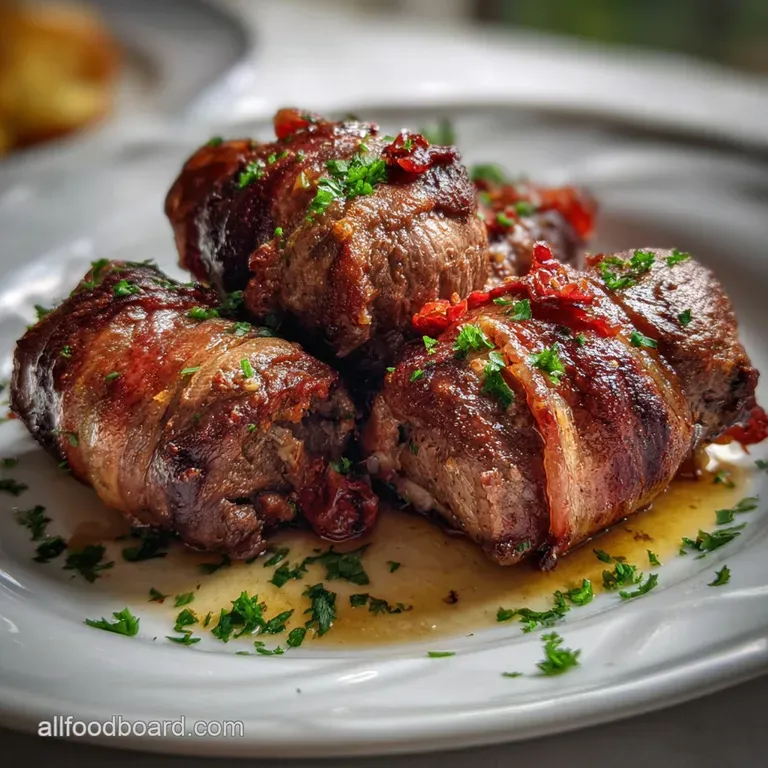
- Effort/Time: 2 hours 15 minutes (Active prep: 30 minutes).
- Flavor Hook: Smoky bacon, sharp Düsseldorf mustard, and acidic pickles create a deep, umami-rich profile.
- Perfect for: Sunday family dinners or a high-protein, make-ahead meal prep.
The Secret to Tender Hearty German Rouladen Flavorful Beef Rolls
Ever pulled a beef roll out of the oven only to find it's as tough as a hiking boot? I’ve been there. My first attempt at Hearty German Rouladen Flavorful Beef Rolls was a disaster I didn't understand the relationship between muscle fiber and braising time.
I thought "thin beef" meant "quick cook," but top round is a hardworking muscle that needs patience to break down.
The magic happens when you hear that first aggressive sizzle in your Lodge Cast Iron Skillet. That sound is the Maillard reaction beginning to build the foundation of your gravy.
This recipe isn't just about rolling meat; it's a scientific process of using acetic acid (from mustard and pickles) to weaken protein bonds while the fat from the bacon lubricates the lean beef from the inside out. Let's get into why these Flavorful Beef Rolls actually work.
The Science of Why it Works
- Acidic Tenderization: The acetic acid in Düsseldorf mustard and pickle brine denatures surface proteins, allowing moisture to penetrate the beef fibers.
- Collagen Conversion: Long form braising at low temperatures converts tough connective tissue (collagen) into silky gelatin, creating a velvety mouthfeel.
- Intermuscular Fat Mimicry: Top round is lean; the thick cut bacon provides the necessary lipids to "baste" the beef from the interior during the 1 hour 45 mins cook time.
- Maillard Synergy: Searing the rolls and then deglazing with dry red wine creates a complex chain of flavor compounds that water based liquids cannot achieve.
The Science Behind 2 lbs Top Round Beef
- What It Does
- Provides the structural "wrapper" and primary protein base for the dish.
- The Chemistry
- Top round contains high levels of actin and myosin proteins which tighten when heated rapidly but undergo protein denaturation and softening during a slow braise.
- Why This Matters
- Slicing it to 1/4 inch thick ensures the heat penetrates evenly, allowing the internal bacon fat to render at the same rate the beef tenderizes.
The Science Behind Spicy German Mustard (Düsseldorf Style)
- What It Does
- Acts as both a flavor bridge and a chemical tenderizer for the Hearty German Rouladen Flavorful Beef Rolls.
- The Chemistry
- The vinegar content acts as a mild surfactant, while the mustard seeds provide emulsification properties that help the sauce cling to the meat.
- Why This Matters
- It creates a piquant barrier that prevents the beef from drying out while infusing the interior with a sharp, acidic counterpoint to the rich gravy.
The Science Behind Dry Red Wine (Pinot Noir or Dry Riesling)
- What It Does
- Deglazes the pan and provides the acidic backbone for the braising liquid.
- The Chemistry
- Ethanol helps dissolve flavor compounds that are not water soluble, while the tannins interact with the beef proteins to enhance the savory "umami" perception.
- Why This Matters
- It cuts through the heaviness of the beef stock and heavy cream, ensuring the Rouladen: Flavorful Beef Rolls from the Heart of Europe have a balanced finish.
Essential Ingredients & Smart Substitutions
To make Hearty German Rouladen Flavorful Beef Rolls that actually taste like a Bavarian tavern, you need specific items. I recommend using Maille Dijon or a true Lowensenf Extra Strong for the mustard to get that authentic bite.
| Original Ingredient | Substitute | Why It Works |
|---|---|---|
| 2 lbs Top Round Beef | Flank Steak | Similar lean profile; must be sliced against the grain to maintain tenderness. |
| 4 tbsp Spicy German Mustard | Dijon Mustard | Provides similar acidity and heat. Note: Slightly more floral than German styles. |
| 6 Slices Thick cut Bacon | Smoked Pancetta | High fat-to-meat ratio provides the same internal basting effect. |
| 1 cup Dry Red Wine | Beef Stock + 1 tbsp Balsamic | Provides acidity and depth without the alcohol content. |
| 2 Large German Dill Pickles | Cornichons | Higher crunch-to-surface area ratio; use 12 15 small ones. |
step-by-step Instructions
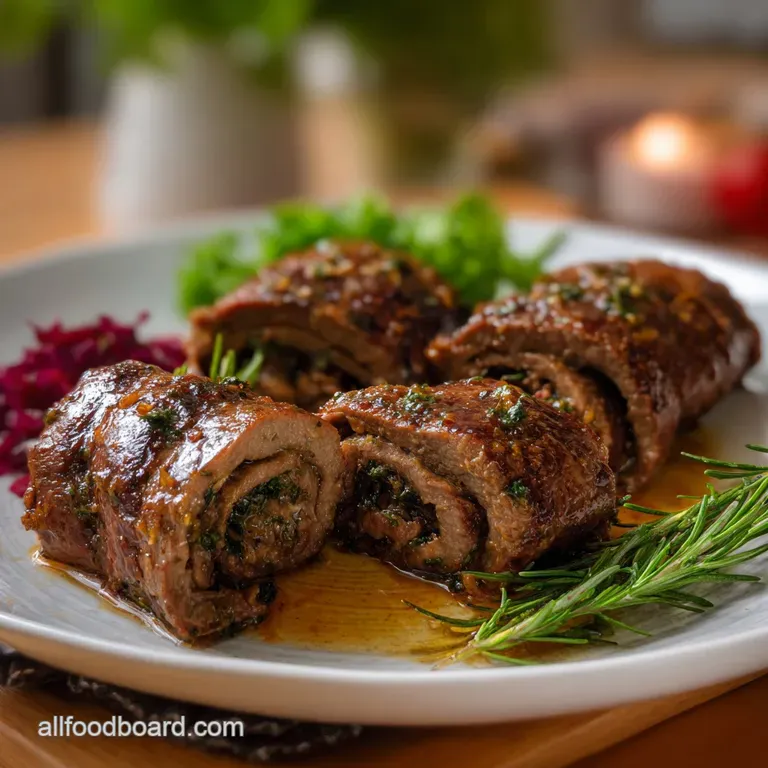
- Prep the Beef. Lay out the 2 lbs top round beef pieces and pat them dry with paper towels. Note: Surface moisture creates steam; drying the beef is essential for a proper Maillard reaction during searing.
- Season and Slather. Sprinkle 1/2 tsp salt and 1/2 tsp freshly cracked black pepper over the meat, then spread 4 tbsp spicy German mustard evenly across one side of each slice. Note: The mustard acts as a glue for the onions and a tenderizer for the fibers.
- Layer the Filling. Place one slice of thick cut smoked bacon, a few long spears of German dill pickles, and a tablespoon of finely diced yellow onion on the mustard covered side. Note: Positioning the fat (bacon) in the center ensures it renders into the leanest part of the beef.
- Roll and Secure. Roll the beef tightly around the filling and secure with kitchen twine or Regency Natural Cooking Twine. Note: A tight roll prevents the aromatic onions from escaping into the braising liquid too early.
- Sear the Rolls. Heat 2 tbsp vegetable oil in a Lodge Cast Iron Skillet over medium high heat. Brown the Hearty German Rouladen Flavorful Beef Rolls on all sides until they sizzle and develop a dark crust. Note: This crust provides the "fond" (browned bits) which is the soul of your gravy.
- Sauté Aromatics. Remove beef; add the finely diced carrot and celery to the skillet. Cook for 5 minutes until soft. Note: This creates a "mirepoix" base that adds natural sweetness to the sauce.
- Deglaze and Braise. Stir in 1 tbsp tomato paste, then pour in 1 cup dry red wine, scraping the bottom of the pan. Add 3 cups low-sodium beef stock and 2 bay leaves. Return beef to the pan. Note: Deglazing releases the concentrated flavor molecules stuck to the skillet.
- Simmer Low and Slow. Cover and simmer for 1 hour 45 mins. Note: This is the critical window for gelatinization—don't rush it.
- Finish the Sauce. Remove beef. Whisk 1 tsp cornstarch with 2 tbsp heavy cream and stir into the simmering liquid until velvety. Note: The cream provides a "mouth coating" fat layer that rounds out the sharp vinegar notes.
Chef's Tip: For the deepest flavor, sear the beef rolls until they are almost "scary dark." That deep mahogany color is where the complexity of these Flavorful Beef Rolls lives. If the pan looks like it's burning, deglaze with a splash of water immediately to save the fond.
For the ultimate experience, pair these German Rouladen: Flavorful Beef Rolls from the Heart of Europe with Homemade Spaetzle Noodles Recipe: Quick German Egg Noodles. The noodles are specifically designed to soak up that heavy cream based gravy.
Troubleshooting & Common Mistakes
| Problem | Root Cause | Solution | Pro Protocol |
|---|---|---|---|
| Beef is tough/chewy | Undercooked; collagen hasn't melted. | Simmer for an additional 20 mins. | Use a ThermoPro Digital Thermometer; meat should be fork tender. |
| Rolls fall apart | Loose rolling or no twine. | Secure with 3 loops of twine. | Tuck the ends of the beef inward like a burrito before rolling. |
| Gravy is too thin | Not enough reduction or thickener. | Increase heat to high for 5 mins after removing meat. | Use the "back of the spoon" test sauce should hold a line. |
Common Myths about Beef Rolls
- Myth: You must use expensive cuts like tenderloin for Rolls from the Heart of Europe.
- Truth: Expensive, lean cuts will actually dry out. The "tougher" top round is necessary because it holds its shape during the 1 hour 45 mins braise while releasing flavor.
- Myth: Pickles in meat are "weird" or will make the whole dish sour.
- Truth: The pickle acidity is almost entirely neutralized by the beef fat and stock, leaving behind only a subtle brightness that cuts through the rich Hearty German Rouladen.
Storage, Freezing, and Reheating
German Rouladen: Flavorful Beef Rolls from the Heart of Europe actually taste better on day two. As they sit, the flavors of the smoked bacon and mustard meld into the beef fibers.
- Fridge: Store in an airtight Glasslock container for up to 4 days. Keep the rolls submerged in the gravy to prevent the meat from oxidizing and turning grey.
- Freezer: These freeze beautifully. Place the cooled rolls and sauce in a heavy duty freezer bag for up to 3 months.
- Reheating: Avoid the microwave it turns the beef rubbery. Instead, place the Flavorful Beef Rolls in a small saucepan with their gravy. Cover and simmer over low heat for 15 minutes until the center of the roll is hot.
If you’re looking for other hearty beef options for a crowd, my Ground Beef Dinner Recipes: Ultimate Savory Cottage Pie Classic uses a similar braising logic but with a mashed potato topping.
Variations of Hearty German Rouladen Flavorful Beef Rolls
- Slow Cooker Method: After searing in the skillet, move everything to a Crock Pot. Cook on low for 6 8 hours. The sauce will be thinner, so you may need 2 tsp of cornstarch at the end.
- Pork Rouladen: Substitute the beef for thin sliced pork loin. Reduce the braising time to 1 hour to prevent the leaner pork from shredding.
- Mushroom Filling: Add sautéed cremini mushrooms inside the Rouladen: Flavorful Beef Rolls from the Heart of Europe for an extra earthy punch.
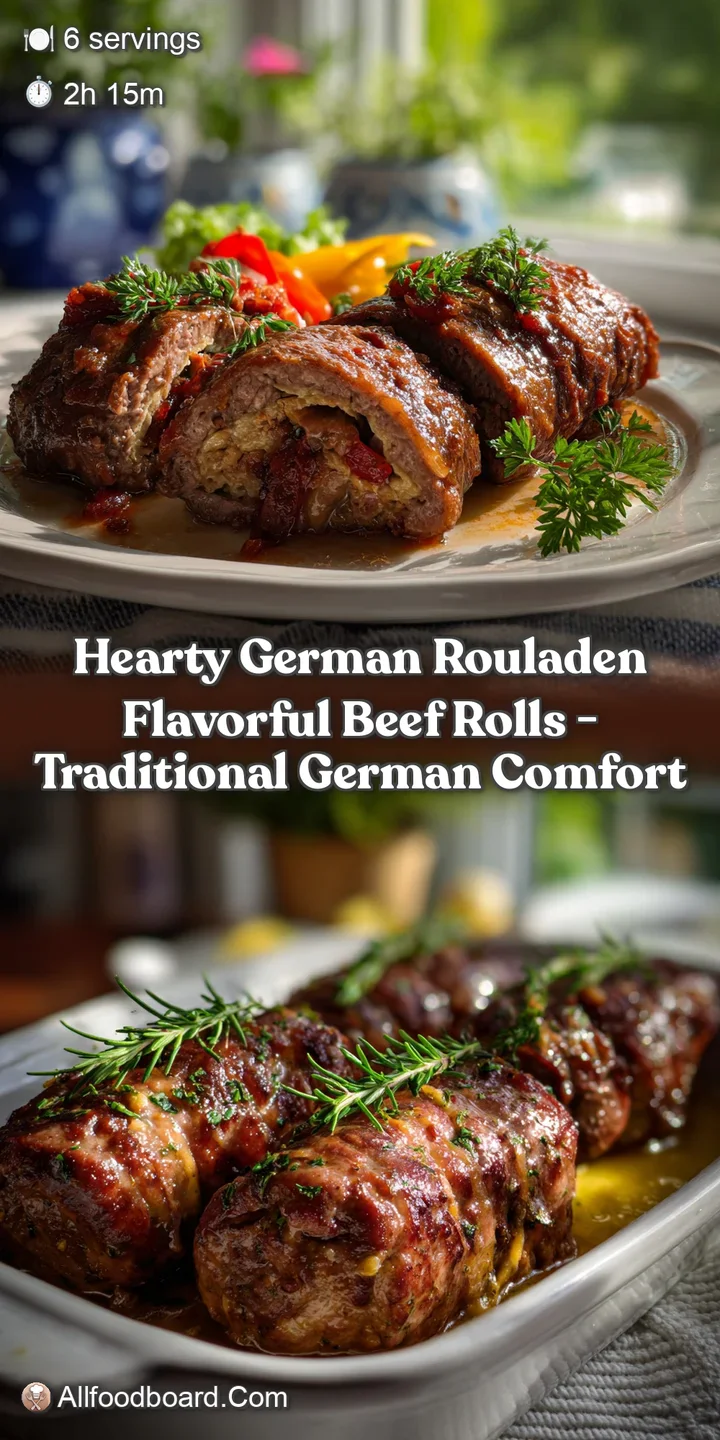
Cooking Hearty German Rouladen Flavorful Beef Rolls is a labor of love, but the payoff is a dish that feels like a warm hug from a German grandmother. The combination of the "shatter" of the initial sear and the "velvety" finish of the sauce makes this a masterclass in home cooking.
Grab your Lodge skillet and start rolling!
Recipe FAQs
What is the ideal cut of beef for Rouladen?
Top round is standard for optimal tenderness. This lean cut benefits significantly from the pounding and acidic marinade inherent in the process, similar to how tough cuts soften in recipes like the Hearty Birria Recipe: Your New Best Homemade Tacos Adventure!. Thin slicing minimizes cooking time while maximizing surface area for filling adhesion.
Should I brown the rouladen before braising?
Yes, searing builds crucial flavor depth. Maillard reaction occurs rapidly on the surface proteins, creating complex, savory notes absent if only boiled. This step seals in the juices before the long, slow tenderization process begins.
Can I use Dijon mustard instead of Düsseldorf mustard?
Use Düsseldorf mustard for traditional tang. Dijon is noticeably milder and sweeter, changing the essential sharp counterpoint to the rich bacon and beef. The sharpness of Düsseldorf is key to balancing the overall profile.
Why is my sauce thin after braising?
Not enough roux or insufficient reduction caused thinness. The starch from the initial flour dusting must cook out completely, or the flour remains pasty; continued simmering concentrates flavor and thickens the liquid naturally.
- Ensure enough beef fond is scraped up
- Whisk in a slurry of cornstarch/water if desperate
- Let the sauce simmer uncovered for 15 minutes
Do I need to pound the beef thinner than 1/4 inch?
No, 1/4 inch is the structural maximum for rolling. Pounding thinner compromises the meat’s integrity, risking tearing when rolled tightly around the filling. Thicker meat will remain tough despite braising time.
Is this beef dish similar to pot roast?
No, Rouladen involves rolling and stuffing meat. Pot roast typically uses a large, single cut of beef cooked whole, whereas this recipe requires individual slicing, pounding, filling, and rolling before braising. For another slow cooked beef meal, see the recipe for Classic Sunday roast beef Roast beef My Easy Guide.
Myth: I can skip soaking the onions for the filling.
Myth: I can skip soaking the onions for the filling. Reality: Raw, strong onions release sulfur compounds during cooking, creating off-flavors in the gravy. Quick soaking in cold water removes harsh alliums, yielding a sweeter base flavor.
Hearty German Rouladen Beef Rolls
Ingredients:
Instructions:
Nutrition Facts:
| Calories | 442 kcal |
|---|---|
| Protein | 47.2 g |
| Fat | 23.8 g |
| Carbs | 8.4 g |
| Fiber | 1.2 g |
| Sugar | 3.1 g |
| Sodium | 915 mg |
