Haitian Spaghetti with Smoky Sausage
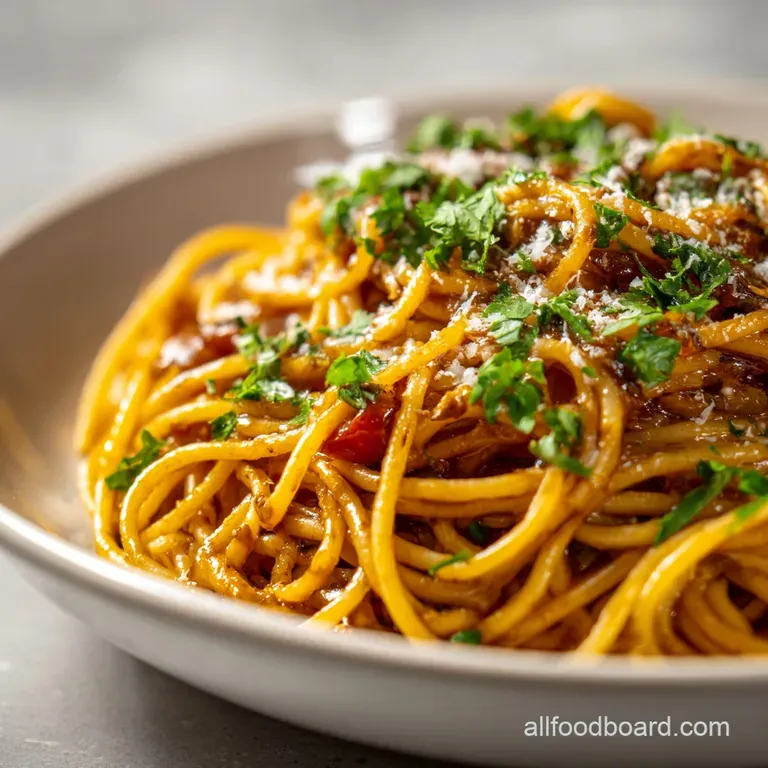
- Time: Active 10 minutes, Passive 15 minutes, Total 25 minutes
- Flavor/Texture Hook: Savory, smoky sausages meets a silky, mahogany hued sauce with a hint of creeping heat.
- Perfect for: High energy weekend breakfasts, busy weeknight dinners, or meal prep warriors.
- Crafting the Ultimate Authentic Haitian Spaghetti Recipe
- The Secrets to Flavor Layers
- Component Analysis Deep Dive
- Essential Ingredients and Smart Swaps
- Minimal Tools for Quick Cleanup
- Simple Steps for Weeknight Success
- Troubleshooting for Flawless Results
- Variations for Different Diets
- Cooking for a Crowd
- The Truth About Haitian Pasta
- Storage and Reheating Guidelines
- Creative Serving and Pairing Ideas
- Recipe FAQs
- 📝 Recipe Card
Crafting the Ultimate Authentic Haitian Spaghetti Recipe
Imagine walking into a kitchen in Port au-Prince on a humid Saturday morning. The first thing that hits you isn't the coffee - it's the aggressive, mouth watering sizzle of sliced sausages hitting a hot pan.
Then comes the aroma of Epis, that green, garlicky soul of Haitian cooking, hitting the oil and releasing a scent so potent it practically drags you to the table. This isn't just a pasta dish; it's a sensory wakeup call that I've leaned on for years when I need a meal that feels like a warm hug but punches like a heavyweight champion.
I remember the first time I tried to make this for my friends. I thought I knew how to make spaghetti, but I was so wrong. I treated it like an Italian marinara, and it was a flat, watery disappointment. My friend's mom took one look at my pale noodles and just shook her head.
She taught me that the secret isn't in the boiling, but in the frying. You have to be brave with the tomato paste and patient with the aromatics. Now, it's the most requested meal in my house, and I've finally nailed the shortcuts that make it possible even on a chaotic Tuesday morning.
This recipe is about building layers of flavor in a single skillet with minimal fuss. We aren't using ten different pots and pans here. We want that concentrated, savory depth that only comes from knowing exactly when to add the pasta water and how to handle a Scotch Bonnet pepper without turning your kitchen into a tear gas chamber.
Trust me, once you see that "mahogany" color on the sauce, you'll never look at a box of spaghetti the same way again. It's brilliant, it's fast, and it's about to become your new obsession.
The Secrets to Flavor Layers
The Physics of the Mahogany Base: Frying the tomato paste in oil triggers the Maillard reaction, concentrating sugars and acids into a deep, savory umami base that coats the noodles. This dehydration step prevents the sauce from being watery and ensures a velvety, lacquer like finish.
- Maillard Concentration: By cooking the tomato paste until it turns a dark brick red, you're eliminating the metallic "raw" tin taste and replacing it with a complex, roasted sweetness.
- Aromatic Infusion: The vegetable oil acts as a solvent, pulling fat soluble flavor compounds out of the Epis (garlic, peppers, herbs) and distributing them evenly across the starch.
- Starch Emulsification: That 0.25 cup of reserved pasta water contains dissolved amylose, which binds the oil and tomato base into a creamy sauce that clings to the spaghetti rather than sliding off.
- Capsaicin Control: Leaving the Scotch Bonnet whole allows the heat carrying oils to perfume the steam without the intense fire of the seeds, creating a "creeping heat" rather than an immediate burn.
| Method | Time | Texture | Best For |
|---|---|---|---|
| Traditional Stovetop | 25 minutes | Silky, coated, and snappy | Daily meals and authentic breakfast |
| Baked (Au Gratin) | 40 minutes | Crispy edges and chewy top | Potlucks or feeding a larger crowd |
| One Pot Method | 20 minutes | Starchier, softer noodles | Maximum time saving and minimal cleanup |
If you're looking for a different spin on a quick meal, the technique of emulsifying sauces is quite similar to what you'll find in my One Pan Skillet Spaghetti recipe. Both rely on that starch heavy pasta water to create a professional finish.
Component Analysis Deep Dive
| Ingredient | Science Role | Pro Secret |
|---|---|---|
| Tomato Paste | Umami & Color | Fry it until it looks like mahogany; don't just "warm" it up. |
| Haitian Epis | Aromatic Foundation | Use a version with extra cloves for that authentic, warming back note. |
| Reserved Water | Emulsifier | Never toss the water; it's the glue that turns oil into a "sauce." |
Essential Ingredients and Smart Swaps
- 1 lb spaghetti: The classic choice. Use a standard dry variety rather than fresh for the best texture.
- 1 tbsp salt: Essential for the pasta water to season the noodles from the inside out.
- 225g smoked sausages: These provide the salt, fat, and smoke.
- Why this? The smoke permeates the entire dish, creating a base layer of savory depth.
- Sub: Hot dogs or spicy andouille (Note: Hot dogs are softer, while andouille adds more kick).
- 2 tbsp vegetable oil: A neutral fat that won't compete with the Epis.
- 2 tbsp Haitian Epis: The holy trinity of garlic, scallions, bell peppers, and herbs.
- Sub: A blend of minced garlic, scallions, and parsley if you're in a pinch.
- 3 tbsp tomato paste: Provides the body and rich color.
- 0.5 yellow onion: Thinly sliced for sweetness and texture.
- 0.5 green bell pepper: Adds a fresh, grassy crunch.
- 1 Scotch Bonnet pepper: The source of the iconic Caribbean aroma.
- Sub: Habanero pepper (Note: Similar heat level but slightly more floral/fruitier profile).
- 1 tsp chicken bouillon powder: The "secret" salt and MSG boost that many Haitian households swear by.
- 0.25 cup reserved pasta water: The liquid gold for your sauce.
Minimal Tools for Quick Cleanup
You really don't need a kitchen full of gadgets for this. A standard large pot for the pasta and one wide, deep skillet are the heroes here. I prefer a 12 inch stainless steel or cast iron skillet because they hold heat beautifully, which is vital when you're trying to fry that tomato paste and get a nice sear on the sausages.
A simple colander and a pair of tongs (like those from OXO) are my go tos. Tongs are much better than a spoon for this because they allow you to toss the noodles vigorously in the sauce, ensuring every single strand gets coated in that mahogany goodness.
If you don't have a blender for the Epis, a mortar and pestle works, but for the busy cook, a small food processor is a lifesaver.
Simple Steps for Weeknight Success
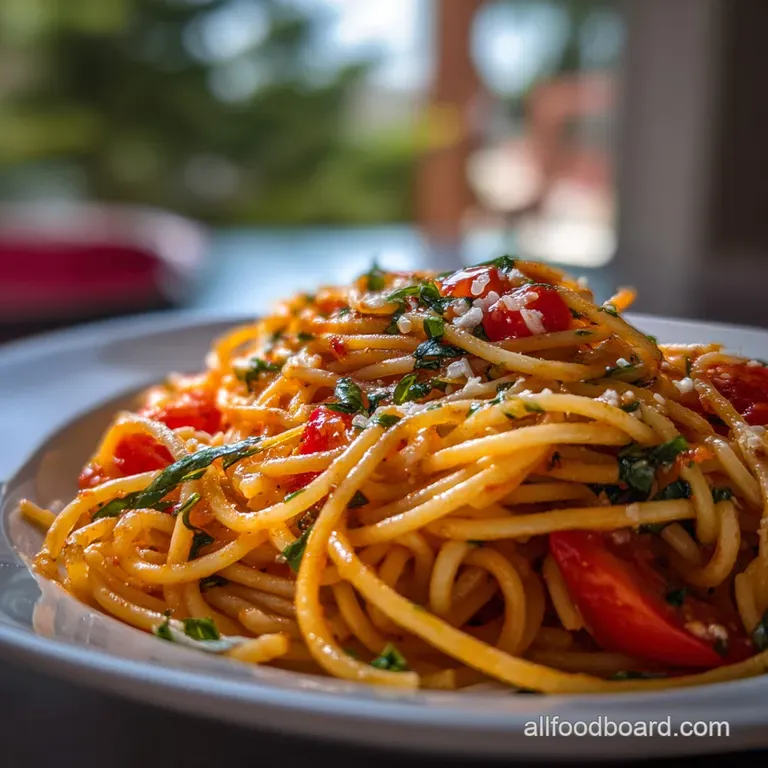
1. Par Boil the Pasta
Bring a large pot of water to a boil with 1 tbsp salt. Add 1 lb spaghetti and cook for exactly 8 minutes until slightly undercooked (al dente). Note: The pasta will finish cooking in the sauce later, so don't let it get mushy now.
2. Render the Protein
While the pasta boils, heat 2 tbsp vegetable oil in your large skillet over medium high heat. Add 225g smoked sausages and sauté for 4 minutes until edges are browned and slightly curled.
3. Build the Mahogany Base
Push the sausages to the side and add 3 tbsp tomato paste to the center of the pan. Fry the paste for 3 minutes, stirring constantly, until it darkens into a deep mahogany red.
4. Layer the Aromatics
Stir in 2 tbsp Haitian Epis and 1 tsp chicken bouillon powder. Add 0.5 yellow onion and 0.5 green bell pepper, sautéing for 2 minutes until the onions are translucent but still have a bite.
5. Infuse the Heat
Toss in the whole Scotch Bonnet pepper. Note: Be careful not to puncture it if you want the flavor without the intense spice.
6. The Emulsion & Finish
Add 0.25 cup reserved pasta water to the skillet, scraping the bottom of the pan to release all the flavor. Add the cooked spaghetti and toss vigorously until the sauce is velvety and clings to the noodles.
7. Final Seasoning Check
Taste a noodle. If it needs more punch, add a tiny pinch more bouillon or salt. Remove the Scotch Bonnet before serving until you see the steam rising and the sauce is glowing.
Troubleshooting for Flawless Results
The Sauce Is Too Dry
This usually happens if the heat was too high or you didn't save enough pasta water. Without that liquid, the tomato paste just clumps and won't coat the noodles.
The Pasta Is Mushy
Over boiling in the first step is the culprit. Since we toss the noodles in the hot sauce for a few minutes at the end, they continue to absorb moisture. Always aim for "undercooked" in the pot.
| Problem | Root Cause | Solution |
|---|---|---|
| Dull Flavor | Raw tomato paste | Fry the paste longer until it smells sweet and darkens significantly. |
| Intense Heat | Punctured pepper | Keep the Scotch Bonnet whole and remove it gently with tongs. |
| Sticky Noodles | Lack of agitation | Toss the pasta immediately and vigorously when adding to the sauce. |
Common Mistakes Checklist
- ✓ Save the pasta water before draining! I've forgotten this more times than I'd like to admit.
- ✓ Don't cut the Scotch Bonnet unless you want a four alarm fire in your mouth.
- ✓ Preheat your skillet for at least 2 minutes before adding the oil and sausages.
- ✓ Use smoked sausages, not raw ones. The smoke is vital for the authentic profile.
- ✓ Keep the heat on medium high for the "frying" phase to get that Maillard reaction.
Variations for Different Diets
If you're feeling adventurous, there is a legendary variation known as "Espageti ak Aransò" which uses smoked herring instead of sausage. It's incredibly savory and salty, much like the depth you'd find in My Family's Favorite recipe.
Budget Friendly Alternatives
| Premium | Budget | Flavor Impact | Savings |
|---|---|---|---|
| Smoked Andouille | Hot Dogs | Sweeter, softer texture | Save $3-5 |
| Fresh Scotch Bonnet | Red Pepper Flakes | Less floral, sharp heat | Save $1.50 |
| Homemade Epis | Dried Italian Herb Mix | Less vibrant, more earthy | Save $2 |
Vegan Friendly Plant Based Options
You can easily make this vegan by swapping the smoked sausages for smoked tofu or a plant based sausage. Use a vegetable bouillon instead of chicken bouillon. The technique remains exactly the same the key is the smoked flavor and the fried tomato paste.
The "Aransò" (Herring) Version
For a truly traditional "Aransò" version, you would soak smoked herring fillets to remove excess salt, then shred them and fry them exactly like the sausages. It's a fishy, salty, umami bomb that is a favorite in many Haitian households.
Cooking for a Crowd
Scaling Down (1-2 People): If you're cooking for one, reduce the spaghetti to 0.5 lb but keep the Epis at 1.5 tbsp. Spices and aromatics don't always scale linearly; you still need that punchy base. Use a smaller skillet so the sauce doesn't evaporate too quickly.
Scaling Up (8-10 People): When doubling the recipe, do not double the salt or bouillon immediately. Start with 1.5x and taste. You'll also need a very large pot for the pasta and potentially two skillets to ensure the tomato paste actually fries rather than steams.
The Truth About Haitian Pasta
Searing the sausage does not "seal in juices." It simply creates a crust through the Maillard reaction that adds a smoky, savory flavor to the oil, which then seasons the entire dish. The moisture loss in the sausage is actually what allows the outside to get that nice "snap."
Adding oil to the pasta water is a waste. It won't prevent sticking; it just floats on top and then gets poured down the drain. To prevent sticking, just use a large enough pot and stir the spaghetti a few times during the first 2 minutes of boiling.
Tomato paste doesn't need to "cook out" for hours. While Italian sauces benefit from long simmers, this Haitian style relies on over high heat frying. Three to five minutes in hot oil achieves the same acidity reduction and flavor concentration.
Storage and Reheating Guidelines
Storage: This spaghetti keeps beautifully in the fridge for up to 3 days. In fact, many people argue it tastes better the next day because the flavors have more time to penetrate the pasta strands. Store it in an airtight glass container to prevent the tomato sauce from staining your plastic ones.
Freezing: I don't recommend freezing this dish. Pasta often becomes grainy and mushy upon thawing, and the sausages can lose their firm texture. It's so quick to make fresh that freezing isn't really worth the quality trade off.
Reheating: To maintain the texture, avoid the microwave if possible. Instead, toss the leftovers in a skillet with a splash of water or a tiny bit of oil over medium heat. This "refries" the noodles slightly and brings the sauce back to its silky state.
Zero Waste Tip: Don't throw away the ends of your onions or peppers! Keep a bag in the freezer for veggie scraps. When the bag is full, boil them down to make a quick vegetable stock that can replace the water in your next batch of Epis or rice.
Creative Serving and Pairing Ideas
In Haiti, this is often served with a side of hard boiled eggs or even a few slices of fresh avocado. The creamy, fatty avocado is the perfect foil for the salty, smoky spaghetti. If you're serving this for dinner, a simple side of fried plantains (banan peze) adds a sweet and starchy element that rounds out the meal perfectly.
If you're looking for more comfort food that uses pasta in unique ways, you might enjoy the textures in a Cheesy Spaghetti Squash recipe. It offers a similar "coated" feel but with a lighter, vegetable forward base. Alternatively, for something with a bit more of a Southern American kick, my Spicy Chicken Spaghetti recipe uses a similar heat profile but in a creamy, baked format.
Recipe FAQs
What is the difference between Haitian spaghetti and regular spaghetti?
It is primarily the sauce base and preparation technique. Regular spaghetti usually involves a slow simmered marinara or meat sauce, whereas Haitian spaghetti uses smoked sausage, fried tomato paste (mahogany base), and the unique aromatic paste called Epis.
What does Haitian spaghetti consist of?
It primarily consists of spaghetti noodles, smoked sausages, tomato paste, and a powerful aromatic blend called Epis. The sausages provide a deep, smoky flavor that permeates the entire dish as the pasta finishes cooking in the sauce.
What is the main dish of Haiti?
There is no single designated "main dish," but Rice and Beans (Djon Djon Rice) and Spaghetti are extremely common staples. Haitian spaghetti is the iconic, savory breakfast/brunch staple, often served with fried plantains or avocado.
What kind of sausage is used in Haitian spaghetti?
Smoked sausages are essential; smoked hot dogs or savory/spicy andouille are the best choices. The smoking process is critical because it imparts the necessary depth that defines this recipe's flavor profile.
How do I prevent the tomato paste from tasting metallic?
Fry the tomato paste in hot oil for three minutes until it turns a deep mahogany red. This step concentrates the sugars and eliminates the raw, tinny taste, which is similar to the necessary flavor development when making a rich base for dishes like the Ultimate Creamy Ricotta Baked Spaghetti Casserole.
Should I use fresh or dry spaghetti pasta?
Dry spaghetti is highly recommended for the authentic texture. Dry pasta releases the necessary starch into the water, which you need to emulsify the sauce and make it adhere perfectly to the noodles.
How should I cook the pasta to ensure it finishes perfectly in the sauce?
Cook the spaghetti for exactly 8 minutes in salted boiling water until clearly undercooked. Since the pasta absorbs sauce and continues to soften when tossed in the hot skillet, aiming for slightly less than al dente prevents a mushy final product.
Haitian Spaghetti Recipe
Ingredients:
Instructions:
Nutrition Facts:
| Calories | 655 calories |
|---|---|
| Protein | 22g |
| Fat | 24g |
| Carbs | 87g |
| Fiber | 4g |
| Sugar | 5g |
| Sodium | 780mg |
