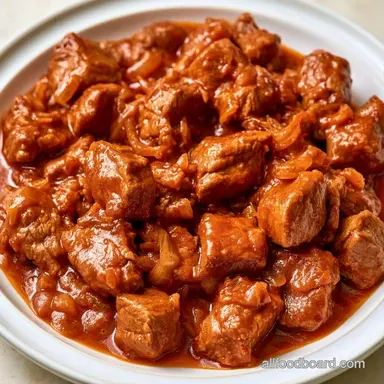
Slow-Cooked German Beef Goulash
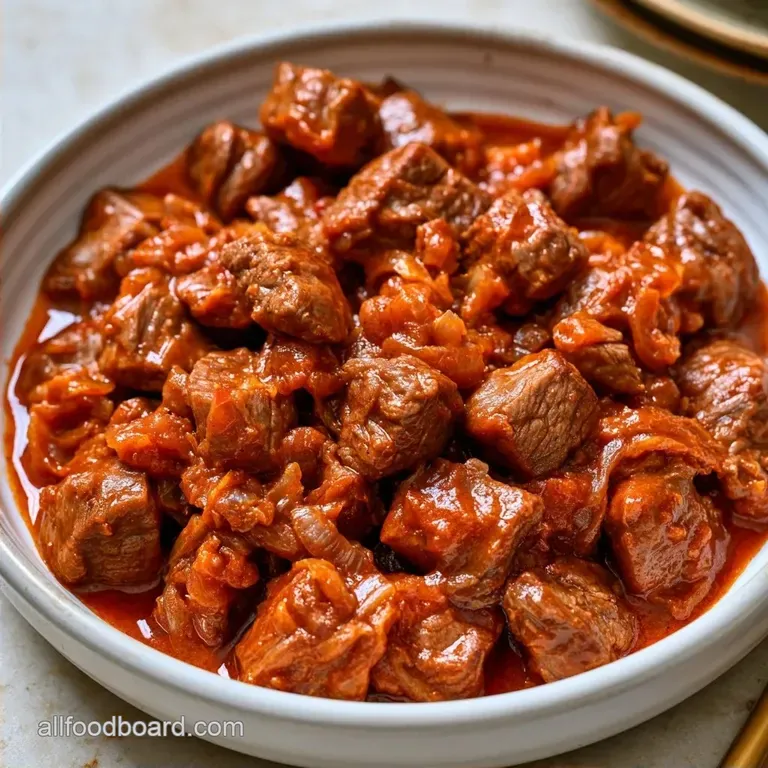
- Time: 20 min active + 2 hours 30 mins simmering
- Flavor/Texture Hook: Deep mahogany gravy with a smoky, caraway scented warmth
- Perfect for: Slow Sunday dinners or meal prep for the week
Why do some stews feel like thin soup while others offer a rich, comforting embrace? I learned the hard way when I tried to speed up the process. I swapped chuck for lean sirloin and slashed the onion count to save time, only to end up with rubbery, gray meat in a pale, watery broth. It was a complete failure.
The beauty of this dish comes from letting the ingredients take their time. From the moment the beef hits the hot oil with a loud sizzle, you're beginning a process that refuses to be rushed. Authentic German Beef Goulash relies on the gradual breakdown of collagen and vegetables to achieve its character.
You can expect a dark, mahogany hued sauce and beef that melts in your mouth. We will build complex layers of taste, starting with the initial sear and finishing with a touch of lemon zest. Believe me, every single minute of waiting pays off.
How the Texture Happens
- The Onion Melt: Using equal weights of beef and onions allows the vegetables to fully disintegrate during the long simmer, producing a thick, glossy gravy without a flour roux.
- Low and Slow Heat: Simmering at a gentle bubble tenderizes the dense fibers of the chuck, turning an inexpensive cut into something succulent and juicy.
The key difference between a rushed stew and a traditional one is often the sauce reduction. A slow simmer enables flavors to deepen and the sauce to thicken naturally.
| Method | Time | Texture | Best For |
|---|---|---|---|
| Classic Stovetop | 2 hours 50 mins | Deeply rich and thick | Traditional Sunday dinner |
| Slow Cooker | 6-8 hours | Very tender, thinner sauce | Hands off cooking |
| Instant Pot | 1 hour 15 mins | Tender, needs reduction | Busy weeknights |
Recipe Quick Stats
This is a hearty meal designed to feed a crowd. Since it's a stew, it actually tastes better the next day, making it a great choice for those who love leftovers.
- Yield: 6 servings
- Prep Time:20 minutes
- Cook Time:2 hours 30 mins
- Total Time:2 hours 50 mins
The Ingredient Breakdown
Before diving into the list, let's examine the purpose of these specific components. In a traditional German Beef Goulash, every ingredient plays a role in balancing the dish's richness.
| Ingredient | What It Does | Best Swap |
|---|---|---|
| Beef Chuck | Gives the stew body and collagen | Stew meat or chuck roast |
| Yellow Onions | Naturally thickens the sauce | White onions (slightly sharper) |
| Hungarian Paprika | Provides base flavor and smoky color | Smoked paprika (more intense) |
| Dry Red Wine | Adds acidity to balance the fats | Extra beef stock + 1 tbsp vinegar |
The Complete Shopping List
For the Beef Base 2.2 lbs beef chuck, cut into 1.25 inch cubes Why this? High collagen ensures the meat stays tender and juicy. 2 tbsp olive oil Why this? Withstands high heat for effective searing. 1 tsp salt 1/2 tsp cracked black pepper
For the Aromatics & Sauce 2.2 lbs yellow onions, finely diced Why this? Key for creating a naturally thick gravy. 3 tbsp sweet Hungarian paprika Why this? Traditional taste, milder than standard paprika. 1 tsp caraway seeds
Why this? Introduces a subtle, earthy anise note. 3 cloves garlic, minced 1 tbsp tomato paste Why this? Provides a touch of umami and depth. 1 cup dry red wine Why this? Used to deglaze the pot and add complexity. 3 cups low
Sodium beef stock Why this? Better for managing salt levels during the long reduction. 1 bay leaf 1 tsp lemon zest Why this? Brightens the heavy flavors at the end.
Chef's Note: If you can't find "Sweet Hungarian" paprika, avoid "Hot" paprika unless you want a spicy kick. A combination of sweet and smoked paprika also works well.
Gear You'll Need
You won't need any specialized equipment, though the right pot is key to success.
- Dutch Oven: A heavy bottomed cast iron pot is perfect for consistent heat.
- Tongs: For turning the beef without piercing it.
- Sharp Chef's Knife: Helpful for all that onion dicing.
- Paper Towels: Necessary for patting the meat dry before searing.
From Prep to Plate
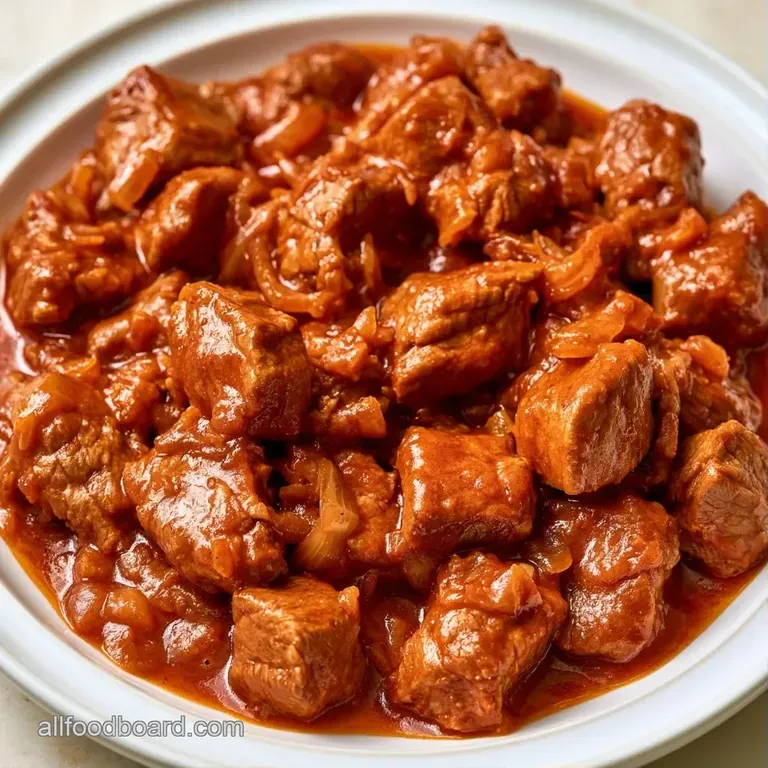
Now, let's start the cooking process. Follow these steps to maximize the depth of flavor.
Phase 1: The Sear (Building the Foundation)
- Thoroughly dry the beef cubes using paper towels. Note: Wet meat steams instead of browning, which ruins the flavor.
- In your Dutch oven, heat the olive oil over medium high heat until it begins to shimmer.
- Sear the beef in batches. Cook for 3-5 mins until a deep mahogany crust forms on all sides. Avoid overcrowding the pot.
- Transfer the beef to a plate and set aside.
Phase 2: The Caramelization (Developing Depth)
- Put the diced onions into the same pot. Reduce heat to medium and sauté for 15-20 mins until they are golden brown and translucent.
- Stir in the sweet Hungarian paprika, caraway seeds, minced garlic, and tomato paste. Cook for 1-2 minutes until the spices smell toasted and fragrant.
- Deglaze the pot by pouring in the dry red wine and stirring with a wooden spoon to lift the flavorful residues from the base.
Phase 3: The Low and Slow Simmer
- Return the seared beef and any accumulated juices to the pot.
- Stir in the low sodium beef stock and the bay leaf.
- Cover with a tight fitting lid and simmer on low for 2 to 2.5 hours until the beef is fork tender and the sauce has thickened.
- Remove the bay leaf and stir in the lemon zest just before serving.
Decision Shortcut for the Finish: Extra tang? → add 1 tsp lemon zest. Thicker sauce? → simmer without lid 20 mins. Deeper color? → sear beef longer in step 3.
Fixing Common Sauce Issues
Even with a plan, mistakes can happen. Here are some quick fixes for the most frequent issues encountered when preparing German Beef Goulash.
The Sauce Is Too Thin
This often occurs if the onions didn't sauté long enough or if a tight lid prevented enough steam from escaping. To remedy this, leave the pot uncovered during the final 20 minutes of simmering. Allow the sauce to bubble softly to thicken the liquid and intensify the flavor.
For a faster fix, press a few tender beef pieces into the wall of the pot to stir in more natural starches.
The Paprika Tastes Bitter
Because paprika contains a lot of sugar, it can scorch easily if the pan is too hot during addition. A bitter flavor usually indicates the spice has burned. You can correct this by stirring in a small pinch of brown sugar or an extra splash of red wine.
To prevent this, ensure the heat is lowered to medium or low before you stir in your spices.
The Beef Is Still Tough
If the meat is still rubbery after two hours, the collagen simply hasn't had enough time to break down. Since every cut of meat varies, let it simmer for another 30-40 minutes. Be patient; the meat will suddenly soften and become tender once it reaches the correct internal temperature.
Twist Your Goulash
Feel free to customize this recipe based on the ingredients you have on hand.
The Modern Convenience For a more hands off approach, use a slow cooker or Instant Pot. For the slow cooker, sear the meat and sauté the onions in a pan first, then cook everything on low for 8 hours.
For the Instant Pot, utilize the sauté function for the first 7 steps, then pressure cook for 45 minutes.
Lighter Options To make a lighter version, replace the beef with turkey. I've tried a ground turkey goulash that is excellent for a fast weeknight meal, although it doesn't have the same richness as slow cooked chuck.
A Bavarian Twist Swap the red wine for a wheat beer or a dark German lager. This gives the German Beef Goulash a maltier, earthier character that complements creamy sides perfectly.
Debunking Stew Myths
There are a few things people always say about stews that just aren't true.
"Searing seals in the juices" Searing meat does not seal in juices. Moisture loss happens regardless of whether you brown the meat first. The reason we sear is for the flavor. That deep brown crust adds a savory complexity that you can't get from boiling.
"Lean meat is better for stews" Actually, lean meat like sirloin or round is a mistake for a German Beef Goulash. Lean meats dry out over long cooking times. You need the fat and connective tissue found in chuck to create a juicy result and a velvety texture in the sauce.
Saving and Reusing
This dish is a meal prepper's dream. The flavors continue to develop as the stew sits, so day two is often better than day one.
Storage Guidelines Keep the stew in a sealed glass jar in the cooler for up to 4 days. For longer storage, it freezes beautifully for 3 months. When you freeze it, let some space at the top of the container for the liquid to expand.
Reheating Tips Warm it up on the stove over medium low heat. Add a splash of beef stock or water if the sauce has become too thick in the fridge. Avoid the microwave if possible, as it can overcook the beef and make it tough.
Zero Waste Tips Don't throw away the beef trimmings or the onion skins. You can roast the onion skins and beef scraps with a carrot to make a quick, homemade stock for your next pot of stew.
Serving and Style
The presentation of German Beef Goulash is all about the contrast between the deep red sauce and a pale, fluffy side.
The most traditional pairing is homemade spaetzle, which are small, chewy egg noodles that soak up the gravy. If you want something more rustic, try bread dumplings (Semmelknödel). The dense, bready texture of the dumplings acts like a sponge for the sauce.
For a final touch, garnish with a few thin slices of fresh parsley or a dollop of sour cream. This adds a pop of color and a bit of coolness to balance the smoky heat of the paprika. Serve it in a wide, shallow bowl so you can see that rich, mahogany sheen across the top.
Recipe FAQs
What distinguishes German goulash from the Hungarian version?
German versions focus on a thicker, stew like consistency rather than a soup.
Tip: Use sweet Hungarian paprika to keep the authentic flavor profile.
How to ensure the beef stays tender?
Simmer on low heat for 2 to 2.5 hours until the meat is fork tender.
Tip: Keep the pot covered to maintain a steady, gentle temperature.
Is it true that flour is required to thicken the gravy?
False. The high volume of dissolved onions creates a naturally thick sauce.
Tip: Be patient during the simmer as the onions take time to melt.
Why does this recipe call for equal parts onion and meat?
This ratio allows the onions to dissolve completely into a glossy gravy.
Tip: If you enjoyed mastering the vegetable reduction here, see how a similar slow cooked richness works in our classic bolognese.
Which technique creates the deep mahogany color?
Searing the beef in batches over medium high heat develops the necessary crust.
Tip: Pat the beef cubes completely dry with paper towels before searing.
Can I swap beef chuck for a leaner cut?
Leaner cuts lack the collagen needed to become tender during a slow simmer.
Tip: Stick with beef chuck to ensure the meat doesn't become rubbery.
German Beef Goulash