Easy Dinner Recipe with Roasted Chicken and Veggies
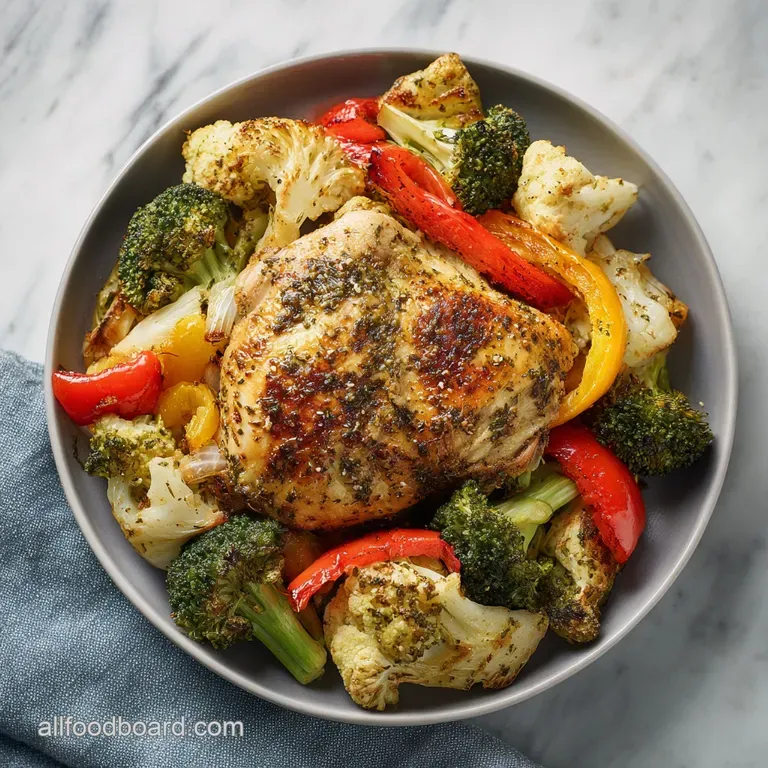
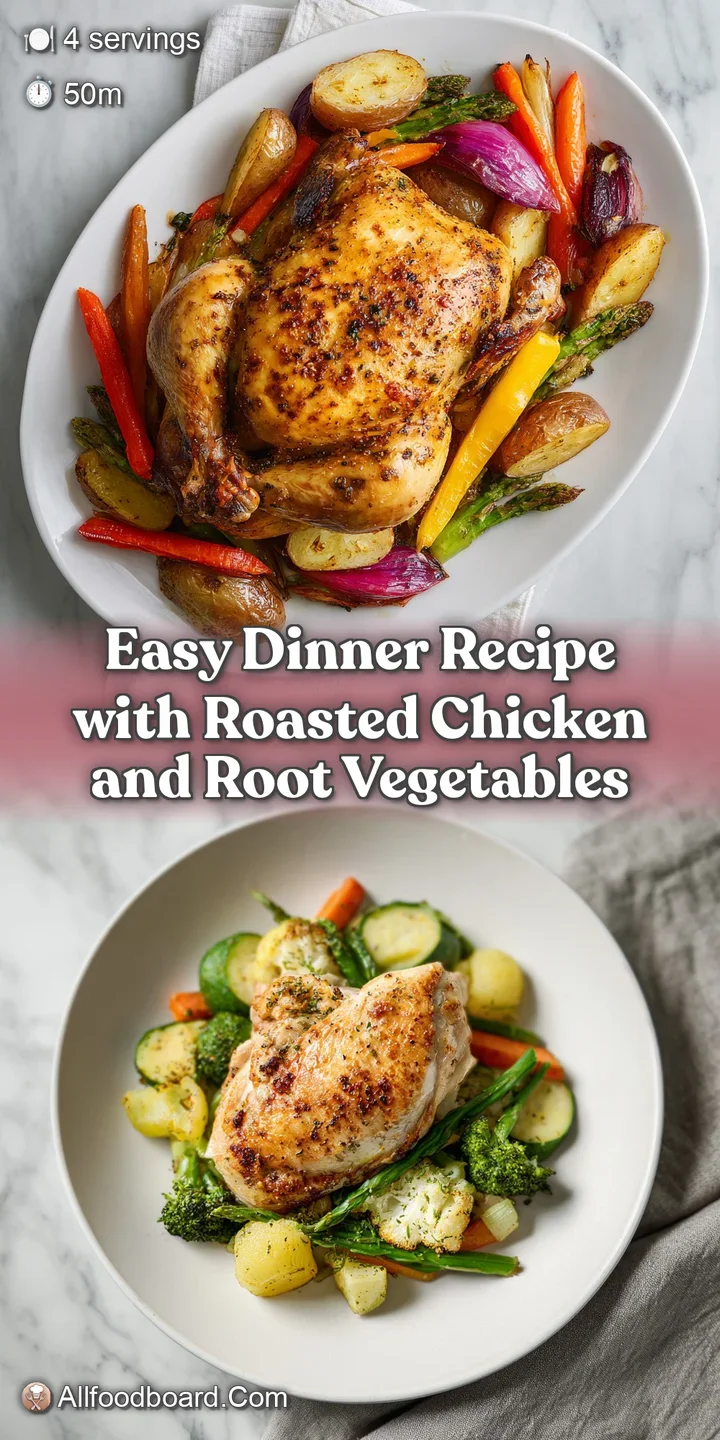
- Time: Active 15 minutes, Passive 35 minutes, Total 50 minutes
- Flavor/Texture Hook: Shatter crisp skin with velvety, schmaltz roasted potatoes
- Perfect for: Stress free weeknight dinners or a cozy Sunday meal prep
- The Best Easy Dinner Recipe with Roasted Chicken
- Mastering the Science of Sheet Pan Roasting
- Breaking Down the Role of Every Ingredient
- Sourcing Your Chicken and Fresh Produce
- Choosing the Best Pan for the Job
- Step-by-Step Guide to a Crispy Bird
- Solutions for Common Cooking Hurdles
- Adapting This Meal for Different Diets
- Scaling the Recipe for Any Crowd
- Debunking Sheet Pan Myths
- Storage & Reheating Guidelines
- Creative Presentation Tips
- Critical Level of Sodium
- Recipe FAQs
- 📝 Recipe Card
The Best Easy Dinner Recipe with Roasted Chicken
There is a specific sound that happens when you pull a sheet pan out of a 400°F (200°C) oven, a frantic, rhythmic sizzle of chicken fat bubbling against the edges of a halved potato. That sound is my favorite part of the week.
I remember the first time I tried this method, I was convinced the carrots would turn to mush while the chicken stayed raw. Instead, the kitchen filled with the aroma of smoked paprika and toasted garlic, and I realized I’d finally found a way to make a whole meal that didn't leave me with a mountain of dishes.
This easy dinner recipe with roasted chicken and vegetables is a complete, flavorful meal in one pan. It’s the kind of cooking I lean on when the day has been long and my brain feels like it has too many tabs open. We aren't doing anything fancy here, but we are doing things correctly.
By the time the timer dings, the chicken skin has reached that golden, paper thin crispness we all crave, and the onions have melted into sweet, jammy ribbons that cling to the roasted carrots.
We've all been there, staring at a pack of chicken thighs and wondering if we should just order takeout. But trust me, this is faster than the delivery driver reaching your door, and the results are infinitely more satisfying.
You get the crunch, the salt, and that hit of lemon juice at the end that wakes up all the heavy flavors. It’s honest, reliable food that makes your house smell like a home.
Mastering the Science of Sheet Pan Roasting
Getting this dish right isn't about luck, it's about managing moisture and heat. When you crowd a pan, you're essentially steaming your food, which is why so many sheet pan meals end up soggy.
- Maillard Reaction Optimization: High heat triggers a chemical reaction between amino acids and reducing sugars, creating that savory, browned crust on the meat.
- Schmaltz Convection: As the chicken thighs heat up, the fat (schmaltz) renders out and pools around the vegetables, effectively shallow frying the bottom of the potatoes.
- Thermal Mass Management: Using bone in, skin on thighs provides a thermal buffer, allowing the meat to stay juicy even at high temperatures that would dry out a lean breast.
- Hygroscopic Salting: Applying salt early draws moisture to the surface of the skin, where it evaporates, leaving the skin dry enough to shatter when roasted.
| Thickness of Chicken | Internal Temp | Rest Time | Visual Cue |
|---|---|---|---|
| Small (5-6 oz) | 165°F (74°C) | 5 minutes | Skin is taut and golden |
| Medium (7-8 oz) | 165°F (74°C) | 7 minutes | Juices run clear when pierced |
| Large (9-10 oz) | 165°F (74°C) | 10 minutes | Bone feels loose in the joint |
While the chicken is the star, the way you cut your vegetables determines if they finish at the same time as the meat. Dense root vegetables like carrots and potatoes need to be in smaller pieces than the onions to ensure everything hits that velvety texture at the exact same moment. If you're looking for a slightly different flavor profile later this week, you might also enjoy the technique used in my How To Roast recipe.
Breaking Down the Role of Every Ingredient
Understanding why we use specific ingredients helps you become a more intuitive cook. Every item on this list has a job to do, whether it's providing structure, fat, or a necessary acidic punch to cut through the richness.
| Ingredient | Science Role | Pro Secret |
|---|---|---|
| Bone in Thighs | Fat & Insulation | The bone prevents the meat from shrinking too fast and keeps it moist |
| Yukon Gold Potatoes | High Starch/Sugar | These caramelize better than Russets and maintain a creamy interior |
| Smoked Paprika | Color & Phenols | Adds a deep red hue and a "charred" flavor without needing a grill |
| Lemon Juice | Protein Denaturation | The acid brightens the fat and makes the chicken fibers feel more tender |
Selecting the right potato is actually a massive deal for this recipe. Yukon Golds are the middle child of the potato world, they have enough starch to get crispy edges but enough waxiness to stay together. If you used a baking potato, it might fall apart into mashed potato territory before the chicken is done.
Sourcing Your Chicken and Fresh Produce
For this recipe with roasted chicken and vegetables, we are using 4 bone in, skin on chicken thighs, which should be about 2 lbs. Look for thighs that have a good amount of skin covering the top. If the skin has been trimmed too far back, the meat will dry out in the oven.
We also need 1 lb of baby Yukon Gold potatoes, which we will halve. For the aromatics, grab 3 large carrots, 1 large red onion, and 4 garlic cloves. The seasoning is simple: 1 tbsp Kosher salt, 1 tsp cracked black pepper, 1 tsp dried oregano, and 1 tsp smoked paprika.
You'll tie it all together with 3 tbsp of extra virgin olive oil and 1 lemon. One half of that lemon gets sliced into rounds to roast with the chicken, and the other half is saved for that crucial hit of fresh juice right before you serve.
Chef Tip: Take your chicken out of the fridge 20 minutes before cooking. If you put ice cold meat into a hot oven, the muscles seize up and push out all their moisture, leaving you with tough chicken.
Choosing the Best Pan for the Job
You don't need a pantry full of gadgets, but a heavy duty rimmed sheet pan is non negotiable here. A flimsy pan will warp in the high heat of a 400°F (200°C) oven, and a pan without a rim will allow that precious chicken fat to drip onto the floor of your oven, causing a smoke alarm situation you definitely want to avoid.
If you have a cast iron skillet that is large enough, that actually works beautifully as well because it holds heat so efficiently. However, for a family of four, a standard half sheet pan is usually the best bet to ensure the vegetables aren't crowded. If you find yourself cooking for a smaller crowd and want something more sauce heavy, you could use a similar prep method for my Garlic Butter Chicken recipe.
step-by-step Guide to a Crispy Bird
1. The Prep & Dry Brine Phase
Preheat your oven to 400°F (200°C). Pat the 4 chicken thighs completely dry with paper towels. Note: Moisture is the enemy of crispiness, so don't skip this. Season the chicken on both sides with half of the salt and pepper.
2. The Vegetable Coating
In a large bowl, toss the halved potatoes, sliced carrots, and red onion wedges with 2 tbsp of the olive oil, the remaining salt, pepper, oregano, and smoked paprika. Note: Ensuring every vegetable is coated in oil helps the spices stick and prevents burning.
3. Creating the Pan Layout
Spread the vegetables in a single layer on your sheet pan. Create four little "nests" for the chicken thighs by pushing the vegetables aside slightly. This ensures the chicken makes contact with the pan.
4. Arranging the Aromatics
Nestle the chicken thighs, skin side up, into the spaces you created. Tuck the 4 smashed garlic cloves and the lemon rounds in between the chicken and vegetables.
5. The First Roast
Slide the pan into the middle rack of the oven. Bake for 20 minutes until the chicken skin begins to turn opaque and the fat starts bubbling.
6. The Vegetable Toss
Carefully pull the pan out and use a spatula to toss the vegetables, ensuring they get coated in the rendering chicken fat. Do not flip the chicken.
7. The Final over High heat Roast
Return the pan to the oven and roast for another 15 minutes until the chicken reaches 165°F (74°C) and the potatoes are fork tender.
8. The Finishing Touch
Squeeze the reserved lemon juice over the entire pan while it’s still hot and sizzling. Let the meat rest on the pan for 5 minutes before serving to let the juices redistribute.
Solutions for Common Cooking Hurdles
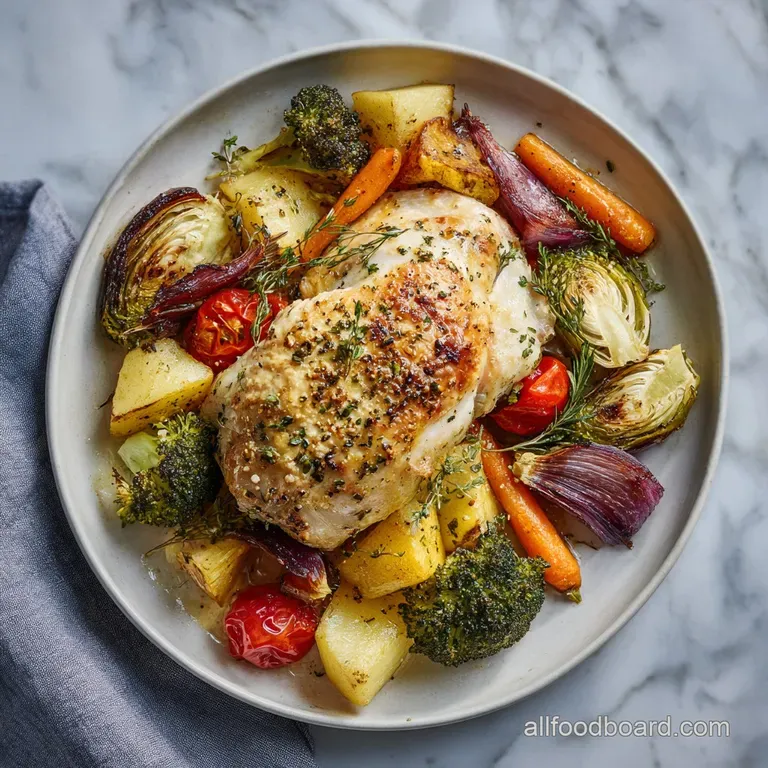
Why Your Chicken Skin is Soggy
This usually happens because of steam. If the vegetables are piled on top of the chicken, or if the chicken was still wet when it went into the oven, the skin will never crisp up. Another culprit is a crowded pan.
If the ingredients are too close together, the moisture they release creates a steam cloud instead of evaporating.
Fixing Burnt Garlic or Onions
Garlic is delicate. If you mince it, it will burn and turn bitter long before the chicken is done. That’s why we use smashed whole cloves. If you notice your onions are browning too fast, you can tuck them under the chicken thighs midway through cooking to shield them from the direct heat.
| Problem | Root Cause | Solution |
|---|---|---|
| Rubbery Skin | Not enough heat | Increase oven to 425°F (220°C) for the last 5 minutes |
| Dry Meat | Overcooking | Use a meat thermometer and pull at 160°F (71°C); carryover heat will do the rest |
| Pale Veggies | Not enough oil | Ensure every piece is glistening with oil before roasting |
Common Mistakes Checklist
- ✓ Never wash your chicken, just pat it dry to avoid spreading bacteria and to ensure crispy skin.
- ✓ Ensure the oven is fully preheated before the pan goes in, otherwise the fat melts slowly and the meat gets tough.
- ✓ Don't use a glass baking dish, they don't conduct heat as well as metal and won't give you the same browning.
- ✓ Cut the carrots into rounds, not long sticks, to make sure they soften in time.
- ✓ Let the chicken rest, if you cut it immediately, the velvety juices will end up on the pan instead of in the meat.
Adapting This Meal for Different Diets
This dinner recipe with roasted chicken and vegetables is naturally gluten-free, which makes it a safe bet for most dinner guests. But what about other needs? You can easily pivot this dish to fit different lifestyles without losing that "comfort food" feeling.
For a Low Carb/Keto Twist
Swap the Yukon Gold potatoes for cauliflower florets or radishes. Roasted radishes lose their spicy bite and become surprisingly similar to potatoes in texture. You might need to reduce the cook time for the vegetables by about 5 minutes, as cauliflower softens faster than a potato.
For an Easy Roast Chicken Breast and Veggies Swap
If you prefer white meat, you can use bone in, skin on chicken breasts. Since breasts are leaner and often larger, I recommend starting them on the pan 5-10 minutes before adding the vegetables.
This prevents the veggies from overcooking while the thickest part of the breast reaches temperature.
| Original Ingredient | Substitute | Why It Works |
|---|---|---|
| Yukon Gold Potatoes | Parsnips | Similar earthy sweetness. Note: Parsnips brown faster due to higher sugar content |
| Chicken Thighs | Drumsticks | Same fat content and cook time. Note: Harder to get even skin crisping on all sides |
| Smoked Paprika | Cumin & Chili Powder | Shifts flavor toward a smoky southwestern profile |
If you are looking for a completely different vibe using similar ingredients, you could look into a Zesty Chicken with recipe which uses a bright herb sauce to change the entire mood of the plate.
Scaling the Recipe for Any Crowd
When you want to double this recipe with roasted chicken and vegetables, don't just pile everything onto one pan. Two pans are better than one. If you crowd a single pan with 8 thighs and 2 lbs of potatoes, you will end up with a soggy mess.
Use two separate sheet pans and rotate them between the top and bottom racks halfway through the cooking time.
When scaling down for one or two people, a smaller 9x13 metal pan works perfectly. You can keep the spice ratios the same, but keep an eye on the cooking time. Smaller amounts of food often cook slightly faster because there is more air circulation around the ingredients.
- To Scale Up (2x): Use two sheet pans. Rotate the pans from top to bottom at the 20 minute mark to ensure even browning.
- To Scale Down (1/2x): Use a smaller pan to keep the vegetables from spreading too thin and burning.
- Spice Adjustments: When doubling, you don't always need to double the salt. Start with 1.5x the salt and taste a vegetable at the end before adding more.
Debunking Sheet Pan Myths
A common misconception is that you should flip the chicken halfway through. Please, don't do this. If you flip the chicken skin side down, it will sit in the juices and turn into a rubbery, unappealing texture. The goal is to keep that skin exposed to the dry heat of the oven the entire time.
Another myth is that you need to marinate the chicken for hours. While a marinade adds flavor, the moisture in a marinade actually makes it harder to get that shatter crisp skin. A dry rub with salt and spices is much more effective for this specific roasting method.
The flavor comes from the high heat and the caramelization, not a soak in a bag.
Finally,, some people think you have to peel the potatoes. The skin of a Yukon Gold is so thin that it actually adds a lovely texture and holds the potato together. Plus, most of the nutrients are in or just under the skin, so leave it on and save yourself the prep time.
Storage & Reheating Guidelines
If you have leftovers of this recipe with roasted chicken, they stay delicious in the fridge for up to 3 days. Store them in an airtight container once they have cooled completely. For the best texture, avoid the microwave when reheating. Microwaves make the chicken skin rubbery and the potatoes mushy.
Instead, put everything back on a sheet pan and bake at 350°F (180°C) for about 10 minutes. This brings back some of that original crunch.
Don't let anything go to waste. Those chicken bones are gold. I keep a bag in the freezer for "scrap" bones and vegetable ends (like the carrot peels and onion tops from this recipe). When the bag is full, I throw it all in a pot with water and simmer it for a few hours.
You’ll end up with a homemade chicken stock that is better than anything you can buy in a carton. You can even use the leftover roasted vegetables to thicken a quick soup or mash them into a unique side dish for the next day's lunch.
Creative Presentation Tips
You've done the work, now make it look like a restaurant meal. Instead of just scooping everything into a bowl, try plating with purpose. Use a large, flat platter and spread the roasted vegetables across the bottom. Place the chicken thighs on top, making sure they aren't buried.
This keeps the skin crispy even as it sits on the table.
Garnish is your best friend here. A handful of fresh parsley or some torn basil leaves adds a pop of green that contrasts beautifully with the deep oranges and browns of the roast. If you have any extra lemon wedges, scatter them around the platter.
It signals to your guests that there is a hit of acidity waiting for them.
For a little extra "wow" factor, drizzle a tiny bit of high-quality honey over the carrots right before serving. The honey plays off the smoked paprika and the salty chicken skin in a way that feels very intentional and high end, even though it took you two seconds.
This simple addition transforms a humble weeknight meal into something you’d be proud to serve at a dinner party.
Critical Level of Sodium
1180 mg 1180mg of sodium per serving (51% 51% of daily value)
The American Heart Association recommends limiting sodium intake to no more than 2,300mg per day for most adults. Ideally, aiming for 1,500mg per day is even better for heart health.
Tips to Reduce Sodium in This Recipe:
-
Reduce Added Salt-25%
The recipe currently uses 1 tbsp of Kosher salt. Reduce this to 1/2 tbsp (or less, to taste) or eliminate it entirely and rely on other seasonings. You can always add a pinch at the end if needed. This will significantly reduce the sodium content.
Consider using a salt substitute that contains potassium chloride.
-
Enhance with Lemon-15%
This recipe already includes lemon, which is great! Increase the lemon juice used to brighten the flavors and reduce the need for salt. Use the juice of the entire lemon rather than just half. Lemon juice naturally enhances the savory flavor of the dish.
-
Skin Removal Option-10%
While the skin contributes to flavor, a portion of the sodium can reside in the skin, especially if the chicken was pre-treated. Consider removing the skin from half the chicken thighs before cooking to reduce sodium and fat. This is especially helpful if the chicken was purchased from the store.
-
Spice It Up!
Experiment with other sodium free herbs and spices like garlic powder, onion powder, thyme, rosemary, or a pinch of red pepper flakes to boost the flavor without adding sodium. Fresh herbs are always a great, flavorful option!
Recipe FAQs
Can I use chicken breasts instead of thighs for this recipe?
Yes, but adjust the cooking time. Boneless breasts cook faster, so add them to the pan 5-10 minutes after the vegetables start roasting to prevent drying them out.
How do I ensure the chicken skin gets truly crispy?
Pat the chicken completely dry before seasoning. Moisture turns to steam in the oven, preventing the Maillard reaction that creates crispness, which is the same principle we use for developing flavor crusts in our How To Make recipe.
Should I toss the vegetables halfway through roasting?
Yes, toss the vegetables, but do not flip the chicken. Tossing ensures the vegetables pick up the rendered chicken fat, while flipping the chicken skin side down will steam it and ruin the crisp texture.
Can I prep the ingredients the day before?
Yes, this is highly recommended for flavor development. Chop all vegetables and salt/dry brine the chicken up to 24 hours ahead of time; keep them separate and uncovered in the fridge overnight.
What is the best internal temperature to cook the chicken to?
Pull the chicken from the oven at 160°F (71°C). Carryover cooking will raise the temperature safely to 165°F (74°F) while it rests, ensuring juicy meat.
Is it true that metal pans brown better than glass pans?
Yes, metal conducts heat much more efficiently. Use a heavy duty, light colored metal sheet pan for the best browning results and to prevent the edges from scorching too quickly.
What side dish pairs well with this simple roast?
A bright, acidic starch works perfectly to balance the rich fat. This meal would pair excellently with a simple, tangy starch like our Quick Garlic Chicken Pasta recipe.
Easy Roasted Chicken Dinner
Ingredients:
Instructions:
Nutrition Facts:
| Calories | 568 calories |
|---|---|
| Protein | 27.4 g |
| Fat | 29.2 g |
| Carbs | 28.5 g |
| Fiber | 4.6 g |
| Sugar | 5.1 g |
| Sodium | 1180 mg |
