Easy Kung Pao Chicken Stir Fry
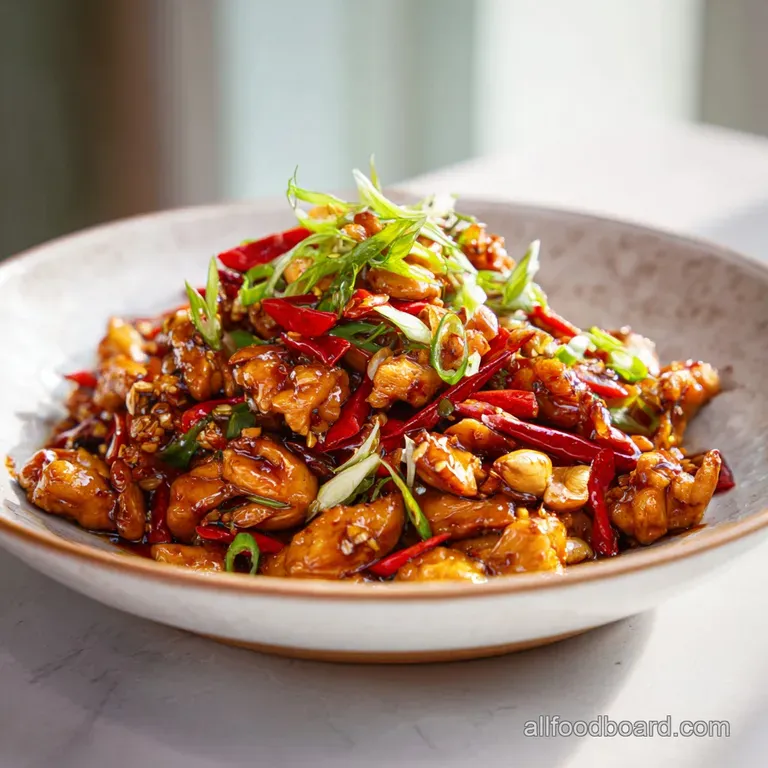
- Time: Active 10 minutes, Passive 10 minutes, Total 20 minutes
- Flavor/Texture Hook: Silky chicken and shatter crisp peanuts in a glossy, vinegary glaze.
- Perfect for: A high energy weeknight dinner that feels like a weekend treat.
- Essential Methods for Tender Results
- Time and Yield Information
- The Alchemy of Pantry Elements
- Necessary Tools for Heat
- Steps for a Perfect Fry
- Avoiding Mistakes and Bitter Tastes
- Swaps for Different Diets
- Storage and Reheating Methods
- Completing the Full Meal
- HIGH in Sodium
- Recipe FAQs
- 📝 Recipe Card
Essential Methods for Tender Results
The magic of this Kung Pao Chicken doesn't come from fancy equipment; it comes from understanding how heat interacts with your ingredients. If you've ever wondered why restaurant chicken is so much softer than what you make at home, the answer is "velveting." By using a tiny bit of baking soda and cornstarch, we change the protein structure, ensuring the meat stays juicy even under the intense heat of a wok. It’s a trick I use for almost all my stir fries now, including my Lemon Caper Chicken recipe when I want that extra tender bite.
The Physics of the Flash Fry
Protein Alkalinity: Baking soda raises the pH on the chicken's surface, preventing the proteins from bonding too tightly and becoming tough.
Starch Barrier: Cornstarch creates a microscopic shield that traps natural juices inside while providing a surface for the sauce to cling to.
Capsaicin Solubility: The heat in dried chilies is fat soluble, meaning it needs that initial 3 tablespoon oil bath to release its flavor into the entire dish.
| Method | Time | Texture | Best For |
|---|---|---|---|
| Traditional Wok | 5 mins | Smoky, charred edges | Maximum authenticity |
| Stainless Skillet | 8 mins | Even browning | Home cooks without a wok |
| Air Fryer Prep | 12 mins | Extra crispy exterior | Low oil preference |
Every time I stand over the stove, I think about how the sugar in the sauce isn't just for sweetness it's there to facilitate the Maillard reaction. That’s the chemical dance between amino acids and reducing sugars that gives us those deep, savory flavors.
Without the sugar, the vinegar would be too sharp, and the chicken would look dull.
Component Analysis
| Ingredient | Science Role | Pro Secret |
|---|---|---|
| Chicken Thighs | Fat to protein ratio | Use thighs over breasts; they won't dry out at high heat. |
| Chinkiang Vinegar | Acidic brightness | This fermented vinegar adds a malty, smoky depth white vinegar lacks. |
| Cornstarch | Emulsification | It turns a thin liquid into a velvety glaze that coats every inch of meat. |
| Szechuan Peppercorns | Sensory numbing | Toast them briefly alone first to release the oils before grinding. |
Time and Yield Information
This recipe is designed for a family of four, but honestly, it’s so good you might find two people polishing it off if you aren't careful. The key to success here is the "mis en place" having everything chopped and ready before the heat is even on.
Once the oil is hot, the actual cooking happens faster than you can set the table.
- Yield: 4 servings
- Prep time:10 minutes
- Cook time:10 minutes
- Total time:20 minutes
Chef Tip: Freeze your chicken for 15 minutes before slicing. It firms up the fat and muscle, allowing you to get those precise 1 inch cubes that cook evenly.
The Alchemy of Pantry Elements
Gathering the right ingredients is half the battle. You’ll want 1.5 lbs of boneless skinless chicken thighs, cut into 1 inch cubes. Don't skip the dark soy sauce; while it looks intense, it’s mostly there for that deep mahogany color that makes the dish look professional.
For the Chicken & Marinade
- 1.5 lbs Chicken Thighs:Why this? Thighs remain succulent during over high heat searing. (Substitute: Chicken breast, but reduce cook time by 1 minute).
- 1 tbsp Light Soy Sauce: (Substitute: Tamari for gluten-free).
- 1 tbsp Shaoxing Wine: (Substitute: Dry sherry).
- 1 tsp Cornstarch: (Substitute: Potato starch).
- 1/2 tsp Baking Soda:Why this? The secret to "velveting" tender meat. (No substitute).
The Easy Kung Pao Chicken Sauce
- 2 tbsp Chinkiang Black Vinegar:Why this? Essential for that authentic malty tang. (Substitute: Balsamic vinegar).
- 1.5 tbsp Soy Sauce: (Substitute: Liquid aminos).
- 1 tsp Dark Soy Sauce: (Substitute: Extra light soy + pinch of molasses).
- 1 tbsp Granulated Sugar: (Substitute: Honey or brown sugar).
- 1 tsp Cornstarch: (Substitute: Arrowroot powder).
Stir Fry Aromatics & Crunch
- 3 tbsp Neutral Oil: (Substitute: Grapeseed or peanut oil).
- 10-15 Dried Szechuan Chilies: (Substitute: Red pepper flakes, but it won't be as smoky).
- 1 tsp Szechuan Peppercorns: (Substitute: Black peppercorns + lemon zest).
- 3 cloves Garlic: (Substitute: 1 tsp garlic powder in sauce).
- 1 inch Ginger: (Substitute: 1/2 tsp ground ginger).
- 2 Scallions: (Substitute: Chives or red onion).
- 1/2 cup Roasted Peanuts: (Substitute: Cashews).
Necessary Tools for Heat
You don't need a professional kitchen, but a few specific items make this much easier. A heavy bottomed skillet or a carbon steel wok is your best friend here. You need something that can hold heat without dropping in temperature the moment the cold chicken hits the pan.
- Carbon Steel Wok: This allows for the "toss" which aerates the sauce.
- Digital Thermometer: To ensure the chicken hits that 165°F sweet spot.
- Spider Strainer: Perfect for removing the chicken quickly once it's seared.
- Mortar and Pestle: Essential for crushing the Szechuan peppercorns to release their numbing power.
If you’re using a standard non stick pan, just be careful not to use metal utensils. The high heat required for a proper stir fry can sometimes stress non stick coatings, so I usually recommend stainless steel if you have it. It’s similar to the technique I use in my Garlic Butter Chicken recipe to get that golden crust.
Steps for a Perfect Fry
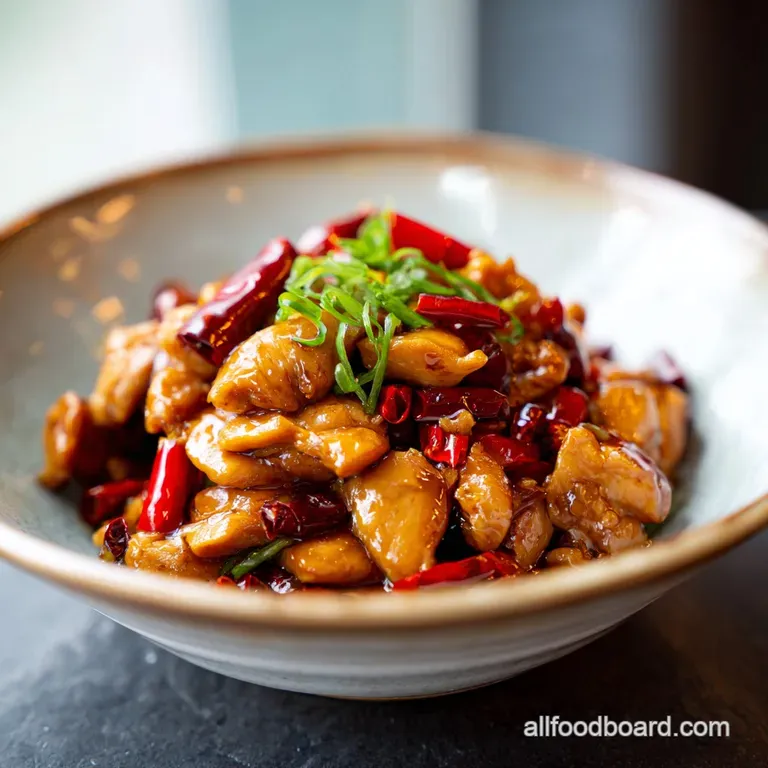
This is a fast paced process. Read through these steps twice before you start. Once the oil starts smoking slightly, there's no turning back!
- Marinate the protein. Mix the chicken cubes with light soy sauce, Shaoxing wine, 1 tsp cornstarch, and baking soda. Let it sit for 10 minutes until the liquid is fully absorbed.
- Prepare the sauce. In a small bowl, whisk together the black vinegar, soy sauces, sugar, and the remaining 1 tsp of cornstarch.
- Toast the peppercorns. Add the Szechuan peppercorns to a dry wok over medium heat for 2 minutes until fragrant and slightly darkened. Crush them into a powder.
- Sear the chicken. Heat 2 tbsp of oil over high heat. Add the chicken in a single layer. Cook for 3-4 minutes until the edges are golden and crispy. Remove and set aside.
- Bloom the aromatics. Add the remaining 1 tbsp of oil. Toss in the dried chilies and toasted peppercorn powder. Fry for 30 seconds until the chilies turn a deep ruby red.
- Add the base flavors. Stir in the garlic, ginger, and scallion whites. Sauté for 1 minute until the aroma fills the kitchen.
- Combine everything. Return the chicken to the wok along with the peanuts.
- Glaze the dish. Give the sauce a quick re whisk and pour it over the chicken.
- The final toss. Stir fry for 1-2 minutes until the sauce thickens into a glossy coating.
- Garnish and serve. Toss in the scallion greens and serve immediately while the peanuts are still crunchy.
Avoiding Mistakes and Bitter Tastes
The most common heartbreak with this dish is burnt chilies. They go from aromatic to acrid in a matter of seconds. If your chilies turn black, stop. Wipe the pan and start that step again. It’s worth the two minute delay to save the whole meal.
Why Your Chicken Isn't Searing
If the meat looks gray and boiled rather than brown and crispy, you likely overcrowded the pan. When too much cold meat hits the hot oil at once, the temperature plummets, and the chicken releases its juices, effectively steaming itself. Work in two batches if your pan isn't huge.
| Problem | Root Cause | Solution |
|---|---|---|
| Bitter Sauce | Burnt garlic or chilies | Add aromatics only when oil is medium high, not smoking. |
| Soggy Peanuts | Added too early | Toss them in at the very end to maintain their "shatter" crunch. |
| Rubbery Meat | Skipped the baking soda | Always include the 1/2 tsp of soda in the 10 minute marinade. |
Common Mistakes Checklist
- ✓ Pat the chicken dry before adding the marinade to ensure the starch sticks.
- ✓ Don't skip the dark soy sauce; the color is 50% of the visual appeal.
- ✓ Ensure the wok is "dancing hot" a drop of water should evaporate instantly.
- ✓ Use roasted, unsalted peanuts; salted ones will throw off the salt balance of the sauce.
- ✓ Separate scallion whites (for cooking) and greens (for garnish) to get two different flavor profiles.
Swaps for Different Diets
Scaling this recipe is straightforward, but stir fries behave differently when doubled. If you're doubling the recipe to 3 lbs of chicken, do not double the oil in the pan at once. Cook the chicken in four smaller batches.
If you put too much in the wok, you'll lose that "Wok Hei" or "breath of the wok" that gives the dish its signature charred flavor.
Adjusting the Portions
- Down (2 Servings): Use a smaller 8 inch skillet. Keep the sauce amounts the same as the 4 serving version for extra sauciness, as smaller pans lose moisture faster.
- Up (8 Servings): Do not double the Szechuan peppercorns fully; use 1.5x the amount (1.5 tsp) to avoid an overwhelming numbing sensation. Always stir fry the final assembly in two separate goes.
If you’re looking for a vegetable heavy alternative, you can swap half the chicken for diced zucchini or bell peppers. Just ensure you sear the vegetables separately first so they don't dump water into your chicken sear.
| Original | Substitute | Why It Works |
|---|---|---|
| Chicken Thighs | Extra Firm Tofu | Press the tofu for 30 mins first. Note: Won't have the same "chew" as velveted meat. |
| Peanuts | Cashews | Adds a creamier, sweeter crunch. Very popular in Southern Chinese variations. |
| Shaoxing Wine | Apple Cider Vinegar | Provides the necessary acidity. Note: Less complex than the wine. |
Storage and Reheating Methods
Leftover Pao Chicken is actually quite good the next day, though the peanuts will lose their signature "shatter" and become a bit soft.
- Fridge: Store in an airtight container for up to 3 days. The flavors actually deepen as the ginger and garlic meld with the vinegar.
- Freezer: You can freeze the cooked dish for up to 2 months. However, the texture of the velveted chicken can become slightly spongy upon thawing.
- Zero Waste Tip: Don't throw away the chili infused oil left in the pan! Strain it and keep it in a jar to drizzle over eggs or noodles the next morning. If you have leftover scallions and ginger, they form the perfect base for a Chow Mein recipe later in the week.
To reheat, avoid the microwave if possible. Toss the leftovers back into a hot skillet with a splash of water. This helps "re emulsify" the cornstarch sauce and keeps the chicken from getting that rubbery, microwaved texture.
Completing the Full Meal
This dish is a flavor heavyweight, so it needs a neutral partner. Steamed jasmine rice is the classic choice because it soaks up that glossy, mahogany sauce perfectly. If you want to keep it traditional, a simple side of smashed cucumber salad with sesame oil and garlic provides a cold, refreshing contrast to the heat of the chilies.
For a more substantial feast, I often serve this alongside my Teriyaki Chicken stir recipe if I'm hosting friends who have different spice tolerances. The sweet glaze of the teriyaki balances the numbing heat of the Szechuan peppercorns beautifully.
Choosing Your Experience
- If you want more heat: Crack open five of the dried chilies before frying. This releases the seeds, which carry the most fire.
- If you want it "Lychee" style: Increase the sugar by 1/2 tablespoon. This emphasizes the sweet and sour profile common in Sichuan province.
- If you want it crunchy: Double the peanuts and add them only as you turn off the heat.
Debunking Kitchen Tales
One common myth is that you shouldn't eat the dried chilies. While they are technically edible, they are meant to infuse the oil with their smoky aroma. Most people push them to the side of the plate.
Another misconception is that Szechuan peppercorns are "hot." They aren't actually spicy like a chili; they produce a "paralyzing" or tingling sensation (called mă) that allows you to taste the other flavors more intensely. It's a culinary experience everyone should try at least once!
Right then, you’ve got the science, the steps, and the secrets. It's time to get that wok screaming hot. Just remember: keep your eyes on the chilies and your peanuts crunchy. You've got this!
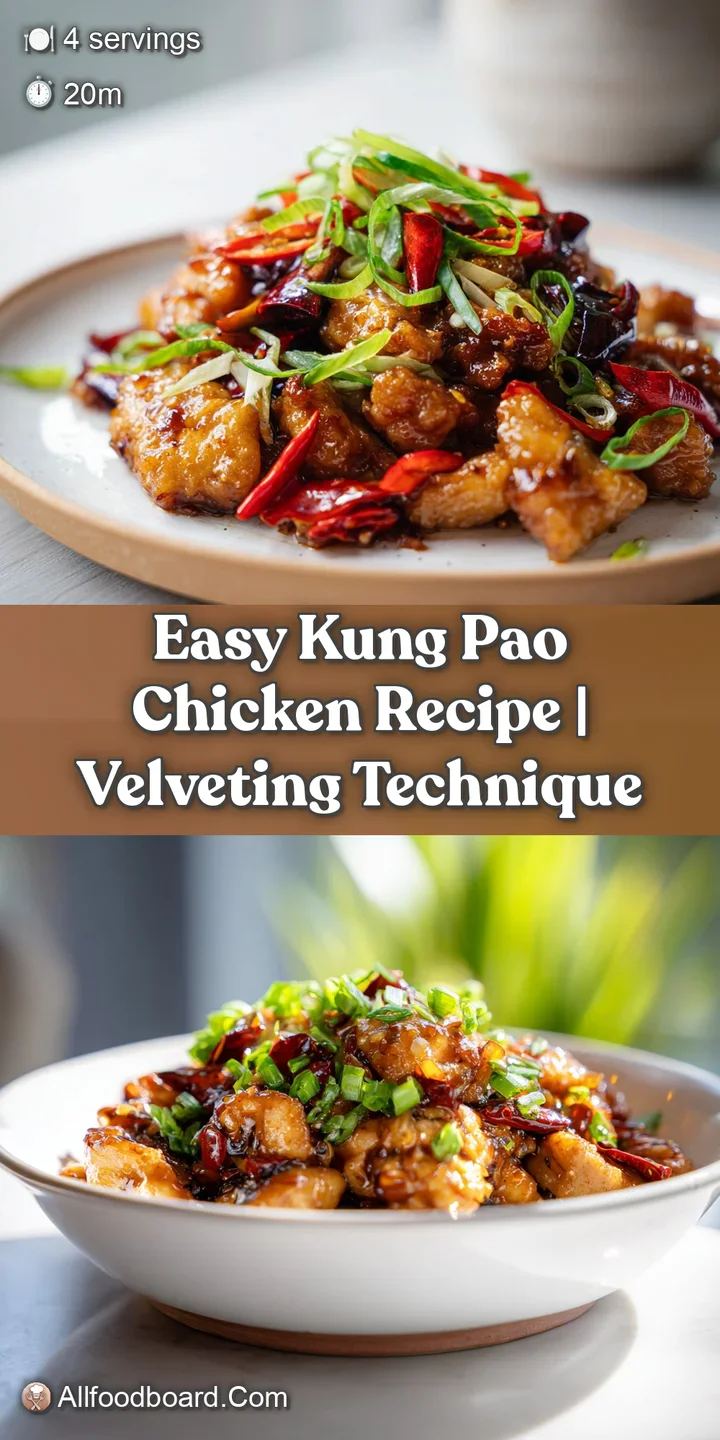
HIGH in Sodium
940 mg 940mg of sodium per serving (41% 41% of daily value)
The American Heart Association recommends limiting sodium intake to no more than 2,300mg per day for most adults. Aim for even less ideally, no more than 1,500mg per day for additional heart health benefits.
Tips to Reduce Sodium in This Recipe
-
Reduce Soy Sauce-25%
Soy sauce is a major sodium contributor. Halve the amount of light soy sauce in both the marinade and the sauce. Consider using low-sodium soy sauce or tamari and further reduce the amount by half.
-
Limit Dark Soy Sauce-20%
Dark soy sauce is higher in sodium than light soy sauce. Reduce the dark soy sauce by half or eliminate it entirely. Its primary function is color, which can be compensated by adding a tiny amount of molasses or mushroom powder.
-
Omit Baking Soda-15%
Baking soda (sodium bicarbonate) contributes to the sodium content. While it helps tenderize the chicken, it's optional. Try marinating the chicken for a longer period (up to 2 hours) to achieve a similar effect or use a meat tenderizer tool.
-
Adjust Szechuan Peppers-10%
While Szechuan peppercorns don't contain sodium, they enhance flavor, potentially allowing you to further reduce the soy sauce. Increase the amount of Szechuan peppercorns slightly to compensate for reduced saltiness.
-
Unsalted Peanuts-5%
Ensure the roasted peanuts are truly unsalted. Even a small amount of added salt can significantly increase the sodium content. Double check the label before adding.
-
Flavor Boost
Experiment with sodium free herbs and spices like white pepper, ground ginger, or garlic powder to enhance the dish's flavor without adding sodium. A variety of spices can help create complex flavor profiles that minimize the need for salt.
Recipe FAQs
What are the main components required for Kung Pao Chicken?
Diced chicken, peanuts, dried chilies, and Szechuan peppercorns form the core structure. The chicken must be marinated using the velveting technique (baking soda/cornstarch) to ensure tenderness during the intense high heat cook.
What is the Kung Pao sauce primarily made of?
Chinkiang black vinegar, soy sauce (light and dark), sugar, and cornstarch create the characteristic glaze. The black vinegar is crucial as it provides a malty, smoky counterpoint to the heat.
Is there a difference between Kung Po and Kung Pao?
No, they are the same dish. "Kung Pao" is the most common standardized romanization today, but "Kung Po" is an older, alternate transliteration of the same Chinese characters.
What gives Kung Pao Chicken its unique tingling taste?
Szechuan peppercorns provide the signature numbing sensation known as mă. This is a sensory tingle, not actual spice from capsaicin, and it allows you to appreciate the sweet/sour balance better.
How do I ensure my chicken stays silky and not rubbery after stir frying?
Velvet the chicken using baking soda and cornstarch for 10 minutes before cooking. This process raises the pH slightly, preventing the protein from seizing up hard during the high heat sear, a technique also essential for tender results in dishes like our Chicken and Dumplings recipe.
How should I toast the Szechuan peppercorns for maximum flavor?
Toast them dry in the wok over medium heat for two minutes until fragrant. Immediately remove them from the heat and crush them before adding them back into the aromatics phase.
Can I make the sauce ahead of time to speed up the weeknight cooking?
Yes, whisk the sauce ingredients together up to four hours in advance. Keep it refrigerated, but remember to re-whisk it vigorously right before adding it to the wok because the cornstarch will settle to the bottom.
Easy Kung Pao Chicken In 20
Ingredients:
Instructions:
Nutrition Facts:
| Calories | 568 kcal |
|---|---|
| Protein | 37.5 g |
| Fat | 41.2 g |
| Carbs | 11.8 g |
| Fiber | 2.1 g |
| Sugar | 4.2 g |
| Sodium | 940 mg |
