Daniel Fast Recipe with Roasted Sweet Potatoes and Quinoa
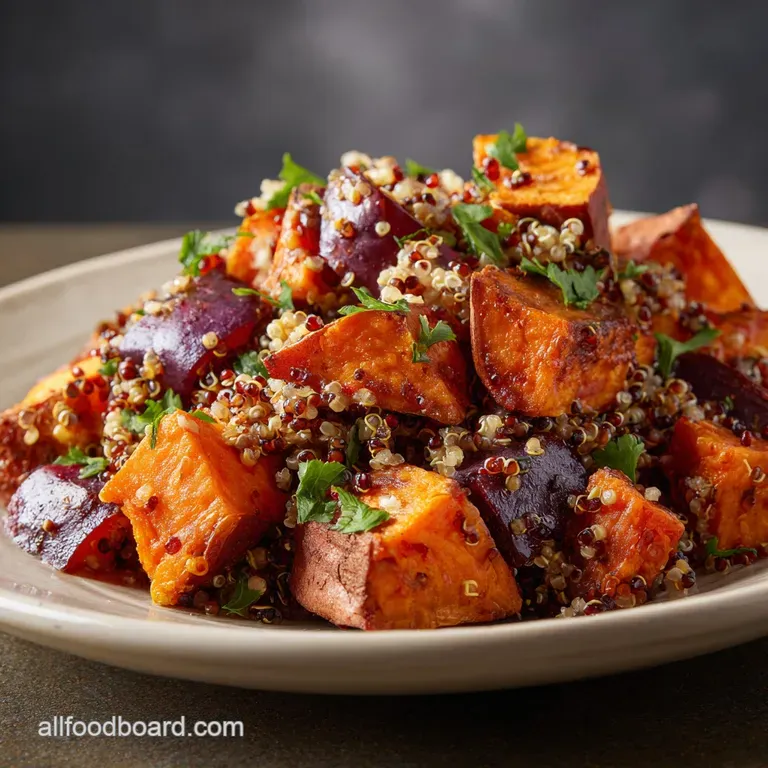
- Time: Active 15 minutes, Passive 30 minutes, Total 45 minutes
- Flavor/Texture Hook: Smoky sweet cubes paired with nutty, pop in-your mouth grains
- Perfect for: 21 day fast meal prep or a vibrant plant based Wednesday dinner
- Science Behind These Vibrant Plant Components
- Component Analysis of Our Primary Ingredients
- Minimal Tools for Efficient Preparation
- Steps for Creating the Perfect Bowl
- Fixing Texture and Flavor Problems
- Easy Swaps for Daily Variety
- Preserving Freshness and Reducing Food Waste
- Vibrant Sides to Serve Alongside
- Recipe FAQs
- 📝 Recipe Card
The aroma of smoked paprika hitting a hot sheet pan is enough to make anyone forget they are technically on a fast. When I first started exploring plant based living, I struggled with feeling full, but this Daniel Fast recipe with roasted sweet potatoes and quinoa changed the game for me.
It is a dense, colorful bowl that feels substantial because it hits all those savory notes we crave without using a drop of dairy or processed ingredients. This Daniel Fast recipe with roasted sweet potatoes and quinoa is a delicious and nourishing plant based meal.
We have all been there, staring at a pile of vegetables wondering how to make them taste like something more than "health food." The secret isn't a long list of expensive spices, it is how you treat the ingredients you already have.
By roasting at a high temperature and rinsing your grains properly, you transform basic pantry staples into a meal you actually look forward to eating. Trust me, I once tried to skip the rinsing step for quinoa and it tasted like literal dirt, we are not doing that today.
Whether you are halfway through a 21 day Daniel Fast or just trying to eat more vibrantly, this bowl is your new best friend. It is sustainably minded, using whole foods that don't cost a fortune and can be prepped in big batches for the week ahead.
We are going to focus on getting those sweet potatoes perfectly tender with charred edges while keeping the quinoa light and fluffy. Let's get into the details of why this combination works so well for our bodies and our taste buds.
Science Behind These Vibrant Plant Components
Understanding the chemistry of your food makes you a better cook, and this dish is a masterclass in texture management. When we slide those orange cubes into the oven, we are initiating the Maillard reaction, which is the chemical dance between amino acids and reducing sugars.
In sweet potatoes, this results in a deep, savory sweetness and a slightly crispy exterior that provides a necessary contrast to the soft quinoa.
Maximizing Natural Caramelization
Maillard Reaction: Heat transforms the natural sugars in sweet potatoes into complex flavor compounds. This happens most efficiently at temperatures above 400°F, creating that sought after savory sweet crust.
Saponin Removal: Quinoa is coated in a natural bitter resin called saponin, which acts as a defense mechanism for the plant. Thoroughly rinsing the grains under cold water physically strips this coating, ensuring a clean, nutty flavor.
Protein Denaturation: As the quinoa simmers, its protein structures unfold and bond with the boiling broth. This causes the "tail" or germ to pop out, signifying the grain is fully hydrated and cooked.
Emulsification: When you whisk tahini with lemon juice, the fat in the sesame paste bonds with the citric acid. This creates a velvety dressing that clings to the spinach rather than sliding to the bottom of the bowl.
| Feature | Daniel Fast Version | Classic Grain Bowl |
|---|---|---|
| Fat Source | Extra Virgin Olive Oil | Butter or Heavy Cream |
| Seasoning | Sea Salt & Spices | Processed Bouillon |
| Texture | Toasted Pumpkin Seeds | Shredded Cheese |
The shift from a classic bowl to a Daniel Fast version is not about deprivation, it is about shifting the source of your satisfaction. Instead of the heavy, coating feel of dairy, we rely on the clean, sharp acidity of lemon and the creamy richness of crushed sesame seeds. This keeps the meal light on the digestive system while providing the sustained energy needed for a busy day. Similar to how we prep the base for our Roasted Fingerling Potatoes recipe, the goal here is to maximize surface area for the best possible char.
Component Analysis of Our Primary Ingredients
Choosing the right ingredients is the difference between a soggy mess and a vibrant meal. I always suggest looking for tri color quinoa if you can find it, as the red and black grains hold their shape slightly better than the white variety, providing a more interesting "shatter" when you bite into them.
Also, keep an eye on your olive oil quality, as a cold pressed oil will have a much peppier, grassy finish that complements the sweet tubers.
| Ingredient | Science Role | Pro Secret |
|---|---|---|
| Sweet Potatoes | Complex Carbs | Cut into uniform cubes for even roasting. |
| Quinoa | Complete Protein | Toast the dry grains for 2 minutes before adding liquid. |
| Pumpkin Seeds | Healthy Fats | Use "pepitas" for a thinner, crispier shell. |
| Tahini | Emulsifier | If it's separated, blend the whole jar before measuring. |
When you are picking out your sweet potatoes at the store, look for those with smooth, firm skin and no soft spots. The moisture content in a fresh potato is vital for that fluffy interior we want. If they have been sitting in the bin too long, they can become stringy and lose that velvety mouthfeel after roasting.
I prefer peeling them for this specific dish to ensure every inch of the potato makes direct contact with the oil and spices on the baking sheet.
Before we move on to the equipment, remember that the vegetable broth is a major flavor carrier here. If you are on the Daniel Fast, check the label to ensure there is no added sugar or yeast extract.
Using a high-quality broth is like seasoning from the inside out, every single grain of quinoa will soak up those aromatic vegetable notes, making the finished dish much more complex than if you used plain water.
Minimal Tools for Efficient Preparation
You don't need a kitchen full of gadgets to make a world class meal. In fact, keeping it simple usually leads to better results because you can focus on the technique. A sturdy, rimmed baking sheet is the most important tool here because it allows the heat to circulate around the potatoes without trapping steam.
If you crowd a small pan, you'll end up with boiled potatoes instead of roasted ones, and that's a texture we want to avoid.
- Large Rimmed Baking Sheet: Essential for spreading the potatoes out so they can caramelize.
- Fine Mesh Strainer: This is non negotiable for rinsing the quinoa properly.
- Medium Saucepan: A heavy bottomed pot like a small Le Creuset or All Clad ensures the grains cook evenly without burning on the bottom.
- Sharp Chef's Knife: A dull knife will slip on the tough skin of a sweet potato, so make sure your blade is honed.
- Large Mixing Bowl: You need plenty of space to toss the roasted veggies with the fresh greens and dressing.
I used to try and roast everything on those flimsy, thin cookie sheets, but they warp in the high heat and cause the oil to pool in one corner. Investing in a heavy duty "half sheet" pan is a total game changer for your roasting results.
It holds the heat steadily and prevents the "hot spots" that lead to half burnt, half raw vegetables.
Steps for Creating the Perfect Bowl
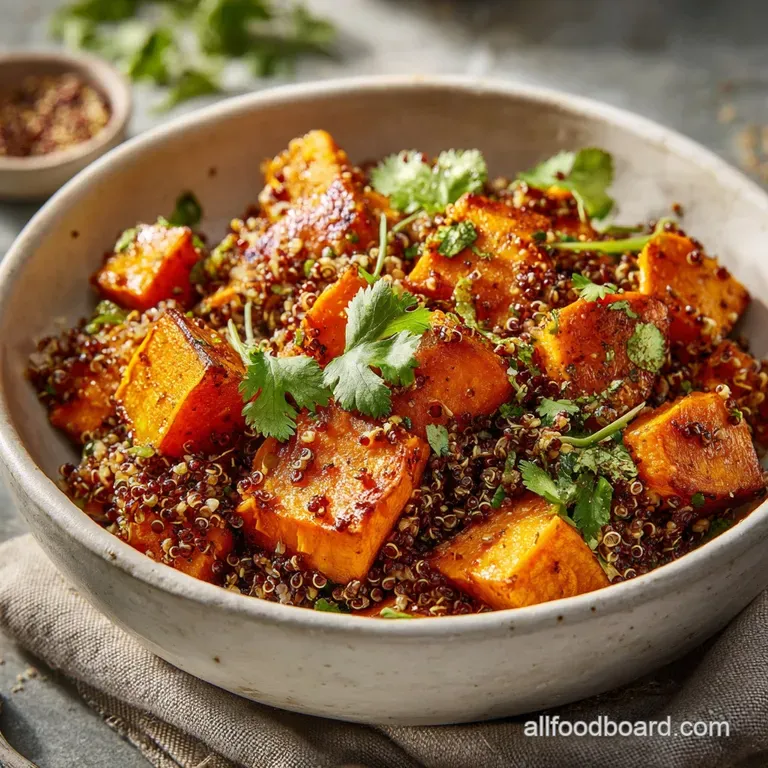
Let's get cooking. We are going to work in stages to ensure everything finishes at the same time. While the oven does the heavy lifting with the potatoes, we will focus on getting that quinoa perfectly fluffy.
If you follow these steps, you'll have a meal that looks like it came from a high end cafe but was made in your own kitchen with zero stress.
Prepping the Golden Cubes
- Preheat the oven. Set your oven to 400°F (204°C). Note: This high heat is necessary for the Maillard reaction.
- Season the potatoes. Toss 2 Large Sweet Potatoes (peeled and cut into 1/2 inch cubes) with 1 tbsp Extra Virgin Olive Oil, 1 tsp Smoked Paprika, 1/2 tsp Cumin, and 1/2 tsp Sea Salt.
- Roast the potatoes. Spread them in a single layer and bake for 25-30 minutes until the edges are browned and the centers are tender.
Simmering the Quinoa to Perfection
- Rinse the quinoa. Place 1 cup White or Tri color Quinoa in a fine mesh strainer and run under cold water for 60 seconds. Note: This removes the bitter saponins.
- Cook the grains. Combine the rinsed quinoa, 2 cups Vegetable Broth, and 1 smashed Garlic clove in a saucepan.
- Simmer and steam. Bring to a boil, then cover and reduce heat to low for 15 minutes until the liquid is absorbed and the tails pop out. Let it sit covered for 5 minutes off the heat.
Assembling the Glow Bowl
- Whisk the dressing. In a small jar, combine the juice of 1 Lemon, 1 tbsp Tahini, and 1/4 tsp Cracked Black Pepper.
- Prepare the greens. Ribbon 2 cups of Fresh Baby Spinach and finely dice 1/2 Red Onion.
- Combine and toss. In a large bowl, fold together the warm quinoa (remove garlic), roasted potatoes, spinach, onion, and 1/4 cup Toasted Pumpkin Seeds.
- Final finish. Drizzle the tahini lemon dressing over the mixture and toss gently until the spinach just begins to wilt from the heat.
The beauty of this process is the "carry over" cooking. By letting the quinoa sit covered for five minutes after the heat is off, the steam finishes the hydration process without making the grains mushy. It's a small detail that makes a massive difference in the final texture.
You want each grain to be distinct, not clumping together like oatmeal.
Fixing Texture and Flavor Problems
Even with the best intentions, things can go sideways in the kitchen. Maybe your oven runs hot, or perhaps your quinoa seems a bit too wet. Don't panic. Most kitchen "mistakes" are easily fixed with a little bit of culinary logic.
The most common issue I see is the "soggy sweet potato," which usually happens because of overcrowding or not enough oil.
Preventing Soggy Quinoa
If you find that your quinoa is still swimming in liquid after 15 minutes, don't just keep boiling it. This will blow out the grains and make them mushy. Instead, drain the excess liquid through a fine mesh strainer and return the grains to the warm pot.
Cover it back up and let it sit for 10 minutes. The residual heat will dry out the exterior of the grains, giving you that fluffy, light texture you’re looking for.
Achieving the Perfect Roast
Getting those crispy edges requires high heat and space. If your potatoes look like they are steaming rather than browning, increase your oven temperature by 25 degrees and move the tray to the top rack. The top of the oven is usually the hottest spot, and that direct radiant heat will help develop the crust.
Also, ensure you aren't using a silicone mat, as these can actually trap moisture; roasting directly on the metal pan or on parchment paper is much better for crispiness.
| Problem | Root Cause | Solution |
|---|---|---|
| Bitter Quinoa | Inadequate rinsing | Rinse for a full 60 seconds under cold water. |
| Mushy Potatoes | Cubes were too small | Keep cubes at a solid 1/2 inch for structure. |
| Bland Flavor | Low salt in broth | Add a pinch of sea salt to the finished bowl. |
If the dressing feels too thick to drizzle, simply add a teaspoon of warm water at a time until it reaches a "pourable" consistency. Tahini varies wildly by brand; some are runny and some are almost like clay. Adjusting with water or a bit more lemon juice is a standard pro move. If you enjoy the depth of roasted vegetables, you might also find the flavor profile of our Vegetarian Enchiladas Recipe very appealing as it uses similar smoky notes.
Easy Swaps for Daily Variety
The Daniel Fast can feel repetitive if you don't switch things up. This recipe is a fantastic "base" that can be moved in several different flavor directions just by swapping a few spices or seeds. Personally, I love adding a bit of heat or a different herb to keep my palate excited during the 21 days.
It's all about keeping the core structure of "starch + grain + green" while varying the aromatics.
- If you want a Mediterranean vibe, use dried oregano instead of cumin and swap pumpkin seeds for sliced almonds.
- If you want more bulk, add a can of rinsed chickpeas to the baking sheet with the sweet potatoes for the last 15 minutes.
- If you want a creamier finish, mash half of a ripe avocado into the dressing before tossing.
Adding a Mediterranean Twist
Swap the smoked paprika for dried oregano and a pinch of cinnamon. This might sound strange, but cinnamon and sweet potatoes are a classic pairing in Middle Eastern cooking that adds an incredible depth without needing sugar. You can also replace the red onion with sliced shallots for a softer, sweeter bite.
This variation pairs beautifully with a side of steamed green beans.
Infusing Smoky Southwest Heat
If you aren't strictly avoiding all "spicy" heat (some interpretations of the fast vary), adding a bit of chipotle powder to the potatoes creates a wonderful "fuego" effect. The smokiness of the chipotle mirrors the paprika but adds a slow building warmth that is perfect for colder months.
You can also add some fresh cilantro at the very end to brighten the whole dish up.
| Original Ingredient | Substitute | Why It Works |
|---|---|---|
| Sweet Potatoes | Butternut Squash | Similar starch content. Note: Slightly sweeter and softer. |
| Pumpkin Seeds | Sunflower Seeds | Same crunch factor. Note: Use raw/unsalted for Daniel Fast. |
| Baby Spinach | Lacinato Kale | Denser green. Note: Massage with a bit of oil first to soften. |
One thing to remember when scaling this recipe up or down: quinoa is very sensitive to liquid ratios. If you decide to double the recipe to feed a crowd, increase the spices and salt to about 1.5 times the original amount first, then taste.
Spices don't always need a perfect 1:1 doubling as they can become overwhelming. However, the liquid for the quinoa must stay at that 2:1 ratio (2 cups liquid for every 1 cup dry grain).
Preserving Freshness and Reducing Food Waste
This dish is a meal prepper's dream because it actually tastes better after the flavors have had a chance to mingle for a day. However, there are a few tricks to keeping it from getting "tired" in the fridge. I recommend keeping the dressing separate if you plan on eating it over three or four days.
This prevents the spinach from becoming completely limp and allows the quinoa to stay distinct.
Storage: Keep the assembled bowl (minus the dressing) in an airtight container in the fridge for up to 4 days. If you've already dressed it, try to eat it within 48 hours for the best texture.
Freezing: You can freeze the cooked quinoa and roasted sweet potatoes together! Place them in a freezer safe bag, press out all the air, and store for up to 3 months. To reheat, let it thaw in the fridge overnight and then warm it in a skillet with a splash of water to re moisturize the grains.
Do not freeze the spinach or the red onion, as they will turn to mush.
Zero Waste: Don't throw away those sweet potato peels! If they are clean, you can toss them with a tiny bit of oil and salt and roast them until they are crispy chips. Also, the stems of the baby spinach are perfectly edible; just chop them finely and toss them in with the leaves.
If you have leftover pumpkin seeds, they are a great topper for your morning oatmeal or a handful of fruit.
Vibrant Sides to Serve Alongside
While this bowl is a complete meal on its own, sometimes you want a little something extra to round out the table. Since we are focusing on the Daniel Fast, your sides should be whole food based and free from animal products.
I find that something "bright" or "crunchy" provides the best balance to the earthy, savory notes of the potatoes and quinoa.
A simple cucumber and tomato salad with a splash of apple cider vinegar is a perfect companion. The high acidity of the vinegar cuts through the richness of the tahini dressing and cleanses the palate between bites.
Alternatively, a side of steamed broccoli with a heavy squeeze of lime and a dusting of nutritional yeast (if your fast allows) provides a nice color contrast and a boost of fiber.
- The Green Power Side: Steamed asparagus with lemon zest and cracked pepper.
- The Fresh Crunch: Sliced radishes and jicama tossed with lime juice.
- The Warm Addition: A simple vegetable soup made with the remaining broth and any leftover veggie scraps.
Debunking Kitchen Myths
"Quinoa needs to be boiled like pasta in a large pot of water." This is actually a recipe for soggy grain. While some chefs prefer the "pasta method," the absorption method we used here ensures that none of the nutrients or flavors from the vegetable broth are poured down the drain.
It also gives you more control over the final texture.
"Searing the potatoes 'locks in' the moisture." This is an old myth. Searing or roasting at high heat is for flavor (Maillard reaction) and texture. Moisture loss is actually what creates the concentrated flavor in roasted vegetables.
If you want a "moist" interior, you need to start with a high-quality, dense potato, not rely on a "sealing" technique.
This Daniel Fast recipe with roasted sweet potatoes and quinoa is more than just a "fasting" food; it’s a staple for anyone looking to eat cleaner, more sustainably, and with more flavor.
By focusing on the science of roasting and the simple beauty of whole grains, you're creating a meal that nourishes both the body and the soul. Happy cooking, and I hope this bowl brings a bit of vibrant energy to your kitchen!
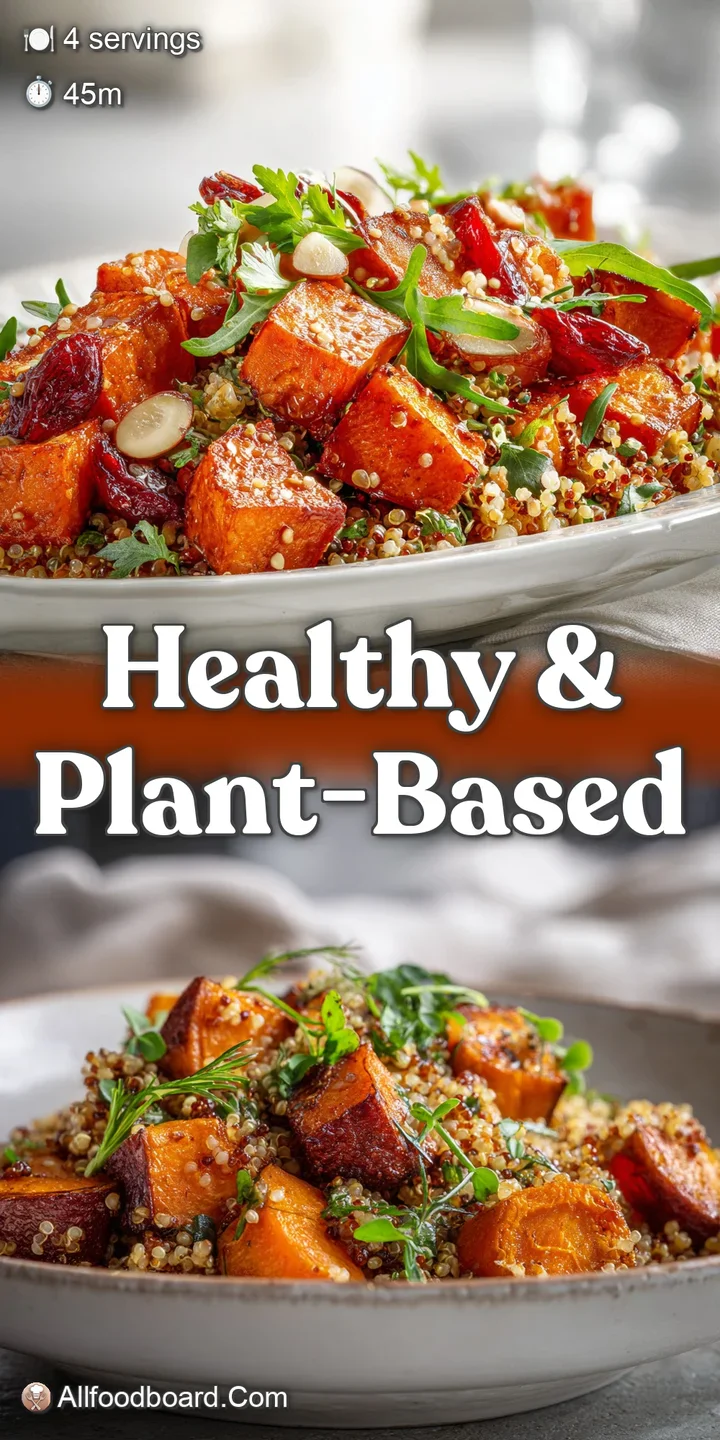
Recipe FAQs
Can you eat quinoa and sweet potatoes together on the Daniel Fast?
Yes, absolutely. This recipe is designed around the combination of roasted sweet potatoes and quinoa, both of which are compliant with Daniel Fast guidelines. They offer a great balance of complex carbohydrates, protein, and fiber.
Can I eat sweet potatoes during Daniel Fast?
Yes, you can. Sweet potatoes are a whole, unprocessed food and are generally considered acceptable on the Daniel Fast. Their natural sweetness and nutritional density make them a perfect staple for this type of cleanse.
Can you have quinoa on the Daniel Fast?
Yes, you can. Quinoa is a complete protein and a whole grain, making it compliant with the Daniel Fast. Just be sure to rinse it thoroughly to remove any bitter saponins, as detailed in our guide on how to prepare grains properly.
What is healthier, quinoa or sweet potatoes?
Both are incredibly healthy, but in different ways. Sweet potatoes are rich in Vitamin A, fiber, and antioxidants, while quinoa provides complete protein, fiber, and essential minerals. The combination creates a very nutrient dense meal.
Can I use frozen sweet potatoes for this recipe?
No, it's best to use fresh. Frozen sweet potatoes can release too much moisture when roasted, resulting in a mushy texture instead of the desired tender interior with caramelized edges. Fresh potatoes provide a better foundation for achieving that perfect roast.
How do I ensure my quinoa isn't bitter?
Rinse it thoroughly under cold water for at least 60 seconds. Quinoa is coated in a natural bitter substance called saponin. Proper rinsing, as we demonstrate in our techniques for grain preparation, removes this coating for a clean, nutty flavor.
Can I substitute the sweet potatoes with another vegetable?
Yes, you can explore similar root vegetables. While sweet potatoes offer unique sweetness, butternut squash or even cubed carrots can work, though cooking times may vary slightly. The roasting technique is key to maximizing flavor, similar to how we achieve excellent results with other vegetables in dishes like our How to Bake Cheesy Garlic Scalloped Potatoes: The Ultimate Comfort Food.
Daniel Fast Roasted Sweet Potato Quinoa
Ingredients:
Instructions:
Nutrition Facts:
| Calories | 421 kcal |
|---|---|
| Protein | 12.7g |
| Fat | 12.2g |
| Carbs | 67.3g |
| Fiber | 9.5g |
| Sugar | 8.8g |
| Sodium | 412mg |
