Black Bean Soup: Authentic Cuban Frijoles Negros (Made with Dried Beans)
- Decoding the Classic: Why Authentic Frijoles Negros is the Ultimate Black Bean Soup
- The Science of Sabor: Achieving the Signature Texture and Flavor
- Essential Elements for the Perfect Black Bean Soup
- Crafting Your Frijoles Negros: Step and by-Step Method
- Expert Tips for Troubleshooting Your Black Bean Soup
- Storing and Reheating: Maximizing the Shelf Life of Your Soup
- Recipe FAQs
- 📝 Recipe Card
Decoding the Classic: Why Authentic Frijoles Negros is the Ultimate Black Bean Soup
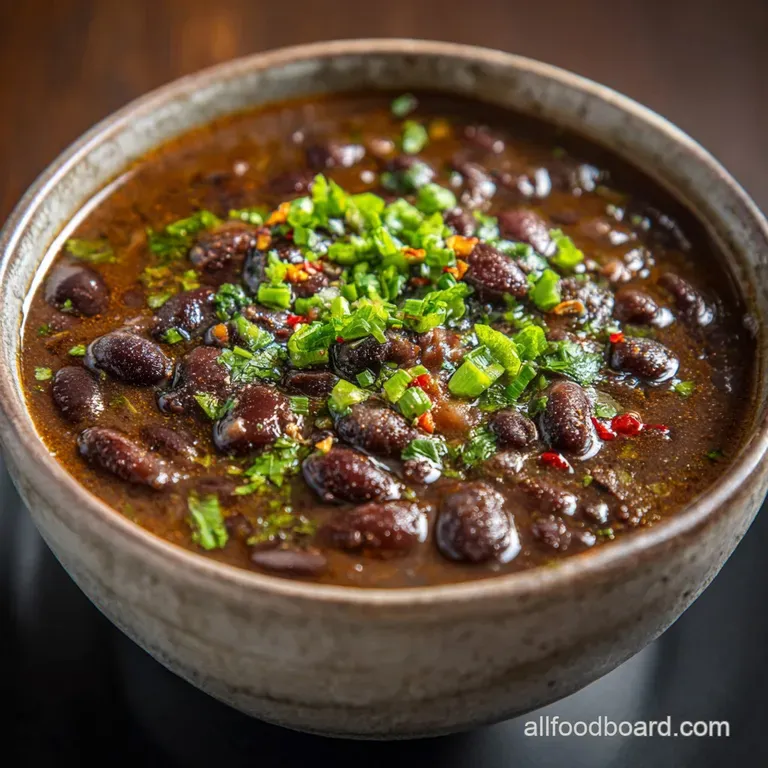
Seriously, what smells better than deeply sautéed onions, green peppers, and cumin? It’s that exact moment, when the spices hit the oil, that signals you’re about to eat something truly soulful. This is that kind of soup earthy, smoky, and absolutely vital on a cold evening.
We all need recipes that work hard, right? This Cuban Black Bean Soup is the ultimate budget warrior. It uses cheap, pantry staples but tastes like you spent all day hovering over the pot.
It’s naturally hearty, easily a Vegetarian Black Bean Soup , and freezes like a dream. Lifesaver status achieved, 100%.
Stop settling for thin, watery versions of this classic. We’re going deep on the authentic Frijoles Negros technique because the secret lies in proper layering. Trust me, once you master the sofrito base and the final acid balance, you’ll never look back.
Let’s get these Robust Bean Soup Recipes cooking!
The Science of Sabor: Achieving the Signature Texture and Flavor
This isn’t a quick dump and simmer recipe; it’s a process of building flavour that gives us that signature deep taste. The magic happens because we insist on three specific steps: using dried beans, blooming the spices, and thickening using reduction and puréeing, not flour.
The Difference Dried Beans Make (Texture Focus)
The main difference between a decent black bean soup and an epic one is starting with dried beans. They have a richer, more complex flavour and, crucially, release more starch into the liquid as they cook. This starch is what creates that natural, velvety creaminess no need for cream here!
If you want a quick fix, sure, canned beans work, but for truly authentic texture, start dry.
The Sazón: Building Deep Cuban Flavor Layers
In Cuban cooking, the sazón is the soul, and for this Frijoles Negros Recipe , that means a deeply caramelized sofrito base. We cook the onions and peppers until they are totally soft, bordering on jammy, then we hit them with the cumin and oregano.
This intentional layering prevents the spices from burning while ensuring the aromatics fully release their sweetness.
What Makes This Recipe "Robust" and Satisfying
This soup is satisfying because we achieve a perfect contrast between richness and brightness. The long simmer develops the deep, earthy richness you expect from a Black Bean Soup from Dried Beans . Then, that little burst of fresh lime juice and vinegar we add at the very end slices through that earthiness, waking up your whole palate. If you love deep, hearty flavours, you might also be a fan of the bold seasoning in my recipe for One Pot Meals UltraHearty Tuscan Sausage Bean Supper .
Mastering the Sofrito Base for Maximum Aromatics
The sofrito the foundation of onions, green pepper, and garlic needs time. Don't rush it! Low and slow is the mantra. You want these vegetables to sweat, soften, and become fragrant, not brown. This concentrates their natural sugars and prevents any raw onion bite in the final soup.
The Importance of Bean Broth Reduction and Thickness
If you just boil beans, you get bean water. If you simmer them gently for nearly two hours, that liquid becomes starchy, flavourful broth. The slight reduction of the liquid, combined with our strategic partial purée, is how we guarantee a creamy, thick texture without any dairy. It’s brilliant.
Balancing Acidity and Earthiness (The role of vinegar/lime)
This is the non and negotiable step I once skipped. Big mistake! Adding the red wine vinegar and lime juice right at the very end is the professional trick. It prevents the beans from hardening prematurely during cooking, and more importantly, it adds the necessary brightness that lifts the heavy, earthy flavours of the beans.
Never skip the acid!
Essential Elements for the Perfect Black Bean Soup
Sourcing and Preparing Dried Black Beans
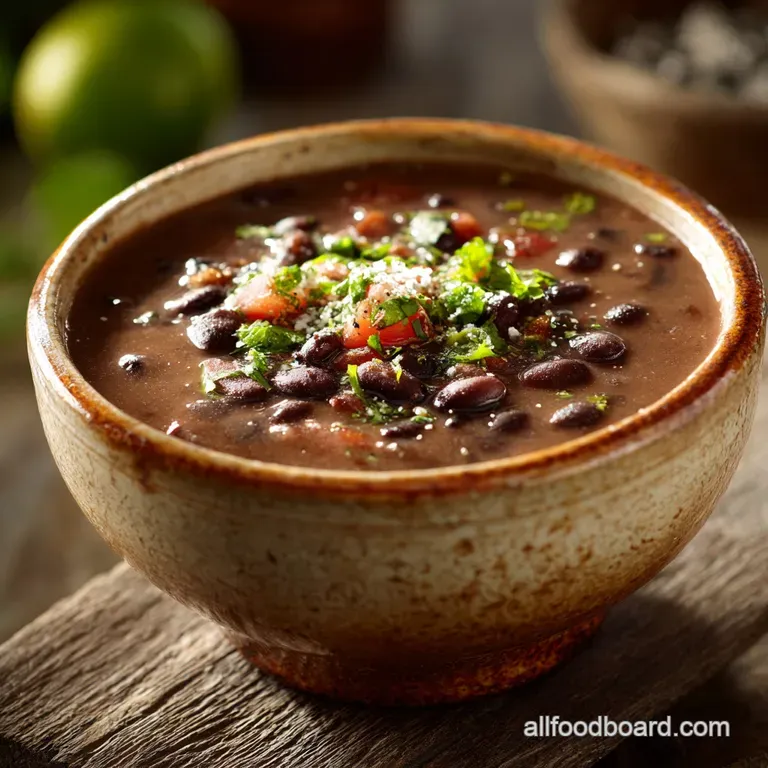
When buying dried beans, check the date, if possible. Really old beans are notoriously difficult to soften, no matter how long you soak them. Once you have them, you must pick through them I usually find at least one tiny stone per bag. Rinse them well, and then soak overnight.
It makes all the difference in cooking time and digestion.
Spices That Deliver Depth: Cumin, Oregano, and Smoked Paprika
The holy trinity for this Robust Black Bean Soup is cumin, dried oregano (Mexican oregano is even better if you can find it!), and a little smoked paprika. The cumin delivers warmth, the oregano provides the necessary herbaceous lift, and the paprika adds a smoky, almost meaty depth.
I insist you try the smoked paprika it changes everything.
Ingredient Swaps: Making the Soup Vegetarian or Vegan
This recipe is already naturally vegetarian and vegan, provided you use vegetable stock or water. But if you're trying to quickly swap out ingredients, here are my go and to suggestions:
| Original Ingredient | Recommended Substitute | Notes/Reasoning |
|---|---|---|
| Dried Black Beans | 3 cans of Black Beans | Reduce liquid and cooking time (see Variations). |
| Vegetable Stock | Plain Water + 1 tsp Salt | Stock adds depth, but water keeps it clean and cheap. |
| Red Wine Vinegar | Apple Cider Vinegar (ACV) | ACV offers a similar sharp brightness, use the same amount. |
| Olive Oil | Neutral Oil (e.g., Canola) | Fine for sautéing, but olive oil adds flavour complexity. |
Crafting Your Frijoles Negros: Step and by-Step Method
The Initial Soak: Should You Soak Your Beans?
Yes, yes, and yes again. I know people swear by the quick soak or the "no soak" method, but for the best final texture and reduced gas (we’re being honest here), soak them overnight. Drain them completely before cooking. The soaking water is, frankly, gross and needs to go.
Developing the Depth: Sautéing the Sofrito Base
Heat your oil in a big, heavy pot (a Dutch oven is perfect). Add your diced onion and green pepper. Sauté on medium and low heat for 8 to 10 minutes. You are waiting for that beautiful translucency. Once they soften, add your minced garlic, cumin, oregano, and paprika.
Cook for exactly one minute, stirring rapidly. This is the bloom. You’ll know it’s ready when your kitchen smells intensely incredible.
Simmering to Perfection: Achieving Optimal Creaminess
Add your soaked and rinsed beans, the stock, and the bay leaf. Bring it to a rolling boil, then immediately turn it way down. You want a gentle bubble, not a furious churning. Simmer, covered loosely, for about 1 hour 45 minutes to 2 hours.
Stir every 30 minutes to make sure the beans on the bottom aren't scorching. They are done when they crush easily between your fingers and the liquid is noticeably thicker.
The Final Purée Technique for a Rich Finish
Once the beans are tender, pull out that bay leaf. Now, here’s the trick for the Creamy Black Bean Soup texture: Use an immersion blender to purée about one and third of the soup directly in the pot. It takes 30 seconds.
If you don't have one, carefully scoop 2 3 cups of the soup (beans and liquid) into a regular blender, blitz it smooth, and pour it back in. This step gives the body and richness we crave while leaving plenty of whole beans for texture.
Chef's Note: If you want your soup to be totally smooth, go ahead and blend it all! But I find the partial blend gives the best contrast and makes the soup feel more rustic and authentic. For another great way to achieve velvety smooth texture in soup, check out my recipe for Creamy Vegetable Soup Velvety Smooth Easy Fall Soup Recipe .
Expert Tips for Troubleshooting Your Black Bean Soup
Why Your Beans Aren't Getting Soft (Hard Water and Salt Timing)
There are two major culprits here: old beans (mentioned above) or adding salt/acid too early. If you add salt at the beginning of the cooking time, the sodium ions interact with the bean pectin, preventing water absorption and leaving you with tough, leathery skins.
Do not salt until the beans are fully tender. If you have very hard water, try cooking the beans in filtered water or adding a pinch of baking soda (quarter teaspoon) during the first hour it helps soften the pectin.
How to Fix a Soup That is Too Thin or Too Thick
Too Thin: The easiest fix is to simmer uncovered for the last 30 minutes to allow the liquid to evaporate and reduce. If that doesn't work, scoop out a few more cups of the soup, blend until totally smooth, and return it to the pot.
Too Thick: Simple! Add more stock or water until you reach your desired consistency. Remember to taste and adjust the salt again if you add liquid.
Adjusting Flavor Profiles: When to Add More Spice or Acid
Always taste the soup before serving. Does it taste a bit flat or muddy? It needs acid . Add a little more lime juice or vinegar until it pops. Does it taste bland? It needs salt . Does it lack warmth?
Try stirring in another half teaspoon of ground cumin or a dash of hot sauce right before serving. This final adjustment phase is what separates good cooks from great cooks.
Storing and Reheating: Maximizing the Shelf Life of Your Soup
Best Containers for Refrigerated Soup Storage
Once the soup has cooled down significantly (you don't want to put hot soup straight into the fridge), transfer it to air and tight containers. I prefer glass containers because they don't stain or absorb odours. This Easy Black Bean Soup Recipe lasts beautifully for 5 to 6 days in the fridge.
Freezing Frijoles Negros Safely (And Preventing Texture Loss)
But does it freeze well? You bet! This is one of the best soups for meal prep. Fill your containers or freezer bags, leaving about an inch of headspace for expansion. It will last 3 to 4 months. The texture holds up incredibly well, though sometimes the liquid separates slightly.
Don't worry, a good stir during reheating fixes that.
Reheating Tips: Bringing Back the Freshly Made Taste
Reheating slowly is key. My favourite method is on the stovetop over medium and low heat. Add a splash of water or stock to loosen it up if it thickened overnight. Crucially, when reheating, I always add a tiny fresh squeeze of lime juice right at the end.
That final burst of fresh acid makes the leftovers taste just as bright as the day you made them.

Recipe FAQs
Can I use canned black beans instead of dried black beans?
Yes, you can substitute four 15-ounce cans of rinsed and drained beans, but this will drastically reduce the required cooking time. If using canned, you should reduce the initial liquid volume by about half and skip the soaking step entirely.
Be aware that dried beans offer a superior, deeper flavor and texture that is difficult to replicate with pre-cooked cans.
My soup tastes flat or watery. How can I fix the flavor?
Flat flavor is usually a sign that the soup lacks adequate salt or acidity. Be generous with your seasoning, tasting and adjusting the salt level until the flavor brightens significantly.
For the classic Cuban finish, stir in a splash of good quality sherry or red wine vinegar right before serving to cut through the richness and elevate the spices.
How do I make this 'Frijoles Negros' soup fully vegetarian or vegan?
This recipe is easily made vegan by ensuring you use vegetable broth instead of chicken broth. If the recipe calls for traditional smoky elements like ham hock or bacon fat, substitute these with extra virgin olive oil and a generous pinch of smoked paprika for necessary depth and richness.
Why are my dried beans still hard after simmering for hours?
This often occurs if the beans were not soaked properly or if salt, acid (like vinegar or tomatoes), or hard water was added too early in the cooking process. Acidic ingredients tend to toughen the bean skins, preventing them from softening.
Always ensure the beans are almost fully tender before adding any finishing acidic components.
My soup is too thin. How can I thicken it without using flour?
The easiest way to thicken black bean soup is by using the beans themselves. Scoop out approximately one to one and a half cups of the cooked beans and liquid, mash them thoroughly with a fork or use an immersion blender, and then stir the resulting paste back into the main pot.
This starch will naturally thicken the soup to a robust consistency.
What are the traditional Cuban garnishes for this soup?
Traditional garnishes are crucial for the complete Frijoles Negros experience. Essential toppings include a dollop of sour cream or crema, finely chopped raw red onion (often lightly pickled in lime juice), and a drizzle of high-quality olive oil.
This soup is almost always served alongside fluffy white rice for soaking up the flavorful liquid.
How long does black bean soup last, and can I freeze it?
Black bean soup stores exceptionally well due to its robust, dense nature. You can keep it in an airtight container in the refrigerator for 4 to 5 days. This soup is also perfect for freezing; ensure it is completely cooled before transferring it to freezer safe bags or containers, where it will maintain its quality for up to 3 months.
Cuban Robust Black Bean Soup
Ingredients:
Instructions:
Nutrition Facts:
| Calories | 351 kcal |
|---|---|
| Protein | 18.0 g |
| Fat | 8.0 g |
| Carbs | 53.0 g |
