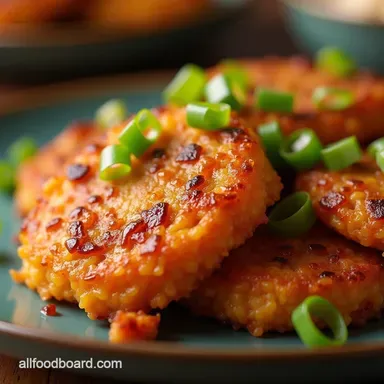
No More Soggy Suppers Crispy Korean Kimchi Fried Rice Patties Bapjeon
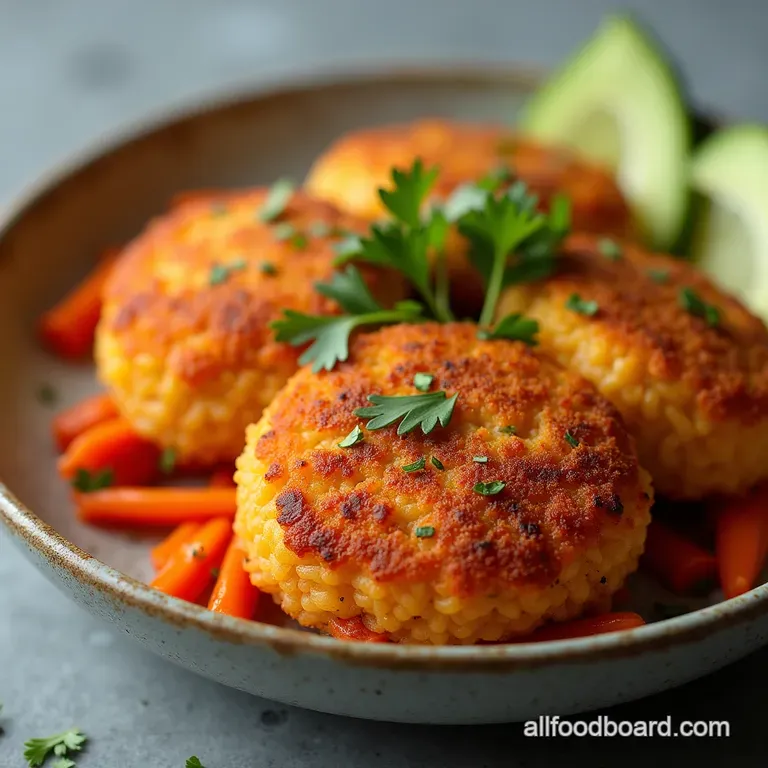
- Banish Fridge Waste: The Ultimate Leftover Rice Uses Showcase
- Why Day-Old Grains Are Your Culinary Secret Weapon
- Gathering the Essentials for Flavourful Patties
- Mastering the Mash: Forming the Perfect Patties
- The Sizzle Strategy: Achieving Peak Crispiness
- Elevating Your Leftover Rice Uses Beyond the Basics
- Storage Secrets and Speedy Reheating
- Recipe FAQs
- 📝 Recipe Card
Banish Fridge Waste: The Ultimate Leftover Rice Uses Showcase
Seeing that container of cooked rice lingering in the refrigerator can be a culinary dilemma. Do you reheat it awkwardly, hoping it regains some semblance of its former glory, or do you admit defeat? As an expert cook, I can assure you that discarding leftover rice is nothing short of a culinary tragedy.
Day-old, cooled grains are not a burden; they are, in fact, one of the most versatile foundational ingredients in global cuisine. They possess a firmer texture that resists turning gummy under high heat a characteristic essential for many stellar preparations.
Instead of defaulting to a simple, albeit sometimes soggy, fried rice, we are going to explore a transformative application for your grains. We are going to harness the potential hiding in that container and turn it into something genuinely extraordinary, offering genuinely inspired leftover rice ideas .
Why Day-Old Grains Are Your Culinary Secret Weapon
The magic behind utilizing cooked rice uses effectively lies in moisture content. When freshly cooked rice cools, the starch molecules retrograde, meaning they firm up and bind together.
This texture is crucial for dishes where you need definition and crispness, rather than the soft, fluffy texture of just cooked rice. This structural integrity is precisely what allows us to create satisfying snacks, appetizers, or even excellent leftover rice recipes for dinner that stand up proudly on the plate.
From Tragic to Tantalizing: Saving Your Stale Grains
Many people associate leftover rice only with standard Asian stir fries, but that limits its vast potential. We are aiming higher. We want a preparation that is quick, utilizes simple pantry staples, and delivers maximum flavour payoff.
My go-to method for achieving this transformation is an adaptation of a beloved Korean street food favourite. It takes the concept of flavourful mash and turns it into crispy perfection.
Introducing Bapjeon: Crispy Korean Fried Rice Patties
Tired of limp fried rice? We’re transforming your cooled, leftover rice into golden, flavour packed patties that are crispy on the outside and wonderfully chewy within.
Drawing inspiration from Korean Bapjeon (rice pancakes), this recipe blends tangy kimchi, savoury notes, and a perfectly seasoned binder. It’s a flavour punch that screams "street food classic," perfect for blitzing through any quantity of rice you might have lingering.
This preparation method proves that even a simple side dish can become the star of the show when you approach leftover rice recipes asian style.
The Power of Day-Old Rice in Achieving Perfect Texture
Difficulty level for this recipe? Easy. The technique is simple pan-frying and shaping. The biggest hurdle is ensuring your rice is cold, which is a simple planning step, not a complex cooking technique.
This method guarantees that the rice maintains its structure, allowing the outside to achieve maximum crunch while the interior becomes pleasantly chewy a hallmark of truly great leftover rice recipes .
Gathering the Essentials for Flavourful Patties
To create these Crispy Korean Kimchi Fried Rice Patties (Bapjeon), you need minimal specialized equipment but maximum flavour impact from your additions. We’re looking to create 6 8 medium patties, enough to serve 3 4 people as a main component or 6 as an appetizer, using about 3 cups of cold, cooked rice.
The total time investment is swift, clocking in at roughly 30 minutes from start to finish.
The Pantry Audit: What You Truly Need for Success
The foundation of this dish rests on utilizing what you likely already have. The primary ingredients involve the cold, day-old cooked rice, naturally. For binding, we rely on two large eggs, lightly beaten, and a small measure about 1/4 cup of all-purpose flour to give the mixture just enough structure so it doesn't crumble when hitting the pan.
Beyond the rice itself, the flavour profile is built around aromatics and funk.
Essential Components for Authentic Korean Flavour
The star addition that elevates this beyond basic cooked rice uses is kimchi. You’ll need about 1 cup of well fermented kimchi, which must be finely chopped and thoroughly drained squeezing out the excess liquid is non-negotiable for crispness.
If you want to venture into optional savoury richness, 3 ounces of diced, pre-cooked pork belly or bacon adds a wonderful depth. We round out the flavour base with 2 minced cloves of fresh garlic, 3 thinly sliced green onions (scallions), 1 tablespoon of low-sodium soy sauce, and 1 teaspoon of toasted sesame oil for that nutty finish.
A half teaspoon of freshly ground black pepper ties it all together.
Tool Checklist: Beyond the Frying Pan
While the large non-stick skillet or cast iron pan is paramount for achieving that gorgeous crust, you also need a large mixing bowl and a wide, sturdy spatula for shaping and turning the patties without breakage. Measuring cups and spoons will ensure the correct ratios for the binder and seasoning.
Prepping Your Kimchi: The Sour Star Ingredient
Remember, kimchi that is overly wet will steam the rice instead of frying it. After chopping the kimchi into small pieces, place it in a sieve or squeeze it firmly between paper towels. This step is critical for developing the best texture among all leftover rice ideas .
Related Recipes Worth Trying
- The Ultimate Cheesy Broccoli Rice Casserole Bake — Ditch the soggy dinner This Easy Broccoli Rice Casserole uses a homemade roux for a rich velvety sauce and a buttery Panko topping Comfort Food Casserole...
- Ultimate Creamy Broccoli Rice Casserole Recipe Homemade Comfort — Ditch the canned soup This Easy Broccoli Rice Casserole uses a homemade cheddar sauce for pure comfort Guaranteed silky texture Get the recipe now
- The Best Creamy Broccoli Rice Casserole Recipe — Ditch the canned soup This easy Broccoli Rice Casserole features a rich homemade cheddar sauce and a crisp Panko topping Your new favourite comfort food...
Mastering the Mash: Forming the Perfect Patties
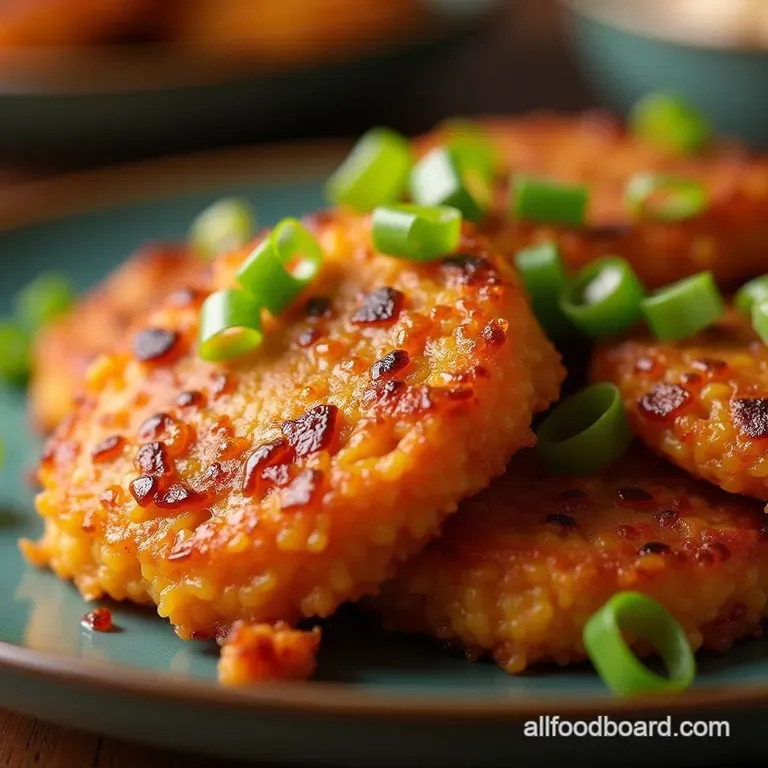
Once your flavourings are prepped, it's time for combination. First, whisk your 2 eggs in the mixing bowl with the soy sauce and sesame oil. Next, introduce the cold rice, chopped kimchi, cooked pork (if using), minced garlic, green onions, and pepper. Now, sprinkle the 1/4 cup of flour over this mixture.
Using clean hands or a sturdy spatula, gently combine everything. The goal is to ensure the egg/seasoning mixture coats every grain and creates a slightly sticky mass, but avoid aggressive mixing that would smash the rice grains completely.
Shaping Techniques for Non-Soggy Results
Once mixed, divide the mixture and form uniform patties, aiming for about a half inch thickness and three inches wide. Crucially, press them firmly together as you shape them. A dense patty holds its shape better during the high heat of frying.
These uniform shapes are what help achieve consistent results when looking for easy vegetarian rice dishes —though we are currently using pork, the shaping technique applies universally.
The Sizzle Strategy: Achieving Peak Crispiness
Crispiness is not an accident; it’s a result of proper heat management. This is where the difference between simply heating rice and transforming it becomes clear.
Step-by-step: Combining Rice and Kimchi Base
(Referencing the preparation steps above, we now move directly to the cooking phase.) Ensure your patties are shaped and ready to go before the oil is hot, as the cooking process moves quickly once started.
Optimal Heat Management for Golden Edges
Heat 2 to 3 tablespoons of a neutral oil, such as canola or vegetable oil, in your skillet over medium high heat. The oil must be shimmering hot enough that a tiny piece of the rice mixture immediately sizzles upon contact.
Place the formed patties into the hot oil, making sure not to overcrowd the pan; work in batches if necessary to maintain oil temperature integrity.
Achieving Peak Crispiness
Fry these patties for 5 to 7 minutes per side. During the first few minutes on each side, gently press down on them with your spatula. This technique ensures maximum surface contact with the hot pan, facilitating the Maillard reaction and creating that glorious, golden brown crust we are aiming for.
Once they are deeply coloured and audibly crisp, remove them and place them on a wire rack or paper towel lined plate to drain any excess oil.
The Perfect Dip: Crafting a Speedy Dipping Sauce
While the patties drain, you can quickly whip up the complementary dipping sauce. Whisk together 3 tablespoons of soy sauce, 1 tablespoon of rice vinegar, 1/2 teaspoon of Gochugaru (Korean chili flakes, or standard red pepper flakes as a substitute), and a sprinkle of toasted sesame seeds.
This tangy, slightly spicy dip is the perfect foil for the rich, crispy patties.
Elevating Your Leftover Rice Uses Beyond the Basics
While Bapjeon is a phenomenal way to tackle leftover rice uses , remember the foundational principles here: bind, season, and crisp. This same logic applies to creating vegetarian rice fritters using shredded vegetables instead of kimchi, or even sweet rice cakes using sugar, cinnamon, and a touch of milk instead of savoury additions.
Don't let your freezer become a graveyard for grains; let it become an inventory for quick meals.
Storage Secrets and Speedy Reheating
These patties are best eaten immediately while the exterior is shattering crisp. However, should you have leftovers, storage is straightforward.
Freezing and Reviving Your Fried Patties
For longer storage, these freeze beautifully. Once completely cooled, place the patties on a baking sheet in a single layer until frozen solid, then transfer them to an airtight freezer bag. To reheat, skip the microwave entirely.
Instead, place them directly into a toaster oven or a dry skillet over medium heat for about 5– 8 minutes, flipping halfway, until they are heated through and the crispness has returned.
This revival method ensures they remain excellent examples of leftover rice recipes for dinner weeks later.
Flavor Twists: Creative Variations on Bapjeon
For another take on leftover rice recipes asian style, consider swapping the kimchi for finely chopped pickled vegetables (like carrots and daikon) and adding smoked paprika for a smoky twist instead of the Korean chilli flakes in the sauce.
You can also fold in finely chopped spinach or kale with the egg binder to boost the vegetable content instantly.
Nutritional Snapshot of These Crispy Bites
While these are pan-fried, they offer substantial satiety due to the dense rice and protein binders. Generally, you are looking at roughly 280 310 calories per serving (two patties), offering a good balance of carbohydrates and satisfying fat, making them a surprisingly wholesome snack or side.
Serving Suggestions for a Complete Meal
To turn this snack into a complete lunch or dinner, pair the Bapjeon with something fresh and cooling. A side of thinly sliced cucumber lightly dressed with rice vinegar and a touch of salt works wonders.
Serve alongside a bowl of light miso soup for a comforting, filling, and waste free meal showcasing the true potential of what to make with cooked rice .
Recipe FAQs
Why does the recipe stress using cold, leftover rice for these patties?
Ah, this is the golden rule, like waiting for the kettle to boil before making a proper cuppa! Cold, day-old rice has firmed-up starch, which helps the grains hold their shape during frying. Freshly cooked rice is too moist and steamy; it will just turn into mush rather than lovely, defined patties.
I’m not keen on pork. What are the best vegetarian substitutions for these Leftover Rice Uses?
Not to worry, we can easily make these meat free! Skip the pork belly and try sautéing some finely chopped shiitake or oyster mushrooms until they're slightly browned to bring in that rich, savoury depth. Crumbled, pressed tofu is also a cracking alternative if you fancy a bit more protein bulk.
Can I freeze these crispy rice patties, and if so, how should I reheat them to keep them crispy?
Yes, they freeze like a dream, which is brilliant for future quick meals. Once cooled completely, place them on a baking sheet to freeze solid, then transfer them to an airtight bag.
To reheat, skip the microwave entirely it’s the enemy of crispiness! and use a 375°F (190°C) oven or an air fryer until they’re piping hot throughout.
My patties are falling apart when I try to flip them. Am I missing a binder or cooking them wrong?
That’s usually down to either not pressing them firmly enough when shaping or insufficient binder (the egg and flour). Make sure you really compact them with your hands before they hit the heat.
Also, don't move them too soon; let them form a proper crust on the first side that crust acts like glue for the flip!
Is the dipping sauce essential, or can I just eat these plain?
While the patties are flavourful on their own thanks to the kimchi, the dipping sauce is highly recommended it’s the classic way to enjoy them! The tang of the vinegar and the slight kick from the chilli flakes perfectly balances the richness from the frying oil.
Think of it like jam with scones; it just completes the picture.
Are these rice patties quite high in calories, considering they are fried?
They certainly have more heft than plain steamed rice, as they are pan-fried, which adds fat content. However, because they are packed with veggies (kimchi and scallions) and use a thin layer of oil, they aren’t as heavy as deep fried alternatives.
For a lighter take, use an air fryer or cook them in a good non-stick pan using just a tablespoon of oil and a sturdy spritz of oil spray.
Easy Leftover Rice Uses Crispy Kimchi Fried Rice Patties