French Toast: Buttery & Custard Interior

- Time: Active 10 minutes, Passive 10 minutes, Total 20 minutes
- Flavor/Texture Hook: Buttery, cinnamon spiced crust with a velvety, custard like interior
- Perfect for: Slow weekend mornings, easy family brunches, or using up leftover brioche
- Simple Methods To Make French Toast Successfully
- Why This Method Actually Works
- Vital Stats and Time for Your Brunch
- Picking the Best Components and Simple Swaps
- Simple Kitchen Tools for a Velvet Finish
- Step by Step Guide to a Golden Sear
- Avoid Common Texture Mistakes
- Smart Scaling for any Number of Guests
- Fun New Ways to Flip the Flavor
- Practical Tips for Storage and Quick Reheating
- Smart Food Pairings for a Full Plate
- Recipe FAQs
- 📝 Recipe Card
Simple Methods To Make French Toast Successfully
The first time I tried to make French Toast, I used fresh, thin white bread. It was a disaster. The moment the bread hit the custard, it turned into a limp, dripping mess that fell apart before it even touched the pan.
I ended up with a pile of scrambled, soggy bread bits that looked nothing like the golden slices I’d seen in diners. It was a messy lesson in structural integrity, but it taught me everything I needed to know about the importance of the right foundation.
You probably know that sizzle the one where the butter starts to foam and the cinnamon scented custard hits the hot metal. That’s the sound of success. We’re aiming for a slice that has a slight shatter when your fork hits the edge, leading into a center that feels almost like bread pudding.
It’s about more than just dipping bread in eggs; it's about managing moisture and heat to transform humble ingredients into something that feels like a treat.
In this guide, we're going to talk about why day old bread is your best friend and why we skip the skim milk entirely. I’ve made all the mistakes so you don’t have to, from burning the sugar to leaving the middle raw.
You'll learn exactly how to balance the soak and the sear to get a consistent result every single time you fire up the stove.
Why This Method Actually Works
Protein Lattice Lockdown: When you whisk the 3 Large Eggs into the 1 cup Whole Milk, you’re creating a protein structure that coagulates during cooking, trapping the liquid inside the bread fibers so it doesn't leak out.
Starch Dehydration Strategy: Using day old brioche allows the moisture in the bread to evaporate, leaving behind tiny air pockets that act like a sponge for the custard without losing their shape.
The Dual Fat Sear: Mixing 2 tbsp Unsalted Butter with 1 tsp Grapeseed oil allows for a higher smoke point, giving you that golden crust without the butter burning before the center is done.
Osmotic Balance: The 2 tbsp Granulated Sugar doesn't just sweeten; it helps with the Maillard reaction, drawing moisture to the surface to create a caramelized, crispy exterior.
Cook Method Comparison
| Method | Time | Texture | Best For |
|---|---|---|---|
| Stovetop Skillet | 10 minutes | Crispy edges, buttery crust | Best for small batches (2-4 people) |
| Oven Baked | 20 minutes | Uniformly soft, cake like | Large groups or hands off prep |
| Air Fryer | 8 minutes | Ultra crunchy, less greasy | Quick individual servings |
Using a skillet is the classic way to get that specific buttery sizzle that makes breakfast feel special. If you're cooking for a crowd, however, the oven method is a lifesaver because it ensures every slice stays warm and finishes at the exact same time.
Component Analysis
| Ingredient | Science Role | Pro Secret |
|---|---|---|
| Large Eggs | Binding and Structure | Whisk eggs first before adding milk to prevent "egg white streaks" |
| Whole Milk | Fat Content and Creaminess | Use full fat for a velvety mouthfeel; low-fat makes it watery |
| Brioche Bread | Structural Foundation | Slice it yourself to exactly 1 inch thick for the best soak ratio |
| Cinnamon/Nutmeg | Flavor Volatiles | Fat soluble spices bloom in the butter, intensifying the aroma |
Vital Stats and Time for Your Brunch
When you're hungry on a Sunday morning, timing is everything. This recipe is designed to be efficient without cutting corners on quality. We spend 10 minutes on prep mostly whisking the custard and slicing the bread and another 10 minutes at the stove.
It’s a 20 minutes total investment for a meal that feels far more labor intensive than it actually is.
If you are looking for other classic recipes to round out your breakfast rotation, you might find my Classic French Crepes recipe just as satisfying for a sweet or savory twist. Both dishes rely on a simple egg and dairy base but result in completely different textures.
Picking the Best Components and Simple Swaps
Choosing your bread is the most important decision you'll make here. Brioche is the gold standard because its high egg and butter content creates a rich, tender crumb. If you can't find brioche, a thick cut challah or even a sturdy sourdough will work, though the sourdough will add a tangy note that contrasts beautifully with the sugar.
- 3 Large Eggs: The glue of the custard.
- 1 cup Whole Milk: Provides the liquid for the soak.
- 2 tbsp Granulated Sugar: Essential for caramelization.
- 1 tsp Pure Vanilla Extract: Adds depth to the aroma.
- 1 tsp Ground Cinnamon: The classic warming spice.
- 0.25 tsp Nutmeg: Adds a subtle "bakery" scent.
- 0.125 tsp Kosher salt: Sharpens all the sweet flavors.
- 8 slices (1 inch thick) Brioche: The vehicle for all that flavor. Why this? Sturdy enough to hold custard without disintegrating.
- 2 tbsp Unsalted Butter: For that iconic fried flavor.
- 1 tsp Grapeseed oil: Prevents the butter from smoking too early.
| Original Ingredient | Substitute | Why It Works |
|---|---|---|
| Whole Milk | Coconut Milk (Full fat) | Similar fat content. Note: Adds a distinct tropical flavor profile |
| Granulated Sugar | Maple Syrup | Liquid sweetener that adds earthy, caramel notes to the custard |
| Unsalted Butter | Coconut Oil | Provides a high smoke point and a light, nutty sweetness |
The key to a successful swap is maintaining the fat to liquid ratio. If you use a lower fat milk, your toast might end up feeling a bit thin or "eggy" rather than creamy. If you are adventurous, you could even try a savory version and serve it alongside a Foolproof Bearnaise Sauce Recipe for a brunch that will really impress your guests.
Simple Kitchen Tools for a Velvet Finish
You don't need a kitchen full of gadgets to make a great meal. A wide, shallow bowl is better than a deep one for dipping because it allows the bread to lay flat. A heavy bottomed non stick skillet or a well seasoned cast iron pan is crucial for even heat distribution.
I prefer a fish spatula for flipping because it's thin enough to slide under the bread without tearing the softened crust.
Make sure your whisk is sturdy. You want to fully emulsify the eggs and milk so you don't end up with fried egg bits on the side of your toast. If you have a wire rack, it’s great for letting the bread "dry out" for a few minutes after slicing if it’s too fresh.
step-by-step Guide to a Golden Sear
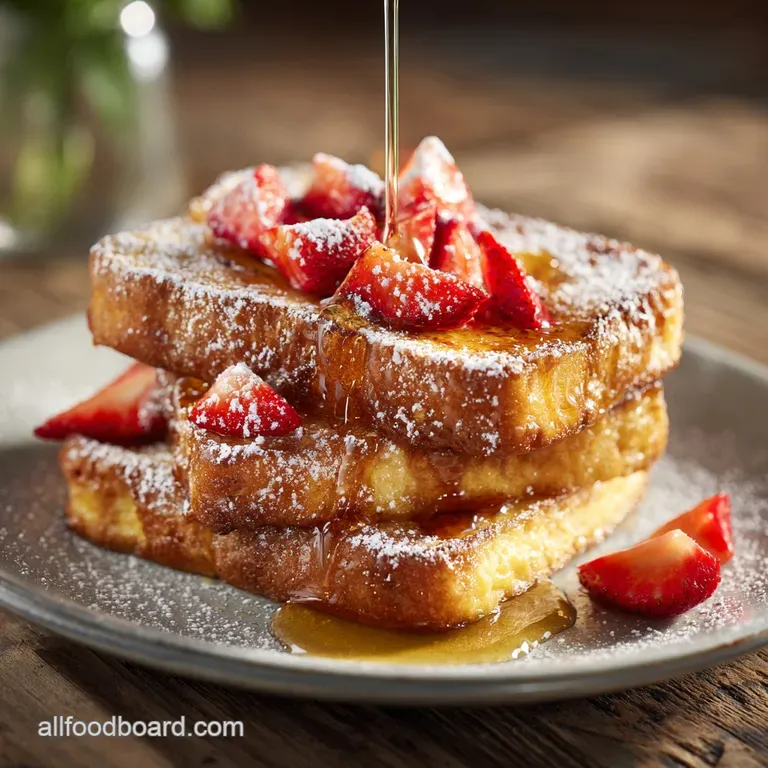
- Slice the brioche into 1 inch thick pieces. Note: Consistency in thickness ensures they all cook at the same rate.
- Whisk the 3 Large Eggs in a shallow dish until no streaks remain.
- Incorporate the 1 cup Whole Milk, 2 tbsp Granulated Sugar, 1 tsp Pure Vanilla Extract, 1 tsp Ground Cinnamon, 0.25 tsp Nutmeg, and 0.125 tsp Kosher salt.
- Heat your skillet over medium heat and add 1 tbsp Unsalted Butter and 0.5 tsp Grapeseed oil.
- Soak each slice of bread for about 20-30 seconds per side until the bread feels heavy but not falling apart.
- Place the soaked bread into the hot skillet. Note: Don't overcrowd the pan or the temperature will drop.
- Cook for 3-4 minutes until the bottom is deep golden and sizzle starts to quiet.
- Flip carefully and cook the other side for another 3 minutes until the center springs back when lightly pressed.
- Repeat with the remaining 1 tbsp Unsalted Butter, 0.5 tsp Grapeseed oil, and bread slices.
- Serve immediately while the exterior is still crisp.
Avoid Common Texture Mistakes
The most common issue I see is the "soggy middle." This usually happens because the pan was too hot, searing the outside before the custard in the center had a chance to cook through. If you find your toast is browning too fast, turn the heat down slightly.
It’s better to cook a little slower and ensure the inside is set.
Why Your French Toast Is Mushy
If the bread is too fresh, it lacks the structure to hold the liquid. This is why "day old" is more than just a suggestion it's a requirement for the best results. If you only have fresh bread, you can lightly toast it in a low oven (150°C) for 10 minutes to dry it out manually.
| Problem | Root Cause | Solution |
|---|---|---|
| Soggy Center | Soaking too long or fresh bread | Use stale bread and limit soak to 30 seconds per side |
| Burnt Outside | Heat too high | Reduce heat to medium low and use a mix of oil and butter |
| Bland Flavor | Lack of salt or fat | Don't skip the salt; it makes the vanilla and cinnamon pop |
Common Mistakes Checklist
- ✓ Use bread that is at least 24 hours old to ensure it can absorb the custard.
- ✓ Whisk the custard thoroughly to avoid "fried egg" patches on the bread.
- ✓ Preheat the skillet for 2-3 minutes before adding the first slice.
- ✓ Don't soak all the bread at once; soak only what will fit in the pan immediately.
- ✓ Use a combination of butter and oil to get flavor without the burnt milk solids.
Smart Scaling for any Number of Guests
Scaling this recipe is fairly straightforward because the custard ratio is quite forgiving. If you're cooking for one, you can easily use one egg and about 80ml of milk. Just remember that if you scale up significantly, you should keep the spices to about 1.5x the original amount for every 2x increase in bread to prevent the cinnamon from becoming overpowering.
For a crowd of 8, you'll want to use two pans simultaneously or keep the finished slices on a wire rack in a warm oven (90°C). Avoid stacking them directly on a plate while you finish the rest, as the steam will turn the crispy crust soft within minutes.
Fun New Ways to Flip the Flavor
The dairy-free Alternative
If you want to make french toast without milk, you can substitute the whole milk with a creamy oat milk or full fat coconut milk. Both provide enough fat to create a satisfying custard. Just be aware that oat milk is naturally sweeter, so you might want to slightly reduce the added granulated sugar.
The Solo Diner Strategy
For a quick french toast recipe for one, use 1 egg, 1/4 cup milk, and 2 thick slices of bread. You can mix the custard in a small plastic container that fits the bread perfectly, which minimizes waste and cleanup.
This is my go to when I'm working from home and want something better than a bowl of cereal.
Practical Tips for Storage and Quick Reheating
Believe it or not, this dish travels and stores quite well. If you have leftovers, let them cool completely on a wire rack before putting them in a container. This prevents the residual steam from making them rubbery.
- Storage: Keep in an airtight container in the fridge for up to 3 days.
- Freezing: Flash freeze slices on a baking sheet for 1 hour, then transfer to a freezer bag. They stay good for up to 2 months.
- Reheating: Avoid the microwave unless you like rubbery bread. Instead, pop them in a toaster or an air fryer at 180°C for 3-4 minutes until the edges regain their sizzle.
- Zero Waste: If you have leftover custard, don't throw it out. You can use it to make a small bread pudding with the crusts or any broken bread pieces.
Smart Food Pairings for a Full Plate
While maple syrup is the classic choice, I love experimenting with textures. A dollop of Greek yogurt adds a tangy creaminess that cuts through the sugar, and toasted pecans provide a necessary crunch.
If you're looking for a savory contrast, a side of crispy bacon or a sharp fruit compote made from frozen berries works wonders.
For a more substantial meal, consider serving this alongside some soft scrambled eggs. The softness of the eggs paired with the crisp custard texture of the bread makes for a restaurant quality experience at home. If you're hosting a large brunch, this bread pairs perfectly with a Homemade French Bread recipe if you're serving a variety of toast options.
Debunking Kitchen Myths
Myth: You should soak the bread overnight for the best flavor. Truth: Long soaks work for "overnight casseroles," but for individual slices, it leads to total structural failure. 30 seconds is all you need for the liquid to penetrate the crumb without dissolving the starches.
Myth: Adding more eggs makes it better. Truth: Too many eggs will give the toast a "sulfury" flavor and a rubbery texture. The 3 egg to 1 cup milk ratio is the sweet spot for a creamy, balanced custard.
Myth: Butter is the only fat you should use. Truth: While butter provides the best flavor, its smoke point is quite low. Adding a tiny bit of oil allows you to get the pan hot enough to create a "shatter" on the crust without the butter turning bitter and black.

Recipe FAQs
How to do French toast step-by-step?
Slice the brioche into 1 inch thick pieces and whisk the eggs thoroughly before adding milk and spices. Soak each slice for 20-30 seconds per side until heavy but not collapsing, then cook in a medium hot skillet with a blend of butter and oil for 3-4 minutes per side until deep golden brown.
What is French toast batter made of?
The core batter requires eggs and whole milk, mixed with sugar, vanilla, cinnamon, and a pinch of salt. The ratio of fat to liquid is key; using whole milk ensures the custard traps moisture without being watery.
What is the most common mistake in making French toast?
The most common mistake is using bread that is too fresh, leading to a soggy, collapsing interior. Stale or day old bread is crucial because its drier structure better absorbs the custard without dissolving.
Do you need milk for French toast?
No, milk is not strictly necessary, but highly recommended. You can substitute whole milk with full fat coconut or oat milk to maintain the required fat content for a creamy texture.
Is it true that you must use brioche bread?
No, while brioche is ideal, it is not mandatory. Thick cut challah or sturdy sourdough are excellent alternatives, though they will slightly alter the final sweetness or tang profile of the slice.
How do I prevent the outside from burning before the center cooks?
Cook over medium to medium low heat, using a mix of butter and oil in the pan. The oil raises the smoke point, allowing you to achieve that beautiful golden crust before the egg custard sets fully in the middle, similar to the technique required for perfect potato searing.
Can I make French toast ahead of time and reheat it?
Yes, but avoid reheating in the microwave. Cool completely on a rack first, then reheat in a toaster or oven at 180°C for 3-4 minutes to restore the crisp exterior without turning the bread rubbery.
Crispy French Toast Guide
Ingredients:
Instructions:
Nutrition Facts:
| Calories | 455 kcal |
|---|---|
| Protein | 14.8 g |
| Fat | 22.2 g |
| Carbs | 50.9 g |
| Fiber | 1.2 g |
| Sugar | 14.5 g |
| Sodium | 598 mg |
