Cajun Chicken Pasta: Southern Heat Creamy Indulgence
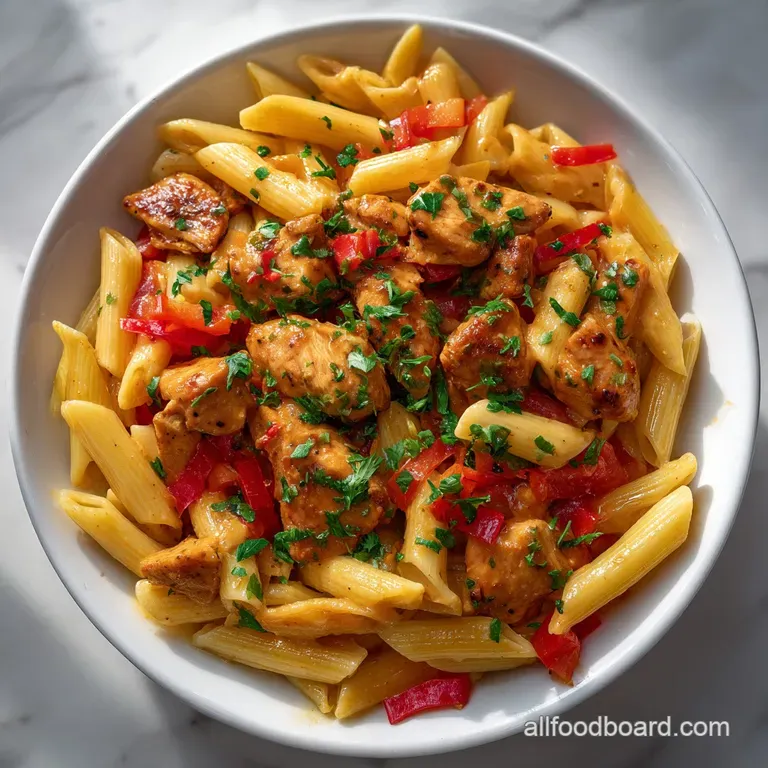
- Creamy Cajun Chicken Pasta: A Taste of the Bayou
- Capturing the Spirit of Louisiana: What Makes This Dish Special
- Essential Components for Authentic Creamy Cajun Chicken Pasta
- The Science Behind the Sizzle: Why This Cajun Pasta Recipe Excels
- Cooking Methodology: Mastering the Creamy Sauce and Sear
- Troubleshooting and Expert Secrets for Restaurant-Quality Results
- The Perfect Pairing: What to Serve Alongside Your Cajun Dish
- Preparing Ahead and Meal Prepping: Storage Solutions
- Recipe FAQs
- 📝 Recipe Card
Creamy Cajun Chicken Pasta: A Taste of the Bayou
Capturing the Spirit of Louisiana: What Makes This Dish Special
The moment those spices hit the hot pan, creating that smoky, deeply savory aroma, you know you’ve done something right. That smell alone is enough to transport you straight to the bayou, even if you’re standing in a freezing kitchen in Ohio.
We’re talking about the ultimate comfort food crossover: incredible Cajun Chicken Pasta . It’s the perfect blend of fiery, smoky heat wrapped up in an unbelievably velvety cream sauce.
This particular Cajun Chicken Pasta recipe is a weeknight hero because it delivers huge flavor without requiring hours of slow cooking. It looks and tastes like a restaurant splurge, but everything comes together in less than an hour, promise.
It truly is maximum flavor for minimum effort, and who doesn't love that kind of magic?
So, if you’re ready to ditch the bland takeout and cook a dish that actually makes your eyes roll back in your head, stick with me. I’m sharing every single trick I’ve learned and believe me, I’ve messed up enough cream sauces to write a novel.
Let’s make the best, most authentic Creamy Cajun Chicken Pasta you’ve ever had.
Southern Heat Meets Italian Indulgence: The Recipe Overview
We achieve that glorious southern heat by building a custom Cajun seasoning blend that perfectly coats the cubed meat before searing. This crucial searing step is what gives us the smoky depth it's not just about cooking the meat, it's about building flavor right into the pan.
Then, we transform those caramelized bits into a luxurious sauce using the classic Creole/Cajun aromatic base and a rich dairy combination. The best Cajun Chicken Pasta is defined by its balance; the heat should warm you, not burn you.
Why We Start with the Classic New Orleans 'Holy Trinity'
Listen, you can’t make anything truly Southern without paying homage to the Holy Trinity: onions, bell peppers (red and green), and celery. These three unassuming vegetables are sautéed until sweet and tender, creating the aromatic foundation for our entire dish.
They melt into the sauce, providing a subtle sweetness and texture that sets this recipe far apart from those versions that just dump spices into heavy cream. This is the difference between good Cajun Chicken Pasta and amazing Cajun Chicken Pasta .
Defining the Perfect Balance of Smoky Heat and Creaminess
The secret to this particular Authentic Cajun Chicken Pasta lies in the timing of the spice addition. We incorporate some of the seasoning blend directly onto the meat for searing, but the rest goes into the butter and aromatics before the liquid.
This process, called "blooming," wakes up the spices in the hot fat, ensuring maximum flavor extraction. It’s what gives the sauce that deep, red-orange hue and that satisfying, smoky kick, which is then beautifully mellowed by the heavy cream and Parmesan.
Essential Components for Authentic Creamy Cajun Chicken Pasta
Making a fantastic Cajun Chicken Pasta doesn't require dozens of ingredients, but it does require the right ingredients treated with respect.
| Component | Key Role | Must Have Substitute |
|---|---|---|
| Chicken | Protein vehicle for seasoning | Shrimp (cook time adjustment needed) |
| Holy Trinity | Aromatic base and structure | White onion + finely chopped carrot |
| Heavy Cream | Richness, body, and balance | Full fat evaporated milk (for less richness) |
| Seasoning | Smoky heat profile | Quality pre-made Creole seasoning |
| Parmesan | Umami and thickening agent | Pecorino Romano (use less, it's saltier!) |
The Science Behind the Sizzle: Why This Cajun Pasta Recipe Excels
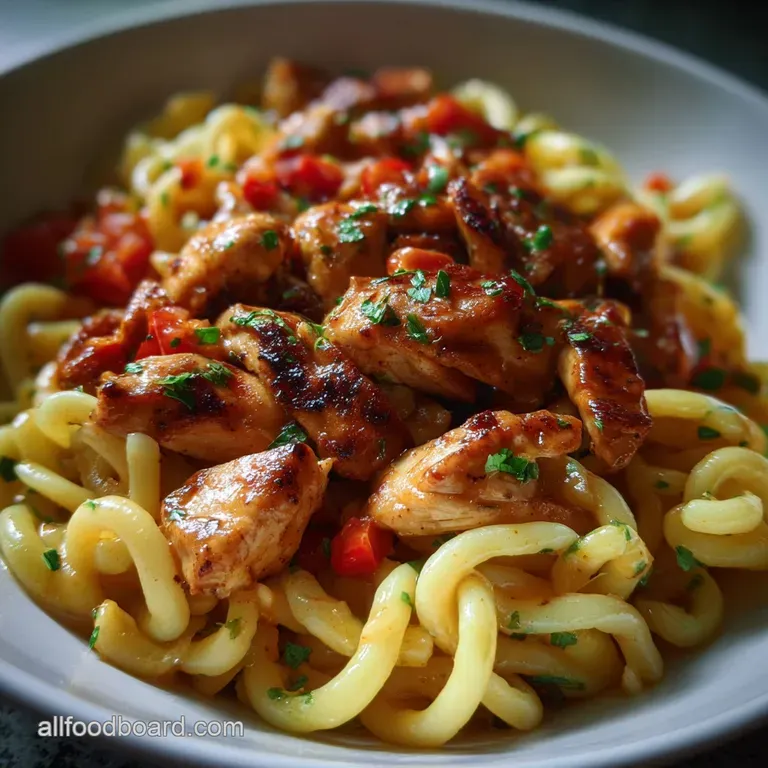
This isn't just following steps; it’s understanding why we do things. We focus on four key areas that ensure this Cajun Chicken Pasta recipe succeeds every single time.
Building the Homemade Cajun Seasoning Blend
While grabbing a pre-made spice mix is tempting, making your own gives you ultimate control over sodium and heat. Smoked paprika is non-negotiable here; it provides the deep, comforting smokiness without needing a charcoal grill.
If you want a milder flavor, cut the cayenne pepper in half, or leave it out entirely for a kid-friendly version. Building the blend yourself means the spice profile is perfectly tailored to balance the richness of the final Creamy Cajun Chicken Pasta .
Choosing the Best Pasta Shape for Velvety Sauces
Fettuccine is a classic choice for a reason. Its wide, flat surface acts like a perfect highway for transporting that thick, velvety Cajun Chicken Pasta Sauce right into your mouth. Rigatoni or penne also work wonderfully because their ridges and tubes trap the creamy sauce.
Tip: Whichever shape you choose, cook it 1- 2 minutes less than the package suggests. It will finish cooking in the hot sauce later, guaranteeing true al dente texture.
Ingredient Notes: Dairy Choices and Aromatics
Always use heavy cream, which has a high fat content (35% minimum), making it much harder to split or curdle than lighter options. If you want a slightly less rich but still silky sauce, consider using evaporated milk, but avoid regular milk or half and half, which are much riskier under high heat.
Also, please, for the love of all that is holy: Grate your own Parmesan cheese! The anti caking agents in pre-shredded cheese can make your beautiful sauce chunky and gritty.
The Maillard Reaction: Searing the Chicken Perfectly
The Maillard Reaction sounds fancy, but it just means browning. We season the cubed meat heavily and sear it quickly in hot oil on medium high heat. Crucially, do not crowd the pan!
Crowding lowers the temperature, steaming the meat instead of searing it, meaning you won't get those deep, caramelized, flavor packed crusts. Those little browned bits, or fond , are the base layer of flavor for our entire Cajun Chicken Pasta sauce.
Cooking Methodology: Mastering the Creamy Sauce and Sear
Step 1: Preparing and Seasoning the Chicken Fillets
Cube the boneless fillets into roughly 1 inch pieces; this ensures they cook quickly and evenly. In a medium bowl, toss the meat with the full seasoning blend, rubbing it in well. I know you’re tempted to start cooking, but let the seasoned meat sit at room temperature for 10 minutes while you chop the vegetables.
This small pause helps the seasoning adhere and ensures a better sear.
Step 2: Searing the Meat and Deglazing for Depth of Flavor
Heat your oil in a large skillet until it shimmers. If the pan isn't hot enough, the chicken will stick and release too much moisture. Sear the chicken in batches if necessary, achieving that beautiful, dark crust on all sides. Once cooked through, remove the chicken and set it aside.
Leave the skillet exactly as it is; those brown bits left behind are vital flavor reservoirs.
Chef's Note: When searing, resist the urge to move the chicken immediately. Let it sit undisturbed for 3– 4 minutes to build that perfect crust before turning.
Step 3: Softening the Aromatics (The Trinity) and Spices
Reduce the heat to medium. Add a tablespoon of butter, and then the diced onions, green and red peppers, and celery. Listen to the wonderful sizzle! Sauté these until they turn tender and fragrant about 5 to 7 minutes.
Now, add the minced garlic and cook for just 60 seconds until you smell its nutty aroma. Immediately sprinkle in any leftover seasoning blend and cook it for another minute; this is the key spice bloom.
Step 4: Building the Rich Cream Sauce Base and Combining Ingredients
Push the softened vegetables to one side. Add the remaining butter to the cleared area and let it melt. Whisk in the flour to create a quick roux a thick, pale paste. Cook this for 1 minute to remove the raw flour taste. Then, slowly pour in the warmed chicken stock, scraping up all the savory fond from the bottom of the pan as the liquid thickens. Finally, reduce the heat to low before slowly pouring in the heavy cream. Let it gently simmer until it coats the back of a spoon. If you need inspiration for other quick cream sauces, sometimes I make a simplified version, much like this Cream Cheese Pasta - Silky Garlic Herb Sauce for Weeknights .
Now, here is the secret step: Turn the heat off entirely. Stir in the freshly grated Parmesan until the sauce is completely smooth and glossy. Add the reserved chicken and the drained al dente pasta.
Toss everything together, and if the sauce looks too thick, add reserved pasta water one splash at a time until you achieve that perfect, silky consistency that clings beautifully to every piece of fettuccine. This is how you achieve truly luscious Creamy Cajun Chicken Pasta .
Troubleshooting and Expert Secrets for Restaurant Quality Results
Preventing a Gritty or Split Cream Sauce
This is the number one disaster I see home cooks face! It happens when dairy is shocked by high heat or when using pre-grated cheese. The Fix: Never let the cream sauce boil vigorously, only simmer gently.
When adding the Parmesan, remove the pan from the heat entirely or keep the heat extremely low. The residual heat is plenty to melt the cheese smoothly.
The Crucial Role of Reserved Pasta Water
I am begging you, do not forget this step! Reserve at least one cup of the starchy water right before draining the pasta. This cloudy liquid is liquid gold. It contains starch molecules that help the fat and liquid in your sauce emulsify (bind together), preventing a greasy, separated mess.
When your Cajun Chicken Pasta Sauce is too thick, use this water, not plain tap water, to thin it out.
How to Adjust the Spice Level Safely
If you’re worried about the heat, start with just a quarter teaspoon of cayenne pepper in your seasoning blend. You can always add a pinch more at the very end when seasoning the finished sauce. Conversely, if you want a truly fiery dish, add a dash of hot sauce directly to the simmering cream base.
Just remember, the dairy in this Cajun Chicken Pasta will naturally temper the heat, so don't be afraid to go bolder than usual!
The Perfect Pairing: What to Serve Alongside Your Cajun Dish
Complementary Fresh Green Side Dishes
Because Cajun Chicken Pasta is inherently rich and creamy, you need something light and acidic to balance the palate. A simple side salad dressed with a bright lemon vinaigrette is ideal.
Alternatively, serve some quickly sautéed green beans with a bit of red wine vinegar and slivered almonds. The crunch and acidity cut through the creaminess perfectly.
Wine and Drink Recommendations for Spicy Pasta
Spicy dishes love acid and bubbles. A light, cold beer (like a Pilsner or a crisp lager) handles the cayenne pepper beautifully. For wine, stick to a crisp, unoaked white. Think Pinot Grigio or a dry Riesling. Avoid heavy, tannic reds; they will clash horribly with the heat and cream. For non-alcoholic options, a sparkling lemon lime soda is surprisingly refreshing against the smoky seasoning. If you ever switch gears to something like a zesty Lemon Chicken Pasta: Pan-Seared Fettuccine Recipe , you'd want a similar dry white.
Preparing Ahead and Meal Prepping: Storage Solutions
Reheating Leftovers Without Drying Out the Chicken
This Cajun Chicken Pasta is fantastic for leftovers, but it requires a careful reheating process. The heavy cream sauce tends to seize up and thicken significantly when cold, and high heat will dry out the meat and cause the sauce to split.
Store leftovers in an airtight container in the fridge for up to 3 days.
To reheat, put the portion in a skillet over very low heat. Add a splash of milk or chicken stock (1 2 tablespoons) before covering the pan. Let it steam gently for about 5 minutes, stirring occasionally, until it loosens up and becomes creamy again.
Preventing Reheating Disaster: The Cream vs. Freezer
But does Cajun Chicken Pasta freeze well? You know I wouldn't lie to you: not really. Cream based sauces often separate and become grainy when frozen and thawed due to the low-fat solids clumping.
If you want to prep ahead, cook the seasoned chicken and the Holy Trinity mixture entirely, and freeze that . When you're ready to eat, thaw the mix, make the fresh roux and cream sauce, and proceed with boiling the pasta.
This ensures that final Creamy Cajun Chicken Pasta is always silky smooth.
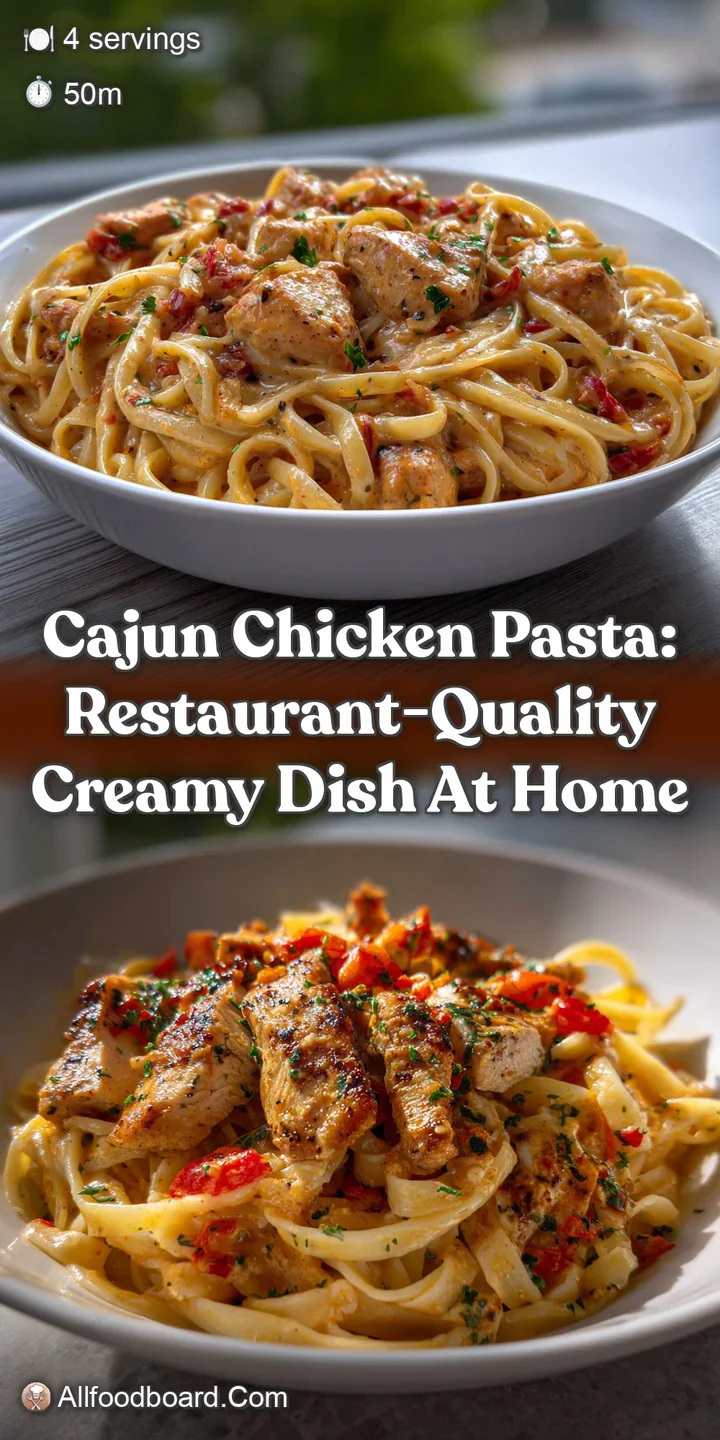
Recipe FAQs
My cream sauce looks gritty or has separated. How can I troubleshoot this?
Sauce separation usually occurs if the heat is too high when adding the heavy cream or cheese. Reduce the heat to low, remove the pan from the burner briefly, and stir vigorously while slowly incorporating the dairy components.
Ensure you are using freshly grated cheese, as pre-shredded varieties contain anti caking agents that hinder smooth melting.
How do I make this dish milder or spicier?
The heat primarily comes from the amount of cayenne pepper used in the Cajun spice blend applied to the chicken. For a milder dish, halve the cayenne and substitute the difference with smoked paprika; for extra heat, add a dash of hot sauce (like Tabasco) when the sauce simmers.
Always taste the seasoning before adding the pasta, as the cream naturally mellows the overall heat.
Can I use different proteins, such as shrimp or sausage, instead of chicken?
Absolutely, this dish works wonderfully with other proteins. If using shrimp, cook it for only 3-5 minutes total, adding it back to the sauce right at the end to prevent it from becoming rubbery.
If using smoked sausage (like Andouille), slice and brown it first, using the rendered fat as the flavorful base for sautéing the vegetables.
Why is reserving pasta water so important for this recipe?
The starch in the pasta water is critical for emulsifying the cream sauce and ensuring it coats the pasta beautifully. Always reserve at least one cup before draining; if the sauce appears too thick or dry, gradually stir in a spoonful or two of the starchy water until the desired silky consistency is achieved.
This prevents the final dish from drying out quickly once served.
How long can I store leftovers, and is this dish freezer friendly?
Leftovers can be safely stored in an airtight container in the refrigerator for up to 3 days. Freezing is generally not recommended because dairy based sauces tend to separate and become grainy upon thawing and reheating.
If you need to freeze components, it is best to prepare the seasoned chicken and vegetables only, adding the heavy cream upon reheating.
What should I use if I don't have all the 'Holy Trinity' vegetables (celery, onion, bell pepper)?
The ‘Holy Trinity’ forms the essential aromatic foundation of Cajun cooking, but you can manage minor substitutions. If you must skip the celery, the flavor will be less complex, so compensate by increasing the amount of bell pepper and onion slightly.
Ensure whatever vegetables you use are cooked until very soft to create a smooth, sweet base for the sauce.
Can I make this dish vegetarian or vegan?
You can easily adapt this dish by substituting the chicken with smoked tofu, sliced mushrooms, or chickpeas, which should be tossed in the Cajun spice blend before searing. For a vegan version, use full fat coconut milk or a high-quality vegan cream/cashew cream, and substitute the Parmesan with nutritional yeast to maintain a creamy texture and savory depth.
Creamy Cajun Chicken Pasta Recipe
Ingredients:
Instructions:
Nutrition Facts:
| Calories | 866 kcal |
|---|---|
| Protein | 55.3 g |
| Fat | 38.3 g |
| Carbs | 75.3 g |
