Lemon Bars: the Classic Zesty Recipe with Buttery Shortbread Crust
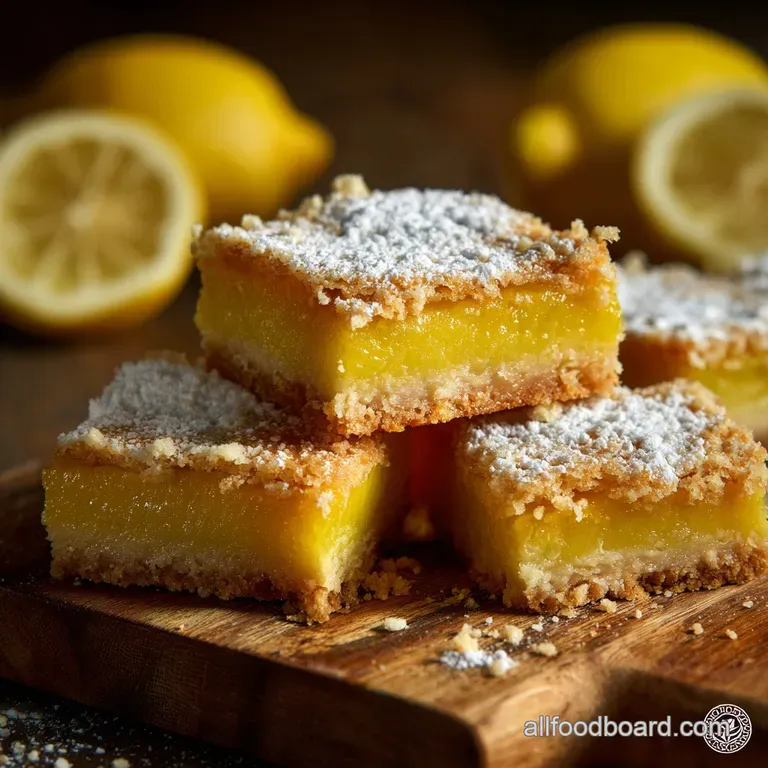
- The Essential Guide to Truly Tangy Lemon Bars
- Mastering the Custard: The Science Behind Perfect Lemon Bar Texture
- Detailed Breakdown of Ingredients for Superior Lemon Bars
- Step-by-Step: Crafting the Ultimate Zesty Lemon Bars
- Troubleshooting and Chef’s Secrets for Flawless Lemon Bars
- Make-Ahead Strategy: How to Store and Freeze Lemon Bar Squares
- Perfect Pairings: Elegant Ways to Serve Lemon Bars
- Recipe FAQs
- 📝 Recipe Card
The Essential Guide to Truly Tangy Lemon Bars
Okay, stop what you are doing. The smell alone that potent, happy cloud of citrus cutting through rich, warm butter is reason enough to bake these Lemon Bars today. They deliver the best pucker power imaginable, hitting that sweet spot between aggressively tart and velvety smooth.
This classic combination, built on a sturdy, perfectly tender shortbread base, is truly addictive.
Forget finicky pies or complicated desserts that require endless chilling; this recipe is truly a lifesaver when you need maximum impact for minimal effort. The ingredient list is short, inexpensive, and relies mostly on pantry staples, plus a handful of gorgeous, fresh lemons.
Honestly, it looks incredibly sophisticated, but I promise it comes together faster than deciding what to watch on Netflix.
I've made every mistake possible with lemon bars, trust me (yes, I've had sad, rubbery ones with filling that weeped all over the counter). But I’ve nailed the tricks for a truly flawless, deeply tangy result every single time.
Let's dive into the absolute essentials for crust perfection and that famously silky filling.
Mastering the Custard: The Science Behind Perfect Lemon Bar Texture
This recipe isn't magic, it's just kitchen science. The genius lies in using a carefully controlled amount of flour in the filling alongside the sugar and eggs. The flour acts as a stabilizer, gently thickening the lemon juice during baking so the filling sets into that lovely, velvety custard instead of dissolving into liquid.
We also insist on blind baking the shortbread crust first. Why? It eliminates the dreaded "soggy bottom." Giving the crust a head start ensures it is fully baked, golden brown, and able to withstand the liquid filling you pour on top.
Defining the Perfect Pucker: Sweet vs. Sour Balance
The balance here is everything, right? If you want the kind of bar that makes your eyes water slightly (in a good way), we need a higher ratio of fresh lemon juice and zest. The two cups of sugar in the filling are absolutely necessary to counteract the acidity, creating a harmonious and vibrant flavor profile.
Do not cut the sugar.
The Role of a Buttery Shortbread Foundation
A perfect lemon bar needs a crust that resists crumbling while melting in your mouth. We use cold, cubed butter and cut it into the flour quickly, ensuring pockets of butter remain. This creates steam while baking, which results in a tender, crumbly crust rather than a tough, homogenous cookie base.
Prepping Your Pan: Essential Steps Before You Begin
Listen, do yourself a huge favor: line your pan with parchment paper, leaving generous overhangs on two sides. These overhangs become handles that allow you to lift the entire set slab of bars out of the pan cleanly. This is non-negotiable if you want beautiful, clean slices.
Why Zest Infusion is Non-Negotiable for Maximum Flavor
Juice gives you acidity, but zest gives you flavor . The outer rind holds all the potent lemon oils. I always rub the zest directly into the sugar before adding the eggs. This tiny step releases those precious oils, infusing the entire filling with intense lemon aroma, and it makes all the difference.
The Egg-Sugar Reaction: Achieving a Smooth, Non-Weeping Filling
We whisk the eggs and sugar vigorously until they lighten slightly, which starts dissolving the sugar crystals. Adding the flour at this stage helps stabilize the proteins in the egg mixture. When you incorporate the cold juice, you must do it slowly.
This prevents shocking the eggs and results in a smooth, lump free filling that won't separate or weep after cooling.
Crust First: Preventing a Soggy Bottom Strategy
Blind baking is the key strategy. We bake the crust at 350°F (175°C) until it is lightly set and just beginning to turn golden around the edges. When you pour the liquid filling onto that hot, pre-baked crust, it immediately starts to seal the surface, making it much harder for the liquid to seep through and create a soggy mess later.
Detailed Breakdown of Ingredients for Superior Lemon Bars
This recipe relies on simple, high-quality ingredients. Don't cheap out on the citrus; this is a lemon focused dessert!
Selecting the Best Lemons for Peak Tartness and Zest Yield
Always choose firm, bright yellow lemons that feel heavy for their size those are the juiciest. You should be able to get two tablespoons of zest from about 3 to 4 large lemons. Crucial tip: Zest before you juice! Trying to zest a floppy, juiced lemon is the worst.
Crust Perfection: Using Cold Butter and Precise Flour Measurements
The crust uses a high ratio of butter to flour, which is why it tastes so rich and tender. Measuring your flour correctly is important; always use the spoon and level method, scooping the flour lightly into the measuring cup and leveling off the excess.
Using cold, hard butter cubes ensures that wonderful shortbread texture.
Smart Ingredient Substitutions for Dietary Restrictions
| Original Ingredient | Viable Substitution | Notes |
|---|---|---|
| All-Purpose Flour (Crust) | 1:1 gluten-free Baking Blend | Look for a blend containing Xanthan Gum for structure. |
| All-Purpose Flour (Filling) | Cornstarch (Use 2 Tbsp instead of 1/4 cup flour) | Creates a slightly more translucent, tender filling. |
| Unsalted Butter | Cold Plant Based Baking Sticks | Make sure they are high fat; soft margarines hold too much water. |
| Granulated Sugar | Caster Sugar (Superfine) | This dissolves faster, ensuring a smoother filling texture. |
The Difference Between Granulated Sugar and Powdered Sugar in the Recipe
We use granulated sugar inside the bars for two reasons: its structure stabilizes the crust and aids in setting the custard. Powdered sugar (confectioners' sugar) is used only for dusting the top after the bars are fully cooled.
This provides that beautiful, crisp white contrast and adds a final delicate layer of sweetness.
step-by-step: Crafting the Ultimate Zesty Lemon Bars
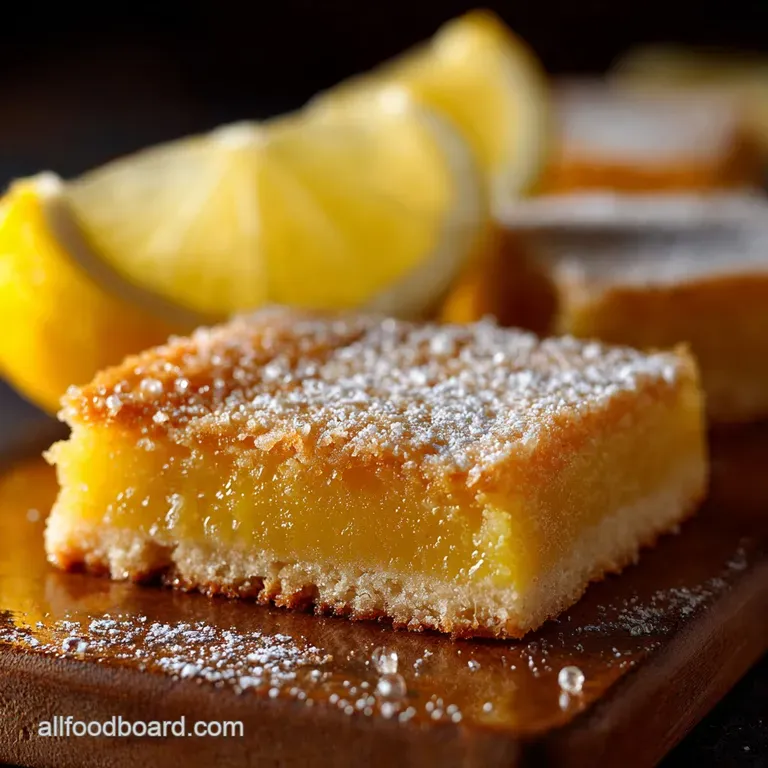
Get your oven preheating to 350°F (175°C), and let’s crack on.
Forming and Blind Baking the Shortbread Crust
Whisk the dry crust ingredients, then cut in the cold butter until the mixture resembles coarse sand, perhaps with some pea-sized crumbs still visible. Don't use a warm hand! Press this mixture firmly into your prepared, parchment lined pan, making sure to push the dough slightly up the sides.
Bake it for 20 minutes until the edges just start to color.
Whisking the Tangy Filling to the Correct Consistency
While the crust bakes, reduce your oven temperature to 325°F (160°C). Vigorously whisk the eggs and sugar which you have already infused with the zest until they are light yellow and slightly frothy. Gently whisk in the sifted flour and salt until smooth, then stream in the strained lemon juice.
It will be very liquid; that is correct!
The Critical Double Bake: Pouring and Setting the Custard
Pour the liquid filling carefully over the hot baked crust. Return the pan to the now cooler 325°F oven. Bake for 25 to 30 minutes.
Chef’s Note: The bars are done when the filling edges are set and opaque, but the center still has a slight, noticeable wobble when you nudge the pan gently. If it looks completely firm, you've overbaked, and it might be rubbery.
Cooling and Chill Time: The Secret to Clean Lemon Bar Slices
This is the hardest part for impatient bakers (like me!). You must let the bars cool completely to room temperature on the counter, then transfer them to the fridge for at least 1 to 2 hours.
Chilling solidifies the butter in the crust and fully sets the custard, guaranteeing those professional, laser sharp slices.
Troubleshooting and Chef’s Secrets for Flawless Lemon Bars
I learned these tips the hard way, usually involving frantic phone calls to my mum.
Solving the Mystery: Why Your Filling Cracked or Curdled
Curdling or separating usually happens because the oven was too hot, causing the eggs to cook too quickly. This is why we drop the temperature down to 325°F for the second bake! Cracking often happens if you let them cool too fast; avoid putting a hot pan directly into a cold fridge.
Achieving Laser Sharp Slices: The Hot Knife Method
Want those perfect, clean lines like you see at fancy bakeries? Dip a long, sharp knife into a tall glass of very hot water, wipe it completely dry, and make your cut. Repeat this process hot water, dry wipe before every single slice. It prevents the sticky filling from dragging.
Intensifying the Zest: A Tip for Lemon Oil Infusion
If you are a serious lemon fanatic, use this trick: Right before you serve, lightly brush the tops of the bars with a few drops of high-quality lemon essential oil (food grade only!) mixed into a tablespoon of simple syrup. It smells utterly heavenly. This strong flavor profile also works great if you are preparing something savory like my Healthy Grilling Recipes: Lemon Herb Swordfish Skewers Asparagus .
make-ahead Strategy: How to Store and Freeze Lemon Bar Squares
These bars are excellent for making ahead, which is another reason I love them so much. But does it freeze well? You bet.
Refrigerator Lifespan and Optimal Airtight Storage
Once the bars are fully chilled and sliced, store them in an airtight container between layers of parchment paper. They will stay perfectly fresh and tangy in the refrigerator for up to 5 days. After that, the crust starts to soften slightly, but they’re still tasty.
The Best Method for Freezing Fully Baked Lemon Squares
If you need to store them longer, freeze the individual, unsliced squares before dusting them with powdered sugar. Wrap each bar tightly in plastic wrap, then place them all in a large freezer bag, squeezing out excess air. They freeze beautifully for up to 3 months.
Thaw them overnight in the fridge, then dust them with sugar right before serving.
Preparing Components (Crust/Filling) Separately in Advance
The shortbread dough is fantastic for prep work! You can form the crust in the pan, cover it tightly, and keep it chilled in the fridge for up to 2 days before baking. I don't recommend mixing the filling in advance, however, as the flour will eventually settle out, and the zest will lose some of its potency.
Perfect Pairings: Elegant Ways to Serve Lemon Bars
These bars are spectacular on their own, but pairing them elevates the experience.
Solving the Mystery: Why Your Filling Cracked or Curdled
Serve lightly chilled, pulled straight from the fridge, alongside a simple cup of coffee or a proper loose leaf tea. For a patriotic twist, they pair beautifully with other citrus based desserts, like my 4th of July Treats: Easy No-Bake Firecracker Cheesecake Bars if you need a huge dessert spread.
Achieving Laser Sharp Slices: The Hot Knife Method
Plating a single bar with a swirl of fresh, soft whipped cream or thick crème fraîche adds a beautiful dairy counterpoint. A few fresh raspberries scattered alongside the plate provide color and another layer of fruity tartness.
Intensifying the Zest: A Tip for Lemon Oil Infusion
For dinner parties, serve tiny, bite sized squares as a sophisticated dessert bite. Dust them, place them in mini cupcake liners, and serve them alongside sparkling wine or maybe a slightly sweet Riesling. The contrast is killer.

Recipe FAQs
Why did my shortbread crust come out tough instead of tender?
A tough crust is often caused by overmixing the dough, which develops the gluten in the flour. Ensure you mix the flour and butter only until the mixture just comes together, resembling coarse sand or moist crumbs.
Also, avoid compacting the crust too firmly into the pan, as this can result in a dense, biscuit like texture.
My lemon filling seems runny, even after cooling. What went wrong?
The filling needs sufficient heat exposure to allow the eggs to set and the starch (flour) to thicken properly. Ensure your oven temperature is accurate and you baked the filling until the edges are set and the center barely wobbles.
If the filling still seems too soft after cooling completely at room temperature, chilling the bars overnight in the refrigerator usually helps them solidify perfectly.
Can I use bottled lemon juice instead of fresh juice and zest?
While bottled juice is technically possible, it is highly discouraged for this recipe, as the resulting flavor will be muted and lack the necessary brightness and complexity. The fresh zest carries the bulk of the intense citrus oil required for a truly zesty bar.
Always use fresh lemons for both the juice and the zest to achieve that powerful, uplifting citrus zing.
How should I store the lemon bars, and how long do they last?
Lemon bars must be stored in an airtight container in the refrigerator due to the high egg content in the filling. They will maintain their best quality, texture, and flavor for 3 to 4 days. If stacking multiple layers, separate them with parchment paper to prevent the filling from sticking.
Is it possible to freeze lemon bars, and if so, what is the best method?
Yes, lemon bars freeze exceptionally well! Allow them to cool completely, cut them into squares, and then freeze them uncovered on a baking sheet until fully solid. Once solid, transfer the bars into an airtight container, layered with wax or parchment paper, where they will keep for up to three months.
I want a flavor variation. Can I use lime or orange instead of lemon?
Absolutely, substituting other citrus fruits is a great variation, but note that you may need to adjust the sugar content slightly. Lime bars (often called Key Lime Bars) are a very common variation and will be naturally tangier.
If using orange, which is much sweeter than lemon, you might want to slightly reduce the sugar in the filling for better flavor balance.
When should I dust the lemon bars with powdered sugar?
You must dust the lemon bars with powdered sugar just before serving, not while they are cooling or sitting in the fridge. If you apply the sugar too early, the residual moisture from the chilled filling will absorb the sugar, making it disappear or creating a sticky, dissolved glaze.
For the best presentation, use a fine mesh sieve immediately before the bars hit the table.
Classic Zesty Lemon Bars Recipe
Ingredients:
Instructions:
Nutrition Facts:
| Calories | 314 kcal |
|---|---|
| Protein | 4.0 g |
| Fat | 11.0 g |
| Carbs | 51.0 g |
