Baked Mostaccioli: a Hearty Italian-American Classic
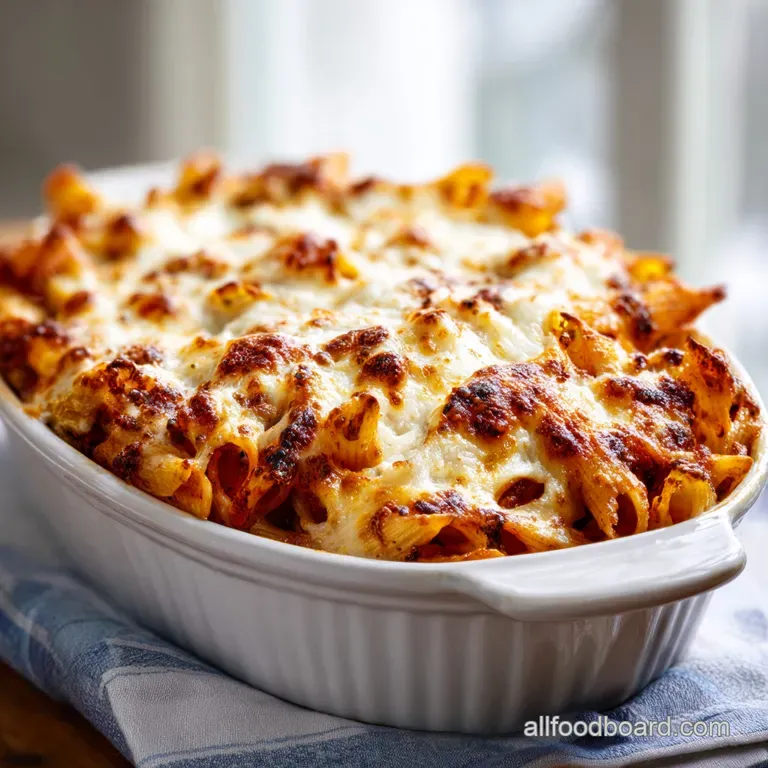
- Time: Active 20 minutes, Passive 45 minutes, Total 65 minutes
- Flavor/Texture Hook: Savory meat sauce with a golden, shatter crisp cheese topping
- Perfect for: Sunday family dinners, budget-friendly meal prep, or potluck crowds
- The Soul of Classic Baked Mostaccioli
- Why Heat and Starch Matter
- Deep Dive into Component Analysis
- Budget Friendly Ingredient Essentials
- Essential Tools for Success
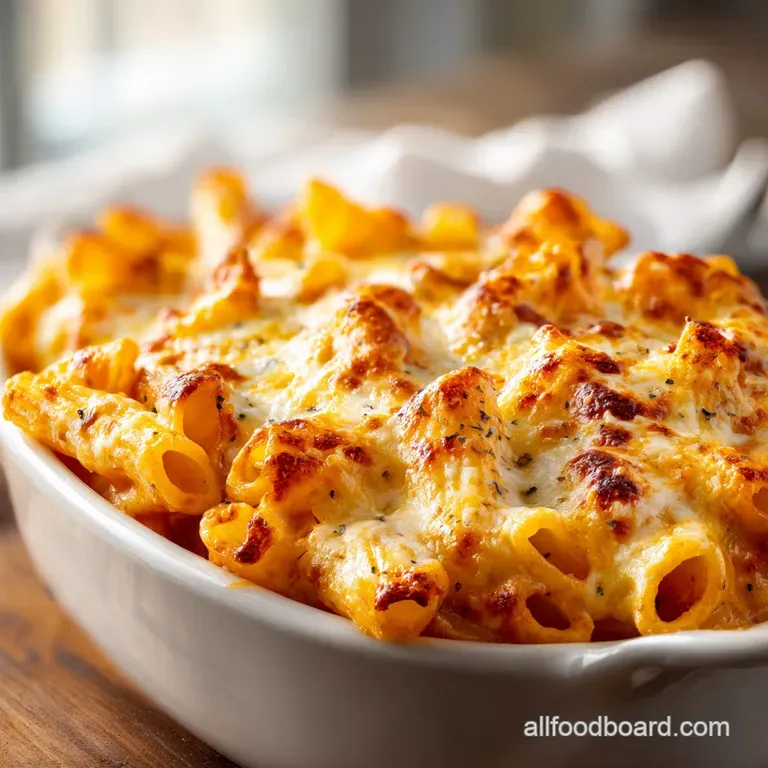
- Achieving the Ultimate Golden Crust
- Solving Texture Issues Effectively
- Adjusting the Batch Size
- Debunking Pasta Bake Myths
- Maximizing Freshness and Reducing Food Waste
- Completing the Meal with Simple Side Dishes
- Very High in Sodium
- Recipe FAQs
- 📝 Recipe Card
The Soul of Classic Baked Mostaccioli
There is a specific kind of magic that happens in a kitchen when garlic hits hot fat and the scent of dried herbs begins to wake up. For me, that smell always triggers memories of my Aunt Clara’s kitchen on a Sunday afternoon.
While the rest of the world was obsessed with penne, she was a fierce defender of mostaccioli. She used to tell me that the smooth surface of the "little mustache" pasta was a sign of a cook who knew that a truly great sauce didn't need ridges to cling to it just needed the right consistency.
This dish has deep roots in Southern Italy, particularly in regions like Campania and Sicily, where baked pasta, or "pasta al forno," was the centerpiece of festive meals. It was originally a way to use up leftover meats and cheeses, stretching expensive ingredients to feed a large family.
When Italian immigrants brought these traditions to the States, mostaccioli became the budget friendly king of the Midwest and beyond. It’s more than just a casserole; it’s a cultural bridge that turns a few simple pantry staples into a feast.
We aren't just throwing noodles and jarred sauce in a pan here. We are building layers of flavor, from the spicy kick of Italian sausage to the creamy, molten heart of the ricotta layer. If you've ever ended up with a pasta bake that was dry on top and soupy in the middle, I’ve been there.
I’ve made those mistakes so you don’t have to. We’re going to talk about why we stop the pasta short of being done and how that sugar in the sauce isn't just for sweetness it's the secret to balancing the whole plate.
Why Heat and Starch Matter
Starch Adhesion: When we cook the pasta 2 minutes less than al dente, we leave the internal starches thirsty, allowing them to soak up the sauce during the baking process rather than water.
Fat Emulsification: Simmering the ground beef and Italian sausage with the tomato paste creates a stable base where the fats from the meat blend into the acidity of the tomatoes, resulting in a velvety texture.
Protein Coagulation: Adding a lightly beaten egg to the ricotta mixture ensures the cheese layer sets properly into a creamy wedge instead of weeping liquid into the bottom of the baking dish.
Surface Caramelization: Baking at 190°C (375°F) provides enough direct heat to trigger browning on the mozzarella and parmesan without overcooking the pasta underneath.
| Cooking Method | Time | Texture Result | Best For |
|---|---|---|---|
| Traditional Oven | 45 minutes | Golden crust with soft, set center | Family dinners and crispy cheese fans |
| Slow Cooker | 4 hours | Completely soft, infused flavors | Hands off prep for busy weekdays |
| Stovetop Only | 20 minutes | Loose sauce, no crust | Immediate eating with zero wait |
The traditional oven method is truly the gold standard for this dish because you simply cannot replicate that golden, bubbling crust in a slow cooker. The dry heat of the oven allows the moisture in the top layer of cheese to evaporate, leaving behind those crispy, browned bits that everyone fights over at the dinner table.
Deep Dive into Component Analysis
| Ingredient | Science Role | Pro Secret |
|---|---|---|
| Mostaccioli Pasta | Structural Base | Use the smooth variety to allow the sauce to glide over the surface for a lighter mouthfeel. |
| Tomato Paste | Umami Concentrator | Sauté the paste with the garlic for 2 minutes to caramelize the sugars before adding liquids. |
| Whole Milk Ricotta | Moisture Barrier | Always opt for whole milk; the higher fat content prevents the cheese from becoming grainy when heated. |
| Granulated Sugar | Acid Balancer | A tiny amount neutralizes the metallic tang of canned tomatoes, mimicking the sweetness of fresh San Marzano fruit. |
Choosing the right ingredients is the difference between a "good" dinner and a "can I have the recipe?" dinner. For example, using 80/20 ground beef chuck provides just enough fat to carry the flavors of the Italian seasoning without making the final casserole feel greasy. If you find yourself looking for more comfort food inspiration, you might find my Million Dollar Lasagna recipe interesting, as it uses a similar cheese layering technique to achieve that decadent, rich texture.
Budget Friendly Ingredient Essentials
To keep this meal affordable without sacrificing the soul of the dish, we focus on high impact aromatics and smart protein choices.
- Mostaccioli Pasta (450g / 1 lb): The backbone of the dish. Why this? Smooth tubes provide a distinct, silky texture compared to common ridged penne.
- Italian Sausage (450g / 1 lb): Removes the need for extra spices. Why this? Pre seasoned meat provides fennel, garlic, and pepper notes instantly.
- Ground Beef Chuck (225g / 0.5 lb): Adds beefy depth. Why this? Mixing meats stretches the more expensive sausage flavor further.
- Crushed Tomatoes (1.6kg / 56 oz): The sauce base. Why this? Provides a thick, consistent texture without the chunkiness of diced tomatoes.
- Whole Milk Ricotta (425g / 15 oz): The creamy heart. Why this? Creates a distinct, velvety layer that mimics a professional lasagna.
- Mozzarella Cheese (335g / 3 cups): The crowning glory. Why this? High moisture content ensures a perfect, stretchy cheese pull.
- Yellow Onion & Garlic: The aromatic foundation.
- Tomato Paste (2 tbsp): For thickening and color.
- Italian Seasoning (1 tbsp): A balanced blend of oregano, basil, and rosemary.
- Fresh Basil (0.25 cup): For a bright, aromatic finish after baking.
| Original Ingredient | Substitute | Why It Works |
|---|---|---|
| Italian Sausage | Ground Pork + Fennel | Mimics the flavor profile at a lower price point. |
| Whole Milk Ricotta | Small Curd Cottage Cheese | Note: Blending it first provides a similar creaminess but with more protein. |
| Mostaccioli | Penne Rigate | Ridges hold more sauce but the overall bite remains very similar. |
| Fresh Basil | 1 tsp Dried Basil | Offers the same herbal note, though it lacks the fresh green visual pop. |
Sometimes you just don't have fresh herbs on hand, and that is perfectly okay. The dried Italian seasoning does the heavy lifting here. However, I always suggest keeping a small jar of tomato paste in the fridge.
It's a cheap way to make a sauce taste like it's been simmering for six hours when it's only been on the stove for twenty minutes.
Essential Tools for Success
You don't need a professional kitchen to make a stellar Baked Mostaccioli, but a few specific items make the process much smoother. First and foremost, a heavy bottomed Dutch oven (like a Lodge) is your best friend for browning the meat.
It holds heat consistently, which means you get a better sear on the beef and sausage instead of just steaming them.
You will also need a 9x13 inch (23x33 cm) baking dish. Glass or ceramic works best here as they distribute heat evenly, helping the cheese on the edges brown at the same rate as the center. A large colander is essential for draining the pasta, and a sturdy whisk will help you incorporate the egg into the ricotta without leaving any streaks. If you're planning on serving this with a side of bread, which I highly recommend, you can check out my French Bread recipe to get that perfect crispy crust for dipping into the leftover sauce.
Chef's Tip: Use a metal spoon to "scrape the fond" (the brown bits) off the bottom of the Dutch oven after adding the onions. That's where all the concentrated flavor lives!
Achieving the Ultimate Golden Crust
- Boil the water. Fill a large pot with water and a generous handful of salt until it tastes like the sea. Bring to a rolling boil. Note: Salted water is your only chance to season the pasta itself.
- Par boil the pasta. Add the mostaccioli and cook for approximately 2 minutes less than the package instructions for al dente. The pasta should feel slightly too firm to eat.
- Drain effectively. Drain the pasta in a colander but do not rinse it. Note: Rinsing removes the starch that helps the sauce stick to the smooth pasta.
- Brown the meats. In a large Dutch oven over medium high heat, brown the Italian sausage and ground beef. Cook until no longer pink and small crumbles form.
- Sauté the aromatics. Add the diced onion to the meat and cook for 5 minutes. Wait until the onions are translucent and soft. Stir in the minced garlic for the final 60 seconds.
- Simmer the sauce. Stir in crushed tomatoes, tomato paste, Italian seasoning, sugar, salt, and pepper. Let it bubble gently to meld the flavors.
- Prep the cheese. In a mixing bowl, combine ricotta, egg, and 1 cup of mozzarella. Note: The egg acts as a binder to keep the cheese layer from running.
- Combine and layer. Toss the par boiled pasta with the meat sauce. Layer half into a 9x13 inch baking dish, spread the ricotta mixture over it, then top with the rest of the pasta.
- Top and bake. Cover with the remaining mozzarella and parmesan. Bake at 190°C (375°F) for 25-30 minutes until the cheese is golden and bubbling.
- Rest and garnish. Remove from the oven and let it sit for 5 minutes. Scatter the fresh chopped basil over the top before slicing.
Solving Texture Issues Effectively
The most common heartbreak with a pasta bake is a "soupy" center. This usually happens because the pasta was overcooked in the water or the sauce was too thin. By stopping the boil 2 minutes early, we force the pasta to finish cooking by absorbing the excess moisture from the tomato sauce.
Another issue is a "shattering" top layer where the cheese becomes hard and plastic like. This is why we use a mix of mozzarella (for the melt) and parmesan (for the salt and crust).
If you find your cheese is browning too fast, a loose tent of aluminum foil for the first 15 minutes of baking will protect it while the center heats through.
| Problem | Root Cause | Solution |
|---|---|---|
| Mushy Noodles | Overcooking during the boiling stage | Reduce boil time by 2 minutes; they soften further in the oven. |
| Greasy Surface | Not draining the meat fat | Drain all but 1 tablespoon of fat after browning the beef and sausage. |
| Dry Pasta | Sauce was too thick or too little | Ensure you use the full 56 oz of crushed tomatoes to provide enough hydration. |
Common Mistakes Checklist
- ✓ Never rinse your pasta after draining; the starch is the "glue" for your sauce.
- ✓ Use whole milk ricotta rather than skim to avoid a watery, grainy texture.
- ✓ Don't skip the sugar; it chemically balances the acidity of the tomato paste.
- ✓ Let the dish rest for 5-10 minutes after baking so the layers can "set" for cleaner slices.
- ✓ Brown the tomato paste directly in the pan for a few minutes to remove the "tinny" flavor.
Adjusting the Batch Size
If you are cooking for a smaller crowd, you can easily halve this recipe. Use an 8x8 inch (20x20 cm) baking dish and reduce the baking time by about 5 to 8 minutes. Since it's hard to halve an egg, simply beat one egg in a small cup and use about two tablespoons of it for the ricotta mixture.
For a larger party, doubling the recipe works perfectly in two separate 9x13 inch dishes. When doubling, I recommend only using 1.5 times the salt and spices initially, then tasting the sauce before it goes into the oven. Sometimes doubling spices can lead to an overwhelming flavor profile.
If you're baking two dishes at once, swap their positions on the oven racks halfway through to ensure they both get that beautiful golden cheese crust.
| Servings | Dish Size | Meat Total | Pasta Amount |
|---|---|---|---|
| 4-5 People | 8x8 inch | 0.75 lb total | 0.5 lb |
| 9 People | 9x13 inch | 1.5 lb total | 1 lb |
| 18 People | Two 9x13 inch | 3 lb total | 2 lb |
Debunking Pasta Bake Myths
One common myth is that you must use ridged pasta (penne rigate) for the sauce to stick. In reality, a well emulsified meat sauce with a bit of tomato paste and residual pasta starch will cling beautifully to smooth mostaccioli.
The smooth surface actually provides a more elegant, "velvety" mouthfeel that many people prefer once they try it.
Another misconception is that you need to cook the meat sauce for hours to get a "deep" flavor. While a long simmer never hurts, the combination of Italian sausage (which is already cured and spiced) and tomato paste gives you a "shortcut" to that deep, developed flavor in just about 15 minutes of active simmering.
Maximizing Freshness and Reducing Food Waste
Storage Guidelines: Baked Mostaccioli is actually one of those rare dishes that tastes even better the next day. Keep leftovers in an airtight container in the fridge for up to 4 days.
When reheating, add a tiny splash of water or extra marinara to the bowl before microwaving to keep the noodles from drying out.
Freezing Instructions: This is a fantastic freezer meal. You can assemble the entire dish (up to the baking step), wrap it tightly in plastic wrap and then foil, and freeze for up to 3 months.
To bake from frozen, let it thaw in the fridge overnight, then bake as directed, adding about 10 extra minutes to the timer.
Zero Waste Tip: Don't throw away those parmesan rinds! If you buy a block of cheese, save the hard ends in a freezer bag. Toss a rind into the meat sauce while it simmers to add an incredible depth of salty, nutty flavor. Just remember to fish it out before you layer the pasta!
Also, if you have leftover ricotta, it's wonderful spread on toast with a drizzle of honey and black pepper for a quick breakfast.
Completing the Meal with Simple Side Dishes
Because this is a heavy, cheese forward dish, it pairs best with something bright and acidic. A simple green salad with a sharp lemon vinaigrette helps cut through the richness of the ricotta and sausage. I also love serving this with roasted broccoli or sautéed garlicky spinach to get some greens on the plate.
And of course, you cannot have a pasta bake without bread. Whether it's a crusty loaf of Italian bread or some cheesy garlic knots, you'll want something to swipe up every last drop of that meat sauce.
If you want to keep it simple, a plate of sliced tomatoes with a sprinkle of sea salt and a drizzle of balsamic glaze provides a fresh contrast to the warm, bubbly casserole. It’s the kind of meal that makes everyone slow down, stay at the table a little longer, and enjoy the simple pleasure of a home cooked dinner.

Very High in Sodium
1120 mg 1120 mg (49% 49%)
The American Heart Association recommends no more than 2,300mg of sodium per day for most adults, aiming for an ideal limit of 1,500mg.
Tips to Reduce Sodium
-
Choose Low-Sodium Italian Sausage-25%
Replace 1 lb of regular Italian sausage with low-sodium or no-salt added Italian sausage. This is a significant source of added sodium.
-
Reduce Parmesan Cheese-15%
Lower the amount of grated parmesan cheese from 0.5 cup to 2 tablespoons. Parmesan is naturally high in sodium.
-
Omit Added Salt-20%
Remove the 'Salt to taste' step entirely and rely on other seasonings. You can always add a pinch of salt at the table if needed.
-
Select No-Salt Added Crushed Tomatoes-10%
Opt for no-salt added crushed tomatoes when purchasing your 56 oz can. This can significantly cut down on hidden sodium.
-
Boost Flavor with Herbs and Spices
Enhance the dish's flavor by liberally using fresh basil, dried Italian seasoning, and freshly cracked black pepper. Consider adding garlic powder, onion powder, or a pinch of red pepper flakes for extra zest without sodium.
-
Use Part Skim Mozzarella-5%
While not a huge sodium difference, using part skim mozzarella can offer a slight reduction compared to whole milk varieties. Look for brands with lower sodium content.
Recipe FAQs
How long do you put mostaccioli in the oven?
Bake at 375°F for 25-30 minutes. You are looking for the cheese to be golden brown and the sauce to be bubbling vigorously around the edges.
Should mostaccioli be baked, covered or uncovered?
Bake it uncovered. This allows the cheese to properly melt, brown, and create a delicious crust. If you enjoyed the crusty texture of a bread bowl, you will appreciate how this open baking technique improves the top layer.
Are baked ziti and mostaccioli the same thing?
They are essentially the same dish. The terms are often used interchangeably because both use tube shaped pasta that holds sauce well, though mostaccioli is typically a smooth, diagonal cut noodle while ziti is straight cut.
Do you need to boil pasta before you bake it?
Why is my baked mostaccioli watery?
You likely used low-fat ricotta or skipped the resting period. Always use whole milk ricotta for a stable texture, and let the dish rest for 5-10 minutes after removing it from the oven to allow the layers to set.
How to prevent the pasta from getting mushy?
Undercook your pasta during the boiling stage. By stopping at the "2 minutes less than al dente" mark, the noodles have the structural integrity to hold their shape once mixed with sauce and baked.
How to get the most flavor out of the tomato sauce?
Brown the tomato paste directly in the pan with the meat. Cooking the paste for a few minutes before adding the crushed tomatoes removes the "tinny" flavor and deepens the overall richness of the sauce.
Classic Baked Mostaccioli
Ingredients:
Instructions:
Nutrition Facts:
| Calories | 638 kcal |
|---|---|
| Protein | 36g |
| Fat | 31g |
| Carbs | 53g |
| Fiber | 5g |
| Sugar | 9g |
| Sodium | 1120mg |
