Fall Dinner Recipes: Autumn Orchard Cider-Braised Chicken

- Autumn Orchard Chicken: The Ultimate Fall Dinner Recipe
- The Science of Comfort: Why Braising Delivers Optimal Fall Flavor
- Essential Components for Authentic Fall Dinner Recipes: Ingredients and Sourcing
- Preparing Autumn Orchard Chicken: Step-by-Step Braising Method
- Troubleshooting Your Braise: Expert Tips and Common Pitfalls
- Making Ahead: Storage, Freezing, and Reheating Braised Chicken
- Completing the Menu: Perfect Pairings for Fall Dinner Recipes
- Recipe FAQs
- 📝 Recipe Card
Autumn Orchard Chicken: The Ultimate Fall Dinner Recipe
You know that exact moment when the air gets crisp and you can smell woodsmoke and wet leaves? That’s when my brain switches from light summer salads to deep, savory comfort. This Autumn Orchard Chicken braise delivers that exact feeling in one incredible pot.
The aroma of sage, sweet apple cider, and caramelized onions filling the kitchen is pure magic.
We are talking about easy fall dinners that do all the heavy lifting for you. After a quick burst of searing, you tuck this cozy pot into the oven or leave it simmering gently on the hob, and it basically cooks itself. It is ridiculously budget friendly and gives you leftovers that taste even better the next day.
This is how you win at autumn meal planning.
If you are ready to ditch the complicated weeknight recipes and embrace truly hearty comfort meals, grab your Dutch oven. We are focusing on maximizing depth of flavour using simple seasonal ingredients. Trust me, this cider braised chicken is about to become your family’s favourite fall dinner recipe.
The Science of Comfort: Why Braising Delivers Optimal Fall Flavor
Capturing the Essence of Seasonal Braising (Low and Slow)
Braising is simply the perfect method for autumn cooking. It uses moisture and low heat to transform tougher cuts of protein and hearty root vegetables into something meltingly tender. We take humble bone-in chicken legs and give them a spa day in a bath of delicious, savory liquid.
This lengthy, gentle simmer breaks down the collagen, resulting in incredibly rich, succulent meat.
A British Twist: Why Cider and Sage Belong Together
This is a flavor combination straight out of an English country pub. The robust, slightly earthy flavor of sage cuts beautifully through the richness of the dark meat. Using a dry hard cider provides essential acidity and a deep, complex sweetness as it reduces.
Do not use sweet dessert cider, please; it throws the whole balance off, making the sauce syrupy instead of glossy.
What Makes This Dish Stand Out (Flavor Profile Overview)
You get a fantastic push and pull experience with every bite. The final dish has deep, savoury notes from the browned chicken and onions, a slightly sweet earthiness from the butternut squash, and a pleasant tang from the reduced cider. This robust profile is exactly what a hearty comfort meal should deliver.
The Maillard Reaction: Achieving the Golden Sear on Chicken Legs
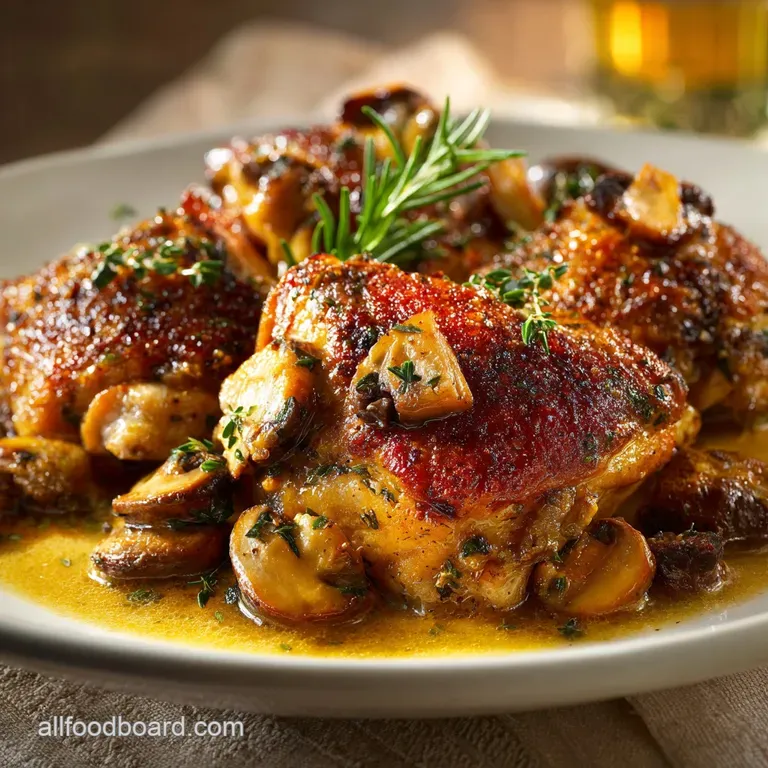
Searing the chicken first is absolutely non-negotiable, and here’s why: flavor science. That golden crust isn't just for looks, it is the Maillard reaction doing its spectacular work. This chemical process creates hundreds of complex flavor compounds that simply cannot be developed by just simmering the meat.
Transforming Tough Fibers: The Magic of Low and Slow Cooking
Dark meat like chicken thighs and legs contains more connective tissue, making them perfect for braising. The extended cook time dissolves those tough fibers into gelatin, which thickens your sauce naturally and makes the chicken so tender you can shred it with a spoon. You could easily adapt this technique for a truly impressive Fall Instant Pot Recipes: Tender Cider Pulled Pork Dinner if you wanted to switch things up.
Balancing Act: Acidity (Cider) vs. Sweetness (Squash)
The key to a truly successful braise is balance. The slight tartness and acidity in the dry cider prevent the dish from tasting heavy or one-note. The squash adds a necessary, gentle sweetness and starchiness, rounding out the profile and contrasting the savory herbs.
Essential Components for Authentic Fall Dinner Recipes: Ingredients and Sourcing
I am a huge believer in using what you have, so don't fret if you're missing one item. Look below for my go-to substitutions. However, sourcing good quality bone-in chicken and a proper dry cider is essential for maximizing this recipe’s potential.
Choosing the Right Cut: Bone-In Chicken Legs vs. Thighs
I prefer the legs (thighs and drumsticks) for deep flavor and ease of handling in the pot. Bone-in, skin-on is critical here; the bones add flavour to the stock, and the skin, once seared, protects the meat during the long cook.
Selecting the Squash: Butternut Alternatives (Pumpkin or Acorn)
Butternut is my favourite because it holds its shape relatively well and has that creamy sweetness. If you don't have it, acorn squash works great but might break down a little more. You could also use sweet potato, which gives a richer, denser final texture.
Cider Specifics: Dry vs. Sweet Cider in Braising
I already warned you, but I’ll say it again! Choose a dry, unsweetened hard cider. We want the complexity, not a sugar bomb. If you cannot find hard cider, substitute with a dry white wine like Sauvignon Blanc mixed with a tablespoon of real apple cider vinegar.
Fresh Herbs Focus: Maximizing Sage and Thyme Aromatics
Dried herbs are fine in a pinch, but fresh sage makes this dish. It releases a wonderful, comforting scent as it simmers in the braising liquid. Tie the thyme sprigs together with kitchen string; that way, you can easily pull them out before serving.
Preparing Autumn Orchard Chicken: step-by-step Braising Method
Preparation: Trimming and Seasoning the Chicken
First things first: pat the chicken pieces until they are bone dry using paper towels. This step guarantees you get a crisp, deep brown sear, which equals phenomenal flavor later. Season them heavily with salt, pepper, and just a dusting of flour.
That flour coating helps everything brown better and starts thickening the sauce instantly.
Building the Flavor Base: Sautéing Aromatics (Mirepoix)
Once you’ve seared and rested the chicken, that pot is full of good fat and flavor. We add the onions, carrots, and celery next, sautéing them until they soften and start caramelizing slightly. This slow cook develops a sweet, savory depth that forms the backbone of the entire dish.
The Braising Liquor: Deglazing and Combining the Stock
This is my favorite step! Pour in the cider while the pot is still hot. Immediately grab your wooden spoon and aggressively scrape up all those sticky brown bits from the bottom that is called the fonds , and it’s pure gold.
Mix in the stock and Dijon mustard, then bring everything up to a gentle simmer.
Chef's Note: Tasting the sauce base before braising is crucial. If it tastes dull now, it will taste dull later. Adjust the salt immediately.
The Long Simmer: Cook Time and Doneness Checks
Return the chicken to the pot, nestling it deep among the squash and vegetables. Ensure the liquid comes about halfway up the sides of the chicken. Cover the Dutch oven tightly and reduce the heat to low.
After 45– 60 minutes, the internal temperature should hit 180°F (82°C), and the meat should be effortlessly falling away from the bone.
Troubleshooting Your Braise: Expert Tips and Common Pitfalls
Mistake 1: Overcrowding the Pan During the Sear
This is the fastest way to ruin your meal, trust me; I learned this the hard way years ago trying to rush a large party dinner. When you put too many cold pieces of chicken into the pot, the temperature drops dramatically. The chicken ends up steaming instead of searing, leaving you with pale, rubbery skin.
Always sear in batches, giving each piece plenty of space.
Tip: Achieving a Thicker, Glossy Sauce Post Braise
Sometimes your braising liquid is a little runnier than you want. The simple fix is to remove the meat, increase the heat, and let the sauce boil vigorously, uncovered, for 5 to 10 minutes.
This concentrates the flavor and naturally reduces the liquid until it reaches a beautiful, glossy consistency.
The Importance of Resting the Meat (For Optimal Juiciness)
While the meat rests, the muscle fibers relax, reabsorbing all those precious juices that would otherwise run out onto your plate. Once the braise is done, remove the chicken and cover it loosely while you reduce the sauce. This short 5 minute rest makes a massive difference in texture.
Making Ahead: Storage, Freezing, and Reheating Braised Chicken
Refrigerating Leftovers: Safety Guidelines
Braised dishes are truly superior leftovers because the flavors deepen overnight. Once cooled slightly, store the chicken and sauce together in an airtight container in the fridge for up to 4 days. The sauce will likely turn into a thick, delicious jelly thanks to the rendered gelatin.
Optimal Freezing Method for Braised Dishes
Does it freeze well? You bet it does. Braises are made for freezing! Transfer the chilled chicken and sauce into heavy duty freezer bags or containers, squeezing out excess air. It keeps wonderfully for up to 3 months. When you are ready to eat, thaw it overnight in the fridge.
How to Reheat Braised Meat Without Drying It Out
Never reheat braised meat in the microwave unless you absolutely have to. The best way is to place the thawed contents back into a pot, cover it tightly, and reheat gently on the stovetop over low heat until warmed through.
Alternatively, use a covered baking dish in a 325°F (160°C) oven for about 20 minutes.
Completing the Menu: Perfect Pairings for Fall Dinner Recipes
This Autumn Orchard Chicken is so rich and flavorful, it needs simple sides that can soak up the incredible sauce.
We always serve this with a generous helping of creamy mashed potatoes or perhaps a velvety celeriac puree. If you are looking for a great starter to serve first, something light yet warming like these Fall Appetizers: Flaky Onion Gruyère Tartlets for Cozy Parties would be ideal.
For a delicious, lighter contrast, serve a side of simple steamed green beans or broccolini tossed with a bright vinaigrette. This intensely rich flavor profile works beautifully with other heavy fall dishes; if you like this, you should try our Fall Soups and Stews: Our Hearty Butternut and Smoky Chorizo Supper next!

Recipe FAQs
Why is my cider braised chicken tough or dry?
Tough chicken often results from boiling rather than gently simmering during the braise. Ensure your oven temperature is precisely controlled (around 325°F / 160°C) and the liquid maintains a gentle, barely visible bubble throughout the cooking process.
Bone-in cuts like legs are generally very forgiving, so maintaining a steady low heat is key to achieving that fall off-the-bone texture.
Can I use chicken breasts instead of bone-in legs for this braise?
While possible, bone-in chicken thighs or legs are highly recommended for the slow braising method as they stay moist and flavorful. If you must use boneless, skinless breasts, significantly reduce the cooking time; add them only halfway through the braise to prevent them from drying out and becoming stringy.
My butternut squash turned mushy during the long cooking time. How do I prevent this?
To ensure the squash retains its shape, cut the pieces slightly larger than usual about 1.5 inches is ideal for braising. Alternatively, add the butternut squash during the final 30 to 40 minutes of the braising time so it tenderizes perfectly without overcooking into a puree.
I don't have dry cider. What is the best substitute for the braising liquid?
If dry cider is unavailable, you can substitute it with an equal volume of quality chicken stock combined with one tablespoon of apple cider vinegar for the necessary acidic lift. Alternatively, a dry white wine like Pinot Grigio or a light, crisp ale can provide a similar complexity to the sauce.
Can I make this Autumn Orchard Chicken ahead of time?
Absolutely, this dish is fantastic for make-ahead cooking, as the flavors deepen significantly overnight in the refrigerator. Complete the entire braise, cool it rapidly, and store it tightly covered; reheat slowly on the stovetop or in the oven until piping hot before serving.
How should I store the leftovers, and can I freeze this dish?
Leftovers should be cooled quickly and stored in an airtight container in the refrigerator for up to four days. This braised dish freezes very well; transfer it to a freezer safe container, ensuring the sauce covers the chicken, and freeze for up to three months. Thaw overnight in the refrigerator before reheating.
Can I adapt this recipe to be vegetarian or vegan?
Yes, substitute the chicken with large chunks of hearty root vegetables, such as carrots and parsnips, and firm brown or green lentils, or cannellini beans. Ensure you replace the chicken stock with high-quality vegetable stock or mushroom broth to maintain the required depth of flavor.
Cider Braised Fall Dinner Chicken
Ingredients:
Instructions:
Nutrition Facts:
| Calories | 244 kcal |
|---|---|
| Protein | 4.8 g |
| Fat | 7.1 g |
| Carbs | 40.6 g |
