Chicken Caprese: One-Pan Balsamic Glazed
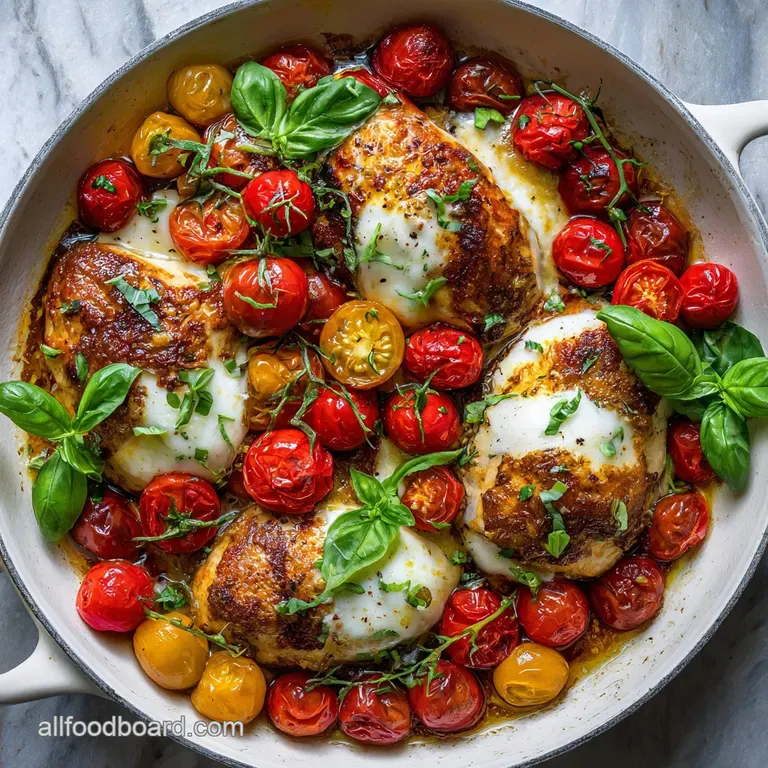
- Time: Active 10 mins, Passive 20 mins, Total 30 mins
- Flavor/Texture Hook: Savory seared chicken with a velvety tomato burst and silky cheese
- Perfect for: Weeknight dinners and busy families
- Why This Meal Works
- Essential Recipe Success Metrics
- Components and Smart Budget Swaps
- Necessary Kitchen Tools
- The Cooking Steps
- Solving Common Skillet Mistakes
- Creative Variation and Texture Ideas
- Scaling for More People
- Debunking Kitchen Tales
- Storing and Using Leftovers
- Delicious Side Dish Pairings
- High in Sodium ⚠️
- Recipe FAQs
- 📝 Recipe Card
Why This Meal Works
The magic of this dish lies in the chemistry of the pan. By using the same skillet for every step, we build layers of flavor that you just cannot get if you cook things separately.
- Maillard Reaction: High heat creates a golden brown crust on the meat, providing a deep, savory base.
- Emulsification: The tomato juices mix with the olive oil and garlic to create a natural, glossy pan sauce.
- Carryover Cooking: We melt the cheese using residual heat, which keeps the mozzarella from turning rubbery.
- Acid Balance: The balsamic glaze cuts through the fat of the cheese, brightening every single bite.
Achieving the Perfect Crust
To get that satisfying brown exterior, the chicken must be dry. I used to just throw it in straight from the package, but that is a mistake. The extra moisture creates steam, which boils the meat instead of searing it. Pat it down with paper towels until it is bone dry.
You want to hear a loud, aggressive sizzle the moment it touches the oil.
Keeping the Chicken Juicy
Pounding the chicken to an even 1/2 inch thickness is the secret to even cooking. If one side is thick and the other is thin, you end up with one half that is dry and stringy. Use a heavy pan or a meat mallet to level things out. This ensures the whole piece reaches the safe internal temperature at the exact same time.
It is much easier to manage than guessing if the thickest part is done while the edges overcook.
Creating the Pan Sauce
When the cherry tomatoes hit the hot pan after the chicken, they act like little flavor bombs. As they heat up, the skins shatter and release their juices. These juices deglaze the pan, picking up all those brown bits (the fond) left behind by the meat. This is where the real depth comes from.
You are not just eating tomatoes; you are eating a sauce made from the essence of the entire cooking process.
| Thickness | Internal Temp | Rest Time | Visual Cue |
|---|---|---|---|
| 1/2 inch | 165°F | 3 mins | Juices run clear |
| 3/4 inch | 165°F | 5 mins | No pink in center |
| 1 inch | 165°F | 7 mins | Firm to the touch |
Essential Recipe Success Metrics
Working with chicken requires a bit of precision to avoid the dreaded "rubber chicken" syndrome. We are aiming for a total cook time of about 20 minutes, but your stove might be different. Always trust your thermometer over the clock. If you like a more saucy vibe, you can add a splash of chicken stock when the tomatoes start to burst, similar to the technique I use in my Garlic Butter Chicken recipe.
The Physics of the Sear
This is not just about heat; it is about moisture control. If the pan is crowded, the temperature drops and the meat releases liquid, which then steams.
- Evaporation: Removing surface water allows the surface temperature to rise above 212°F for browning.
- Conduction: Using a heavy skillet (like cast iron) ensures even heat transfer so you don't get cold spots.
| Ingredient | Science Role | Pro Secret |
|---|---|---|
| Kosher Salt | Protein Denaturing | Season 15 mins early to lock in moisture |
| Cherry Tomatoes | Acid Catalyst | Don't peel them; the skins contain pectin for thickening |
| Extra Virgin Olive Oil | Heat Conductor | Use a high-quality oil for better smoke point stability |
Components and Smart Budget Swaps
Getting the best results does not mean you have to buy the most expensive ingredients. You can find great deals on bulk chicken and store brand mozzarella. The key is how you handle them. For example, dried oregano is often more potent than fresh in a hot pan, giving you more bang for your buck.
For the Meat
- 1.5 lbs boneless skinless chicken breasts: Pounded to 1/2 inch thickness. Why this? Ensures fast, even cooking without drying out.
- Substitute: Chicken thighs (boneless). These are often cheaper and more forgiving if overcooked.
- 1 tsp kosher salt: For seasoning and moisture.
- Substitute: Sea salt. Use slightly less as the grains are finer.
- 1/2 tsp cracked black pepper: For a subtle bite.
- Substitute: White pepper for a milder, more floral heat.
- 1 tsp dried oregano: Adds that classic Mediterranean herbal note.
- Substitute: Italian seasoning blend.
For the Caprese Topping
- 2 tbsp extra virgin olive oil: For searing and flavor. Why this? Adds a fruity richness that butter lacks.
- Substitute: Avocado oil. Higher smoke point, though less flavor.
- 2 cups cherry tomatoes: Halved. Why this? They burst quickly and have a higher sugar content than large tomatoes.
- Substitute: Grape tomatoes or diced Roma tomatoes.
- 8 oz fresh mozzarella pearls: For that creamy, stretchy finish.
- Substitute: Shredded mozzarella or a torn ball of fresh mozzarella.
- 3 cloves garlic: Minced fresh.
- Substitute: 1 tsp garlic powder in a pinch, though fresh is much better here.
- 1/4 cup balsamic glaze: For the final sweet and tangy drizzle.
- Substitute: Balsamic vinegar reduced in a small pan with a teaspoon of honey.
- 1/2 cup fresh basil leaves: Chiffonade.
- Substitute: A dollop of jarred pesto if fresh basil is out of season.
Necessary Kitchen Tools
You don't need a kitchen full of gadgets for this. A solid 12 inch skillet is your best friend here. I prefer stainless steel or cast iron because they hold heat better than non stick. If you use non stick, you might struggle to get that deep golden crust we are looking for.
- Heavy Skillet: A 12 inch pan gives the chicken room to breathe.
- Meat Mallet: Or a heavy rolling pin to pound the chicken flat.
- Tongs: For flipping the meat without piercing it and losing juices.
- Instant read Thermometer: The only way to truly know when the chicken is safe to eat.
Chef's Tip: Freeze your mozzarella for about 10 minutes before you plan to use it if you are using a larger ball and need to slice it. It makes the cheese firmer and much easier to cut into clean pieces without it squishing.
The Cooking Steps
Let's get into the actual cooking. Remember to have all your ingredients chopped and ready before you turn on the heat. Things move fast once the chicken hits the oil!
Phase 1: The over High heat Sear
- Prep the meat. Pat the 1.5 lbs of chicken breasts dry. Pound them to 1/2 inch thickness using a mallet or heavy pan. Note: This ensures every piece cooks at the same rate.
- Season well. Rub the salt, pepper, and dried oregano into both sides of the meat.
- Heat the oil. Add 2 tbsp of olive oil to the skillet over medium high heat. Wait until the oil ripples and shimmers.
- Sear the chicken. Place the chicken in the pan. Cook for 5-6 minutes per side until golden brown and firm. Note: Resist the urge to move them; let that crust form!
- Remove and rest. Take the chicken out of the pan and set it on a plate. Cover loosely with foil.
Phase 2: Blistering the Aromatics
- Sauté the garlic. In the same pan, add the 3 minced garlic cloves. Stir for 30 seconds until fragrant and pale gold.
- Burst the tomatoes. Add the 2 cups of halved cherry tomatoes. Cook for 3-4 minutes until they soften and release their juices. Use your spoon to gently press on them to help the process.
Phase 3: The Gentle Melt
- Return the chicken. Place the chicken and any juices from the plate back into the skillet with the tomatoes.
- Add the cheese. Scatter the 8 oz of mozzarella pearls over the chicken. Cover the pan with a lid for 1-2 minutes until the cheese is gooey and partially melted.
- Final touch. Remove from heat. Drizzle with 1/4 cup balsamic glaze and top with the fresh basil chiffonade. Serve immediately while the cheese is stretchy.
Solving Common Skillet Mistakes
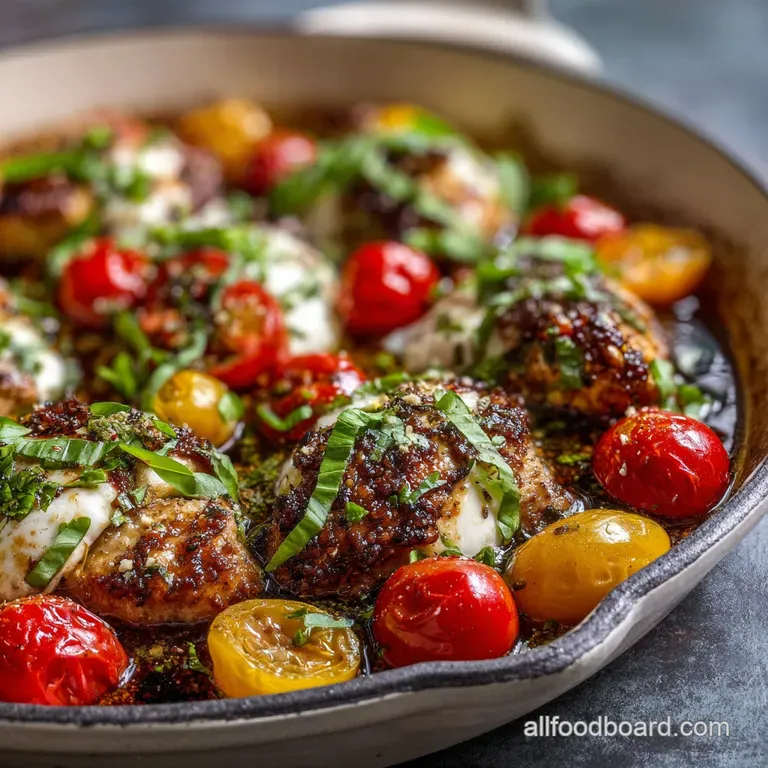
Even the simplest dishes can have a few hiccups. Usually, it comes down to heat management or moisture. If you find your chicken is sticking, it is probably because you tried to flip it too early. The meat will naturally "release" from the pan once the crust has formed.
Preventing Rubbery Texture
If your mozzarella feels like a tire, it was likely overcooked. Mozzarella is delicate. You want it to just reach the point of melting. If it stays over high heat for too long, the proteins tighten up and the fat separates, leaving you with a rubbery mess.
Turn off the burner before you think it is quite ready; the residual heat will finish the job.
Fixing Watery Sauces
Sometimes tomatoes release a lot of water, making the pan look like a soup. This often happens if the pan wasn't hot enough when they were added. If this happens, remove the chicken and let the sauce simmer on high for 2 minutes to reduce the liquid. It will thicken up and the flavors will concentrate.
| Problem | Root Cause | Solution |
|---|---|---|
| Chicken is dry | Overcooked or uneven thickness | Use a thermometer; stop at 165°F |
| Cheese won't melt | Straight from the fridge | Let cheese sit at room temp for 15 mins |
| Burnt garlic | Added too early | Add garlic only after meat is removed |
Common Mistakes Checklist
- ✓ Skipping the "pat dry" step for the chicken (leads to gray, soggy meat).
- ✓ Using a cold pan (the meat will stick and won't sear).
- ✓ Overcrowding the skillet (causes the tomatoes to steam instead of blister).
- ✓ Adding the basil too early (it will turn black and lose its fresh flavor).
- ✓ Forgeting to rest the meat (all the juices will run out when you cut it).
Creative Variation and Texture Ideas
If you want to change things up, this recipe is incredibly flexible. You can stretch it to feed a larger crowd by adding a starch. I often toss in some cooked orzo or penne right at the end to soak up all that tomato garlic goodness. It is a great way to make a pound of chicken go further.
One Pan Chicken Caprese with Orzo
To do this, simply cook your orzo separately and stir it into the tomato mixture before putting the chicken back in. If the pan looks a little dry, add a quarter cup of pasta water. This creates a silky sauce that coats every grain of pasta.
It turns the dish into a hearty "all in-one" meal that feels like a big hug in a bowl.
Keto Friendly Options
For those watching carbs, this dish is already pretty great. To make it even more keto friendly, skip the balsamic glaze (which has sugar) and use a splash of balsamic vinegar and an extra drizzle of olive oil instead. You can serve it over a bed of sautéed zucchini noodles or fresh spinach.
The heat from the chicken will wilt the spinach perfectly without any extra cooking.
| Fresh Component | Shortcut Swap | Resulting Texture |
|---|---|---|
| Fresh Basil | Jarred Pesto | More oily/salty, less herbal bite |
| Fresh Garlic | Jarred Minced | Milder, slightly more acidic flavor |
| Cherry Tomatoes | Canned Diced | Saucier, less "pop" than fresh |
Scaling for More People
Feeding a crowd? This recipe scales up easily, but you need to be careful with your pan space.
- Scaling Down (1-2 people): Use a smaller 8 inch skillet. You can use a single large chicken breast and cut it in half horizontally to create two thin cutlets. Reduce the tomato amount slightly so they don't drown the meat.
- Scaling Up (6-8 people): Do not try to fit 8 chicken breasts in one pan. Work in batches. Sear half the chicken, remove it, then sear the second half. Combine everything only at the very end when you add the cheese.
- Spices: When doubling, only increase the salt and oregano by 1.5x. You can always add more at the end, but you can't take it out!
Debunking Kitchen Tales
There are a few "rules" people follow that actually don't help much. For instance, many people think you must marinate chicken for hours to get flavor. While it helps, a heavy hand with dry seasonings right before searing provides a much better crust. The salt reacts with the surface proteins instantly.
Another myth is that you should wash your chicken. Please, don't do this! It doesn't kill bacteria; it just spreads them around your sink and counters. The heat of the pan is what makes the food safe. Focus on drying the meat instead for that perfect sear.
Storing and Using Leftovers
If you have leftovers, you are in luck. This chicken makes a killer sandwich the next day. Slice it up cold and put it on a toasted ciabatta roll with some extra mayo or pesto.
- Fridge: Store in an airtight container for up to 3 days. The cheese will firm up, so reheat it gently.
- Freezer: I don't recommend freezing the whole dish because the tomatoes and mozzarella become grainy when thawed. However, you can freeze the seasoned, uncooked chicken for up to 2 months.
- Reheating: Use a skillet over low heat with a splash of water and a lid. This steams the chicken back to life without drying it out like a microwave would.
Zero Waste Tip: Don't throw away those basil stems! You can toss them into a pot of soup or use them to infuse olive oil for a subtle herbal flavor. If your tomatoes are getting too soft to slice, they are actually perfect for this recipe because they will burst even faster.
Delicious Side Dish Pairings
While this is great on its own, a few sides can really round it out. A simple arugula salad with lemon dressing provides a peppery crunch that contrasts beautifully with the soft cheese. If you have some crusty bread, use it to swipe up every last drop of the balsamic tomato sauce.
If you are looking for something more substantial, it pairs perfectly with my Lemon Caper Chicken recipe style of sides, like roasted asparagus or even a simple Caprese Stuffed Chicken recipe if you want to go all in on the tomato and mozzarella theme. For a truly comforting meal, try serving it alongside a bowl of Cream of Chicken Soup recipe as a starter.
- If you want a crunchier texture, add a tablespoon of toasted breadcrumbs on top of the cheese before serving.
- If you want more heat, red pepper flakes added with the garlic will give the sauce a nice kick.
- If you want a richer sauce, stir in a tablespoon of cold butter right before adding the chicken back to the pan.
High in Sodium ⚠️
845 mg mg of sodium per serving (37% of daily value)
The American Heart Association recommends limiting sodium intake to about 2,300mg per day for optimal health.
Tips to Reduce Sodium in Your Chicken Caprese
-
Reduce Mozzarella-15%
Mozzarella pearls contribute a significant amount of sodium. Try using half the amount of mozzarella pearls or opting for a low-sodium mozzarella option. Choose the lowest sodium mozzarella available in your grocery store.
-
Reduce Added Salt-15%
This recipe contains 1 tsp of kosher salt. Start by using half the amount of salt (1/2 tsp) and taste the dish. You can always add more to your taste.
-
Lighten the Glaze-10%
Balsamic glaze can be high in sodium. Use it sparingly, drizzling a very thin amount on top, or reduce the quantity by half. Consider making your own with a low-sodium balsamic vinegar.
-
Fresh Garlic Power
Continue using fresh garlic (3 cloves) as it provides a strong flavor without adding any sodium. Don't use garlic salt!
-
Herb Power!
Emphasize flavor with other fresh herbs and spices instead of relying on salt. Experiment with combinations of herbs like basil, parsley, thyme, and rosemary to boost flavor.
Recipe FAQs
What is Chicken Caprese?
It's a pan-seared chicken dish topped with fresh mozzarella, tomatoes, and basil. It's inspired by the classic Italian Caprese salad, combining tender chicken with the bright, fresh flavors of the salad's main ingredients.
How do I get a good sear on the chicken?
Pat the chicken completely dry before seasoning and searing. Excess moisture causes steaming, preventing a golden brown crust; a hot pan and dry surface are crucial for developing flavor through the Maillard reaction.
Can I use pre-shredded mozzarella instead of fresh?
Yes, but fresh is highly recommended for texture and melt. Pre-shredded cheese contains anti caking agents that can prevent it from melting smoothly and achieving that classic gooey stretch.
Why are my cherry tomatoes watery when I cook them?
This often happens if the pan isn't hot enough when you add them. A hot pan encourages the skins to burst and release juices to create a sauce, rather than simmer in their own liquid.
Can I make Chicken Caprese ahead of time?
Yes, you can prep the chicken and chop the vegetables in advance. The chicken can be seasoned up to 24 hours ahead, and tomatoes and garlic can be prepped a few hours before cooking for a faster weeknight meal.
What are good side dishes for Chicken Caprese?
Simple sides like crusty bread, a fresh green salad, or roasted vegetables work well. It also pairs nicely with pasta or rice to soak up the delicious pan juices; consider serving it alongside a simple Vibrant Roasted Tomato and Basil Hummus Recipe Homemade Dip.
How do I prevent the chicken from drying out?
Ensure even thickness by pounding the chicken breasts to about 1/2 inch. This allows the chicken to cook through evenly and reach the safe internal temperature of 165°F without overcooking the thinner parts.
Chicken Caprese
Ingredients:
Instructions:
Nutrition Facts:
| Calories | 562 calories |
|---|---|
| Protein | 66.4 g |
| Fat | 22.8 g |
| Carbs | 14.2 g |
| Fiber | 1.8 g |
| Sugar | 9.5 g |
| Sodium | 845 mg |
