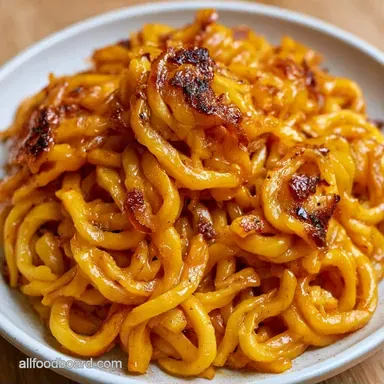
Authentic German Spaetzle in 25 Minutes
- Prep/Cook: 10 min active + 15 min cook
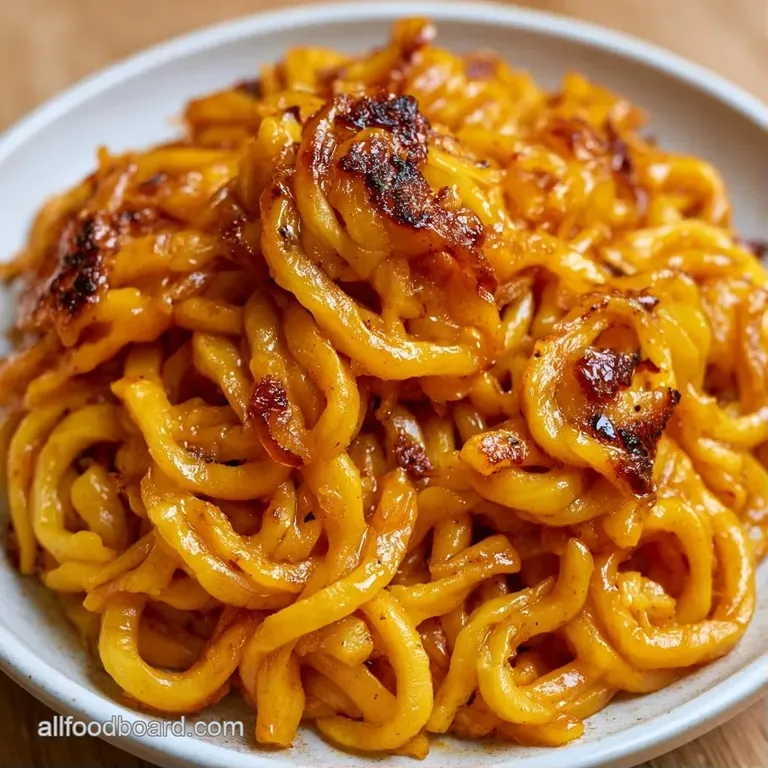
- Taste Profile: Nutty, browned edges with a chewy center
- Ideal for: Family dinners or a hearty side for roast meats
Ever wonder why some homemade noodles turn out rubbery while others stay fluffy? I used to assume it was the flour, but it turns out the real magic is in how vigorously you beat the dough.
The aroma of butter browning in the skillet is easily the best part of the process. It elevates a simple egg-based batter into something truly special. This is the kind of soul warming comfort food that makes a rainy Tuesday feel much brighter.
You're about to create German Spaetzle without needing specialized tools or endless kneading. We'll keep things budget friendly, focusing on the specific techniques that truly impact the final bite.
Easy Homemade German Spaetzle
Beating the Batter: Vigorously mixing the dough incorporates air, which stops the noodles from becoming lead weights.
Simmering Water: Using a steady simmer instead of a rolling boil prevents the dough from breaking apart before it sets.
Required Kitchen Gear
Standard home kitchen tools are all you need. A large pot for boiling and a wide skillet for sautéing are the essentials. While a spaetzle maker is a plus, a sharp knife and a sturdy cutting board do the job just as well.
I recommend using a wooden spoon for mixing. You'll need to stir with some force to create those air bubbles, as a whisk can easily get stuck in the thick batter.
What You Will Need
For the base, we rely on all-purpose flour and whole milk to provide structure and richness. A pinch of nutmeg is a traditional addition, offering a hint of warmth without leaning toward a dessert like flavor.
Eggs act as the binder, and the butter added at the end yields a nutty, browned crust. If you're watching your spending, store brand flour and milk are excellent alternatives.
Ingredients
- 2 cups (250g) all purpose flourWhy this? Essential for the necessary gluten and structure
- 3 large eggsWhy this? Binds the mixture and adds depth
- 1 cup (240ml) whole milkWhy this? Ensures the texture remains creamy and tender
- 1 tsp (6g) fine sea saltWhy this? Brings out the complexity of all ingredients
- 1/4 tsp (0.5g) ground nutmegWhy this? Lends a classic, earthy warmth
- 3 tbsp (42g) unsalted butterWhy this? Creates the signature toasted, nutty finish
- fresh parsley, choppedWhy this? Offers a bright pop of color and flavor
Budget Friendly Substitutes
- Whole milk: 2% milk (a perfectly fine, slightly less rich option)
- Unsalted butter: Salted butter (just reduce the added salt by a pinch)
- All purpose flour: Bread flour (will result in a slightly chewier consistency)
Recipe Timing and Yield
This is a fast process once the water is hot. Total time is just 25 minutes.
- Prep time: 10 minutes
- Cook time: 15 minutes
- Total time: 25 minutes
- Yield: 6 servings
Step by step Cooking
Mixing the Batter
Stir the flour, salt, and nutmeg together in a mixing bowl. Whisk in the milk and eggs one by one. Using a wooden spoon or a sturdy whisk, beat the mixture vigorously for 3–5 minutes. Stop when the batter is smooth and tiny air bubbles appear on the surface.
Dropping and Boiling
Get a pot of salted water boiling, then lower the heat to a steady simmer. Press the batter through a spaetzle press or use a knife and board to slide small slivers of dough into the water. Cook for 2–4 minutes.
Once the German Spaetzle float to the top, scoop them out with a slotted spoon and drain well.
Finishing the Sauté
Warm butter in a wide frying pan over medium high. Add the boiled German Spaetzle and sauté for 3–5 minutes without stirring too frequently. Cook until the edges are mahogany colored and they smell nutty. Garnish with chopped fresh parsley before serving.
Chef Note: Avoid overcrowding the pan. If too many noodles are in one layer, they will steam instead of browning. Work in two batches if your skillet is small.
Fixing Common Issues
If your batter feels like cement, don't panic. It usually just needs a splash more liquid. The goal is a consistency that's thicker than pancake batter but still moves slowly when you stir it.
When the noodles dissolve in the water, it's usually because the water was boiling too violently. A gentle simmer is key to keeping the shape of your German Spaetzle.
Fixing Sticky Dough
The dough might be too thick depending on how your flour absorbs moisture. Add milk one tablespoon at a time until it's just pourable.
Preventing Dissolving Dumplings
Make sure your water is at a simmer, not a rolling boil. If it's too hot, the edges of the German Spaetzle will melt away before they can set.
| Problem | Root Cause | Solution |
|---|---|---|
| Heavy, dense noodles | Under beaten batter | Beat for a full 5 minutes until bubbles form |
| Dough sticks to board | Board is too dry | Lightly grease the board with oil or butter |
| Mushy texture | Overcooked in water | Remove immediately once they float |
Adjusting the Batch Size
If you're cooking for two, just halve the recipe. Beat one egg in a small cup first, then pour in half of it to keep the ratios right. Use a smaller pot to keep the water temperature stable.
For a crowd, double the ingredients but don't double the salt and nutmeg. Go for 1.5x on the spices instead. I highly recommend working in batches when sautéing the German Spaetzle so you don't lose that crisp, browned edge.
| Goal | What to change |
|---|---|
| Extra Crispy | Sauté for 2 extra minutes |
| Lighter Texture | Beat batter for 7 minutes |
| Softer Noodles | Skip the sauté and serve boiled |
Keeping It Fresh
Keep any remaining German Spaetzle in an airtight plastic box in the fridge for as long as 3 days. They remain delicious, although a little clumping may occur.
For a longer shelf life, freeze the noodles after boiling but before sautéing. Coating them in a touch of oil first prevents them from freezing into a single mass. They will remain fresh for approximately 2 months.
When reheating, try to avoid the microwave. Instead, place them in a pan with a pat of butter over medium heat until they begin to sizzle. This restores the satisfying texture characteristic of German Spaetzle.
Fun Flavor Changes
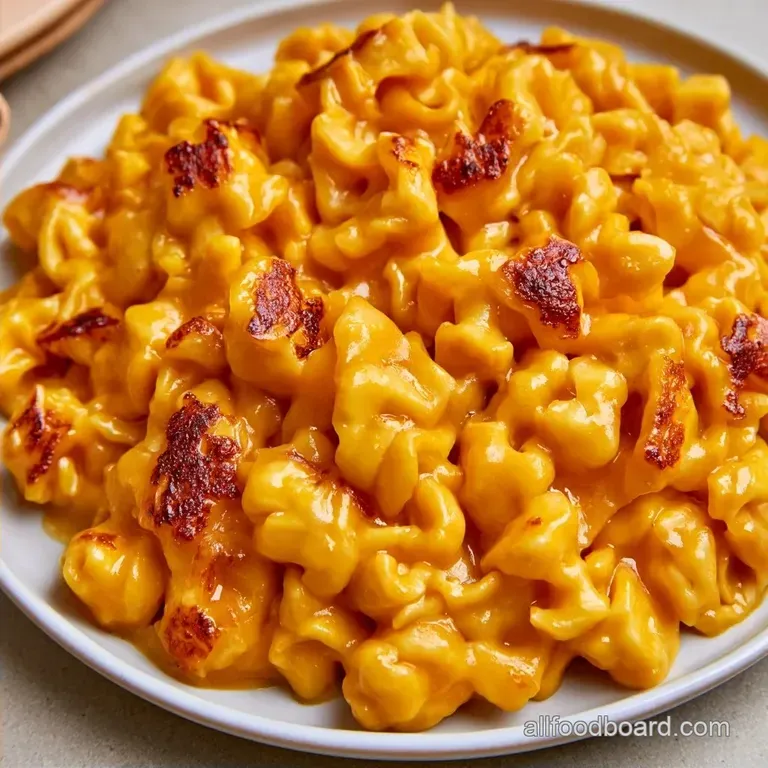
You can easily turn this into Käsespätzle, the cheesy version. Just toss the cooked noodles with shredded Emmental or Gruyère cheese while they're still hot. It's basically the German version of mac and cheese.
For more depth, add a tablespoon of finely chopped chives or spinach directly into the batter before beating. If you're looking for other comforting sides, my Traditional German Pretzels make a great companion for a themed dinner.
You can also experiment with the flour. Using a mix of all purpose and a bit of rye flour gives the German Spaetzle a deeper, earthier flavor. Just be careful not to go over 20% rye, or the noodles will become too dense.
If you want a plant based version, use a flax egg and unsweetened soy milk. Note that the texture will be softer and won't brown as deeply in the pan, but it still tastes great with a rich mushroom sauce.
Best Side Pairings
These noodles are built for soaking up liquid. They are a match made in heaven for a thick beef gravy or a creamy mushroom sauce. If you have some leftovers, you could even drop them into a Homemade Garlic Noodle Soup for a hearty lunch.
Another classic pairing is serving German Spaetzle alongside a braised pork shoulder or a roast chicken. The nutty flavor of the browned butter complements the savory notes of the meat.
For a lighter meal, toss the German Spaetzle with a bit of lemon butter, sautéed zucchini, and a sprinkle of parmesan. It keeps the richness but adds a bit of brightness to the plate.
Right then, you've got everything you need to get these on the table. Once you try making your own German Spaetzle, it's hard to go back to store-bought pasta. Trust me, the effort of beating that batter for five minutes is totally worth it for the texture you get. Enjoy your meal!
Recipe FAQs
What distinguishes spaetzle from traditional dumplings?
They are soft egg noodles made from a wet batter rather than a stiff dough.
Tip: use a spaetzle maker for consistent sizes and shapes.
How to prepare the authentic batter?
Whisk flour, salt, and nutmeg, then beat in eggs and milk for 3 5 minutes.
Tip: stop beating once you see small air bubbles forming on the surface.
Which sides pair best with spaetzle?
They serve as a perfect base for creamy mushroom sauce or hearty stews.
Tip: if you enjoy the chewy texture here, see how we achieve a similar bite in our cheesy breadsticks.
Is it true that spaetzle is just a type of pasta?
No, this is a common misconception. The batter consistency and the method of dropping dough directly into boiling water differ fundamentally from rolled pasta.
Tip: avoid over mixing the batter after the air bubbles have appeared.
Why does the batter need vigorous beating?
Beating incorporates air and develops the structure needed for the noodles to hold their shape during boiling.
Tip: use a sturdy wooden spoon to get the best leverage for beating.
Can I freeze cooked spaetzle?
Yes, they freeze very well after the butter sautéing step.
Tip: flash freeze them on a baking sheet before transferring to a bag to prevent clumping.
Authentic German Spaetzle