Asparagus Stuffed Chicken: Creamy and Tender
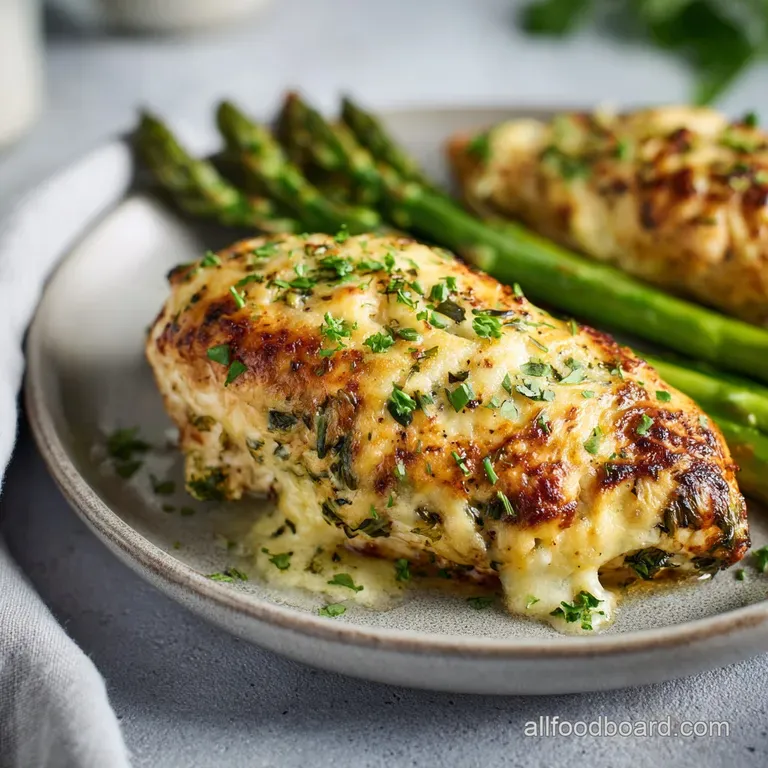
- Time: Active 15 minutes, Passive 20 minutes, Total 35 minutes
- Flavor/Texture Hook: Velvety cream cheese filling paired with a smoky, mahogany crusted exterior
- Perfect for: Low carb weeknight dinners or a simple yet impressive date night meal
- A Fresh Take on Weeknight Poultry with Zesty Asparagus Pockets
- Essential Timing and Heat Metrics for Succulent Stuffed Chicken Results
- Selecting the Best Components for Flavorful Stuffed Chicken Breasts
- Practical Kitchen Essentials for Achieving a Deep Mahogany Crust
- Step by Step Guide to Perfecting Your Stuffed Poultry Technique
- Expert Solutions for Avoiding Dry Meat or Leaking Cheese Fillings
- Creative Ways to Customize Your Asparagus Stuffed Chicken Dinner
- Maintaining Quality and Texture When Storing or Reheating Leftovers
- Complementary Side Dishes to Round Out Your Balanced Family Meal
- Culinary Truths and Myths
- Recipe FAQs
- 📝 Recipe Card
A Fresh Take on Weeknight Poultry with Zesty Asparagus Pockets
The first time I tried making this, the kitchen smelled like a dream, garlic and smoked paprika swirling together in the air. But as I pulled the pan out, I realized I had made the classic rookie move: I didn't trim the woody ends off my asparagus.
Every bite was a battle between tender chicken and what felt like chewing on a pencil. I learned my lesson quickly. Now, the sound of that first spear snapping at its natural breaking point is my favorite part of the prep.
It is a sensory signal that we are about to have a meal that feels fancy but actually takes less than forty minutes from start to finish.
This specific method focuses on the asparagus as the star. We often treat it as a side dish, but here, it acts like a structural element that keeps the chicken breast from collapsing while it bakes.
When you tuck those green spears into a bed of garlic infused cream cheese, they steam gently inside the meat, absorbing all that savory goodness. The result is a bird that is velvety on the inside with a crust that has a satisfying, almost crackling texture from the cast iron sear.
We are going for big flavors with very little fuss. You won't need a sink full of dishes or a degree in culinary arts to get this right. We are relying on high heat for the sear and a reliable oven finish to do the heavy lifting.
I've made this for my family on hectic Tuesday nights and for friends during weekend hangouts, and it never fails to get people asking for the secret. The secret, honestly, is just good timing and a very sharp knife.
Essential Timing and Heat Metrics for Succulent Stuffed Chicken Results
Understanding the relationship between your stovetop sear and your oven finish is the key to success here. If you skip the sear, you lose that beautiful mahogany color and the deep flavor that comes with browning. If you skip the oven, you risk a raw center or a burnt exterior.
By combining both, we use conductive heat to build a crust and then ambient heat to gently bring the internal temperature up to a safe 165°F (74°C).
Steam Chamber Effect: The pocket created in the chicken acts like a miniature oven, trapping moisture from the asparagus and cream cheese to keep the white meat from drying out.
Fat Insulation: The cream cheese provides a layer of fat that protects the inner walls of the chicken breast, preventing the protein fibers from tightening too quickly and becoming tough.
Structural Integrity: Using water soaked toothpicks creates a temporary seal that allows the cheese to melt and emulsify with the garlic without immediately running out into the pan.
| Cooking Method | Total Time | Texture Outcome | Best For |
|---|---|---|---|
| Stovetop + Oven | 20 minutes | Crispy crust with juicy, steamed interior | The gold standard for texture balance |
| Full Stovetop | 18 minutes | Charred exterior, higher risk of dry meat | Quickest option if you use thin breasts |
| Air Fryer | 15 minutes | Extremely crispy skin, less even cheese melt | Small batches and maximum crunch |
There is a major difference between a breast that is simply cooked and one that is perfectly finished. The carryover cooking that happens while the meat rests for 5 minutes is non negotiable.
During this time, the juices redistribute from the center back to the edges, ensuring every forkful is as moist as the last.
Selecting the Best Components for Flavorful Stuffed Chicken Breasts
The quality of your bird matters immensely. I always look for large, boneless skinless breasts that are roughly 225g each. If they are too small, you won't have enough room for the pocket, and you'll end up with a mess of cheese on your cutting board. The asparagus should be medium thickness.
Too thin and they turn to mush; too thick and they stay unpleasantly crunchy.
Component Analysis
| Ingredient | Science Role | Pro Secret |
|---|---|---|
| Chicken Breast | Main protein structure | Pat it completely dry with paper towels to ensure a "shatter" crisp sear. |
| Cream Cheese | Moisture barrier and flavor carrier | Use full fat blocks for better stability; low-fat versions tend to liquefy and leak. |
| Asparagus | Internal moisture source | Snap the ends by hand to find the natural tender point of every spear. |
| Smoked Paprika | Color and aromatic depth | Rub it into the oil on the skin to create a vibrant, deep mahogany finish. |
For the filling, we are using a mix of cream cheese and shredded provolone. The provolone adds a subtle stretch and a salty bite that cuts through the richness of the cream. If you don't have provolone, you can easily swap it for mozzarella, though you might lose a bit of that sharp flavor profile.
The lemon zest is the "bright light" of the dish it wakes up the heavy fats and makes the whole thing feel lighter.
Ingredient List and Substitutions
- 4 large chicken breasts (225g each): The base of our dish. Why this? Provides enough surface area for a deep, secure pocket.
- Substitute: Thick turkey cutlets work well but cook faster.
- 1 tbsp extra virgin olive oil: For searing. Why this? High enough smoke point for a medium high sear with good flavor.
- Substitute: Avocado oil or Ghee for a higher smoke point.
- 1 tsp smoked paprika: For color and smokiness.
- Substitute: Sweet paprika if you prefer zero smoke flavor.
- 1 tsp garlic powder: For even seasoning on the crust.
- 0.5 tsp salt & 0.5 tsp cracked black pepper: Fundamental seasoning.
- 4 oz cream cheese, softened: The creamy base.
- Substitute: Thick Greek yogurt mixed with a little cornstarch for a lighter version.
- 0.25 cup shredded provolone cheese: For melt and stretch.
- Substitute: Monterey Jack or Mild Provolone for similar melting points.
- 2 cloves garlic, minced: Fresh aromatic punch for the inside.
- 0.5 tsp lemon zest: Essential for balancing the richness.
- 16 medium asparagus spears, trimmed: The heart of the stuffing.
- Substitute: Thin green beans if asparagus is out of season.
Practical Kitchen Essentials for Achieving a Deep Mahogany Crust
You don't need a kitchen full of gadgets, but a few specific tools will make your life much easier. A heavy skillet is the most important item. I swear by my 12 inch cast iron skillet because it holds heat like nothing else.
When that cold chicken hits the pan, a thin stainless steel pan will drop in temperature, leading to steaming rather than searing. A cast iron stays hot, giving you that gorgeous crust.
If you don't have an oven safe skillet, you'll need a regular frying pan and a baking dish. You'll sear the meat in the pan, then carefully move it to the dish for the oven phase. Just be sure to pour any of those tasty pan drippings over the chicken before it goes in. Also, invest in a good digital meat thermometer.
Guessing the doneness of stuffed meat is a recipe for heartbreak either it's raw near the cheese or dry on the outside.
One small but vital tool is water soaked toothpicks. If you use dry wooden toothpicks, they will char and sometimes even catch fire in a 400°F (200°C) oven. Soaking them for 10 minutes while you prep the filling is a simple trick that saves the day.
It also makes them easier to slide out once the chicken has rested.
step-by-step Guide to Perfecting Your Stuffed Poultry Technique
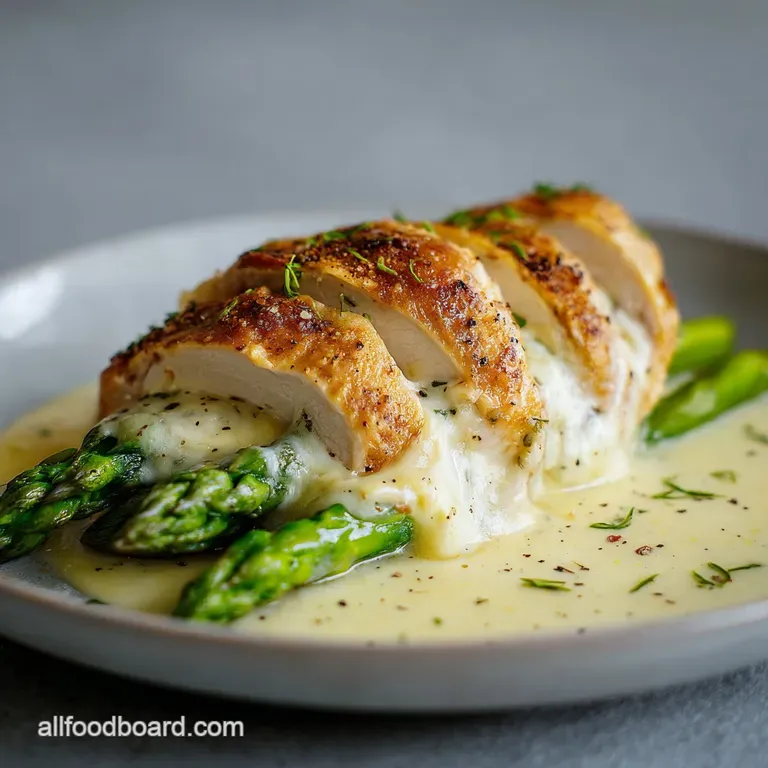
- Prep the chicken. Place the chicken breast flat on a cutting board. Using a sharp paring knife, slice a horizontal pocket into the thickest part of the breast, being careful not to cut all the way through. Note: Leave about half an inch of uncut meat at the edges to prevent the filling from escaping.
- Mix the filling. In a small bowl, whip the softened cream cheese, provolone, minced garlic, and lemon zest until well combined.
- Stuff the pockets. Smear roughly one tablespoon of the cream cheese mixture inside each chicken pocket.
- Add the greens. Slide 3 to 4 asparagus spears into each pocket. They should peek out slightly, which looks beautiful and ensures they cook through.
- Seal the deal. Secure the opening tightly with 2-3 water soaked toothpicks. Cross them in an "X" shape for the best hold.
- Season the exterior. Season the exterior of the chicken breasts generously with smoked paprika, garlic powder, salt, and pepper. Press the spices into the meat so they stick during the sear.
- Start the sear. Heat olive oil in a large oven safe skillet (preferably cast iron) over medium high heat. Sear chicken for 3-4 minutes per side until a deep mahogany crust develops.
- Finish in the oven. Transfer the skillet into a preheated oven at 400°F (200°C). Bake for 10-12 minutes until the internal temperature reaches 165°F (74°C).
- The final rest. Remove from oven and let the chicken rest for 5 minutes until the juices settle before removing toothpicks and serving.
Chef's Tip: If you want an even deeper flavor, add a tiny pat of butter to the skillet in the last 60 seconds of searing. Spoon that melted, foaming butter over the top of the breasts right before they slide into the oven.
Expert Solutions for Avoiding Dry Meat or Leaking Cheese Fillings
One of the biggest frustrations with any stuffed recipe is watching all your hard work melt out into the pan. This usually happens for one of two reasons: the pocket was cut too wide, or the pan wasn't hot enough to "set" the meat quickly.
When you sear the chicken, the proteins on the surface contract and tighten, effectively creating a natural "lid" for your pocket.
Why Your Stuffed Chicken Leaks
It is quite common to see a little bit of cheese escape, but a total blowout is usually a sign of a structural failure. If you find your cheese is consistently running away, try chilling the stuffed (but unseared) chicken in the fridge for 20 minutes before cooking.
This firms up the cream cheese so it takes longer to reach its melting point, giving the chicken time to sear and seal.
| Problem | Root Cause | Solution |
|---|---|---|
| Rubbery Asparagus | Spears were too thick or not trimmed | Use medium spears and snap at the natural breaking point. |
| Bland Filling | Under seasoning or old garlic | Use fresh minced garlic and don't skip the lemon zest. |
| Dry Meat | Overcooking or no resting | Pull at 160°F (71°C) and let carryover heat reach 165°F (74°C) while resting. |
Common Mistakes Checklist
- ✓ Don't overstuff: It's tempting to pack in more cheese, but 1 tablespoon is the limit for a standard breast.
- ✓ Pat the meat dry: Moisture is the enemy of a good sear. If the chicken is wet, it will steam, not brown.
- ✓ Use a hot pan: If you don't hear a loud sizzle when the chicken hits the oil, take it out and wait another minute.
- ✓ Soak your toothpicks: This prevents them from splintering inside the meat or burning in the oven.
- ✓ Let it rest: Cutting into the chicken immediately after the oven will cause all the juices and cheese to pour out.
Creative Ways to Customize Your Asparagus Stuffed Chicken Dinner
Once you have the basic technique down, you can start playing with the flavors. This is a very forgiving format. For instance, if you want something with a bit more of a kick, you can add a pinch of red pepper flakes to the cream cheese mixture.
It provides a nice back of-the throat heat that works surprisingly well with the lemon and asparagus.
If you are looking for a completely different profile, you might enjoy my Garlic Butter Chicken which uses similar stovetop techniques but focuses on a velvety pan sauce.
Wrapping in Bacon
If you want to take this to a "special occasion" level, try wrapping each stuffed breast in two slices of thin cut bacon. The bacon fat renders down and bastes the chicken as it cooks, creating an incredible flavor profile.
If you do this, skip the olive oil in the pan and start the sear in a cold skillet, allowing the bacon fat to render out slowly.
Going Mediterranean
Swap the provolone for crumbled feta and add some chopped sun dried tomatoes to the cream cheese. This version feels very bright and salty, perfect for serving alongside a crisp cucumber salad.
You can also replace the smoked paprika on the outside with dried oregano and lemon pepper for a more cohesive Greek inspired flavor.
Utilizing the Air Fryer
For those nights when you don't want to turn on the big oven, the air fryer is a champion. Set it to 375°F (190°C) and cook for about 15 minutes. You won't get the same deep "pan sear" flavor, but the skin gets incredibly crispy.
Just make sure to spray the basket with a little oil so the chicken doesn't stick.
Maintaining Quality and Texture When Storing or Reheating Leftovers
Leftover chicken can often become "cardboard like" if not handled correctly. Because this recipe has a high fat content from the cream cheese, it actually stays moister than a standard roasted breast, but you still need to be careful.
Store any leftovers in an airtight container as soon as they have cooled to room temperature.
- Fridge: Keep for up to 3 days. The flavors of the garlic and lemon actually deepen overnight.
- Freezer: You can freeze the stuffed, raw chicken for up to 2 months. Thaw completely in the fridge before searing. I do not recommend freezing the cooked version, as the cream cheese texture can become grainy upon thawing.
- Zero Waste Tip: If you have leftover asparagus ends that were too woody to stuff, don't toss them! Toss them into a freezer bag with other veggie scraps like onion skins and carrot tops to make a rich homemade vegetable stock later.
For reheating, avoid the microwave if possible. It turns the chicken rubbery and makes the cheese explode. Instead, place the chicken in a small baking dish with a splash of water or broth, cover with foil, and warm in a 350°F (180°C) oven for 10-15 minutes.
This creates a gentle steam that revives the meat without drying it out.
Complementary Side Dishes to Round Out Your Balanced Family Meal
Since this dish is already packed with protein, healthy fats, and a vegetable, you don't need much to make it a full meal. If you are keeping things low carb, a simple cauliflower mash or a big green salad with a vinaigrette is all you need.
The acidity in a salad dressing is a great way to "reset" your palate between bites of the rich, cheesy chicken.
For a heartier meal, this pairs beautifully with a side of Quick Honey Chicken if you're serving a larger crowd and want different flavor profiles on the table. However, my favorite pairing is actually just a simple pile of roasted baby potatoes. You can toss them in the oven on a separate tray at the same time the chicken goes in, and they will finish right around the same time.
The Low Carb Refresh
If you want to keep the meal very light, try serving the chicken over a bed of sautéed spinach or zoodles (zucchini noodles). The juices from the chicken will act as a natural sauce for the greens.
If you find the dish needs a little more "zip" at the end, a final squeeze of fresh lemon juice over the top right before serving makes a world of difference. It cuts through the smoky paprika and the creamy cheese, leaving you with a clean, fresh finish.
Culinary Truths and Myths
There is a common belief that searing meat "seals in the juices." In reality, searing is all about the Maillard reaction the browning of sugars and proteins that creates flavor. Moisture is actually lost during searing because of the high heat.
The reason our chicken stays juicy is the internal stuffing and the gentle oven finish, not the sear itself.
Another myth is that you must use toothpicks. While they are the easiest method for a home cook, you can also "sew" the pocket shut with kitchen twine if you are feeling ambitious. However, for a weeknight meal, the water soaked toothpicks are more than sufficient and much faster to remove.
Finally,, some people think you can't overcook the chicken because of the cheese. While the cheese helps, a breast cooked to 180°F (82°C) will still be dry and stringy.
Trust your thermometer, pull the pan at 160-162°F (71-72°C), and let the resting period do the final work. That 5 minute wait is the difference between a good meal and a legendary one.
Scaling for Success
| Servings | Ingredient Adjustments | Pan Size | Cook Time |
|---|---|---|---|
| 2 people | Use 2 breasts, 2oz cream cheese, 8 spears | 10 inch skillet | Same (35 mins total) |
| 4 people | Standard recipe (see Schema) | 12 inch skillet | Same (35 mins total) |
| 8 people | Double all ingredients | Two 12 inch pans | Add 5 mins to oven time |
When scaling down for two, don't just cut the spices in half; use a light hand but keep the flavors bold. When scaling up, work in batches for the searing phase. Overcrowding the pan will drop the temperature and you'll lose that mahogany crust.
Sear four breasts, move them to a large baking sheet, then sear the next four before putting the whole sheet in the oven.

Recipe FAQs
How long do you cook stuffed asparagus chicken breast?
Cook for 10-12 minutes in the oven. This follows an initial sear of 3-4 minutes per side on the stovetop to ensure a deep crust and perfectly cooked center.
How long does a stuffed chicken breast take to cook in the oven?
Bake for 10-12 minutes at 400°F (200°C). Always use a meat thermometer to verify the internal temperature has reached exactly 165°F (74°C) for safety.
Why do you soak asparagus in water?
Soaking the toothpicks in water prevents them from burning while the chicken sears in the hot skillet or bakes in the oven.
What's the best thing to stuff chicken breasts with?
Use a mixture of cream cheese, provolone, minced garlic, and lemon zest. This combination creates a rich, creamy interior that complements the earthy snap of the asparagus perfectly.
Is it true you can skip searing the chicken before baking?
No, this is a common misconception. Searing the exterior for 3-4 minutes per side is essential for developing a mahogany crust and sealing in juices. If you enjoyed mastering this high heat searing technique, see how it builds flavor depth in our zesty lemon caper chicken.
How to keep the filling from leaking out during cooking?
Slice only a shallow pocket into the breast and ensure you leave at least half an inch of uncut meat around the edges. Secure the opening firmly with water soaked toothpicks to seal everything inside.
How to tell when the chicken is finished resting?
Wait exactly 5 minutes after pulling the skillet from the oven. This brief rest allows the juices to redistribute throughout the meat, ensuring the chicken stays moist before you remove the toothpicks and serve.
Asparagus Stuffed Chicken Breast
Ingredients:
Instructions:
Nutrition Facts:
| Calories | 441 calories |
|---|---|
| Protein | 56.4 g |
| Fat | 21.2 g |
| Carbs | 4.1 g |
| Fiber | 1.2 g |
| Sugar | 1.8 g |
| Sodium | 485 mg |
