Baked Potato in Air Fryer: Crispy and Fluffy
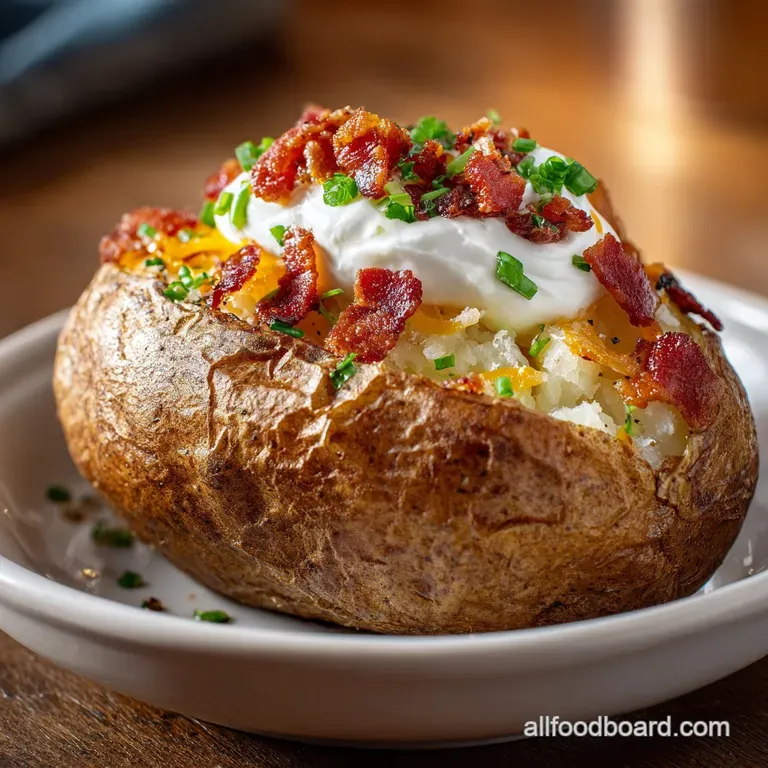
- Time: Active 5 minutes, Passive 40 minutes, Total 45 minutes
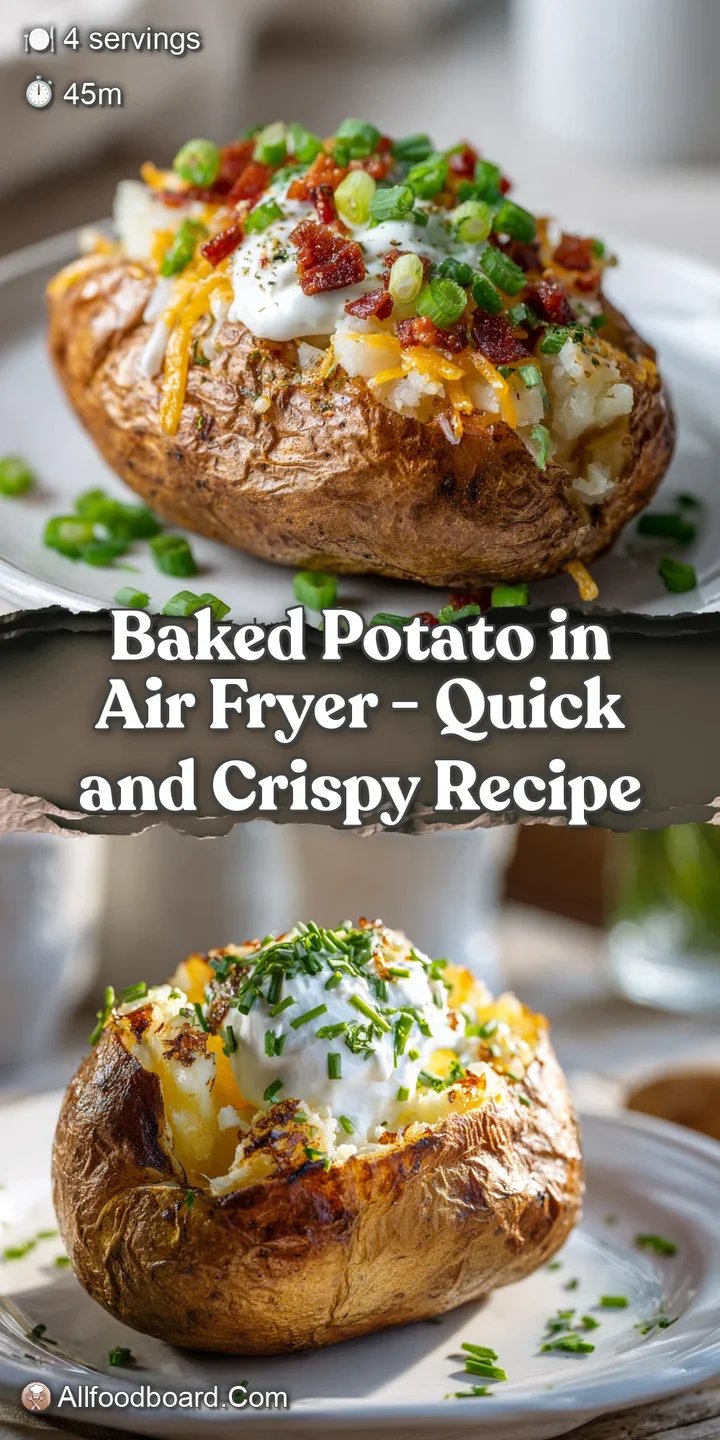
- Flavor/Texture Hook: Shatter crisp skin with a fluffy, velvety interior
- Perfect for: Busy weeknight dinners, steakhouse style sides, or meal prep beginners
- Best Baked Potato in Air Fryer Method
- Master High Heat Convection Physics
- Potato Size and Timing Specs
- Selecting the Best Pantry Staples
- Essential Kitchen Tools Only
- Step-By-Step Cooking Process
- Fixing Common Sogginess Issues
- Creative Twists and Swaps
- Smart Storage and Reheating
- Perfect Pairings for Dinner
- Recipe FAQs
- 📝 Recipe Card
Best Baked Potato in Air Fryer Method
Imagine the scent of roasting earth and toasted salt filling your kitchen on a Tuesday night. There is something almost hypnotic about watching a plain, dusty Russet potato transform into a golden treasure.
When you pull that basket out, the skin should feel like thin parchment paper, tight and crackling under the slightest pressure of your tongs. I remember the first time I tried this after years of soggy microwave "baked" potatoes. The difference was night and day.
No more limp, steamed skin or gummy centers that feel like paste.
The air fryer is a small wonder because it creates a mini wind tunnel. That moving air hits the oil coated skin and fries it in place while the heat penetrates deep into the heart of the starch.
It is honestly the most reliable way I have found to get that specific steakhouse texture without having to preheat a massive oven for twenty minutes. We are talking about a humble potato becoming the star of the plate, all because of a little bit of physics and a over high heat fan.
Getting this right isn't just about throwing a spud in a basket and hoping for the best. I have had my fair share of "oops" moments, like the time I forgot to pierce the skin and heard a muffled thump from the kitchen, only to find a potato explosion had occurred.
Or the time I used too much oil and ended up with a greasy mess instead of a crisp crust. We are going to avoid all of that. I will show you exactly how to get that perfect air fryer baked potato every single time, with zero guesswork.
Master High Heat Convection Physics
The reason this method beats every other technique lies in how the heat moves. In a traditional oven, the air is mostly stagnant, relying on radiant heat to cook the potato from the outside in. In our air fryer, the convection fan moves hot air so fast that it prevents moisture from settling on the skin.
High Velocity Evaporation: The constant airflow strips away surface moisture instantly, allowing the skin to crisp rather than steam.
Salt Oil Thermal Barrier: The avocado oil conducts heat directly into the skin, while the coarse salt draws out the final traces of water, creating a brittle, shattering texture.
Starch Gelatinization Control: By hitting a specific internal temperature, the starch granules swell and burst, turning a dense spud into a fluffy, velvety pile of goodness.
| Potato Thickness | Internal Temp | Rest Time | Visual Cue |
|---|---|---|---|
| Small (5-6 oz) | 205°F | 2 mins | Skin looks tight and dark |
| Medium (8-10 oz) | 208°F | 3 mins | Surface sizzles when touched |
| Large (12+ oz) | 210°F | 5 mins | Deep golden, crackling crust |
Using a thermometer might feel like overkill for a potato, but it is the secret to never serving a "hard in the middle" spud again. Once you hit that 205°F mark, the magic happens. The structure of the potato changes, and it becomes airy rather than waxy.
Trust me, it is a game changer for your dinner routine.
Potato Size and Timing Specs
Consistency is your best friend when learning how to air fry baked potatoes. If you toss one massive potato in with a tiny one, you’ll end up with one raw mess and one burnt brick. I always aim for medium Russets, roughly 9 ounces each.
They are the perfect size for a single serving and they fit comfortably in most baskets without touching.
| Component | Role in Dish | Pro Secret |
|---|---|---|
| Russet Potato | Structural Base | Use high starch varieties for the fluffiest interior texture. |
| Avocado Oil | Heat Conductor | High smoke point prevents a burnt, bitter taste at 400°F. |
| Coarse Sea Salt | Moisture Extractor | Larger grains stay on the skin for a salty, crunchy bite. |
| Garlic Powder | Flavor Depth | Adds a savory, toasted aroma that smells like a professional kitchen. |
Most people forget that the potato continues to cook even after the timer dings. This is called carryover cooking. If you pull them out at exactly 205°F, they will likely settle at a perfect 210°F while they rest.
That short rest period allows the steam to redistribute so the first bite isn't just dry heat, but moist fluff.
Selecting the Best Pantry Staples
When you are making an easy air fryer baked potato, the quality of your simple ingredients matters. You don't need fancy truffle oils or rare salts, but you do need the right tools for the job.
- 4 Medium Russet Potatoes: Why this? Russets have the high starch content needed for a light, floury interior. (Substitute: Yukon Gold for a creamier, waxier result).
- 1 tbsp Avocado Oil: Why this? It handles the 400°F heat without smoking or breaking down. (Substitute: Grapeseed oil or light olive oil).
- 1 tsp Coarse Sea Salt: Why this? The grit provides a better crust than fine table salt. (Substitute: Kosher salt).
- 1/2 tsp Garlic Powder: Why this? It clings to the oil and adds a subtle savory note. (Substitute: Onion powder or smoked paprika).
- 1 tbsp Fresh Chives: Why this? The oniony bite cuts through the rich butter and sour cream. (Substitute: Scallion greens).
I’ve tried using extra virgin olive oil before, but it often leaves a slightly metallic or bitter aftertaste when pushed to these temperatures. Avocado oil is much more neutral and lets the natural earthy flavor of the potato shine through. If you are looking for a different vibe, you might try a Broccoli Casserole recipe on the side to round out the meal with some greens.
Essential Kitchen Tools Only
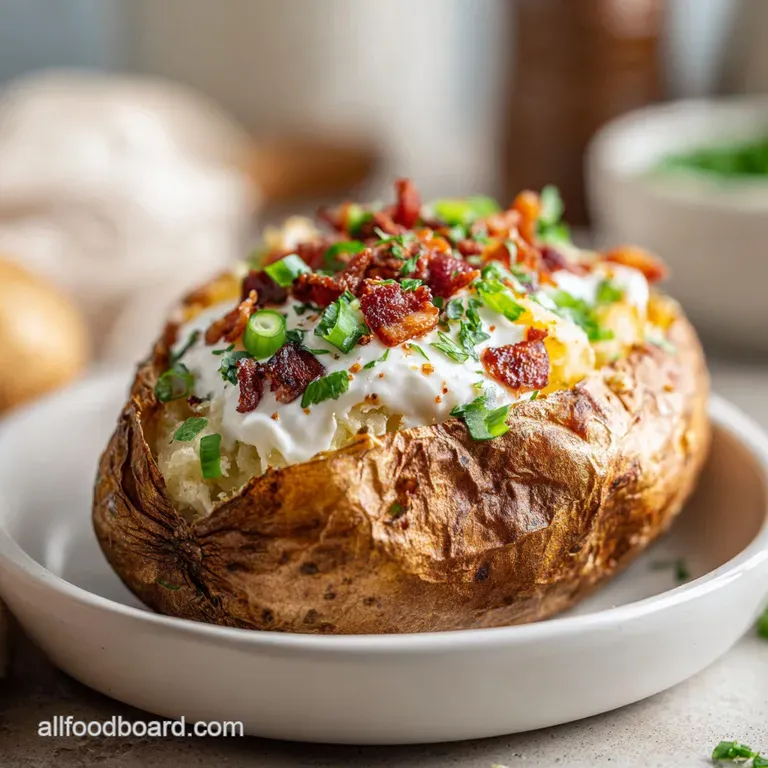
You really don't need much to get this done. This recipe is all about the "minimal tools" approach. Your primary worker is the air fryer. Whether you have a basket style or an oven style, the logic remains the same. The Ninja air fryer baked potato is a popular choice, but any brand with a strong fan will do the trick.
You will also want a sturdy pair of tongs. Those potatoes get incredibly hot, and the skin is delicate right when it comes out. A pastry brush is helpful for getting a thin, even coat of oil. If you don't have one, just use your hands, but be prepared for a bit of a mess!
Finally, a digital meat thermometer is the only way to be 100% sure your potato is done. It takes all the "poking and hoping" out of the equation.
step-by-step Cooking Process
- Scrub the Russet potatoes vigorously under cold water to remove debris. Note: Dirt hides in the "eyes" of the potato, so be thorough.
- Pat them completely dry with a lint free towel. Dry skin is the only way to get a true crackle.
- Pierce each potato 5-6 times with a fork. Note: This creates vents for steam to escape safely.
- Using a pastry brush, evenly coat the surface of each potato with avocado oil.
- Sprinkle the coarse sea salt and garlic powder over the oiled skins. Roll them around to ensure every inch is covered.
- Place the seasoned potatoes in the air fryer basket. Leave at least an inch of space between each spud for airflow.
- Air fry at 400°F (200°C) for 40 to 50 minutes.
- Check the internal temperature. Stop when the needle hits 205°F to 210°F.
- Remove with tongs and let them sit for 3 minutes.
- Slice open immediately to release steam and garnish with fresh chives.
The moment you slice that potato open, you should see a puff of steam. If you leave it closed for too long after cooking, that steam stays trapped and turns your fluffy interior back into a damp, heavy mass. I always use a fork to fluff the "meat" of the potato before adding any toppings.
It creates more surface area for butter to melt into every nook and cranny.
Fixing Common Sogginess Issues
The most common complaint I hear is that the skin isn't "shatter crisp" enough. Usually, this comes down to moisture. If you wash your potatoes and don't dry them properly, you are essentially steaming them in the air fryer for the first ten minutes. That moisture prevents the oil from doing its job of frying the skin.
Why Your Potato Skin Is Leathery
If your skin feels tough or chewy rather than crispy, you might be using too little oil or too low a temperature. The air fryer baked potato crispy skin requires that 400°F punch to blister the surface. If you go lower, the skin just dries out slowly and becomes like leather.
| Problem | Root Cause | Solution |
|---|---|---|
| Soft/Soggy Skin | Excess moisture on surface | Pat dry with a towel before oiling. |
| Hard Middle | Potatoes were too large | Cook for an extra 10 mins or use a thermometer. |
| Burnt Garlic Smell | Too much powder on one spot | Brush oil and spices more evenly. |
If you find that your potatoes are taking forever, check your basket. Are they touching each other? If the air cannot circulate under and around the potato, it won't cook evenly. If you have a smaller air fryer, you might need to cook in two batches to maintain that perfect air fryer baked potato time and temp.
Common Mistakes Checklist
- ✓ Never skip the drying step; any water left on the skin leads to steaming.
- ✓ Don't wrap the potatoes in foil; it traps moisture and ruins the crispness.
- ✓ Preheat the air fryer for 3 minutes to ensure the heat is consistent from the start.
- ✓ Give the potatoes space; overcrowding is the number one cause of uneven cooking.
- ✓ Always slice them open immediately after the rest period to vent the steam.
Creative Twists and Swaps
Once you have mastered the basics, you can start getting fancy. One of my favorite variations is air-fried twice baked potatoes. You follow the same steps to cook them, then scoop out the centers, mix with cheese and bacon, and pop them back in for 5 minutes.
The edges of the potato skin get even crispier the second time around.
| Premium Ingredient | Budget Alternative | Flavor Impact | Savings |
|---|---|---|---|
| Avocado Oil | Canola Oil | Neutral but slightly heavier | Save $5-7 |
| Flaked Sea Salt | Table Salt | Less crunch, more saltiness | Save $3 |
| Fresh Chives | Dried Parsley | Less "zing," mostly visual | Save $2 |
If you want a Mediterranean vibe, swap the butter for a high-quality Greek olive oil and a squeeze of lemon after cooking. For more ideas on how to achieve that texture, check out this Ultimate Guide for oven baked versions that translate well to the air fryer. The science of the starch remains the same regardless of the heat source!
Smart Storage and Reheating
If you happen to have leftovers (a rare occurrence in my house), don't just toss them in a plastic bag. They will get sweaty and gross. Store them in an airtight container in the fridge for up to 4 days. When you are ready to eat them again, avoid the microwave at all costs. It will turn the skin into a rubber band.
Instead, put the cold potato back into the air fryer at 350°F for about 10 minutes. This will revive the skin's crispness and heat the center through without drying it out.
For a zero waste tip, if the skins are too far gone, scoop out the potato guts to make a quick mashed potato or use the skins to make "potato skin" appetizers by adding cheese and broiling them.
Perfect Pairings for Dinner
A perfect air fryer baked potato is essentially a blank canvas. While it is a meal on its own when loaded with chili or broccoli and cheese, it really shines as a side dish. The classic steakhouse pairing is hard to beat. A seared ribeye with a side of these salty, crispy spuds is pure comfort.
If you are looking for something a bit lighter, serve these alongside a roasted chicken or a crisp green salad. The contrast between the hot, salty potato and a cold, acidic vinaigrette is fantastic. Whatever you choose, just make sure you have plenty of butter on hand.
A dry baked potato is a missed opportunity for greatness! We've made these dozens of times for family gatherings, and they are always the first thing to disappear from the table. There's just something about that "homemade" feel that makes everyone smile.
Recipe FAQs
How long does a baking potato take in the air fryer?
Cook for 40 to 50 minutes at 400°F (200°C). Always verify doneness with a digital thermometer to ensure the internal temperature reaches between 205°F and 210°F.
Is it true I should wrap my potatoes in foil to keep them moist?
No, this is a common misconception. Wrapping potatoes in foil traps moisture and prevents the skin from becoming crispy; for best results, always cook them bare in the basket.
How to prepare potatoes if I am monitoring my blood sugar?
Cool your cooked potatoes completely before serving to increase resistant starch content. This technique changes how the body digests the starch, potentially lowering the glycemic impact compared to eating them piping hot.
Can type 2 diabetics eat a baked potato?
Yes, in moderation and with proper portion control. Potatoes are a whole food, but they contain high carbohydrates, so pairing them with fiber or protein is a smart strategy to manage blood glucose levels.
Is an air fryer good for diabetics?
Yes, it is a healthier alternative to deep frying. The air fryer requires significantly less oil to achieve a crispy texture, helping to reduce overall caloric and fat intake while preparing meals.
How to ensure the skin gets that perfect crispy texture?
Pat the potatoes completely dry with a lint free towel after washing. Moisture on the skin is the primary enemy of crispiness; if you enjoyed this technique, see how we apply the same focus on surface moisture control to achieve golden brown edges in other potato dishes.
Why is my potato soft and mushy instead of fluffy?
Avoid overcrowding the air fryer basket. When potatoes are packed too tightly, air cannot circulate properly, causing the potatoes to steam in their own humidity rather than roasting effectively.
Air Fryer Baked Potatoes
Ingredients:
Instructions:
Nutrition Facts:
| Calories | 233 calories |
|---|---|
| Protein | 5.4 g |
| Fat | 3.7 g |
| Carbs | 46 g |
| Fiber | 3.3 g |
| Sugar | 1.6 g |
| Sodium | 585 mg |
