4 Ingredient Energy Oatmeal Ball with Peanut Butter
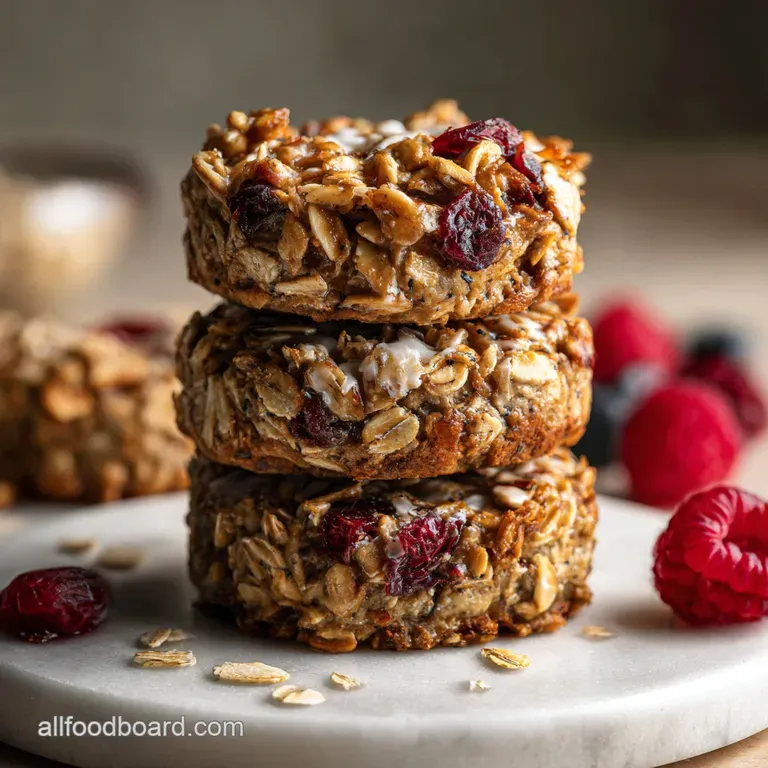
- Time: Active 15 minutes, Passive 30 minutes, Total 45 minutes
- Flavor/Texture Hook: Nutty and velvety with a satisfying chocolate snap
- Perfect for: Pre workout fuel, lunchbox treats, or beginner meal prep
- Making the 4 Ingredient Energy Oatmeal Ball with Peanut Butter
- Key Specifications for Your Quick Snack Success
- Selecting the Right Components for Maximum Flavor
- Simple Tools Needed for No Bake Prep
- Step by Step Guide to Rolling Perfect Bites
- Fixing Texture Issues and Common Rolling Mistakes
- Customizing Your Flavor Profile and Dietary Needs
- Myths About No Bake Oatmeal Bites
- Best Methods for Fridge and Freezer Storage
- Perfect Pairings for Your Morning Snack Routine
- Common Questions About Making Energy Bites
- Recipe FAQs
- 📝 Recipe Card
You know that 3 PM slump where your brain feels like a browser with seventy tabs open, and they’re all frozen? We’ve all been there, reaching for a sugary granola bar that tastes like cardboard and regret.
I used to spend way too much money on those "artisan" protein bites until I realized I could make something better in my pajamas while my coffee was still brewing.
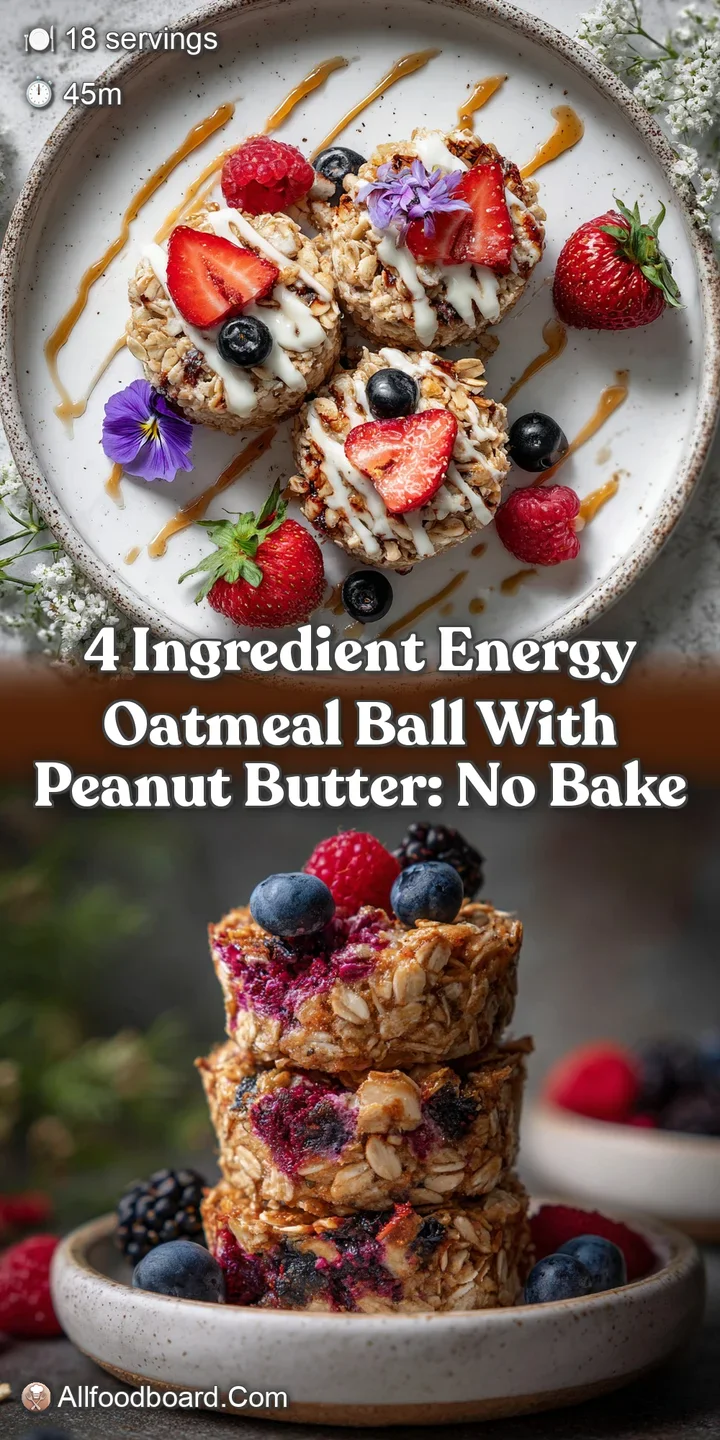
This recipe delivers a super simple and delicious 4 Ingredient Energy Oatmeal Ball with Peanut Butter. It’s the kind of snack that feels like a treat but actually keeps you full because of the fiber and healthy fats.
No food processor is required, and honestly, you don't even need to be particularly "good" at cooking to get these right.
We’re going for a texture that is substantial and chewy, not dry or crumbly. If you’ve ever tried to make an Energy Oatmeal Ball with Peanut Butter and had it fall apart the second you picked it up, I’ve got the fix for you.
We are going to focus on the hydration of the oats, which is the real secret to a snack that actually holds its shape.
Making the 4 Ingredient Energy Oatmeal Ball with Peanut Butter
This 4 Ingredient Energy Oatmeal Ball with Peanut Butter works because of a process called cold set binding. Since we aren't using heat to melt sugars into a caramel, we rely on the viscous nature of the maple syrup and the emulsified fats in the peanut butter to act as a "glue."
- Hygroscopic Absorption: The rolled oats slowly pull moisture from the syrup, softening the grain without making it mushy.
- Lipid Stabilization: The fats in the peanut butter coat the oat fibers, which prevents the balls from becoming sticky or weeping moisture.
- Starch Suspension: Small amounts of starch on the surface of the oats help thicken the liquid binders as they sit.
I learned the hard way that using the wrong kind of oats can ruin the whole vibe. If you use quick oats, you lose that satisfying "snap" and end up with something that feels more like unbaked cookie dough. For a different take on sweet treats, you might enjoy the texture profile of this Simply Splendid Homemade recipe.
Key Specifications for Your Quick Snack Success
When you’re making a Ball with Peanut Butter, the ratios are everything. I’ve tested this dozen of times, and if you stray too far from the 2:1 ratio of oats to peanut butter, the structural integrity starts to fail.
| Feature | Fast Method (This Recipe) | Classic Baked Method |
|---|---|---|
| Prep Time | 15 minutes | 45 minutes |
| Texture | Chewy, moist, and dense | Firm, dry, and crunchy |
| Shelf Life | 1 week (fridge) | 3 weeks (pantry) |
The fast method preserves the natural oils in the nuts, which provides a much more velvety mouthfeel compared to baked versions that can sometimes turn out quite hard. You want these to be soft enough to bite through easily but firm enough that they don't flatten out in your container.
Selecting the Right Components for Maximum Flavor
Picking your ingredients for this 4 Ingredient Energy Oatmeal Ball with Peanut Butter is about more than just grabbing what's on sale. Since there are so few elements, each one has to pull its weight.
| Ingredient | Science Role | Pro Secret |
|---|---|---|
| Old Fashioned Oats | Structural backbone | Use "thick cut" for a more rustic, chewy bite. |
| Natural Peanut Butter | Primary fat binder | Stir the jar thoroughly to integrate separated oils first. |
| Pure Maple Syrup | Liquid hydration | Grade A Amber provides the best balance of sweetness. |
| Mini Chocolate Chips | Texture contrast | Freeze them for 10 minutes so they don't melt during mixing. |
Ingredients & Substitutes
- 2 cups (180g) old fashioned rolled oats
- Substitute: Rolled rye flakes. Why this? Provides the essential fiber and structure needed for a solid, chewy bite.
- 1 cup (250g) creamy natural peanut butter
- Substitute: Almond butter or sunflower seed butter. Why this? The high fat content and viscosity create the "glue" that holds everything together.
- 1/2 cup (120ml) pure maple syrup
- Substitute: Honey or brown rice syrup. Why this? This is the primary sweetener and provides the moisture needed to hydrate the dry oats.
- 1/2 cup (90g) mini semi sweet chocolate chips
- Substitute: Cacao nibs or chopped raisins. Why this? Mini chips distribute better than large ones, ensuring chocolate in every single bite.
- 1 pinch sea salt
- Substitute: Table salt (use half the amount). Why this? A tiny amount of salt brightens the flavor of the chocolate and cuts the richness.
Simple Tools Needed for No Bake Prep
You don't need a fancy kitchen setup for this. In fact, if you have a bowl and a spoon, you’re 90% of the way there.
- Large Mixing Bowl: Go bigger than you think you need so you can really get in there and stir without throwing oats across the kitchen.
- Silicone Spatula: This is better than a wooden spoon because peanut butter is incredibly sticky, and silicone will scrape the bowl clean.
- Cookie Scoop (1.5 tablespoon size): This ensures every Energy Oatmeal Ball with Peanut Butter is exactly the same size, which helps with storage and portioning.
- Baking Sheet: Just to hold the balls while they set in the fridge.
Chef's Tip: Lightly coat your hands or the cookie scoop with a tiny bit of flavorless oil (like avocado oil) before rolling. It prevents the mixture from sticking to your skin and results in a much smoother surface.
step-by-step Guide to Rolling Perfect Bites
- Prep your base. Place the 180g of rolled oats into your large bowl. Note: Using a kitchen scale is more accurate than a measuring cup for oats.
- Combine the liquids. Pour the 250g of peanut butter and 120ml of maple syrup into the center. Note: This creates a "well" that makes mixing easier.
- Add the flavor. Sprinkle in the pinch of sea salt and the 90g of chocolate chips.
- Stir vigorously. Mix until the oats are completely coated and no dry patches remain.
- Hydration check. If the mix looks too oily, let it sit for 5 minutes. Note: This allows the oats to start absorbing the liquids immediately.
- Portion the dough. Use your scoop to drop 18 mounds onto a parchment lined sheet.
- Roll into spheres. Roll each mound between your palms until it feels firm and the surface is smooth.
- The hydration chill. Place the tray in the fridge for 30 minutes. Note: This is non negotiable for the structure to set.
- Final Check. Touch a ball; it should feel slightly springy but not leave a residue on your finger.
Fixing Texture Issues and Common Rolling Mistakes
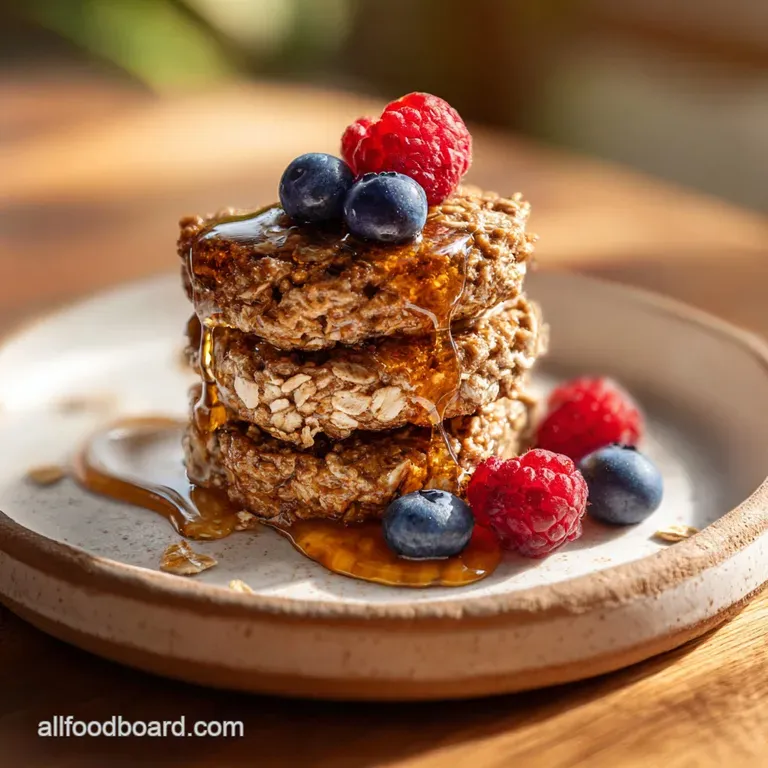
Even with only four ingredients, things can occasionally go sideways. Most issues stem from the temperature or the specific brand of nut butter you are using. If your mix feels like soup, it’s usually because the peanut butter was too warm or too runny.
Why Your Energy Bites Are Crumbly
If your balls are falling apart as you roll them, the mixture is likely too dry. This happens if your oats were particularly thirsty or if you used the dry "bottom of the jar" peanut butter.
| Problem | Root Cause | Solution |
|---|---|---|
| Crumbly texture | Not enough liquid binder | Add 1 tablespoon of maple syrup and stir again. |
| Too sticky to roll | Mixture is too warm | Chill the entire bowl of dough for 15 minutes before rolling. |
| Oily surface | Peanut butter oil separation | Mix in 2 tablespoons of extra oats to soak up the excess oil. |
Don't panic if they aren't perfect the first time. If you want to dive deeper into the world of nut butters to see how different textures affect your baking, check out this Peanut Butter Three Ways recipe for some inspiration. It really helped me understand how oils behave at room temperature.
Solving the "Sticky Palm" Issue
If the dough is sticking to your hands like crazy, your palms might be too warm. The heat from your body melts the fats in the peanut butter. Try rinsing your hands in cold water and drying them thoroughly before you start rolling again.
You can also use a piece of wax paper between your hand and the ball to create a barrier.
Customizing Your Flavor Profile and Dietary Needs
The beauty of a 4 ingredient protein balls peanut butter recipe is that it’s basically a blank canvas. Once you have the base ratio down, you can start swapping things out to suit what you have in the pantry.
- For the Crunch Lovers: Swap the creamy peanut butter for extra crunchy. The added peanut pieces provide a nice shatter when you bite into them.
- For the Tropical Vibe: Replace the chocolate chips with shredded unsweetened coconut and a handful of dried pineapple bits.
- The Espresso Kick: Add 1 teaspoon of very finely ground espresso powder. It makes the chocolate taste much richer and gives you a tiny caffeine boost.
Scaling Guidelines
- To Double (36 balls): Use 360g oats and 500g peanut butter. Keep the salt at a generous pinch rather than doubling it to avoid over salting.
- To Half (9 balls): Use 90g oats and 125g peanut butter. Since you're using 60ml of syrup, you might need to add an extra teaspoon to ensure the oats hydrate properly in a smaller batch.
- Pro Tip: If scaling up, work in two separate bowls. It is much easier to get an even distribution of chocolate chips in smaller batches.
Myths About No Bake Oatmeal Bites
There’s a lot of misinformation out there about how these snacks work. Let’s clear a few things up so you can prep with confidence.
Myth 1: You must use honey for them to stick. While honey is a great binder, pure maple syrup works just as well because of its sugar concentration. The key is the viscosity, not the specific type of sugar. If you prefer a vegan option, maple syrup is actually the superior choice for a cleaner flavor.
Myth 2: Natural peanut butter is too oily for energy balls. Many people think you need the processed, stabilized peanut butter (the kind that doesn't separate) to make these work. Actually, the natural oils in "stir" peanut butter help hydrate the oats more effectively.
You just have to make sure the jar is mixed well before you measure it out.
Myth 3: You can eat them immediately after rolling. Technically, yes, you can. But the texture will be grainy. The "resting" period in the fridge isn't just for cooling; it's for the oats to undergo a structural change as they absorb the liquids.
Thirty minutes makes a world of difference in the final mouthfeel.
Best Methods for Fridge and Freezer Storage
Since this Ingredient Energy Oatmeal Ball with Peanut Butter contains no preservatives, you can't just leave them on the counter for a week. They are moisture rich, which means they need to stay cool to stay fresh.
- Fridge Storage: Keep them in an airtight glass container for up to 1 week. If you stack them, put a piece of parchment paper between layers to prevent them from fusing into one giant mega ball.
- Freezer Instructions: These freeze beautifully. Place them on a tray to freeze individually first, then toss them into a freezer bag. They’ll last for 3 months. You can even eat them straight from the freezer for a firmer, fudge like treat.
- Zero Waste Tip: If you have a few crumbs left at the bottom of the container, don't throw them out. They make an incredible topping for Greek yogurt or a bowl of morning porridge.
For another treat that stores well in the fridge and satisfies those sweet cravings, you have to try this Classic Edible Cookie recipe. It’s a similar "no bake" vibe but feels a bit more like a dessert.
Perfect Pairings for Your Morning Snack Routine
While these are great on their own, I love turning them into a full "snack plate." Because they are quite rich and nutty, they pair perfectly with something acidic or bright.
- With Fruit: A handful of tart green apple slices or some fresh raspberries cuts through the heavy fats of the peanut butter.
- With Beverages: A cold glass of almond milk or a hot cup of black coffee is the classic choice. The heat from the coffee slightly softens the chocolate chips as you eat, which is a lovely sensory experience.
- As a Topping: Crumble one over a smoothie bowl for a bit of crunch and extra staying power.
If you find yourself making these 4 ingredient peanut butter oatmeal balls every week like I do, you’ll start to realize just how versatile they are. It’s one of those recipes that proves you don't need a pantry full of specialized health foods to make something that fuels your body and tastes incredible.
Common Questions About Making Energy Bites
Can I use steel cut oats instead of rolled oats? I wouldn't recommend it. Steel cut oats are much denser and require heat and significant liquid to soften. Using them in a no bake recipe will result in a Ball with Peanut Butter that feels like you’re chewing on small pebbles.
Stick to old fashioned or "large flake" oats for the best results.
My mixture is too dry to even form a ball, what happened? You might have packed your oats too tightly in the measuring cup. This is why I always suggest using a scale. If it’s already mixed and too dry, add a tiny bit more peanut butter.
Don't add water, as it will make the oats slimy rather than chewy.
Are these considered a meal replacement? While they are nutrient dense, two or three balls are generally considered a snack. Each serving has 5g of protein and about 166 calories.
They are designed to give you a steady release of energy rather than a sugar spike and crash, making them perfect for that midday gap between lunch and dinner.
Recipe FAQs
What are the 4 main ingredients for these energy oatmeal balls?
Old fashioned rolled oats, natural peanut butter, pure maple syrup, and mini chocolate chips. These four components create the perfect balance of chewiness, binding, sweetness, and texture contrast.
Can I substitute the rolled oats with quick oats?
No, it's best to stick with old fashioned rolled oats. Quick oats will result in a softer, more mushy texture and you'll lose that satisfying chewy bite that makes these balls hold together.
My mixture is too dry and crumbly. How can I fix it?
Add more liquid binder, starting with 1 tablespoon of maple syrup. If your mixture isn't holding together when rolled, it likely needs more moisture. Stir it in thoroughly and check the consistency again before adding more.
Why are my energy balls too sticky to roll?
The mixture is likely too warm; chill it first. The fats in the peanut butter can melt from the heat of your hands or the room, making the dough sticky. Pop the bowl of dough into the fridge for about 15 minutes before you try rolling again.
Can I use almond butter instead of peanut butter?
Yes, almond butter or sunflower seed butter are excellent substitutes. The key is using a natural nut or seed butter with a high fat content and good viscosity, similar to how we aim for stable emulsions in recipes like Homemade Cashew Butter: Silky Smooth Homemade Recipe.
How long do these energy balls last in the refrigerator?
Up to 1 week in an airtight container in the fridge. For best results, place parchment paper between layers if you stack them, preventing them from sticking together.
What is the secret to their chewy texture without baking?
It's the cold set binding process combined with proper oat hydration. The old fashioned oats absorb moisture from the maple syrup and peanut butter, creating a dense, chewy structure as they chill, much like how dough needs proper proofing for texture development in Homemade Breakfast Biscuits With Shatter Crisp Layers.
4 Ingredient Energy Balls
Ingredients:
Instructions:
Nutrition Facts:
| Calories | 166 calories |
|---|---|
| Protein | 5.0 g |
| Fat | 8.9 g |
| Carbs | 18.5 g |
| Fiber | 2.1 g |
| Sugar | 8.2 g |
| Sodium | 78 mg |
