The Sunday Roast Tomato Soup Rich Velvety
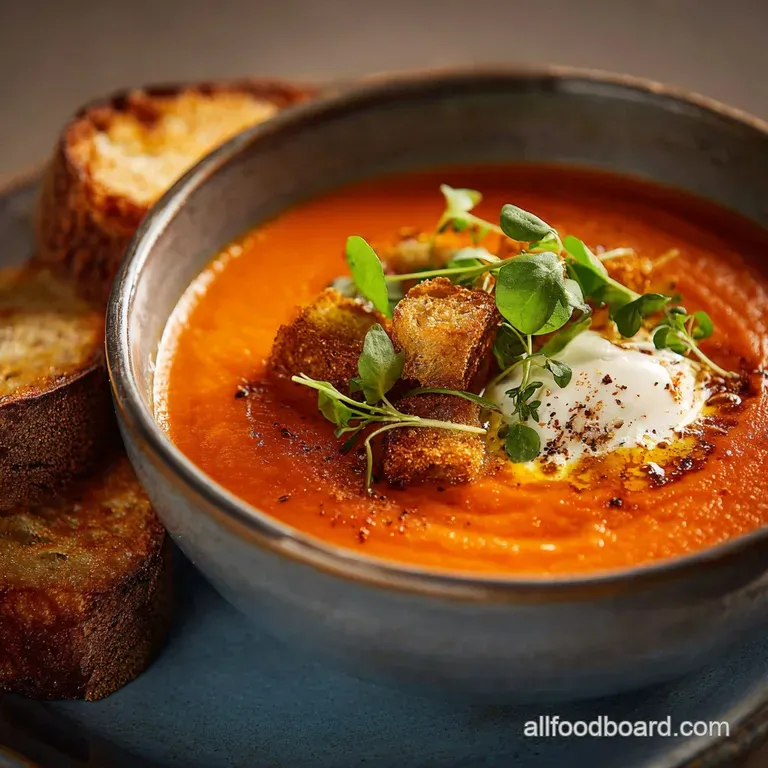
Moving Beyond the Can: Elevating Your Classic Tomato Soup
We all have fond memories of a simple bowl of warm, comforting red soup, but relying on a tin often means sacrificing freshness and depth of flavor for convenience. It’s time to retire the can opener.
By embracing a slightly longer process, you can achieve a truly spectacular, Homemade Tomato Soup that redefines this beloved comfort food. This specific approach utilizes the power of heat and time, turning basic produce into something velvety, rich, and deeply satisfying.
When you move beyond simple stovetop methods and explore elevated Tomato Soup Recipes , you unlock a concentration of flavor that is unparalleled.
The Secret to Velvety Richness: Why Roasting Changes Everything
Achieving that signature luxurious mouthfeel usually requires copious amounts of heavy cream or thickeners. However, the secret weapon in this Tomato Soup method is the roasting process itself.
Roasting the fruit and aromatics prior to simmering dramatically reduces their water content while breaking down the cellular structure of the tomatoes. This not only concentrates their natural sugars but also ensures that when the ingredients are ultimately blended, they emulsify beautifully into the cooking liquid.
The result is a naturally thick, rich consistency that delivers the ideal Creamy Tomato Soup texture, even before the optional addition of dairy.
Bypassing Raw Acidity: Flavor Development Through Caramelization
Many quick tomato soup recipes suffer from a sharp, slightly tinny, raw acidity. Our Fresh Tomato Soup Recipe specifically addresses this challenge through caramelization.
By roasting the tomatoes for 35 to 40 minutes at 400°F (200°C), we trigger the Maillard reaction, developing subtle, smoky brown edges on the fruit.
This deep caramelization converts complex starches into natural sugars, shifting the flavor profile from aggressively acidic to perfectly balanced and sweet. This flavor foundation is the very reason this Roasted Tomato Soup tastes so much more mature and nuanced than typical stove top versions.
Understanding the Easy Medium Complexity: Is This Recipe For You?
While the technique chop, roast, blend is fundamentally simple, this recipe is assigned an Easy Medium difficulty rating, indicating that success hinges on patience and attention to detail, not complicated knife work or tricky sauces.
Active prep time is only about 15 minutes, but the total time commitment of 75 minutes allows for the crucial depth of flavor development in the oven and during the subsequent simmer.
If you are comfortable letting your oven do the heavy lifting and possess the willingness to taste and adjust seasonings meticulously at the end, this truly is an Easy Tomato Soup for weekend cooking.
Essential Provisions for the Deepest Flavor Profile
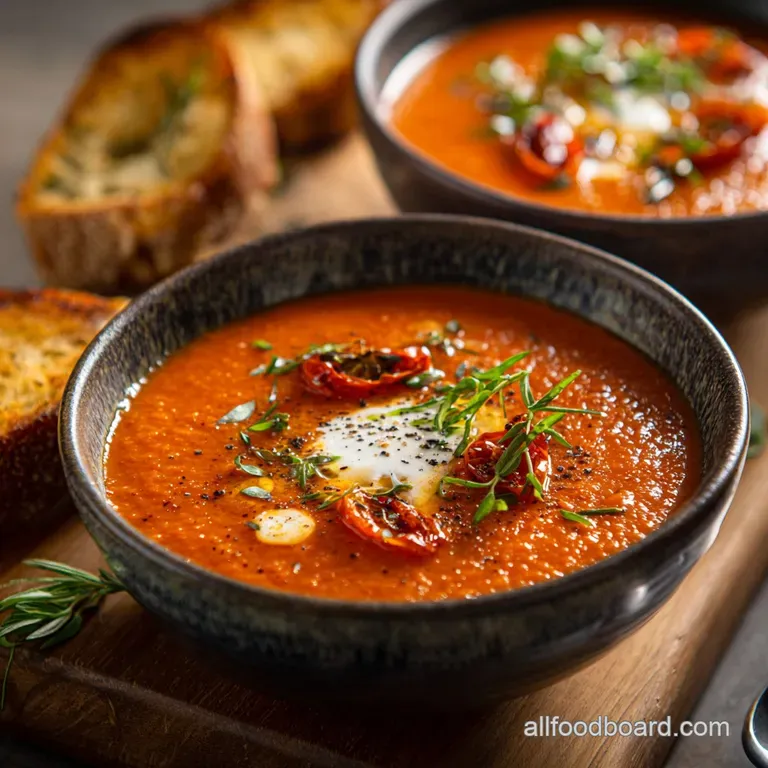
A profound soup requires high-quality starting materials. Since we are using a minimal ingredient list, every component must pull its weight to contribute maximum impact.
The Core Pantry List: Tomatoes and Accompanying Aromatics
For optimal results, prioritize ripe, dense varieties like Roma, Plum, or ideally, San Marzano tomatoes, using approximately 3 lbs (1.4 kg). These varieties have a lower moisture content and fewer seeds, leading to a more intensely flavored soup base.
Alongside the star ingredient, the roasting process requires 1 large yellow onion, roughly chopped, and six cloves of garlic. Crucially, the garlic is roasted unpeeled, which allows it to steam inside its papery wrapper, turning sweet and soft without burning.
A generous drizzle of extra virgin olive oil, along with dried oregano or basil, salt, and pepper, completes the seasoning required before the tray ever hits the oven.
Choosing Your Liquid Base: The Broth vs. Water Debate
The choice of liquid base significantly impacts the final depth. While water works in a pinch, using four cups (950 ml) of high-quality vegetable or chicken stock is highly recommended. For those looking at Vegetarian Soup Recipes , a low-sodium vegetable stock is the standard choice.
However, a major flavor hack is to use chicken stock, even if you typically avoid meat. The collagen and subtle richness in chicken stock introduce an intense umami quality that complements the tomato's acidity perfectly, elevating the entire dish without dominating the tomato flavor.
Tools of the Trade: Equipment for Roasting and Blending
To execute this recipe efficiently, you will need a few standard kitchen workhorses. A large, rimmed baking tray is essential for spreading the vegetables out sufficiently to ensure proper caramelization, rather than steaming.
You will also need a large stockpot or Dutch oven (4L capacity minimum) for simmering and blending. While any standard high speed blender can be used, we highly recommend an immersion blender .
This tool allows you to achieve the signature smooth texture right in the pot, drastically reducing cleanup time and minimizing the safety risk associated with blending hot liquids.
Finally, an optional fine mesh sieve is the professional secret to achieving that hyper smooth, velvety finish by filtering out stubborn seeds and tomato skins.
Related Recipes Worth Trying
- The Best Okra Stew Recipe Smoky Sausage Tomato Comfort — Learn how to make Okra Stew that is rich smoky and absolutely not slimy Our vinegar technique banishes the gloop for a perfect hearty Southern meal
- The Best Fresh Tomato Bruschetta Recipe Crisp Crostini Basil — Celebrate summer with authentic Fresh Tomato Bruschetta Learn the secret Italian garlic rub for perfect crunch This Homemade Tomato Bruschetta is intensely...
- Rich Cheesy Lasagna Soup Recipe The Ultimate Weeknight Comfort — This easy Lasagna Soup recipe delivers huge flavour without the fiddly layers Its hearty Weeknight Lasagna Soup with ground beef and a creamy ricotta...
Mastering the Roasted Tomato Soup Base
The foundation of this superb soup lies in meticulous execution of the roasting and simmering stages. Following these steps ensures maximum flavor extraction.
Prep Work: Seasoning and Preparing the Roast Tray
Begin by preheating your oven to 400°F (200°C). Slice all 3 lbs of ripe tomatoes in half lengthwise. On your large baking tray, arrange the tomatoes cut-side up alongside the roughly chopped onion and the slightly smashed, unpeeled garlic cloves.
This maximizes the surface area exposed to the heat, aiding in moisture evaporation. Drizzle the vegetables generously with a quarter cup of olive oil, followed by the oregano, salt, and pepper. Give the tray a quick toss to coat everything lightly, ensuring that no vegetable is overcrowded on the tray.
The Roasting Phase: Achieving Perfect Caramelization in the Oven
Place the prepared tray into the preheated oven for 35 to 40 minutes. Do not rush this step; the success of this Roasted Tomato Soup hinges on adequate browning.
You are looking for the tomatoes to shrivel, with their edges becoming noticeably brown not just softened. Once roasted, remove the tray and let it cool slightly for about five minutes. Peel the softened garlic from its skins and discard the papery coverings.
Simmering to Perfection: Developing the Deep Broth Flavor
In your stockpot, melt the two tablespoons of unsalted butter over medium heat. Transfer the entire contents of the roasting tray including the caramelized onions, garlic, and all the pan juices into the pot.
Crucially, pour half a cup of your stock into the now-empty roasting tray and scrape up all the beautifully browned bits stuck to the bottom. This process of deglazing captures pure, concentrated flavor.
Pour this liquid into the stockpot along with the remaining stock and the one teaspoon of sugar needed to counteract residual acidity. Bring the mixture to a gentle boil, then reduce the heat immediately to a low, uncovered simmer for 15 minutes to fully meld the roasted flavors into the liquid base.
The Final Blend: Achieving the Signature Velvety Texture
Once simmering is complete, remove the pot from the heat and proceed with blending. If using an immersion blender, carefully submerge it and blend until the soup is perfectly smooth.
If using a standard blender, work in small batches, taking extreme caution to allow steam to escape by cracking the lid (covered with a towel). If you desire the ultra silky consistency demanded by a true Creamy Tomato Soup , pour the blended mixture through a fine mesh sieve, using a ladle to push the solids through, and discarding the remaining fibrous skins and seeds.
Return the finished, strained soup to the pot and stir in the quarter cup of heavy cream for enrichment.
Customizing and Perfecting Your Sunday Tomato Soup Experience
A great recipe is only half the battle; perfect execution requires the ability to adjust the flavor profile to achieve flawless balance just before serving.
Flavor Hacks: Adjusting Sweetness and Acidity Post Blend
The final seasoning stage is non-negotiable for success. After blending and adding the cream (if using), taste the soup carefully. Even with the sugar added during simmering, a slight flatness may persist. This is where a bright lift of acidity comes in.
Stir in the crucial half teaspoon of red wine vinegar or lemon juice. This small addition acts like a magnifying glass for the other flavors, making the entire soup taste brighter and more vibrant. Add salt and pepper to your preference, seasoning until the flavors truly pop.
Serving Suggestions: Pairing Your Soup with the Perfect Side Dish
The ultimate pairing, and perhaps the main reason we make soup in the first place, is the iconic Tomato Soup and Grilled Cheese . Elevate this classic by using sharp cheddar and artisan sourdough.
Beyond the sandwich, serve the soup with homemade, garlicky croutons for crunch, or offer an elegant garnish of fresh basil leaves and a dollop of crème fraîche. For a complete meal, a simple side salad dressed with a light vinaigrette provides a refreshing contrast to the soup’s richness.
Storage Solutions: Making and Freezing This Soup Ahead of Time
This recipe yields four generous servings and makes excellent leftovers. Store chilled leftovers in an airtight container for up to five days. This is also an ideal candidate for batch cooking and freezing. The soup freezes beautifully for up to three months.
If planning to freeze, wait to stir in the heavy cream until the soup has been thawed and reheated. Freezing the base without the dairy ensures the texture remains perfect upon thawing.
Dietary Adaptations: Making the Recipe Vegan or dairy-free
If you require a vegan or dairy-free option, this recipe is extremely adaptable. Simply ensure you use vegetable stock instead of chicken stock. To maintain the luxurious, creamy texture that makes this Homemade Tomato Soup so appealing, you have two excellent substitution options for the heavy cream.
You can use one-quarter cup (60 ml) of full fat coconut milk for a subtle sweet note, or for a texture closer to traditional cream, use half a cup (120 g) of raw cashews that have been soaked in hot water for at least 30 minutes, then blended directly into the soup during the final blending stage.
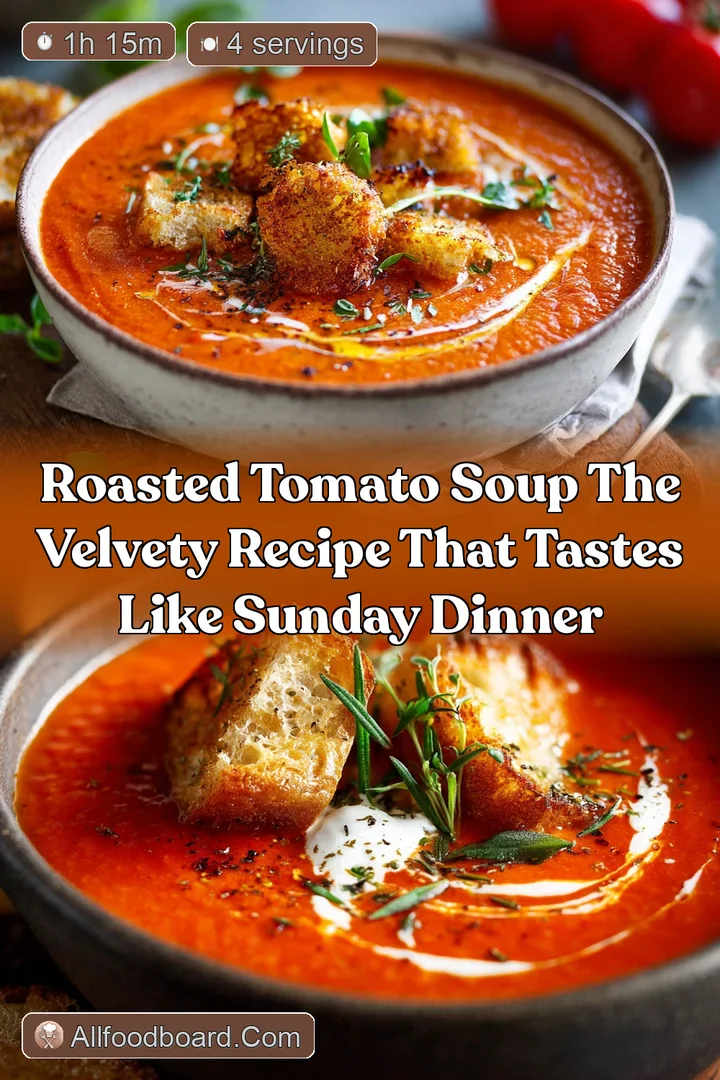
Recipe FAQs
I want that proper, velvety smooth texture. Do I really need to strain this Tomato Soup?
Absolutely, if you want that professional, restaurant quality finish! Straining the Tomato Soup through a fine mesh sieve removes the remaining tomato seeds and tiny bits of skin that even a powerful high speed blender can miss.
This small effort prevents a gritty mouthfeel and ensures your soup truly lives up to its 'velvety' promise it’s worth the extra minute, trust us.
My homemade tomato soup sometimes tastes a bit sharp or acidic. How do I fix that?
Acidity is the nemesis of great homemade soup, but thankfully our roasting process helps immensely by caramelising the natural sugars. If it still tastes too sharp, first try stirring in a small pinch more sugar, as recommended.
Crucially, if the soup tastes flat, balance the sweetness with a final splash of acid, like the red wine vinegar or lemon juice; this small touch brightens the flavour profile beautifully, like a ray of sunshine breaking through the clouds.
Can I batch cook this and freeze it for a rainy day?
You certainly can! This soup freezes brilliantly for up to three months, making it perfect for meal prepping. A crucial tip is to freeze the soup before stirring in the heavy cream. Dairy can sometimes split or become grainy when thawed, making the texture a bit dodgy.
Just thaw it gently overnight, reheat it on the hob, and then stir in the cream just before serving.
How can I make this rich recipe suitable for vegans or dairy-free guests?
Easily done, mate! The majority of the richness comes from the roasted base, not the dairy. Simply swap the butter for good quality olive oil when starting the base. Instead of heavy cream, blend in 1/4 cup of full fat coconut milk (you won't taste the coconut much) or, for true velvety thickness, blend in a handful of soaked raw cashews for that smooth, non-dairy mouthfeel.
I'm short on time is the roasting step really necessary, or can I skip it?
Roasting is non-negotiable for achieving the deep, non-acidic flavour that makes this recipe special; it’s the culinary equivalent of taking the scenic route rather than the motorway. If you skip it, you miss the intense caramelisation that eliminates raw acidity and sweetens the tomatoes.
If time is truly tight on the day, roast the vegetables the night before and store them in the fridge; they will keep perfectly well until you’re ready to simmer and blend.
Velvety Roasted Tomato Soup Recipe
Ingredients:
Instructions:
Nutrition Facts:
| Calories | 1033 kcal |
|---|---|
| Protein | 8.7 g |
| Fat | 26.1 g |
| Carbs | 75.5 g |
| Fiber | 26.7 g |
| Sodium | 10090 mg |
