Chicken Stir Fry Recipe with Velvety Chicken
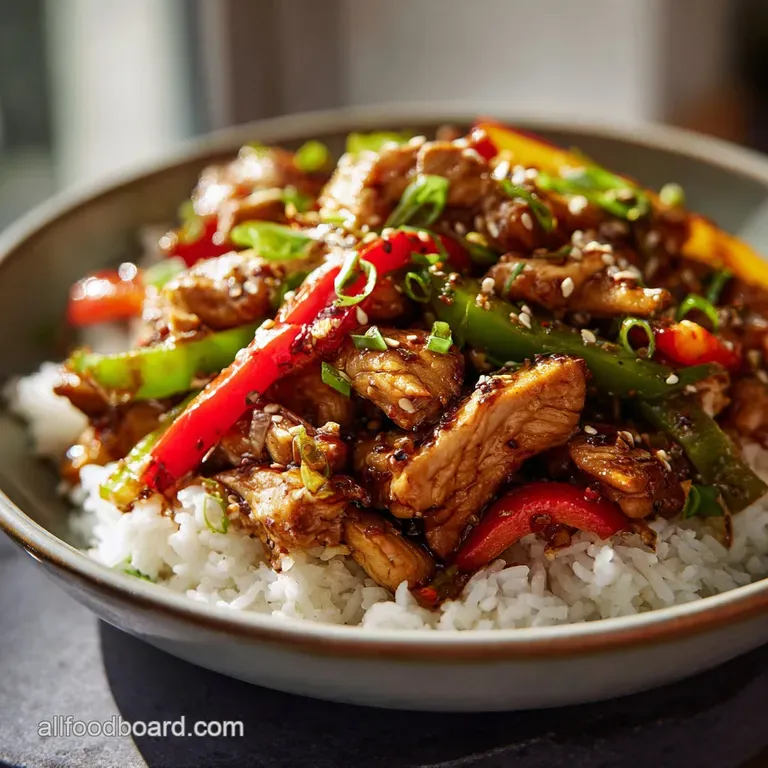
- Time: Active 15 minutes, Passive 10 minutes, Total 25 minutes
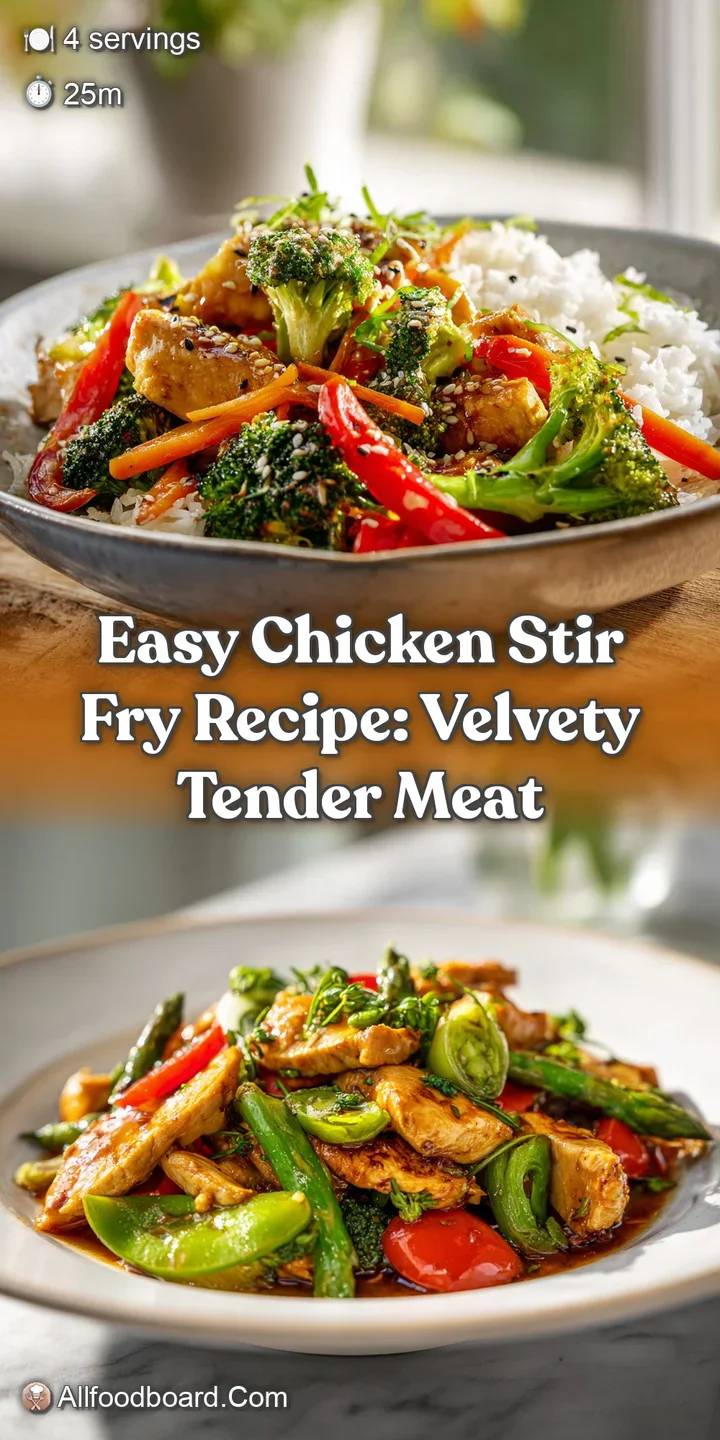
- Flavor/Texture Hook: Velvety chicken paired with crisp tender vegetables in a savory sweet ginger glaze.
- Perfect for: Busy weeknight dinners, healthy meal prep, or those craving takeout quality at home.
- Mastering This Quick Homemade Chicken Stir Fry Recipe
- The Science Behind Achieving Professional Restaurant Quality Results
- Essential Recipe Specifications and Time Management Guidelines
- Selecting the Freshest Elements for Your Stir Fry
- Minimal Tools Required for an Efficient Cooking Process
- Step by Step Instructions for a Perfect Sear
- Solving Common Cooking Hurdles for Consistently Great Results
- Creative Ways to Customize Your Healthy Chicken Meal
- Proper Storage Techniques and Reducing Kitchen Food Waste
- Choosing the Best Sides to Complete Your Dinner
- Practical Cooking Tips
- High in Sodium
- Recipe FAQs
- 📝 Recipe Card
Mastering This Quick Homemade Chicken Stir Fry Recipe
I used to think my stove was somehow underpowered because every time I tried to make a stir fry, the chicken turned out grey and the vegetables were a soggy, sad mess. It was incredibly frustrating.
I’d follow the steps, throw everything in the pan, and end up with something that looked more like a cafeteria stew than the vibrant, sizzling plates I loved at my local spot.
One Tuesday night, after a particularly long shift, I decided to stop rushing the process. I dried the chicken pieces individually with a paper towel and cooked them in tiny batches instead of dumping the whole bowl in at once. The sound changed from a wet bubbling to an aggressive, rhythmic hiss.
That was the moment I realized that heat management and moisture control are the true secrets to a successful chicken stir fry recipe.
Once you hear that specific sizzle and see the edges of the carrot julienne start to brown while staying firm, you've won. It’s not about having a professional grade wok or a blowtorch hot burner; it’s about understanding how ingredients react to the pan.
This version is my go to because it uses basic tools but delivers that signature glossy finish we all crave. We are going to skip the complicated steps and focus on what actually makes the food taste like it came from a high end kitchen.
The Science Behind Achieving Professional Restaurant Quality Results
Understanding the "why" behind the sizzle makes you a more intuitive cook. It isn't just about following a timer; it’s about chemistry happening in real time on your stovetop.
- Starch Gelatinization: The cornstarch in the marinade creates a protective barrier around the protein, which traps moisture inside while allowing the outside to brown rapidly.
- The Maillard Reaction: High heat rearranges amino acids and sugars on the surface of the chicken, creating hundreds of different flavor compounds that don't exist in boiled or steamed meat.
- Emulsification Stability: The honey and cornstarch work together to bind the fat from the oil with the liquid in the soy sauce, resulting in a sauce that coats the back of a spoon rather than pooling at the bottom of the dish.
- Carryover Residual Heat: Vegetables like snap peas continue to cook for 60 seconds after leaving the pan, which is why we pull them off while they still have a "shatter" to their bite.
| Thickness of Chicken | Internal Temperature | Rest Time | Visual Cue |
|---|---|---|---|
| 1/2 inch strips | 165°F (74°C) | 2 mins | Opaque throughout, no pink |
| 1 inch cubes | 165°F (74°C) | 3 mins | Golden brown exterior crust |
| Sliced medallions | 165°F (74°C) | 1 min | Edges curling slightly brown |
Getting the temperature right is the difference between "good" and "unforgettable." If you cook the chicken too long, it turns into rubber; too short, and it's unsafe. These cues help you pull the meat at the exact right second.
Essential Recipe Specifications and Time Management Guidelines
When you're making a quick chicken stir fry dinner, timing is everything. Because the actual cooking happens in less than 10 minutes, your preparation needs to be flawless. This isn't the kind of recipe where you can chop the carrots while the chicken is already searing.
You want every bowl of ingredients lined up like soldiers ready for battle.
| Ingredient | Science Role | Pro Secret |
|---|---|---|
| Cornstarch | Texture Modifier | Prevents the chicken fibers from toughening up under high heat. |
| Honey | Browning Agent | Lowers the temperature at which the sauce caramelizes, giving it a rich color. |
| Fresh Ginger | Enzyme Breakdown | Contains zingibain, which helps further tenderize the chicken as it marinates. |
| Rice Vinegar | Acid Balance | Cuts through the saltiness of the soy sauce to brighten the heavy umami notes. |
The interaction between the ginger and the cornstarch is what creates that "velvety" feel that is so hard to replicate at home. Even a short 15 minute soak in this mixture fundamentally changes the texture of the chicken breast.
Selecting the Freshest Elements for Your Stir Fry
To get the best results, you need specific ingredients that can stand up to the heat. While I love a good Garlic Butter Chicken recipe for comfort, this dish is all about the snap of the vegetables and the punch of the ginger.
- 1.5 lbs Chicken Breast: Cut this into 1 inch pieces. Small, uniform bites ensure everything finishes cooking at the same time.
- 1 tbsp Cornstarch: Why this? Essential for "velveting" the meat and thickening the final sauce into a glaze. (Substitute: Arrowroot powder)
- 1/4 cup Low sodium Soy Sauce: Why this? Provides the salt base without making the dish overwhelmingly salty. (Substitute: Tamari for gluten-free)
- 2 tbsp Honey: Adds the necessary sweetness to balance the vinegar and soy. (Substitute: Brown sugar)
- 1 tbsp Fresh Ginger, grated: Don't use the powdered stuff; it lacks the aromatic oils we need. (Substitute: Ginger paste)
- 3 cloves Garlic, minced: Add this late in the process to prevent it from burning and turning bitter.
- 2 cups Broccoli florets: Cut them small so the stems cook as fast as the tops.
- 1 Red Bell Pepper: Sliced into thin strips for a pop of color and sweetness.
- 1/2 cup Snap Peas: Trim the ends to remove the stringy bits.
- 2 tbsp Avocado oil: Why this? It has a high smoke point, meaning it won't burn or taste "off" at high heat. (Substitute: Grapeseed oil)
Minimal Tools Required for an Efficient Cooking Process
You don't need a thousand gadgets to make a healthy chicken stir fry with vegetables. In fact, fewer tools often mean less cleanup and a better focus on the pan. A large heavy bottomed skillet is often better than a cheap, thin wok on a standard home stove because it retains heat more effectively when you add the cold meat.
| Method | Time | Texture | Best For |
|---|---|---|---|
| Stovetop Skillet | 10 mins | Very crispy, seared | Traditional stir fry results |
| Sheet Pan Oven | 20 mins | Softer, roasted | Large batches, hands off cooking |
| Electric Wok | 12 mins | Even heat, steamed | Beginners who fear burning food |
If you choose the stovetop method, make sure your skillet is wide. If the ingredients are piled on top of each other, they will steam instead of fry. We want that dry, over high heat environment to get the best color on the chicken.
step-by-step Instructions for a Perfect Sear
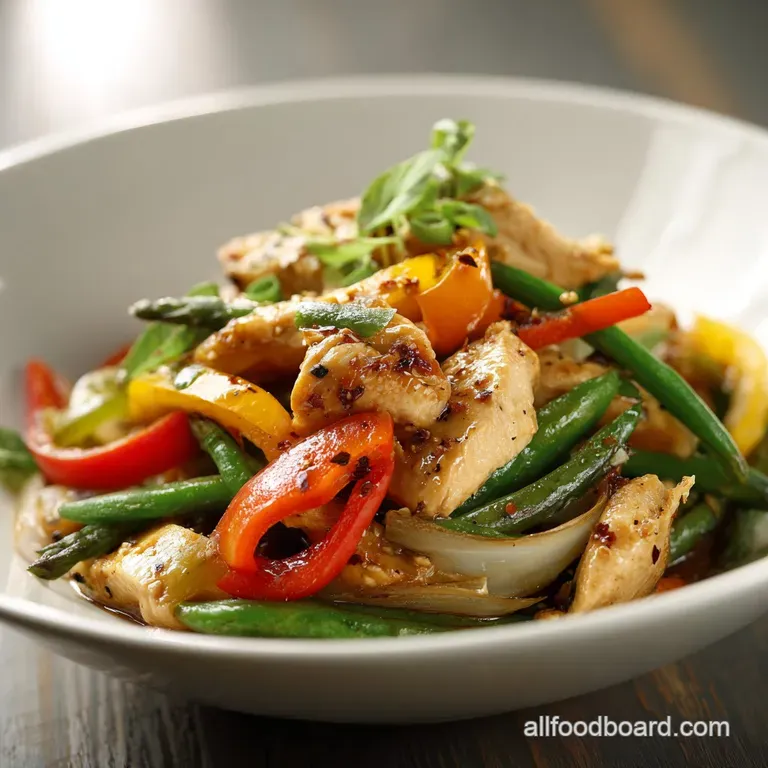
Ready? Let’s get to work. Remember to keep your heat high and your movements fast.
- Prep the chicken. Toss the 1.5 lbs chicken breast with 1 tbsp cornstarch, 1 tsp toasted sesame oil, and a pinch of salt. Note: This creates the "velvet" coating.
- Whisk the sauce. In a small jar, combine 1/4 cup soy sauce, 2 tbsp honey, 1 tbsp grated ginger, 3 cloves minced garlic, 1 tbsp rice vinegar, and 1 tsp chili garlic sauce.
- Heat the pan. Add 1 tbsp avocado oil to a large skillet over medium high heat. Wait until the oil is shimmering and just starting to faintly smoke.
- Sear the protein. Add the chicken in a single layer. Let it sit undisturbed for 2 minutes until a golden brown crust forms. Flip and cook for 2 more minutes, then remove to a plate.
- Sauté the aromatics. Add the remaining oil if the pan looks dry. Toss in the 1 large julienned carrot. Cook for 1 minute until it begins to soften slightly.
- Add the greens. Throw in the 2 cups broccoli florets and 1 sliced red bell pepper. Add a splash of water (about 1 tbsp) to create steam, then cover with a lid for 60 seconds.
- Flash fry the peas. Remove the lid, add 1/2 cup snap peas, and stir fry for 1 minute until the vegetables are bright green and crisp tender.
- Combine and glaze. Add the cooked chicken back into the pan. Give the sauce a quick whisk (the honey might have settled) and pour it over everything.
- Thicken the sauce. Toss constantly for 1 to 2 minutes until the liquid bubbles and turns into a thick, glossy glaze that coats the chicken.
- Garnish and serve. Remove from heat immediately and top with 3 sliced green onions.
Solving Common Cooking Hurdles for Consistently Great Results
Even with the best intentions, things can go sideways. The most common issue with a quick weeknight chicken stir fry is the "pool of liquid" at the bottom of the pan. This usually happens because the heat wasn't high enough or the vegetables were washed right before being added, introducing too much moisture.
Why Your Chicken Is Tough or Dry
If the meat feels like chewing on a pencil eraser, it’s likely overcooked or was cooked over too low a heat for too long. High heat locks in the juices quickly.
Why Your Sauce Is Watery
A watery sauce usually means the cornstarch didn't have enough heat to activate its thickening properties, or the vegetables released too much water.
| Problem | Root Cause | Solution |
|---|---|---|
| Rubbery Chicken | Crowded pan dropped the temp | Cook chicken in two batches to maintain high heat. |
| Soggy Vegetables | Cooked for too long | Follow the "bright color" rule: pull them when they look vivid. |
| Burned Garlic | Added too early | Toss garlic in with the sauce or during the last 30 seconds of frying. |
Common Mistakes Checklist
- ✓ Never use cold chicken straight from the fridge; let it sit out for 10 minutes to take the chill off.
- ✓ Pat your vegetables completely dry after washing them to prevent steaming.
- ✓ Ensure the pan is hot enough that a drop of water dances and evaporates instantly.
- ✓ Don't double the sauce without adding more cornstarch, or it won't cling to the ingredients.
- ✓ Cut all your vegetables to a similar size so they finish at the same time.
Creative Ways to Customize Your Healthy Chicken Meal
This simple teriyaki chicken stir fry is a fantastic base, but you don't have to stop there. If you’re looking for something with a different flavor profile, you might enjoy this Teriyaki Chicken Stir recipe which leans heavier on the sweet savory balance.
- Low Carb/Keto
- Swap the honey for a monk fruit sweetener and use xanthan gum (just a pinch!) instead of cornstarch. Serve over cauliflower rice.
- Chicken Stir Fry Recipe With Noodles
- Boil some udon or rice noodles separately. Toss them in at the very end with an extra splash of soy sauce and sesame oil to ensure they get coated in the glaze.
- Spicy Kick
- Double the chili garlic sauce or add sliced fresh serrano peppers during the vegetable sauté phase for a heat that lingers.
When scaling this recipe up for a big family dinner, remember that you cannot just double everything in one pan. If you try to cook 3 lbs of chicken at once, it will just boil in its own juices. Work in batches for the meat, then combine everything at the very end when you add the sauce.
Proper Storage Techniques and Reducing Kitchen Food Waste
Stir fry is one of those rare dishes that actually holds up pretty well for lunch the next day, though the vegetables will lose that "shatter" crunch and become a bit softer.
- Fridge
- Keep in an airtight container for up to 4 days.
- Freezer
- You can freeze the cooked stir fry for up to 2 months, but be warned that the vegetables (especially peppers) will be quite soft once thawed.
- Reheating
- For the best results, skip the microwave. Toss it back into a hot skillet with a teaspoon of water to loosen the sauce. This helps revive the textures better than the "nuke" method.
Zero Waste Tips: Don't throw away those broccoli stalks! Peel the woody outer layer with a vegetable peeler, slice the tender core into matchsticks, and throw them in with the carrots. They have a wonderful, slightly sweet flavor.
Also, if you have the white parts of the green onions left over, sauté them at the start with the ginger and garlic for a deeper onion base.
Choosing the Best Sides to Complete Your Dinner
While this is a complete meal on its own, most people prefer a quick chicken stir fry with rice to soak up all that extra ginger garlic sauce. I usually go with a fluffy jasmine rice, but brown rice adds a nice nutty chew that complements the snap peas perfectly.
If you want to keep it light, serve the mixture in large butter lettuce leaves for a fresh, crunchy wrap experience. If you're feeling adventurous, a side of smashed cucumber salad with plenty of vinegar and chili oil provides a cold, refreshing contrast to the hot, savory chicken.
No matter how you serve it, the key is to get it to the table while the sauce is still bubbling and glossy. Trust me, once you master the "batch cook" method for the chicken, you'll never go back to soggy takeout again.
Practical Cooking Tips
How do I prevent the chicken from sticking to the pan? The main reason chicken sticks is because the pan wasn't hot enough or you tried to move the meat too soon. When the protein hits a hot, oiled surface, it undergoes a process where it eventually "releases" itself once a crust has formed.
If you try to flip it and it resists, give it another 30 seconds.
Can I use chicken thighs instead of breast? Absolutely. Chicken thighs are actually more forgiving because they have a higher fat content, which makes them harder to overcook.
If using thighs, you might need to cook them for an extra minute or two to ensure the fat renders properly and the meat is no longer pink.
What if I don't have rice vinegar? You can substitute with apple cider vinegar or even white wine vinegar. Avoid using plain distilled white vinegar if possible, as it’s a bit too harsh and lacks the subtle sweetness that rounds out the sauce in this fry recipe.
Is cornstarch really necessary? If you want that specific restaurant texture, yes. It performs two roles: it protects the meat from drying out (velveting) and it acts as the thickener for the sauce. Without it, your sauce will be thin and watery, and the chicken won't have that silky mouthfeel.
High in Sodium
840 mg mg of sodium per serving (37% % of daily value)
American Heart Association recommends limiting sodium intake to 2,300mg per day.
Tips to Reduce Sodium
-
Low-Sodium Soy Sauce Swap-20%
Use a no-sodium or very low-sodium soy sauce. This simple swap can significantly cut down the sodium content of your dish, as regular soy sauce is a major contributor.
-
Reduce Added Salt-15%
Omit the added kosher salt entirely. With soy sauce already in the recipe, it's likely you won't miss the extra sodium.
-
Control Chili Garlic Sauce-10%
Use a low-sodium chili garlic sauce or reduce the amount used by half and add a pinch of red pepper flakes for heat. Chili garlic sauce can be surprisingly high in sodium.
-
Boost Flavor with Herbs & Spices
Enhance the flavor with fresh herbs like cilantro or spices like black pepper, ginger, and garlic powder to make the dish more flavorful without adding sodium.
Recipe FAQs
What is the secret to good stir fry chicken?
Velveting the chicken before cooking. This technique involves tossing the raw meat briefly in cornstarch, egg white, and a bit of oil, which protects the protein from drying out under high heat, ensuring a silky texture.
What are the best ingredients for a chicken stir fry?
Use high smoke-point oil, fresh aromatics (ginger/garlic), and a balance of sturdy and quick cooking vegetables. Aim for a marinade containing cornstarch for texture and honey for gloss. For a full range of sweet and savory notes, check out our Asian Zing marinade recipe for inspiration.
What is the secret ingredient in stir fry?
Cornstarch is non-negotiable for texture, but fresh ginger provides the signature aromatic depth. Many people skip fresh ginger for powdered, which loses the essential oils that cut through the richness of the sauce.
What are common stir fry mistakes to avoid?
Do not overcrowd the pan or use low heat. Both mistakes cause the meat and vegetables to steam in their own moisture instead of searing, resulting in a grey, watery dish rather than a beautifully caramelized one.
How do I ensure my sauce thickens instead of staying watery?
Bring the sauce to a full boil while tossing constantly once it hits the hot pan. The cornstarch slurry needs high heat to gelatinize properly; if the temperature drops, the thickening won't set correctly.
Can I use chicken thighs instead of breasts?
Yes, chicken thighs are more forgiving due to their higher fat content. They benefit greatly from the velveting technique, and if you enjoy deeply flavored, tender meats, you might apply this same texture control principle when cooking richer proteins like in our Southern Black Eyed recipe to control chewiness.
How do I get that perfect, slightly charred flavor (Wok Hei) at home?
Cook ingredients in small, separate batches over the highest possible heat setting. You need to cook the chicken, remove it, then sear the hardiest vegetables, ensuring the pan never cools down when new ingredients are added.
Velvety Chicken Stir Fry Recipe
Ingredients:
Instructions:
Nutrition Facts:
| Calories | 442 kcal |
|---|---|
| Protein | 53 g |
| Fat | 14 g |
| Carbs | 23 g |
| Fiber | 4.2 g |
| Sugar | 12 g |
| Sodium | 840 mg |
