Chicken Fajita Recipe: Smoky and Crisp
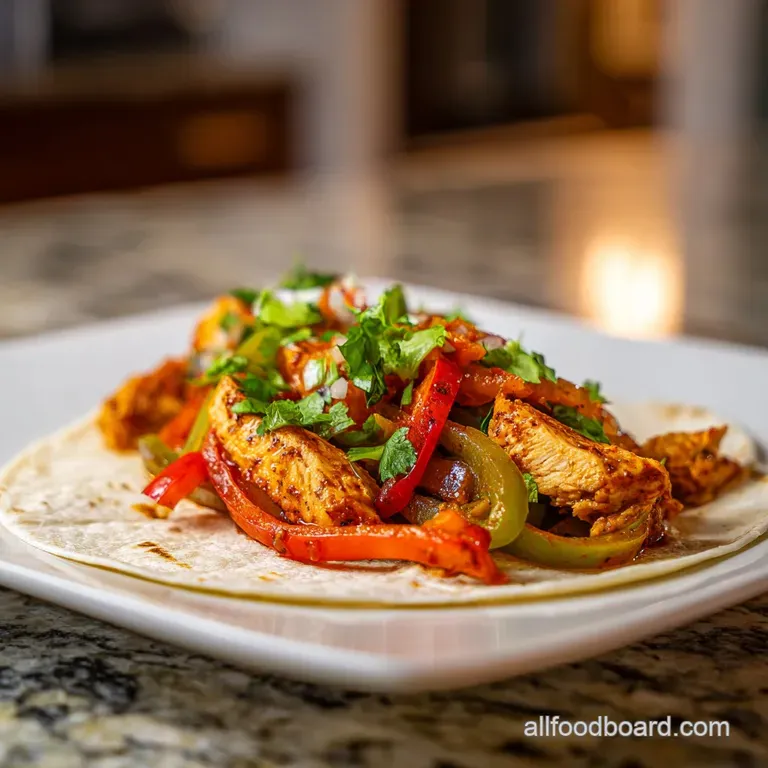
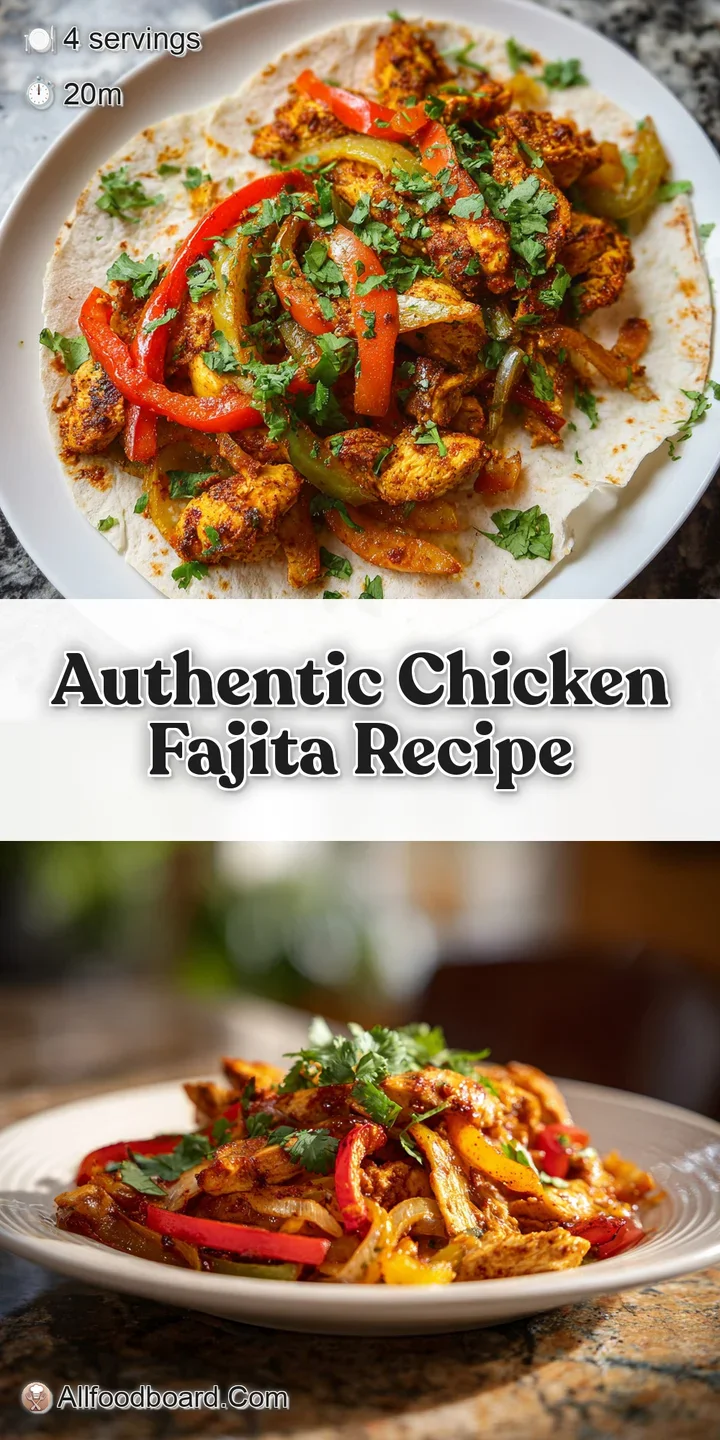
- Time: Active 10 minutes, Passive 10 minutes, Total 20 minutes
- Flavor/Texture Hook: Smoky, citrus bright, and snap crisp
- Perfect for: Busy weeknight dinners or casual family gatherings
- Mastering This chicken fajita recipe
- Success Secrets for Results
- Key Specifications and Timing
- Essential Ingredient Selection
- Required Kitchen Equipment
- Step By Step Method
- Preventing Common Cooking Errors
- Creative Customization Options
- Storage and Zero Waste
- Optimal Serving Suggestions
- High in Sodium
- Chicken Fajita Recipe FAQs
- 📝 Recipe Card
Mastering This chicken fajita recipe
The first time I tried making fajitas at home, it was a gray, watery disaster. I remember standing over my pan, watching the chicken "sweat" out all its juices until it looked more like a boiled stew than a sizzling platter. I was trying to cook way too much at once, and the heat just couldn't keep up.
The result was rubbery meat and mushy peppers that had lost all their vibrant color. It was a lesson learned the hard way: heat management is everything.
I spent the next few months obsessing over how restaurants get that perfect, slightly blackened edge on the peppers while keeping the chicken tender. I realized the secret wasn't a fancy commercial grill, but rather the preparation of the meat and the timing of the pan.
We need to strip away excess moisture and hit that skillet with enough heat to create an instant sizzle. When you get it right, the sound alone makes everyone in the house come running to the kitchen.
This chicken fajita recipe is the result of all those failed attempts and greasy pans. It’s designed to work on a standard home stove, utilizing a heavy pan and a targeted marinade that doesn't drown the ingredients.
We’re going for high impact flavor with minimal effort, making it a staple for those Tuesday nights when you’re staring at the fridge wondering how to turn a couple of chicken breasts into something exciting.
Trust me, once you hear that first strip of chicken hit the hot oil, you'll know exactly why this method works.
Success Secrets for Results
The secret to this dish lies in the chemistry of over high heat cooking and moisture control. If the pan temperature drops, the chicken releases liquid and begins to steam rather than sear. By slicing the meat thinly and using a high smoke point oil, we ensure the exterior browns before the interior can overcook.
- Maillard Reaction: High surface heat creates complex brown compounds and deep savory flavors.
- Acid Tenderization: Lime juice breaks down surface proteins, allowing spices to penetrate deeper.
- Lipid Extraction: The oil acts as a solvent, pulling fat soluble flavors out of the dried spices.
- Thermal Mass: Using a heavy pan helps maintain consistent heat when cold ingredients are added.
Cook Method Comparison
| Method | Time | Texture | Best For |
|---|---|---|---|
| Cast Iron Skillet | 10 minutes | Maximum char and smokiness | Classic restaurant experience |
| Sheet Pan | 20 minutes | Softer, more roasted flavor | Hands off bulk cooking |
| Air Fryer | 12 minutes | Very crispy edges, less oil | Quick individual portions |
Regardless of the method, the goal remains the same: high heat and quick movement. If you find yourself cooking for a larger crowd, similar to the logistics of a Garlic Butter Chicken recipe, you’ll want to work in batches to keep the pan temperature from plummeting.
Key Specifications and Timing
Before you grab your knife, let's look at the numbers. Precision in the prep phase is what prevents the cooking phase from becoming chaotic. I always aim for 1/2 inch strips; any thicker and the outside burns before the middle is safe, any thinner and the chicken turns into jerky.
Component Analysis
| Ingredient | Science Role | Pro Secret |
|---|---|---|
| Lime Juice | Protein denaturant | Use fresh only for enzymatic activity |
| Liquid Smoke | Phenolic flavor | A tiny drop mimics wood fire pits |
| Neutral Oil | Heat conductor | Avocado oil prevents kitchen smoke alarms |
| Cumin | Earthy base | Toast briefly for extra aromatic depth |
Choosing the right oil is a small detail that changes everything. Since we are pushing the temperature to the limit, butter or extra virgin olive oil will burn and turn bitter. A neutral oil with a high smoke point, like avocado or vegetable oil, allows the spices to bloom without the acrid taste of burnt fat.
Essential Ingredient Selection
For this recipe, we are using 1.5 lbs of boneless, skinless chicken breasts. While thighs are forgiving, breasts provide that clean, classic fajita texture if cooked quickly. You'll also need 3 tbsp of neutral oil for the marinade and an extra 1 tbsp for the pan itself.
The acidity comes from 2 tbsp of fresh lime juice, which is essential for cutting through the spice.
The dry rub consists of 1 tbsp chili powder, 1 tsp ground cumin, 1 tsp smoked paprika, 1/2 tsp garlic powder, and 1/2 tsp onion powder. Don't forget the 1 tsp kosher salt and 1/2 tsp cracked black pepper to bring it all together.
For the vegetable component, 2 large bell peppers and 1 large white onion provide the crunch and sweetness. Finally, you'll need 8 small flour tortillas to wrap up the goodness.
- 1.5 lbs chicken breasts: Sliced into 1/2 inch strips. Why this? Lean protein cooks fast and absorbs the citrus heavy marinade perfectly.
- Lime juice (2 tbsp): Freshly squeezed. Why this? Bottled juice lacks the bright, volatile oils found in fresh rinds.
- Liquid smoke (1 tsp): Essential for depth. Why this? Provides that "charcoal grill" flavor without needing an actual outdoor grill.
- Bell peppers (2 large): Use a mix of colors. Why this? Different colors offer varying levels of sweetness and visual appeal.
Substitution Table
| Original Ingredient | Substitute | Why It Works |
|---|---|---|
| Lime Juice | Lemon Juice | Similar acidity, though slightly less "traditional" flavor |
| Liquid Smoke | Smoked Salt | Adds the smoky note without extra liquid moisture |
| White Onion | Red Onion | Adds a sharper bite and beautiful purple hue |
When substituting, keep in mind that texture is king. If you use a lower acid citrus like orange juice, you'll get more sugar (which helps with browning) but less tenderization. It’s a trade off that can work well if you’re looking for a sweeter profile, similar to a Lemon Caper Chicken recipe but with a Mexican twist.
Required Kitchen Equipment
You don't need a professional kitchen, but a cast iron skillet is the gold standard here. It holds onto heat like nothing else, which is exactly what we need when cold chicken hits the pan.
If you don't have one, a heavy bottomed stainless steel pan will do, but avoid thin non stick pans as they can't handle the high heat required for a proper sear.
A sharp chef's knife is your second most important tool. Uniformly sliced peppers and onions ensure everything finishes cooking at the exact same time. If some onion slices are thick and others are paper thin, you'll end up with a mix of raw and burnt pieces.
Consistency in your knife work translates directly to consistency in the flavor of your finished dish.
step-by-step Method
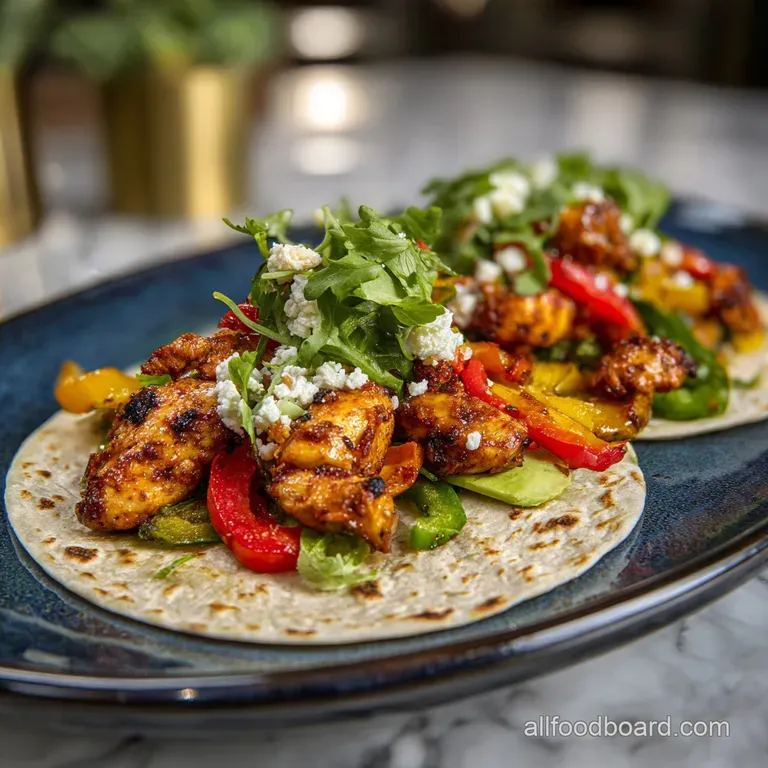
- Prep the chicken. Slice the 1.5 lbs of chicken breasts into 1/2 inch strips, ensuring they are uniform in thickness. Note: This ensures they all reach 165°F at the same time.
- Mix the marinade. In a medium bowl, whisk together the 3 tbsp neutral oil, 2 tbsp lime juice, 1 tsp liquid smoke, and all the dry spices.
- Marinate briefly. Toss the chicken in the spice mixture until every strip is thoroughly coated. Let it sit for 10 minutes; any longer and the lime juice might make the meat mushy.
- Prep the vegetables. Slice the 2 large bell peppers and 1 large white onion into strips of similar width to the chicken.
- Heat the pan. Set your skillet over medium high heat and add 1 tbsp of neutral oil until it begins to shimmer and smoke slightly.
- Sear the chicken. Add the chicken to the pan in a single layer. Cook for about 5 to 6 minutes until the edges are charred and the meat is opaque. Remove from the pan and set aside.
- Sauté the vegetables. In the same pan, add the peppers and onions. Cook for 3 to 4 minutes until they are soft but still have a slight snap.
- Combine ingredients. Return the chicken to the pan and toss with the vegetables for 1 minute.
- Warm the tortillas. Heat the 8 flour tortillas in a dry pan or over a gas flame until they are pliable and slightly charred.
- Assemble and serve. Pile the mixture into the warm tortillas and serve immediately while the pan is still hissing.
Chef's Tip: If your pan starts to look dry while cooking the vegetables, add a tiny splash of water or chicken broth. The steam will help release the browned bits (fond) from the bottom of the pan, coating the veggies in extra flavor.
Preventing Common Cooking Errors
One of the biggest mistakes people make is overcrowding the pan. If you dump all the chicken and vegetables in at once, the temperature will drop instantly. Instead of searing, the ingredients will release their moisture and begin to boil.
If you are cooking for a crowd, always work in batches, keeping the first batch warm in a low oven.
Why Your Meat Is Rubbery
If the chicken feels like a pencil eraser, it’s likely overcooked or was sliced with the grain. Chicken breast is very lean, so once it passes that 165°F mark, it loses its juice quickly.
Always slice against the grain the small lines you see in the meat to shorten the fibers, making every bite much easier to chew.
Quick Fix Table
| Problem | Root Cause | Solution |
|---|---|---|
| Watery Vegetables | Overcrowded Pan | Cook in smaller batches or increase heat |
| Bland Chicken | Short Marination | Let meat sit in spices for at least 10 mins |
| Burnt Spices | Heat Too High | Add a teaspoon of oil to buffer the heat |
Common Mistakes Checklist
- ✓ Pat chicken completely dry before adding the marinade to prevent excess liquid.
- ✓ Preheat the skillet for at least 3 minutes before the first ingredient hits the pan.
- ✓ Don't move the chicken immediately; let it sit for 60 seconds to develop a crust.
- ✓ Slice onions into thick half moons so they don't disintegrate during the over high heat sauté.
- ✓ Use a meat thermometer to pull the chicken at 160°F, letting carryover heat take it to 165°F.
Creative Customization Options
While the classic version is hard to beat, there are plenty of ways to shake things up. If you're looking for a healthy chicken fajita recipe, swap the flour tortillas for large romaine lettuce leaves. The crunch of the lettuce pairs beautifully with the smoky chicken, and it keeps the meal very low carb.
You can also toss in some sliced mushrooms or zucchini if you want to bulk up the vegetable count without adding many calories.
Utilizing the Slow Cooker
If you need a "set it and forget it" version, the chicken fajita recipe crock pot style is a lifesaver. Place the chicken, sliced peppers, and onions in the slow cooker with half the lime juice and all the spices. Cook on low for 4 hours.
The texture will be more like "pulled" chicken, but the flavors will be deeply integrated. Just be sure to drain the excess liquid before serving to avoid soggy tortillas.
Adapting for the Air Fryer
For an air fryer chicken fajita recipe, toss everything (chicken and veggies) together with the oil and spices. Air fry at 400°F (200°C) for 10 to 12 minutes, shaking the basket halfway through.
This method is incredibly fast and results in very crispy edges on the peppers, though you might miss some of the deep "pan sear" flavor of a skillet.
Storage and Zero Waste
Leftover fajita filling keeps beautifully in the fridge for up to 3 days. I actually think the flavors meld even better after 24 hours. To reheat, avoid the microwave if possible; it tends to make the chicken rubbery.
Instead, toss everything back into a hot skillet for 2 minutes with a tiny splash of water to loosen the juices.
Don't toss out those bell pepper scraps or onion ends! I keep a "stock bag" in my freezer for all my veggie trimmings. When the bag is full, I boil them down with some chicken bones to make a rich, aromatic broth.
If you have leftover fajita meat but no tortillas, it makes a fantastic "fajita bowl" over rice or quinoa for lunch the next day.
Optimal Serving Suggestions
The best way to serve these is "family style" right out of the skillet. Place the hot pan on a heat proof trivet in the middle of the table so everyone can build their own. I always provide bowls of cold sour cream, freshly mashed avocado, and a chunky salsa.
The contrast between the hot, smoky meat and the cold toppings is what makes this meal so satisfying.
If you want to go the extra mile, serve this with a side of cilantro lime rice or smoky black beans. The acidity in the rice helps refresh the palate between bites of the spicy chicken. For a drink pairing, a simple lime margarita or even just sparkling water with a heavy squeeze of lime ties the whole theme together.
It's an everyday life kind of meal that feels like a celebration.
High in Sodium
812 mg mg of sodium per serving (35% % of daily value)
The American Heart Association recommends limiting sodium intake to no more than 2,300mg per day for most adults. Aiming for 1,500mg per day is even better for heart health.
Sodium Reduction Tips for Your Chicken Fajitas
-
Reduce Added Salt-25%
Decrease the amount of kosher salt from 1 tsp to 1/2 tsp. This simple change can significantly reduce the sodium content without sacrificing too much flavor. Consider tasting and adding more at the end if needed, but be mindful of the overall sodium.
-
Fresh Herbs & Spices
Experiment with fresh herbs like cilantro or oregano to boost flavor without adding sodium. Taste as you go and adjust seasonings according to your preference.
-
Enhance with Lime-10%
Increase the amount of fresh lime juice in the marinade from 2 tbsp to 3 tbsp. The acidity helps to brighten the flavors and reduces the need for salt. Always opt for fresh over bottled lime juice.
-
Spice it Up!-5%
Consider adding a pinch of cayenne pepper or a dash of your favorite low-sodium hot sauce to the chicken marinade. This can distract from the need for salt and add complexity to the flavor profile.
-
Tortilla Choice-10%
Check the sodium content of your tortillas. Choose a low-sodium tortilla option or consider making your own for better control over the ingredients and sodium levels. You can also reduce the portion size by using smaller tortillas or less filling.
Chicken Fajita Recipe FAQs
What ingredients do you need for chicken fajitas?
Chicken, peppers, onions, oil, and a spice blend. You need about 1.5 lbs of chicken breast, 2 large bell peppers, 1 large white onion, neutral high heat oil, and a mix of chili powder, cumin, paprika, salt, and pepper for the primary flavors.
What is the secret to tender fajita chicken?
Brief marination in an acidic element like lime juice. The acid tenderizes the surface proteins quickly, but you must avoid marinating for too long (over 20 minutes) or the texture will become mushy.
What do you marinate chicken in for fajitas?
A mixture of oil, fresh lime juice, and dry spices. This blend provides necessary fat for flavor transfer while the lime juice slightly breaks down the surface fibers. If you enjoyed mastering the concept of acidic tenderization here, see how we apply the same principle in our Lemon Caper Chicken recipe.
Is fajita seasoning the same as taco seasoning?
No, fajita seasoning is generally heavier on cumin and chili powder. Taco seasoning often includes oregano and sometimes a small amount of sugar or cornstarch for thickening sauces, making it slightly less intensely savory than a dedicated fajita rub.
How do I prevent my vegetables from getting soggy when cooking fajitas?
Cook vegetables separately over very high heat until crisp tender. Do not overcrowd the pan, as this forces the temperature down and makes them steam instead of sear, resulting in moisture loss.
Can I substitute chicken thighs for breasts in this recipe?
Yes, chicken thighs are more forgiving of high heat cooking. Thighs contain more intramuscular fat, meaning they stay juicier even if accidentally cooked a minute too long. If you enjoy the flavor profile of this recipe but want to try a different protein, consider substituting with a leaner cut like in our Savory Venison Fajitas recipe.
What is the ideal internal temperature for the chicken before resting?
Pull the chicken at 160°F (71°C) to allow for carryover cooking. The residual heat in the pan and the chicken itself will raise the temperature to the safe 165°F (74°C) while resting, ensuring maximum tenderness.
Smoky Chicken Fajita Recipe
Ingredients:
Instructions:
Nutrition Facts:
| Calories | 593 kcal |
|---|---|
| Protein | 56.7 g |
| Fat | 23.6 g |
| Carbs | 33.8 g |
| Fiber | 3.1 g |
| Sugar | 4.8 g |
| Sodium | 812 mg |
