Homemade Caesar Salad: Our Best Recipe for Proper Scratch Dressing
- Mastering the Authentic Homemade Caesar Salad: An Overview
- The Flavor Science Behind Our Proper Scratch Dressing
- Essential Ingredients for the Best Homemade Caesar Salad
- Step-by-Step Guide to Assembling Your Classic Caesar
- Expert Tips for a Flawless Caesar Salad
- Make-Ahead and Storage Guidance
- Complementary Pairings and Serving Suggestions
- Recipe FAQs
- 📝 Recipe Card
Mastering the Authentic Homemade Caesar Salad: An Overview
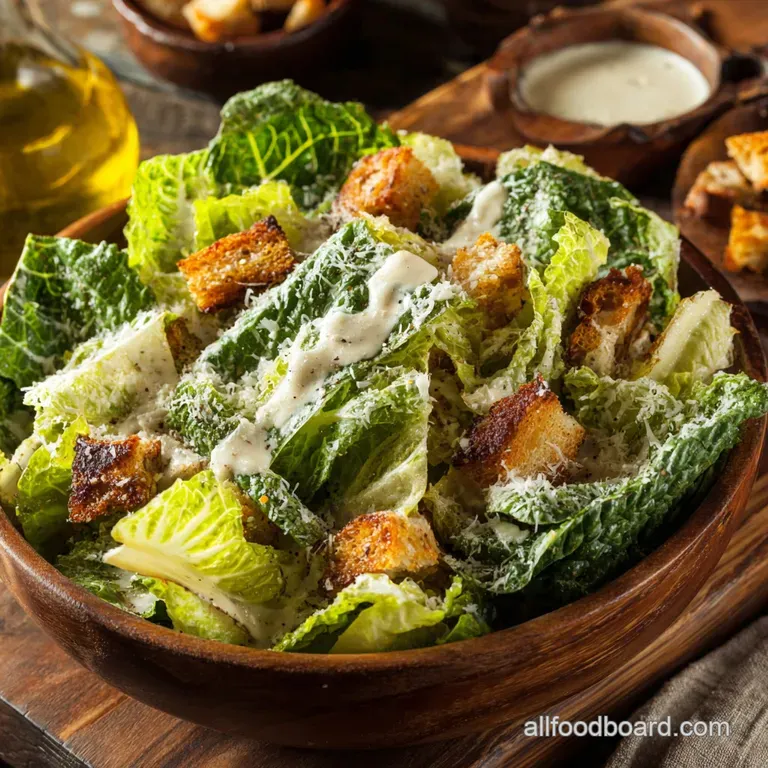
Can we talk about the crunch? That perfect sound of cold, crisp Romaine meeting a ridiculously velvety, sharp dressing and a garlicky crouton. Honestly, the aroma alone lemony, salty, and just faintly pungent with garlic and anchovy is one of my favourite things to smell in the kitchen.
It’s heaven on a plate, truly.
For years, I relied on the bottled stuff, and it’s criminal how much flavour I missed out on. The beautiful part is that making a proper scratch Caesar dressing is far easier and quicker than you think.
It's affordable, uses basic pantry staples, and turns a humble salad into an absolute showstopper every single time.
This isn’t just a recipe; this is the technique you need to stop buying mediocre bottled dressing forever. We’re going deep into the secrets of achieving that perfect, stable emulsion that makes this classic salad sing. Let’s crack on!
The Flavor Science Behind Our Proper Scratch Dressing
The Legacy of Caesar Cardini: Why Scratch Matters
Legend says the original Caesar salad was invented out of necessity by Caesar Cardini in Tijuana when kitchen supplies ran low. That history means the original wasn't some complex, 20 ingredient affair; it was simple, relying on high-quality ingredients and a flawless technique.
When you make a Proper Scratch Caesar Dressing , you get complexity that bottled versions can only dream of. The flavour is intensely fresh, relying on the live brightness of real lemon juice and the potent punch of freshly mashed garlic.
Difficulty and Prep Time Breakdown
I rate this recipe as Medium difficulty, mainly because of the emulsion step. Everything else is easy tossing bread in oil, tearing lettuce, etc. If you use a stick blender, your active prep time drops down to maybe 15 minutes, which is faster than ordering takeout!
The key takeaway here is that while the ingredients are basic, the technique requires attention, but the payoff is massive.
Achieving Perfect Emulsion: The Role of Egg Yolk and Oil
The secret to that lush, restaurant quality thickness is the homemade caesar salad dressing with egg base. Egg yolks contain lecithin, a natural emulsifier, which allows oil and water (lemon juice) to mix stably.
We use Dijon mustard and Worcestershire sauce, which also contain emulsifying properties, to stabilize the mixture further. The crucial part? That slow, slow drizzle of neutral oil. If you rush it, the dressing breaks, and you end up with oily sludge on the bottom of the bowl.
Chef's Note: If you’re nervous about using raw egg yolks, buy the pasteurised kind. They are perfectly safe and give you the necessary richness for this classic homemade caesar salad dressing no mayo recipe.
Umami Depth: Balancing Anchovy Paste and Parmesan
This is where the magic happens. The classic Caesar isn't supposed to taste distinctly fishy, but it must be salty and deeply savory. That complexity comes from the anchovy paste and the Parmesan cheese, both of which are naturally high in glutamates (umami).
We mash the anchovy and garlic into a smooth paste first, which guarantees the flavour is evenly distributed throughout the emulsion.
Texture Contrast: Crisp Romaine vs. Crunchy Croutons
A Caesar salad lives and dies by texture. You need a massive, robust crunch. This requires two things: ice-cold, bone dry Romaine lettuce and croutons baked until they are hard and golden, not soft and chewy. We infuse the croutons with garlic before baking, making them just as flavourful as the dressing itself.
Essential Ingredients for the Best Homemade Caesar Salad
Shopping List: Romaine, Oil, and Pantry Staples
You don't need exotic items for the best Caesar; you need freshness and quality. Always look for Romaine hearts that feel heavy and crisp, not flimsy. The neutral oil (like grapeseed or canola) is strictly for the stable emulsion, while the good extra virgin olive oil is added at the end solely for its flavour punch.
| Ingredient | Why it matters | Substitution |
|---|---|---|
| Pasteurized Egg Yolks | Emulsifier and richness | 1/2 cup (120ml) store-bought mayonnaise (cheats' version) |
| Anchovy Fillets/Paste | Essential Umami | 1 tsp caper brine or 1/2 tsp white miso paste |
| Fresh Lemon Juice | Brightness and acid | Bottled lime juice in a pinch (but avoid it if possible!) |
| Romaine Hearts | Holds up to the dressing | Crisp Iceberg (though texture and flavour will change) |
| Day-Old Bread | Perfect for crisp croutons | Crushed pita chips or even Homemade Tostadas Ultimate Crispy Shells in 35 Minutes broken up |
Navigating the Dressing Elements: Paste vs. Fillets
You can use either whole oil-packed anchovy fillets or anchovy paste. I prefer fillets because I find the quality slightly better, but the key is turning them into a paste with the garlic first. If you use paste, you’ll likely need slightly less, maybe 1 teaspoon, as it’s more concentrated.
Either way, pound it down until it completely disappears.
Ingredient Quality Matters: Choosing Fresh Lemon and Parmesan
Please, please, stop using bottled lemon juice for this recipe. It has a dull, metallic flavour that ruins the brightness. Freshly squeezed lemon juice is paramount. The same goes for the cheese: Always shave or grate genuine Parmigiano Reggiano yourself.
The pre-grated shaker cheese contains anti caking agents that can give your beautiful, silky dressing a strange, granular texture.
step-by-step Guide to Assembling Your Classic Caesar
Phase I: Crafting the Golden Croutons (Oil Infusion Method)
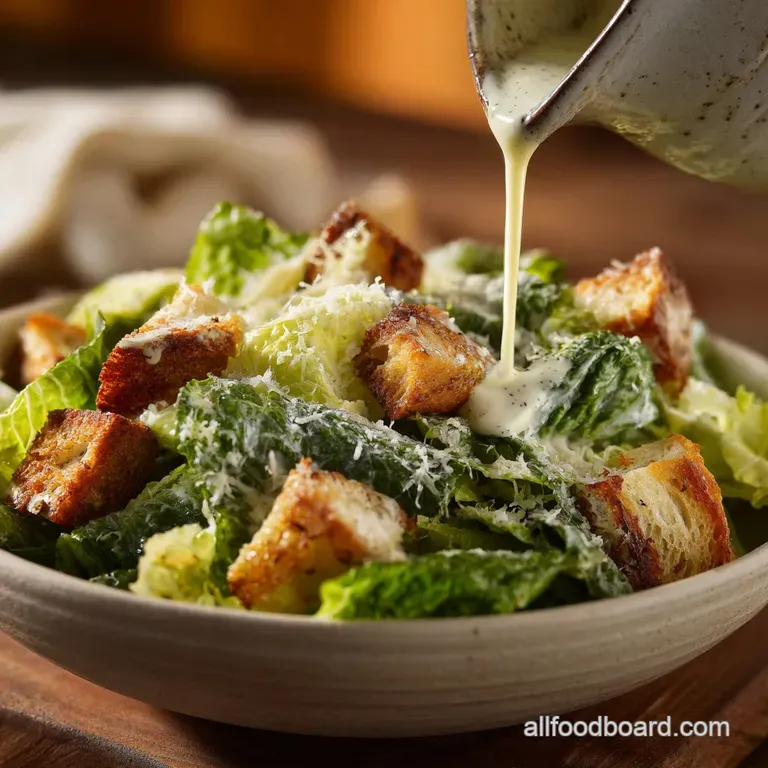
The secret to my perfect croutons is infusing the oil slightly before baking. Cube your stale bread (sourdough is amazing for this!), and toss it vigorously with the olive oil, minced fresh garlic, and seasoning. Don’t be shy with the salt; bread needs it. Bake them until they are completely dry inside and out.
A key mistake I once made: trying to eat them warm. Let them cool completely they crisp up as they cool down!
Phase II: Building the Emulsion: Whipping the Dressing Base
First, mash your anchovy and garlic with a pinch of salt until you have a smooth paste, like baby food consistency. Combine the paste with the egg yolks, lemon juice, mustard, and Worcestershire sauce in your blender or bowl. Blend until it’s pale yellow.
Now, the moment of truth: keep the blender running and begin adding the neutral oil. Start with a tiny stream, so thin it feels awkward, then speed up only once the mixture starts to look visibly thick and glossy.
Phase III: Prepping the Lettuce and Shaving Parmesan
Your lettuce needs to be traumatized by cold water and then dried ruthlessly. Use a salad spinner if you have one; they are indispensable. If not, pat it dry with paper towels and leave it in the fridge for 15 minutes to maximize crispness. Tear the lettuce into large, appealing pieces.
Use a vegetable peeler to get those gorgeous, flaky shavings of Parmesan for the garnish.
Phase IV: The Final Toss and Plating
Do not dress the salad until the very last second. You want the dressing to lightly coat the leaves, not drown them. Add about 3/4 of the dressing to the Romaine in a huge bowl. Toss gently using tongs or your clean hands the traditional way to avoid bruising the lettuce.
Add the croutons just before serving, toss once more briefly, plate, and finish with those beautiful Parmesan shavings and a heavy hand of freshly cracked black pepper.
Expert Tips for a Flawless Caesar Salad
Troubleshooting a Broken Emulsion (How to Rescue Your Dressing)
If your dressing breaks (it looks oily, thin, and separated), don't panic! It's salvageable. Take a clean bowl and add one new egg yolk (or 1 teaspoon of Dijon mustard). Start whisking vigorously, then slowly, drop by drop, add the broken dressing mixture into the new base.
The fresh emulsifier should bind the separated oil and bring it back together.
Preventing a Soggy Salad: The Rule of Cold Lettuce
Warm or wet lettuce is the enemy of a crisp Caesar. The water dilutes the dressing, and the warmth wilts the leaves immediately. Wash and dry the Romaine well in advance , and always keep it extremely cold until it hits the dressing. Trust me, it makes all the difference in the world.
Adjusting the Acidity and Spice Balance
Taste your dressing before adding the Parmesan. If it tastes too rich or heavy (which can happen if you used too much oil too fast), add a half teaspoon of fresh lemon juice to brighten it up. If it needs more kick, a dash of Tabasco or an extra grind of black pepper will provide the necessary heat.
make-ahead and Storage Guidance
Shelf Life of Scratch Made Dressing
Since this is a proper homemade caesar salad dressing with egg base, it doesn't keep for weeks. Store any leftover dressing immediately in an airtight container in the fridge. Because of the raw pasteurised yolks, I advise consuming it within 3 to 4 days for the best quality and safety.
Do not attempt to freeze the dressing; the emulsion will separate completely upon thawing.
Storing Croutons for Maximum Crunch
The croutons are best made ahead! Once completely cooled, store them in an airtight container at room temperature for up to a week. If they start to lose their snap, pop them back on a baking sheet in a 300°F (150°C) oven for five minutes to refresh them.
Complementary Pairings and Serving Suggestions
This classic Caesar salad is rich, sharp, and bold, which means it pairs well with something equally bold or something completely neutral. It’s perfect as a side dish to a rich lasagna or alongside a proper, juicy grilled steak.
If you’re hosting a picnic or summer potluck, consider serving it next to a contrasting salad, like our bright, vibrant Pasta Salad: Easy Mediterranean Feta Recipe (Ready for Summer) . The different flavour profiles work together beautifully. If you want to make it a light main course, adding grilled shrimp or a hard boiled egg (or using elements from my Avocado Egg Salad Recipe: Healthy, Mayo Free, and Ready in 27 Mins ) works well.
Wine and Beverage Recommendations
Because the dressing is high in fat (oil) and high in acid (lemon), you need a crisp wine that can cut through that richness. Look for a dry, high acidity white wine like Sauvignon Blanc (Sancerre is excellent) or an Italian Pinot Grigio.
If you prefer red, keep it light and slightly chilled a Beaujolais works wonders. Avoid anything too heavy or overly tannic.
Recipe FAQs
Why did my homemade Caesar dressing split or separate?
This common issue usually occurs when the oil is added too quickly, or if the ingredients are too cold, preventing proper emulsification by the egg yolk. If the dressing splits, whisk 1 teaspoon of hot water or fresh lemon juice into a clean bowl, then slowly incorporate the split dressing, drop by drop, until it reconnects.
Ensure all ingredients are at room temperature before beginning the whisking process.
I don't like anchovies. Can I omit them entirely?
While the anchovy paste provides the essential umami depth and saltiness crucial to the classic Caesar flavor profile, you can adjust this if necessary. If you must omit the anchovies, substitute 1/2 teaspoon of good quality Worcestershire sauce (if fish free isn't a concern) or add a few extra dashes of caper brine for salinity.
However, be aware that removing them completely will result in a milder, less complex flavor.
Is it safe to use raw egg yolks in the scratch dressing?
For safety, we strongly recommend using pasteurized eggs, as they eliminate the risk of salmonella while providing the necessary richness and emulsifying power. If using standard raw eggs, ensure they are very fresh, stored properly, and washed before cracking.
The acidity of the lemon juice does offer a slight preservation effect, but pasteurization is the safest choice.
How far in advance can I prepare the dressing and the salad?
The scratch dressing can be prepared up to 4 days in advance and stored in an airtight container in the refrigerator. However, the Romaine lettuce should only be dressed and tossed right before serving. Once the acidic dressing hits the leaves, the lettuce will begin to wilt rapidly, compromising the crisp texture.
My dressing tastes too sharp or acidic. How can I balance the flavors?
If the lemon juice dominates the flavor profile, you need to balance the acidity with fat or richness. Try whisking in an additional tablespoon of oil very slowly, or stir in a little more grated Parmesan cheese until the flavor mellows.
A small pinch of sugar or a touch of Dijon mustard can also help round out sharp notes.
Can I make this Caesar dressing dairy-free or vegan?
Yes, you can substitute the egg yolk with 1/4 cup of soaked raw cashews blended with water to achieve the necessary creamy consistency. Replace the Parmesan cheese with nutritional yeast for the signature savory, nutty flavor. Ensure you use a vegan Worcestershire sauce and omit any dairy from your croutons.
How do I prevent my homemade croutons from getting soft or soggy?
Croutons become soft if they are not fully dried out during baking or if they are exposed to moisture. After baking, allow them to cool completely before storing them in an open container at room temperature. Most importantly, always add the croutons and cheese to the salad only in the final moments before serving.
Proper Homemade Caesar Salad Dressing Recipe
Ingredients:
Instructions:
Nutrition Facts:
| Calories | 500 calories |
|---|---|
| Fat | 45 g |
| Fiber | 3 g |
