Cooked Mushrooms: Master the Technique for Deeply Browned, Savoury Flavor.
- Mastering the Sauté: How to Achieve Perfectly Browned, Never-Soggy Flavor
- The Science of Sizzling: Unlocking Concentrated Flavor
- Essential Components for Umami-Rich Cooked Mushrooms
- Professional Sauté Technique: A Step-by-Step Guide
- Troubleshooting and Advanced Tips for Flawlessly Cooked Mushrooms
- Preparation & Preservation: Storing Your Sautéed Creation
- Elegant Pairings: Serving Suggestions for Cooked Mushrooms
- Recipe FAQs
- 📝 Recipe Card
Mastering the Sauté: How to Achieve Perfectly Browned, Never Soggy Flavor
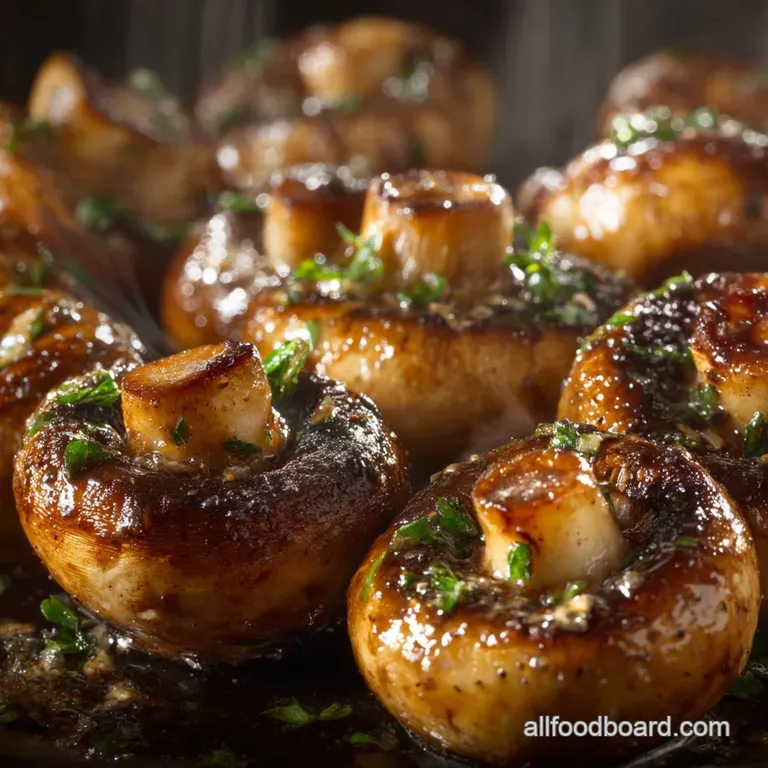
That nutty, earthy aroma that wafts through the kitchen when mushrooms hit hot metal is instant comfort, right? I am obsessed with getting that deep, caramelized sear that hints at intense savoury flavour.
Forget those pale, squeaky rubber bands we’ve all suffered through; perfectly cooked mushrooms should be the star of the side dish show.
This technique is a total kitchen superpower, transforming humble produce into something truly luxurious and deeply satisfying. It’s fast, incredibly simple, and uses the cheapest ingredients you probably already have lurking in your pantry.
We are talking restaurant quality flavour achieved in under 25 minutes.
I spent my entire 20s serving up waterlogged, flabby disappointments, but I finally cracked the essential code. If you want to know how to cook mushrooms like a pro by mastering patience and physics this definitive guide is absolutely for you.
Let's ditch the sludge and embrace the golden brown umami bomb!
The Science of Sizzling: Unlocking Concentrated Flavor
The Tragic State of Waterlogged Produce
Did you know that mushrooms are nearly 90% water by weight? That is a truly staggering amount of internal moisture! Most people just slice them, toss them immediately into a pan with cold butter, and wonder why they end up stewing in their own grey liquid. It’s a total flavor disaster, I tell you.
Why Traditional Cooking Fails the Umami Test
When you add fat early, the oil coats the surface, trapping the water inside the tissue structure. Instead of evaporating, the water boils the mushrooms, essentially poaching them right there in the pan. We lose all that gorgeous texture and, crucially, we miss out on concentrated flavour.
Introducing the Definitive Technique for Cooked Mushrooms
The secret to preparing mushrooms that are rich and deeply savoury lies entirely in forced evaporation. We must cook mushrooms until they dry out completely before we introduce any fat or aromatics. This is the difference between rubbery results and deep umami bliss.
The Crucial Role of Forced Evaporation
By placing the raw slices into a hot, dry pan with a little salt, we shock them into releasing their moisture rapidly. That water boils off furiously and completely evaporates, leaving behind only the concentrated mushroom solids. This is absolutely critical for achieving the right texture and flavour base.
Achieving the Maillard Reaction for Deep Umami
Once the pan is totally dry, and the mushrooms have shrunk down, their internal temperature can finally soar above the boiling point of water. This allows the glorious Maillard reaction that chemical process responsible for browning and deep savoury flavour to occur on the surface.
We introduce the butter and garlic only at this stage to build the final flavour crust. This is how you make mushrooms truly sing.
Technique vs. Ingredient Quality: Where the Difference Lies
You can use the fanciest, most expensive ingredients in the world, but if you skip the dry-roasting phase, they will still taste bland and watery. Mastering the technique is 90% of the win. I promise, once you follow this method, you will never go back to just tossing everything in together.
Essential Components for Umami Rich Cooked Mushrooms
Selecting the Right Variety and Size
For this basic, deeply cooked mushrooms recipe , I prefer Cremini (Baby Bellas) or basic white button mushrooms. They are widely available, cheap, and absorb flavour beautifully.
Always slice them about 1/4 inch thick; slices that are too thin will disappear when they shrink, and slices that are too thick take too long to dry out.
The Role of Quality Fats (Butter/Oil) and Aromatics (Garlic)
We use a combination of olive oil and unsalted butter. The olive oil has a higher smoke point and helps prevent the butter from burning during the crucial browning phase. Using fresh minced garlic and finely chopped shallots adds layers of aromatic complexity right at the end.
Seasoning Secrets: When to Introduce Salt and Pepper
Salt plays two roles here: we add a small amount at the very beginning to help draw out the moisture faster. Then, we hold the rest of the seasoning, especially the pepper and flaky salt, until the very end. Adding pepper too early can sometimes result in a slight bitter taste when cooking at high heat.
The small splash of Tamari or soy sauce right before serving is my secret weapon for pushing the umami flavour over the top.
Ingredient Preparation Checklist
| Ingredient | Substitute Option | Notes |
|---|---|---|
| Mixed Mushrooms | Shiitake, Oyster, or Portobello Caps | Choose firm, fresh varieties. |
| Unsalted Butter | Ghee or high-quality Vegan Butter | Necessary for that rich, dairy flavour. |
| Olive Oil | Avocado Oil or Grapeseed Oil | Choose a neutral oil with a medium high smoke point. |
| Shallot | 1/4 small Yellow Onion (finely minced) | Provides essential sweetness and aromatic base. |
| Fresh Thyme | Dried Thyme (use 1/2 tsp) or Fresh Rosemary | Herbs are flexible; use what you have. |
| Garlic, minced | 1 tsp Garlic Powder (add at the very end!) | Fresh is always superior for depth of flavour. |
| Tamari/Soy Sauce | Worcestershire Sauce or Marmite/Vegemite (tiny dab) | Provides depth and concentrated savoury notes. |
Professional Sauté Technique: A step-by-step Guide
Phase 1: High Heat and Dry Pan Roasting
- Prep Time: Wipe your mushrooms clean do not wash them, please! Slice them into uniform 1/4 inch slices, making sure they are ready to go.
- Heat the Pan: Get your largest, heaviest skillet (cast iron is my favourite) screaming hot over medium high heat. You should see wisps of heat rising, but it shouldn't be smoking aggressively.
- The Drop and Draw: Add the sliced mushrooms and the initial 1/2 teaspoon of Kosher salt to the dry pan. Do not add any fat right now.
Phase 2: The Critical Evaporation Window
- Wait for the Juice: Cook for 5– 7 minutes, stirring just occasionally. The mushrooms will shrink, and the pan will quickly fill with liquid; this is totally normal. They look sad and pathetic right now, but trust me, we're building flavour.
- Cook Until Dry: Keep cooking, stirring frequently now, until that liquid has completely evaporated . The bottom of the pan should be dry, and the mushrooms should start to make a squeaking sound, sticking slightly to the metal. This usually takes 10– 12 minutes total.
Phase 3: Browning and Infusing with Aromatics
- Add Fats: Reduce the heat slightly to medium. Add the olive oil and 1 tablespoon of butter. Toss the dry, shrunken mushrooms vigorously to coat them fully.
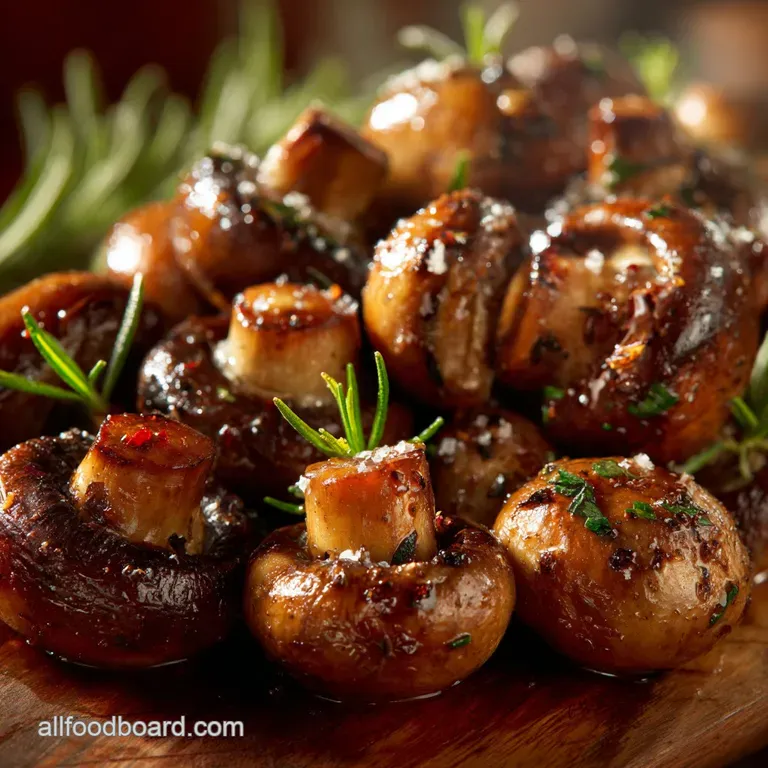
- Brown Deeply: Let the mushrooms sit and brown without stirring constantly, about 3– 5 minutes. You want a gorgeous, deep golden brown colour developing; this is where the magic happens.
- Add Shallot and Thyme: Push the mushrooms to one side, add the minced shallot and fresh thyme, and sauté quickly until fragrant, about 2 minutes. Toss everything together.
Phase 4: Finishing, Seasoning, and Serving
- Garlic and Umami: Add the minced garlic and cook for just 30 60 seconds, until you get that lovely, pungent aroma. Immediately stir in the secret weapon: 1 teaspoon of Tamari or soy sauce, and the remaining tablespoon of butter.
- Toss and Gloss: Toss quickly until the finishing butter is melted and emulsified, coating the cooked mushrooms in a beautiful, glossy glaze.
- Final Adjustments: Taste and adjust seasoning. Finish with a generous sprinkle of black pepper and fresh chopped parsley. Serve immediately!
Chef’s Note: The addition of a tiny bit of acidity (like a squeeze of lemon juice) right at the end can brighten the entire dish, cutting through the richness of the butter and umami. I sometimes use this trick alongside the final seasoning! If you love a lemon twist, check out my recipe for The Perfect 22Minute Lemon Garlic Mushrooms A Quick Side Dish sometime.
Troubleshooting and Advanced Tips for Flawlessly Cooked Mushrooms
The Danger of Overcrowding the Pan
This is hands down the number one mistake I used to make! If you pile too many slices into the skillet, the moisture they release won't evaporate quickly enough. The result is steaming, not sautéing. If you are cooking more than 1.5 lbs, you absolutely must cook them in two separate batches.
Your patience here will be rewarded, promise!
Fixing Undercooked or Rubbery Results
If your cooked mushrooms are squeaky or rubbery, it means you rushed the process. They haven't had enough time in the dry phase to release their water, nor enough time in the fat phase to properly brown. The fix? Crank the heat slightly and keep cooking until the rubbery texture gives way to tenderness and deep colour. If you’re really pressed for time, using an appliance designed for quick, over high heat cooking like in my recipe for Easy Air Fryer Garlic Butter Mushrooms Ready in Minutes — can help bypass some of the pan time.
Optimizing Heat Levels for Maximum Browning
Always start high to shock the water out, then drop the heat to medium when the liquid is gone. This lower temperature prevents the butter and garlic from scorching while still being hot enough to encourage the Maillard reaction. If your butter is turning brown too quickly, your heat is too high.
Preparation & Preservation: Storing Your Sautéed Creation
Refrigeration Shelf Life and Best Practices
Perfectly cooked mushrooms store beautifully in the fridge. Transfer them to an airtight container once they are completely cooled to room temperature. They will keep well for 3 to 4 days.
Can You Freeze Cooked Preparations?
Yes, they freeze well, but they will suffer a slight textural degradation they usually become a little softer and chewier. To freeze, spread them in a single layer on a parchment lined sheet pan until frozen solid, then transfer the solid mushrooms to a freezer bag or container.
This prevents them from clumping. They are best used straight from the freezer in soups or stews, not as a fresh side dish.
Reheating Techniques That Maintain Texture
Avoid the microwave if you can; it encourages steam and moisture buildup. The best method is to reheat them briefly in a dry pan or skillet over medium high heat until warmed through, about 3 minutes.
This quick burst of heat evaporates any moisture released during storage, helping them maintain their lovely browned texture.
Elegant Pairings: Serving Suggestions for Cooked Mushrooms
These rich, savoury cooked mushrooms are so versatile, they work with almost anything.
- Ultimate Comfort Meal: Serve them alongside a gorgeous, slow cooked dish like my Sunday Best Keto Instant Pot Recipes Beef Stew with Umami Mushrooms for double the umami punch.
- Breakfast or Brunch: Pile them high on grilled sourdough toast with a dollop of crème fraîche and a fried egg. Honestly, it’s life changing.
- Holiday Side: They make a wonderfully elegant and simple addition to any feast; they feel far more sophisticated than they actually are to make! They pair beautifully with other simple sides, perhaps served right next to my Easy Crockpot Garlic Parmesan Mushrooms Recipe Holiday Side Dish for variety.
- Simple Sauce Base: Stir them into plain pasta with a touch of the pan butter and some freshly grated Parmesan cheese. Done!
Recipe FAQs
Why are my mushrooms still soggy and not browning?
This is usually a result of overcrowding the pan. When too many mushrooms are added at once, they lower the pan temperature, trapping the moisture and causing them to steam rather than sear.
Ensure you use a large enough skillet to give them space and maintain the heat at medium high during the crucial evaporation phase.
When exactly should I add the salt to the mushrooms?
Salt should be added only at the very end of the cooking process, after the mushrooms have achieved their deep brown color. Adding salt prematurely draws moisture out, prolonging the evaporation time and preventing the mushrooms from properly browning and caramelizing.
Can I use butter instead of oil for the searing process?
It is recommended to use a high heat, neutral oil (like grapeseed or avocado) for the initial high heat sear, as butter has a low smoke point and will burn easily. For superior flavor, add the butter only after the mushrooms are browned and the heat is reduced, allowing it to coat the finished product beautifully.
Should I wash my mushrooms before I cook them?
No, it is best practice to simply wipe the mushrooms clean with a slightly damp cloth or paper towel. Mushrooms are incredibly porous and will rapidly absorb water, which significantly counteracts the essential evaporation technique required to achieve a crispy, non-soggy result.
My mushrooms look completely dry, but they haven't started to brown yet. What should I do?
You are likely in the critical intermediate stage; the initial water has fully evaporated, and the natural sugars are beginning to concentrate. Do not add fat yet, but continue to stir occasionally over medium high heat.
Wait until they develop a rich, matte texture and begin sticking slightly before introducing the oil.
How should I store leftover cooked mushrooms, and can I freeze them?
Leftovers should be stored in an airtight container in the refrigerator for up to four days. While cooked mushrooms are technically freezable, the high water content means their texture often becomes noticeably rubbery and mushy upon thawing and reheating. They are best consumed fresh.
Does the type of mushroom affect the cooking time required?
Yes, denser mushrooms like Portobellos or large Shiitakes will require slightly longer cooking times than thinner varieties like button mushrooms, simply due to their greater mass and moisture content.
Always adjust the pan size and cooking time based on the volume and density of the variety you are using to ensure proper browning.
Perfect Umami Cooked Mushrooms Recipe
Ingredients:
Instructions:
Nutrition Facts:
| Calories | 142 kcal |
|---|---|
| Protein | 2.5 g |
| Fat | 10.2 g |
| Carbs | 10.2 g |
