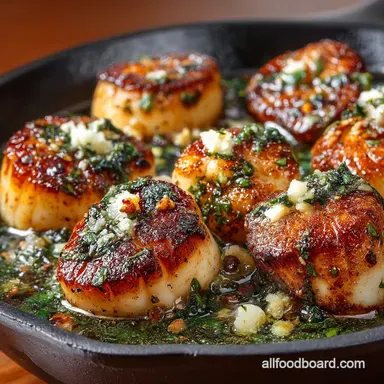
The Perfect Sear King Scallops with Lemony Garlic Basil Pan Butter
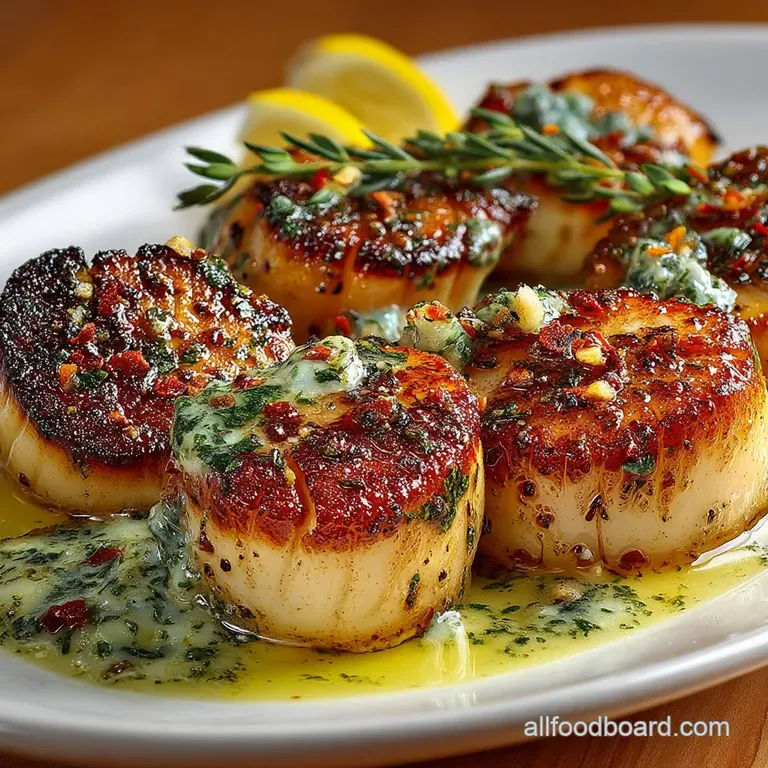
- The Pursuit of the Perfect Crust: Restaurant Scallops Achieved at Home
- Unlocking Flavor: Why the Maillard Reaction is Your Best Friend
- Sourcing Excellence: Securing the Best Quality, Dry-Packed King Scallops
- The Essential Pantry Checklist for Seared Scallops with Garlic Basil Butter
- Achieving the Golden Edge: The Step-by-Step Searing Protocol
- Building the Sauce: Transforming Pan Fond into Lemony Garlic Basil Butter
- Troubleshooting and Mastering Your Seared Scallops Experience
- Making It a Meal: Perfect Pairings and Accompaniments
- Recipe FAQs
- 📝 Recipe Card
The Pursuit of the Perfect Crust: Restaurant Scallops Achieved at Home
Few dishes convey instant elegance and sophistication quite like a perfectly executed plate of Seared Scallops . Yet, for many home cooks, attempting this delicacy results in frustratingly rubbery, pale disks.
The secret to achieving that deep, amber coloured crust you find in high end restaurants isn't magic; it’s technique, precision, and confidence in high heat. Our goal here is the ultimate Perfect Sear Scallops , achieving that beautiful caramelization on the exterior while keeping the center sweet, tender, and just opaque.
We then elevate the dish with an ultra luxurious, quick pan sauce, resulting in the sublime Seared Scallops with Garlic Basil Butter . This recipe delivers restaurant swagger in under thirty minutes, making it one of the most rewarding Scallop Recipes you will master.
Unlocking Flavor: Why the Maillard Reaction is Your Best Friend
The profound difference between a good scallop and a great one lies in the Maillard reaction the complex chemical process that occurs when amino acids and reducing sugars react under heat, creating hundreds of distinct flavor compounds.
This is why properly executed Pan Seared Scallops taste so much richer and sweeter than simply boiled or steamed ones. To activate the Maillard reaction fully, two conditions are absolutely necessary: intense heat and the complete absence of surface moisture.
The Essential Prep Step You Can't Skip: Ensuring Zero Moisture
If your scallops are wet, the heat energy in your pan will be wasted boiling off water instead of browning the protein. This step is non-negotiable and determines the success of your final sear. After draining your large sea scallops, remove the small, tough side muscle (if present).
Place the scallops between several layers of paper towels and press down firmly. Replace the towels and repeat until the paper shows virtually no dampness. They must be bone dry. Only once they are entirely free of surface moisture should you season them generously with salt and pepper immediately before they hit the pan.
King Scallops vs. Bay Scallops: Choosing Your Ideal Shellfish Size
For serious searing, the size of your shellfish matters. We strongly recommend using King Scallops, or large sea scallops. Their substantial thickness allows you to achieve a deep, flavourful crust a crucial Perfect Sear Scallops element while the interior remains tender and moist.
Bay scallops, being much smaller, tend to cook through too quickly, making it difficult to balance the crust and interior texture.
Flavor Foundation: Introducing the Lemony Garlic Basil Pan Butter Element
Once the scallops have been seared to golden perfection, we shift focus to the sauce. The residual heat and the browned protein remnants (fond) left in the pan become the base for an exquisite finish.
By melting cold butter with minced garlic and fresh basil into this hot pan, and finishing with a crucial squeeze of fresh lemon juice, we create the perfect complement: a bright, aromatic, and rich Pan seared scallops with lemon basil garlic butter .
This finishing step transforms the dish from simple seared seafood into one of the Best Seafood Recipes available.
Sourcing Excellence: Securing the Best Quality, Dry-Packed King Scallops
The quality of your ingredients is paramount, especially with delicate proteins like scallops. When shopping, prioritize "dry-packed" King Scallops. Wet-packed scallops are typically treated with sodium tripolyphosphate (STPP) to preserve them, causing them to absorb excess water.
This added moisture makes achieving a proper sear virtually impossible, as the water leaches out when cooking and steams the shellfish. Always ask your fishmonger for dry-packed; they may be slightly pricier, but the results are unequivocally worth the investment for superior texture and flavor.
The Essential Pantry Checklist for Seared Scallops with Garlic Basil Butter
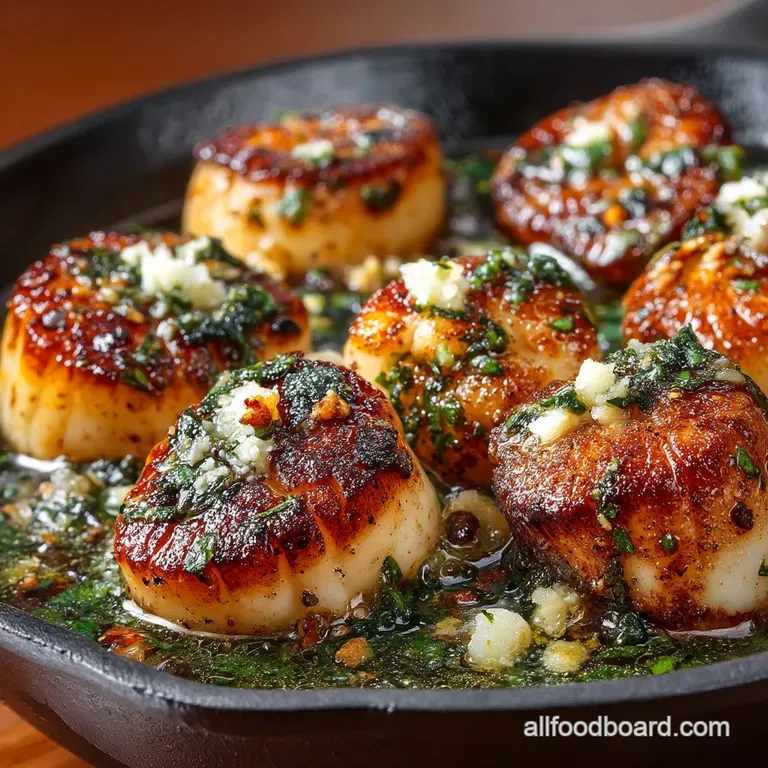
Mastering this technique relies as much on preparation as it does on timing. Having the right fats and equipment ready before you fire up the stove is critical.
Beyond Salt and Pepper: Subtle Seasoning Blends for Optimal Seafood Flavor
While the focus remains on the purity of the scallop and the pan butter, simple seasoning is key. Freshly ground black pepper and high-quality sea salt are sufficient. Avoid heavy rubs or marinades, which impede the searing process.
If you want a slight kick, a tiny pinch of red pepper flakes added with the garlic into the butter sauce provides pleasant warmth without overwhelming the natural sweetness of the shellfish.
Ghee, Oil, or Butter? Selecting the Right High Heat Sear Fat
For the initial high heat sear, you must use a fat with a high smoke point. Starting the scallops in butter alone is a mistake, as the milk solids will quickly burn, imparting a acrid flavor. We use a high heat neutral oil (such as rapeseed or canola) for the initial sear.
Only after the scallops are flipped and the heat is reduced do we introduce cold, cubed butter this ensures we get the flavor benefits of Butter Seared Scallops without compromising the initial crust.
Equipment Check: The Non-Negotiable Cast Iron or Stainless Steel Pan
Achieving the high, stable temperature required for the Maillard reaction necessitates a heavy bottomed pan. A thin pan will lose heat rapidly when the cold scallops are introduced. We highly recommend using a cast iron skillet or a quality stainless steel pan.
Crucially, do not use non-stick for searing; the surface temperature capability is generally too low to produce that deep, golden crust, and you will not generate the necessary fond for the sauce.
Fresh Herbs vs. Dried: Maximizing Basil's Bright Potency
For the Garlic Basil Butter , there is no substitute for fresh herbs. We require a generous amount of freshly chopped basil about a quarter cup, packed.
Dried basil, while fine for slow simmering sauces, offers none of the vibrant aroma or oil-soluble brightness that defines this particular pan sauce.
Related Recipes Worth Trying
- Crispy Herby Cauliflower Salad with Chickpeas and Zesty Tahini — This Herby Cauliflower Salad with Chickpeas is a proper Mediterranean glowup Caramelised char meets bright fresh herbs and a zesty tahini dressing...
- Rustic Caramelized Onion and Apple Tartlets with Thyme — Master these stunning Caramelized Onion and Apple Tartletsa perfect sophisticated party food pairing sweet and sharp flavours Foolproof pastry included
- Vibrant Roasted Tomato and Basil Hummus Recipe Homemade Dip — Elevate your nibbles platter with this Roasted Tomato and Basil Hummus Its sundrenched creamy and utterly foolproof Get the secret technique for silky...
Achieving the Golden Edge: The step-by-step Searing Protocol
Preparation is everything. Once the scallops are dry and seasoned, and your pan is ready, the cooking process is a swift, high heat operation requiring only about eight minutes total. Place your cast iron or stainless steel pan over high heat for two to three minutes.
Once the pan is virtually smoking, add your high heat oil. The oil should shimmer immediately. Now, carefully place the scallops into the hot oil, leaving space between each one. If your pan is crowded, the temperature will drop instantly, leading to steaming. Sear in batches if necessary.
Building the Sauce: Transforming Pan Fond into Lemony Garlic Basil Butter
This is where the magic happens, turning those simple, beautiful scallops into a true culinary showpiece, creating the rich, luscious texture of Butter Seared Scallops .
The Critical 3-Minute Sear: Heat Management and Placement
Once the scallops are in the pan, resist the urge to move them for 90 seconds to 2 minutes. This undisturbed contact time is essential for crust formation. Look for a deep golden brown edge forming around the base. When ready, use tongs to flip them precisely.
Immediately reduce the heat to medium low.
Doneness Indicators: Knowing When to Flip (And When to Stop Cooking)
The flip should only occur when you see that definitive, deep crust. After flipping, the internal cooking time is short usually another 90 seconds to 2 minutes.
The scallops are perfectly done when they are opaque around the edges but still maintain a slight, delicate translucency in the very center. The internal temperature target is approximately 130°F (54°C). Overcooking them results in the rubbery texture we are trying to avoid.
Deglazing for Depth: Capturing the Browned Bits of Flavor (Fond)
Immediately after flipping and reducing the heat, add the cold, cubed butter, minced garlic, and fresh basil around the scallops. The cold butter will rapidly melt and foam. Tilt the pan slightly and use a spoon to continuously scoop up this foaming, aromatic butter and baste it over the exposed side of the scallops for the final minute of cooking.
The butter helps pick up the caramelized "fond" (the brown bits) from the bottom of the pan, giving the sauce incredible depth. Remove the pan from the heat. Squeeze the fresh lemon juice (half a large lemon) directly into the pan butter; it should sizzle and thicken slightly, balancing the richness of the fat with crucial acidity.
Final Plating: Presentation Tips for Restaurant Style Seared Scallops
To plate your beautiful Seared Scallops with Garlic Basil Butter , arrange them in a tight circle or line, crust side up, on your plate or serving platter. Use a spoon to drizzle the remaining pan butter infused with basil, lemon, and garlic liberally over the scallops, ensuring every bite gets a taste of that luscious sauce.
Troubleshooting and Mastering Your Seared Scallops Experience
If your scallops failed to develop a crust, the likely culprit was moisture or insufficient heat. Always pre-heat the pan until it's smoking hot before adding oil, and ensure your scallops are dried rigorously.
If the scallops came out rubbery, they were simply overcooked; aim for just 3.5 to 4 minutes total cook time. Mastering these delicate proteins requires respecting the heat and trusting the process don't fiddle with them once they hit the oil.
Making It a Meal: Perfect Pairings and Accompaniments
These Best Seafood Recipes deserve equally excellent side dishes. The rich, Pan seared scallops with lemon basil garlic butter pairs beautifully with starch that can absorb the sauce.
A creamy Saffron Risotto or a smooth celeriac mash provides the perfect velvety counterpoint. For a vegetable, quick steamed asparagus spears, dressed simply with lemon zest and flaky salt, offer a light, crisp texture that cleanses the palate.
Reheating Safely: Preserving the Delicate Texture of Scallops
Scallops are at their best immediately off the heat. If you must store leftovers, they should be consumed within 24 hours. Reheating is tricky; high heat will instantly turn them tough.
The safest method is gentle warming in a 250°F (120°C) oven for just a few minutes, or thinly slicing them and serving them cold over a salad.
Nutritional Snapshot: Understanding Scallops’ Lean Protein Health Profile
Scallops are naturally an incredibly healthy source of lean protein around 35g per serving for this recipe. They are low in carbohydrates, and though this preparation involves a fair amount of butter for flavor, they remain a fantastic choice for a nutrient dense main course.
Handling Frozen Scallops: Best Practices for Thawing and Preparation
If using frozen scallops, ensure they are thawed safely in the refrigerator overnight, or submerged in a bowl of cold water (changing the water every 30 minutes) for quicker thawing.
Crucially, frozen scallops tend to contain more absorbed moisture than fresh ones, so the "Essential Prep Step" of drying them thoroughly becomes even more vital before seasoning and searing.
Flavor Variations: Swapping Basil for Parsley or Tarragon
While the combination of Seared Scallops with Garlic Basil Butter is classic, you can easily adapt the herbal profile. For a sharper, cleaner flavour, swap the basil for an equal mix of fresh chives and flat leaf parsley.
Alternatively, to introduce an earthy, umami richness, use finely chopped tarragon instead of basil; tarragon works particularly well if you deglaze the pan with a teaspoon of dry sherry before adding the butter.
Recipe FAQs
Why are my scallops chewy and not getting that lovely golden crust?
Right, let’s get down to it: the enemy of a good sear is moisture. If your scallops are steaming rather than crusting, they were likely not dried properly or the pan wasn't hot enough.
Make sure they are bone dry using plenty of paper towels before seasoning, and always ensure your cast iron or stainless steel pan is virtually smoking before adding the oil.
Should I buy wet-packed or dry-packed scallops for this recipe?
Always, always opt for dry-packed scallops, especially for this dish. Wet-packed scallops have been treated with a preservative solution that makes them absorb water, making it nigh impossible to achieve that beautiful, crisp Maillard crust we are after.
Dry-packed are worth the extra bob, as they guarantee a superior texture and flavour.
I don't have a stainless steel or cast iron pan. Will a non-stick one do the trick for searing?
Sadly, no. Achieving the perfect caramelisation requires very high, sustained heat, which standard non-stick pans aren't designed to handle safely or effectively. Non-stick tends to dissipate heat too quickly, meaning you’ll end up sautéing the scallops rather than searing them.
If you must use a non-stick, reduce the batch size drastically and accept that the crust won't be as deep or crisp a bit of a shame, really.
If I've cooked too many, how should I store leftover Seared Scallops with Garlic Basil Butter?
Scallops are really best eaten the moment they finish cooking, as they rapidly lose their delicate texture upon cooling. If you absolutely must store them, keep them in an airtight container in the fridge for no more than 24 hours.
Reheating them will almost certainly turn them rubbery, so consider slicing them cold and using them on top of a vibrant salad instead.
I'm watching the saturated fat. Is there a way to make the rich butter sauce lighter?
Absolutely. You can reduce the overall butter amount by half and replace that volume with a good quality extra virgin olive oil for the basting stage. For the pan sauce finish, skip the final butter cubes and instead deglaze the pan with a splash of dry white wine or a light chicken stock, adding the garlic, basil, and lemon last.
This captures all the fond (the lovely brown bits) without the dairy indulgence.
Perfect Seared Scallops With Garlic Basil Butter