Classic Beef Brisket Recipe: Tender and Savory
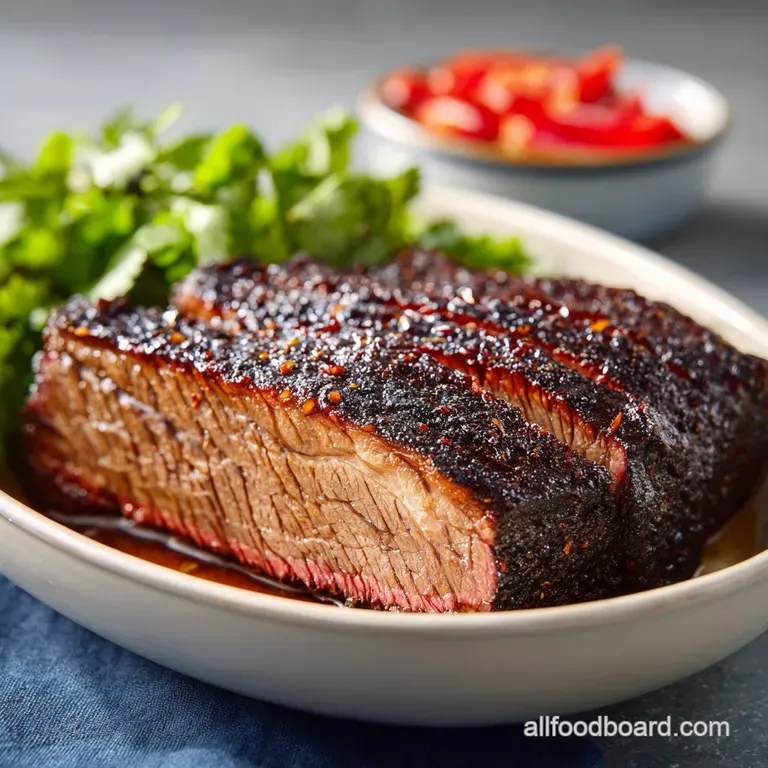
- Time: Active 30 mins, Passive 7 hrs, Total 7 hours 30 mins
- Flavor/Texture Hook: Fork tender beef with a smoky, savory crust and a silky red wine gravy.
- Perfect for: Slow Sunday family dinners, holiday gatherings, or meal prep for the best sandwiches ever.
- Why This Low And Slow Beef Brisket Recipe Actually Works
- Essential Recipe Specs For The Perfect Family Dinner Experience
- Selecting The Building Blocks For A Rich And Savory Brisket
- The Minimal Equipment Needed To Achieve Professional Braising Results
- Mastering The Cooking Process Step By Step For Maximum Flavor
- A Comprehensive Troubleshooting Guide For Every Common Brisket Mistake
- Creative Twists And Ingredient Swaps To Make It Your Own
- Keeping It Fresh With Smart Storage And Zero Waste Tips
- The Best Serving Suggestions To Complete Your Brisket Feast
- Myth: Searing Meat "Seals In Juices"
- Myth: You Need A Smoker For Good Brisket
- Very High in Sodium
- Beef Brisket Recipe FAQs
- 📝 Recipe Card
Why This Low And Slow Beef Brisket Recipe Actually Works
I still remember the first time I tried to cook a brisket. I was twenty two, overconfident, and I thought I could blast it at high heat like a steak. I ended up with something that had the texture of a car tire and the flavor of disappointment. I literally cried over that expensive slab of meat.
But that failure sent me on a mission to figure out how to handle this specific cut, and after years of testing, I’ve realized it isn't about fancy gadgets. It's about patience and moisture.
The magic happens when you see that mahogany crust form in the pot and smell the wine mingling with the garlic and rosemary. When you pull it out after seven hours, and the meat just sags under its own weight because the fibers have completely given up the ghost, you'll know exactly why we do this.
It is the ultimate "set it and forget it" meal that makes you look like a kitchen wizard.
Mastering The Collagen Meltdown
Collagen Conversion: Long term exposure to low heat (around 160°F to 200°F internally) turns tough collagen into liquid gelatin. This process provides that signature silky mouthfeel and keeps the meat lubricated even though it's technically "well done."
Utilizing The Maillard Reaction
Surface Browning: Searing the meat at high heat before braising creates hundreds of new flavor compounds. These compounds dissolve into the braising liquid, giving your sauce a complexity that raw pot cooking just can't match.
Engineering A Controlled Environment
The Braising Shield: Using a heavy, tight fitting lid prevents steam from escaping, which maintains a constant humidity. This "micro steaming" effect ensures the top of the brisket doesn't dry out while the bottom simmers in the broth.
| Thickness | Internal Temp | Rest Time | Visual Cue |
|---|---|---|---|
| 2 inches | 200°F | 20 mins | Meat pulls apart with a fork |
| 3 inches | 202°F | 30 mins | Fat cap feels soft like butter |
| 4 inches | 205°F | 45 mins | Slight jiggle when the pot is shaken |
The timing for a brisket can be tricky because every cow is different, but the internal temperature is your North Star. If you don't have a thermometer, look for the "probe tender" stage where a wooden skewer slides into the thickest part of the meat with zero resistance, almost like it's sliding into a jar of peanut butter.
Essential Recipe Specs For The Perfect Family Dinner Experience
When we talk about a beef brisket recipe, we are dealing with a piece of meat that is essentially a giant muscle used for support. It’s naturally lean in some spots and very fatty in others. This is why the "low and slow" method isn't just a suggestion; it is a chemical necessity for a successful dinner.
| Component | Science Role | Pro Secret |
|---|---|---|
| 4 lbs Beef Brisket | Connective Tissue | Choose a "flat cut" for neat slices or "point cut" for shredding. |
| Beef Bone Broth | Solvent & Umami | Bone broth has more natural gelatin than standard stock, adding body. |
| Red Wine | Acid & Tenderizer | The tannins help break down surface proteins while adding a dark color. |
| Tomato Paste | Glutamate Boost | Searing the paste removes the metallic tinny taste and adds deep sweetness. |
Using a bone broth instead of a basic bouillon cube makes a massive difference in the final sauce. The extra gelatin in the bone broth works with the gelatin from the beef to create a sauce that coats the back of a spoon without needing a ton of flour or cornstarch.
It's a natural thickener that feels luxurious on the tongue.
I usually go for a Cabernet Sauvignon when I'm picking out my wine. You don't need a hundred dollar bottle, but please, don't use "cooking wine" from the grocery store aisle. If you wouldn't drink a glass of it while you're cooking, don't put it in your food.
The salt content in those pre bottled cooking wines will absolutely ruin the balance of your dry rub.
Selecting The Building Blocks For A Rich And Savory Brisket
Getting your ingredients ready is half the battle. This list looks long, but most of it is just the dry rub and some basic vegetables you probably already have in the crisper drawer.
- 4 lbs beef brisket: The star of the show. Why this? Well marbled meat ensures the brisket stays juicy during the long seven hour cook.
- 3 tbsp coarse Kosher salt: Essential for seasoning deep into the fibers.
- 2 tbsp coarse black pepper: Use 16 mesh if you can find it for a better crust.
- 1 tbsp smoked paprika: Adds a hint of "fake" smoke for that pit master vibe.
- 1 tbsp dark brown sugar: Helps with browning and balances the acidity of the wine.
- 1 tsp garlic powder & 1 tsp onion powder: Adds a foundational savory note.
- 0.5 tsp cayenne pepper: Just a tiny kick to wake up the palate.
- 2 large yellow onions: Sliced thick to act as a bed for the meat.
- 4 cloves garlic: Smashed to release oils without burning.
- 3 large carrots & 2 celery stalks: The classic aromatic duo for a rich sauce.
- 2 cups low sodium beef bone broth: The liquid base for the braise.
- 1 cup dry red wine: Use Cabernet or Merlot for the best flavor profile.
- 0.25 cup Worcestershire sauce: An umami bomb that deepens the "beefiness."
- 2 tbsp tomato paste: For color and a concentrated savory punch.
- 2 sprigs fresh rosemary & 3 sprigs fresh thyme: Earthy aromatics that cut through the fat.
If you find yourself missing an ingredient, don't panic. Brisket is a very forgiving dish once it gets into the oven. Just try to keep the ratios of liquid to meat roughly the same so you don't end up with a dry pot or a soup.
| Original Ingredient | Substitute | Why It Works |
|---|---|---|
| Red Wine | Pomegranate Juice | High acidity and deep color. Note: Omit brown sugar as juice is sweet. |
| Beef Bone Broth | Chicken Stock + Soy Sauce | Chicken stock provides moisture; soy adds the missing beefy umami. |
| Smoked Paprika | Liquid Smoke (2 drops) | Provides the smoke flavor without the red color or spice. |
The Minimal Equipment Needed To Achieve Professional Braising Results
You don't need a high tech smoker or a fancy sous vide machine to make this beef brisket recipe. In fact, some of the best briskets I've ever eaten came out of a simple, heavy duty pot. The goal is heat retention and moisture control.
Chef's Tip: If your pot lid feels a bit loose, place a sheet of parchment paper or aluminum foil over the pot before putting the lid on. This creates a "cartouche" or a tighter seal that prevents the braising liquid from evaporating too quickly.
First and foremost, you need a large Dutch oven or a heavy bottomed roasting pan. Cast iron is the gold standard here because it holds heat so evenly. If you use a thin stainless steel pot, you risk burning the bottom of the vegetables during that long seven hour stretch. You'll also want a pair of sturdy tongs.
A 4 lb piece of meat becomes very heavy and fragile once it’s cooked, and you don't want it splashing back into the hot liquid when you try to move it.
Finally, make sure you have a very sharp carving knife or a serrated bread knife for the end. Slicing brisket against the grain is the most important step for tenderness, and a dull knife will just shred the beautiful meat you've spent all day cooking.
A good internal meat thermometer is also a lifesaver for taking the guesswork out of doneness.
Mastering The Cooking Process step-by-step For Maximum Flavor
Right then, let's crack on. This is a marathon, not a sprint, so give yourself plenty of time. This isn't a Classic Sunday roast recipe that you can whip up in two hours; we are playing the long game here.
Preparing The Protein
Pat the 4 lbs beef brisket completely dry with paper towels. Combine the salt, pepper, smoked paprika, brown sugar, garlic powder, onion powder, and cayenne in a small bowl. Rub this mixture over every single inch of the meat, pressing it in firmly so it sticks.
Note: Salt draws out moisture initially, but then re absorbs, seasoning the interior.
Searing For Maximum Flavor
Heat a large Dutch oven over medium high heat with a splash of oil. Once the oil is shimmering and hot, sear the brisket for 5-7 minutes per side until a deep, dark mahogany crust forms. Remove the meat and set it aside on a plate.
For The Aromatic Base
In the same pot, toss in the sliced yellow onions, carrots, and celery. Cook for about 8 minutes until the onions are softened and slightly browned. Add the smashed garlic and tomato paste, stirring constantly for 2 minutes.
Note: Browning the tomato paste removes its raw, metallic edge.
Building The Braise
Deglaze the pot by pouring in the 1 cup of red wine. Use a wooden spoon to scrape up all those delicious brown bits (the fond) from the bottom. Let the wine simmer for 3 minutes until it has reduced by half.
Managing The Long Simmer
Stir in the beef bone broth, Worcestershire sauce, rosemary, and thyme. Place the brisket back into the pot, nestling it into the vegetables. The liquid should come about halfway up the side of the meat. Cover with a tight lid and move to a 300°F (150°C) oven.
The Long Wait
Bake for 6 to 7 hours. Check the pot every 2 hours to ensure there is still at least an inch of liquid; if it looks low, add a splash more broth or water. Note: You are looking for the meat to be "probe tender," meaning a fork slides in with zero resistance.
Resting and Slicing
Remove the pot from the oven and let the meat rest in the liquid for at least 30 minutes. Transfer the brisket to a cutting board. Slice the meat against the grain into 1/4 inch thick slices.
Note: Slicing against the grain cuts the long muscle fibers, making the meat feel tender.
Finishing The Sauce
While the meat rests, strain the cooking liquid into a saucepan. Skim off the excess fat from the top. Simmer the liquid over medium heat for 10 minutes until it thickens into a silky, glossy gravy. Serve the sauce generously over the sliced meat.
A Comprehensive Troubleshooting Guide For Every Common Brisket Mistake
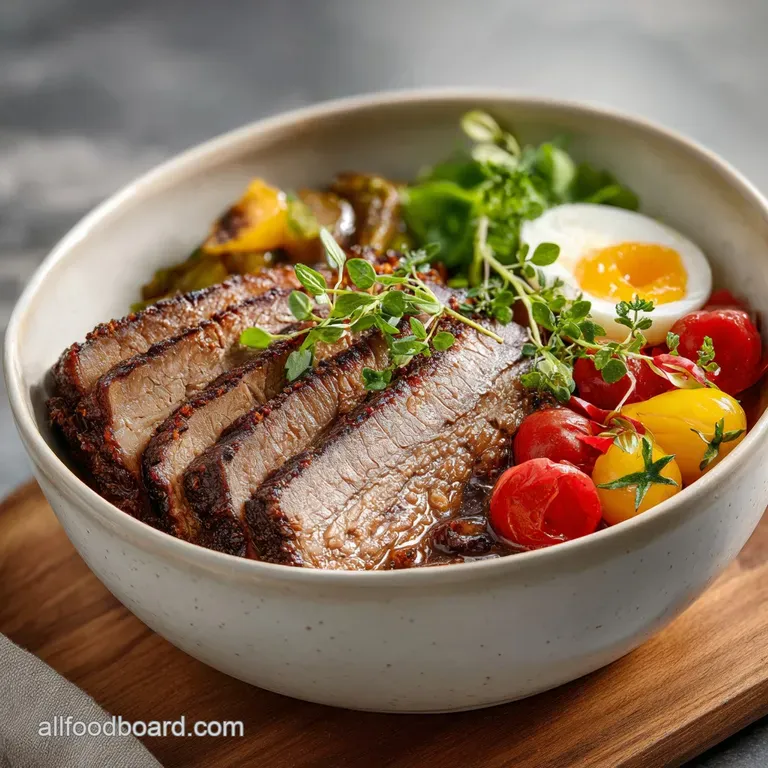
Even with the best intentions, things can go sideways in the kitchen. Brisket is a fickle beast, but almost any issue can be fixed with a little bit of know how. The most common "fail" is simply not cooking it long enough because people get hungry and pull it out too early.
Why Your Brisket Is Tough
If your meat is still chewy or rubbery, it simply hasn't reached the temperature where the collagen melts. Put it back in the pot with more liquid and keep going. Brisket goes through a "stall" where the temperature plateaus; you have to push past that to get the tenderness you want.
Why Your Sauce Is Greasy
Brisket has a lot of fat, and if you don't skim it, your sauce will feel heavy and oily. If you're in a hurry, drop a few ice cubes into the sauce; the fat will cling to the cold cubes, allowing you to scoop it out quickly. Alternatively, use a fat separator if you have one.
Preventing A Dry Exterior
Sometimes the top of the brisket can dry out if it's not submerged. To fix this, flip the meat halfway through the cooking time, or "baste" it with the juices every few hours. This keeps the surface hydrated and prevents a hard, leathery "bark" from forming in the oven.
| Problem | Root Cause | Solution |
|---|---|---|
| Meat is "stringy" | Sliced with the grain | Rotate the meat 90 degrees and slice across the fibers. |
| Sauce is too salty | Liquid reduced too much | Stir in a splash of water or a teaspoon of honey to balance. |
| Vegetables are mushy | Cooked too long | Strain them out and blend them into the sauce for extra body. |
Common Mistakes Checklist
- ✓ Never skip the sear - that's where 50% of your flavor lives.
- ✓ Don't cut the fat cap off entirely; leave at least 1/4 inch to keep the meat moist.
- ✓ Always slice against the grain, or the meat will feel tough no matter how long it cooked.
- ✓ Let the meat rest! If you cut it immediately, all the juice will run out onto the board.
- ✓ Keep the oven temperature low; 300°F is the sweet spot for a slow breakdown.
Creative Twists And Ingredient Swaps To Make It Your Own
Once you've mastered the classic version, you can start playing around with the flavors. Brisket is like a blank canvas for heavy seasoning. If you're looking for something different, you could try a variation similar to a Ground Beef Stuffed recipe but using shredded brisket as the filling for shells or tacos.
Adapting For The Slow Cooker
To use a slow cooker, follow the searing and deglazing steps as written. Transfer everything to the crockpot and cook on "Low" for 8 to 10 hours. Because slow cookers trap so much moisture, you might want to reduce the broth by half a cup so the sauce isn't too watery at the end.
Making A Pulled Beef Brisket
If you want to shred the meat for sandwiches, cook it for an extra hour until it literally falls apart when you touch it. Toss the shredded meat with some of the reduced braising liquid and a little bit of your favorite BBQ sauce. This is perfect for feeding a large crowd at a party.
Keto/Low Carb Adjustment
This recipe is already very low carb, but to make it strictly keto, simply omit the brown sugar in the dry rub. You can use a monk fruit sweetener if you still want that touch of sweetness, but the caramelized onions and carrots usually provide enough natural sugar to balance the dish.
| Style | Flavor Profile | Best Ingredient Swap |
|---|---|---|
| Mexican | Spicy & Smoky | Replace Rosemary with Cumin and Dried Chiles. |
| French | Herby & Elegant | Use extra Red Wine and add Pearl Onions. |
| BBQ | Sweet & Tangy | Add 1/2 cup BBQ sauce to the braising liquid. |
Keeping It Fresh With Smart Storage And Zero Waste Tips
Brisket is one of those rare dishes that tastes better the next day. As it cools in the liquid, the muscle fibers relax even further and soak up the sauce like a sponge. It’s the ultimate meal prep protein because it holds up so well to reheating.
- Storage: Store the brisket in its sauce in an airtight container. It will stay fresh in the fridge for up to 4 days.
- Freezing: Brisket freezes beautifully. Sliced meat can be frozen in a freezer bag with some sauce for up to 3 months. To reheat, thaw in the fridge overnight and warm in a 300°F oven until hot.
- Zero Waste - Fat: Don't throw away that skimmed beef fat! Save it in a jar in the fridge. It’s called "tallow" and it is incredible for roasting potatoes or searing steaks later in the week.
- Zero Waste - Scraps: If you have small bits of meat left over, chop them up and throw them into a breakfast hash with potatoes and onions, or use them to top a salad.
Reheating Without Drying Out
The best way to reheat brisket is to do it slowly. Put the slices in a baking dish, pour over the leftover sauce, and cover tightly with foil. Heat at 325°F for about 15-20 minutes. This essentially "re braises" the meat, keeping it just as tender as the day you made it.
The Best Serving Suggestions To Complete Your Brisket Feast
Since the brisket is so rich and savory, you want side dishes that can either soak up that glorious sauce or provide a bright, acidic contrast to the fat. Trust me, you don't want to serve this with anything too heavy or you'll be ready for a nap by the third bite.
The Bistro Style
Serve the sliced brisket over a mountain of buttery mashed potatoes or creamy polenta. The starch acts as a vessel for the red wine gravy. Pair it with some simple roasted green beans or honey glazed carrots to round out the plate. This is the "company is coming over" presentation that never fails to impress.
The Smokehouse Slider
If you have leftovers (lucky you!), toast some brioche buns and pile the cold brisket slices high. Add a scoop of crunchy coleslaw and a few pickled jalapeños. The acidity of the pickles cuts right through the richness of the beef.
It’s a completely different vibe from the Sunday dinner but just as satisfying.
1. Is it better to cook brisket the day before? Honestly, yes. If you have the time, cook it fully, let it cool in the fridge overnight in the liquid, and then slice it while it's cold. Cold brisket slices perfectly without shredding. Then, just reheat the slices in the sauce before serving.
2. Can I skip the wine? You can, but you'll lose a layer of complexity. If you want to avoid alcohol, replace it with an equal amount of beef broth plus a tablespoon of balsamic vinegar. The vinegar provides the necessary acid that the wine would have contributed.
3. Why is my brisket dry even though it's in liquid? It's likely overcooked. If the meat reaches a point where all the internal fat has rendered out and you keep cooking it, the muscle fibers will eventually become dry and crumbly.
Aim for 200°F to 205°F and stop there!
Myth: Searing Meat "Seals In Juices"
This is one of the oldest lies in the kitchen. Searing does not create a waterproof barrier. Moisture loss happens regardless of searing. We sear specifically for the Maillard reaction, which creates the deep, savory flavors and the beautiful crust that makes a beef brisket recipe stand out.
Myth: You Need A Smoker For Good Brisket
While smoked brisket is delicious, a braised oven brisket is a completely different (and arguably more succulent) experience. The oven provides a stable, moist environment that a dry smoker sometimes lacks. You can get a world class meal without ever touching a bag of wood chips.
Quick Fix Table
| Problem | Cause | Fix |
|---|---|---|
| Sauce is too thin | Not enough reduction | Simmer uncovered for 10 more minutes or add a cornstarch slurry. |
| Meat is falling apart | Overcooked | Embrace it! Shred the meat and serve it "pulled" style. |
| Crust is soggy | Lid was too tight | Remove the lid for the last 30 minutes of cooking to firm up the top. |
If you want X, do Y
- If you want a thicker gravy, whisk together 1 tbsp cornstarch and 1 tbsp water and stir it into the boiling sauce at the end.
- If you want smokier flavor, add a teaspoon of liquid smoke or use double the amount of smoked paprika in your dry rub.
- If you want crispier edges, place the cooked slices under the broiler for 2-3 minutes right before serving.
I hope you give this one a go next weekend! It’s such a rewarding process, and there’s nothing quite like the feeling of pulling that heavy pot out of the oven and knowing you’ve got a feast waiting for you. Just remember: stay patient, keep it low, and always, always slice against the grain!
Happy cooking!
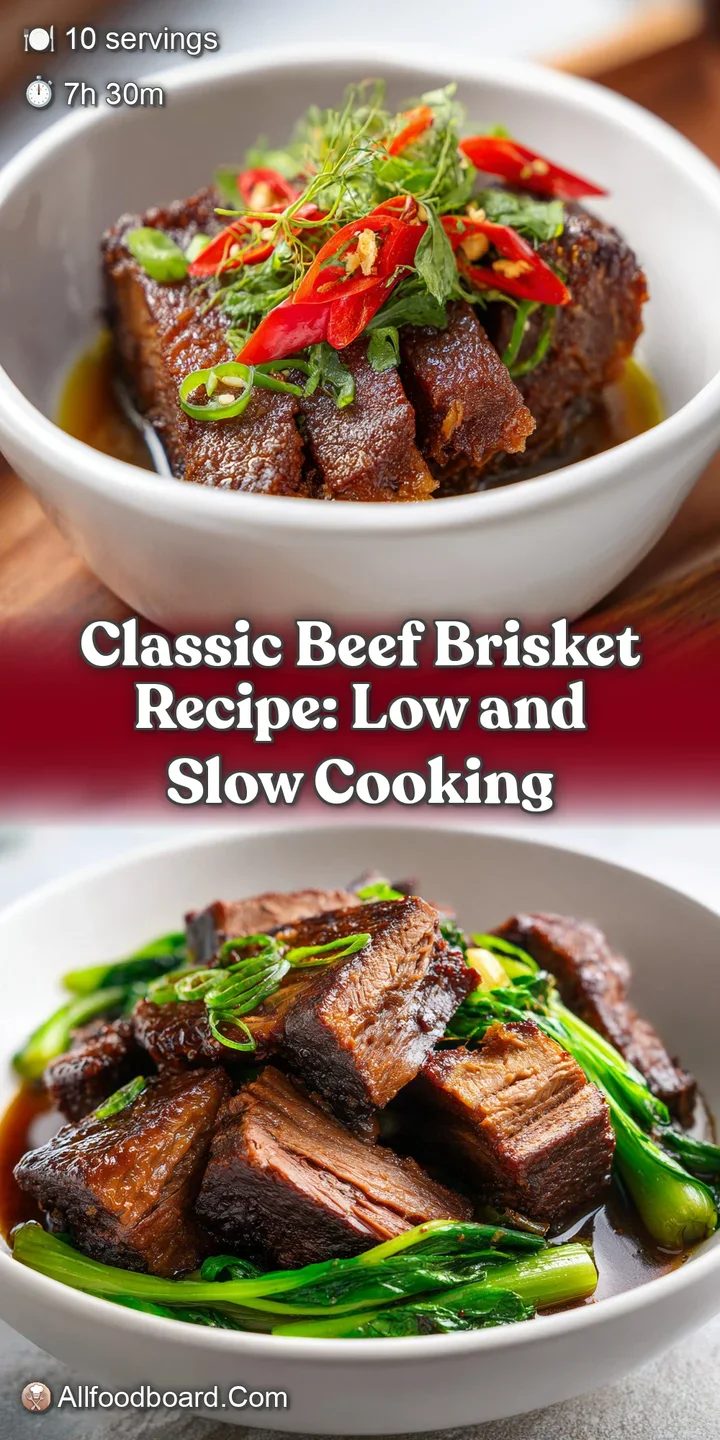
Very High in Sodium
1480 mg mg of sodium per serving (64% % of daily value)
The American Heart Association recommends limiting sodium intake to about 2,300mg per day for most adults.
Sodium Reduction Tips for Brisket
-
Low-Sodium Broth-30%
Replace the regular beef bone broth with unsalted or low-sodium beef bone broth. This simple swap can significantly reduce the sodium content.
-
Reduce Kosher Salt-25%
Decrease the amount of Kosher salt by at least half or more. Taste the dish during cooking and adjust seasoning as needed. Consider using a salt substitute.
-
Worcestershire Alternative-20%
Use a low-sodium or homemade version of Worcestershire sauce or consider omitting it entirely. Some brands have significantly less sodium than others.
-
No-Salt Added Tomato Paste-15%
Ensure you are using tomato paste without added salt. Check the label to confirm there's no sodium content added.
-
Spice It Up!
Enhance the flavor with fresh herbs and spices like rosemary, thyme, paprika, cayenne pepper, garlic, and onion powder. These add depth of flavor without sodium.
Beef Brisket Recipe FAQs
What is the best cooking method for beef brisket?
Braising (Low and Slow) is the superior method for home cooks. This method utilizes moist heat in a tightly sealed vessel, which is essential for breaking down the tough collagen over many hours. It ensures the meat is fork tender without requiring specialized smoking equipment.
What is the 3 2 1 rule for brisket?
The 3-2-1 rule applies specifically to Texas style smoked brisket, not braised recipes like this one. It refers to 3 hours of smoking unwrapped, 2 hours wrapped in butcher paper, and 1 final hour unwrapped to set the bark.
Since we are braising, patience is measured by internal temperature (around 200°F).
Is brisket better in the oven or slow cooker?
The oven in a Dutch oven is generally better for flavor development. The oven allows you to sear the meat and brown the aromatics first, creating a richer fond for your sauce. A slow cooker is less effective at achieving this crucial initial browning stage.
What is the secret to a perfect tender brisket?
The secret is achieving probe tenderness, which means long cooking past the standard "done" temperature. You must push the internal temperature past 200°F so the tough collagen converts fully to gelatin. If you enjoyed mastering the texture control here, see how the same principle of patience affects achieving tender results in our Ground Beef Dinner Recipes.
How do I ensure my brisket slices aren't tough?
Slice the meat thinly and strictly against the grain. Determine the direction of the muscle fibers and cut perpendicular to them; this shortens the fibers, making even fully cooked meat feel more tender when chewed. Always rest the meat for at least 30 minutes before attempting to slice it.
Why should I sear the meat before adding liquid?
Searing creates the Maillard reaction, which develops hundreds of complex, savory flavor compounds. These compounds are the foundation of a deep, restaurant quality sauce base. If you master this initial high heat technique, you'll build amazing flavor into any slow cooked dish, like our Proper Good recipe for ground beef tacos.
Can I use beef broth instead of bone broth?
Yes, but you risk a thinner final sauce consistency. Bone broth naturally contains more gelatin derived from the slow cooked bones, which helps the braising liquid thicken into a velvety gravy as it reduces. Standard broth lacks this natural emulsifying agent.
Melt In Your Mouth Beef Brisket
Ingredients:
Instructions:
Nutrition Facts:
| Calories | 478 kcal |
|---|---|
| Protein | 42.8 g |
| Fat | 26.4 g |
| Carbs | 6.2 g |
| Fiber | 1.4 g |
| Sugar | 3.1 g |
| Sodium | 1480 mg |
