Taco Seasoning: the Ultimate Homemade Blend
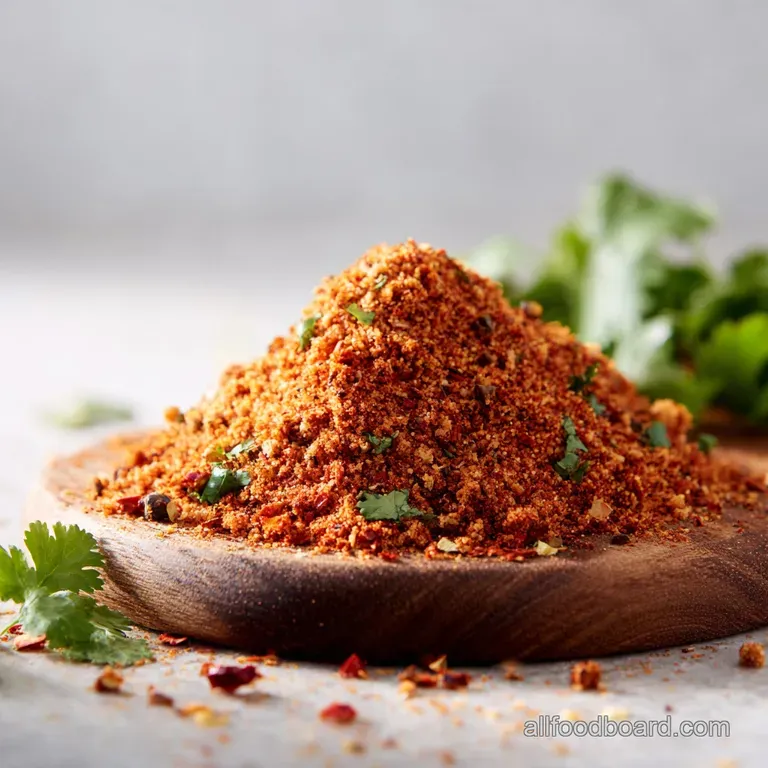
- Ditching the Packet: Why Homemade Spice Mixes Rule
- The Science of Flavor: Crafting the Perfect Spice Balance
- Essential Spices for Ultimate Tex-Mex Flavor
- Ingredient Notes and Flavor Substitutions
- Mixing Your Perfect Batch: Simple Step-by-Step Instructions
- Troubleshooting and Expert Flavor Hacks
- Maximizing Shelf Life: Storing Your Homemade Seasoning Blend
- How to Use Your Custom Taco Seasoning Blend
- Recipe FAQs
- 📝 Recipe Card
Ditching the Packet: Why Homemade Spice Mixes Rule
If there is one thing that elevates weeknight cooking from "just dinner" to a full-on flavor celebration, it is freshly blended spice. Forget the dusty little packets lurking in your pantry.
We are here to talk about the joy, the aroma, and the glorious control you get when mixing your own Taco Seasoning . The scent of vibrant chili powder mixing with smoky paprika is absolutely intoxicating.
Why bother making your own when the packets are so cheap? Because those commercial blends are usually packed with stabilizers, anti caking agents, and, most criminally, mountains of unnecessary salt.
I learned this the hard way when I tried making a quick batch of chili and realized I had essentially made a salt lick with a hint of cumin. Making a large jar of this homemade Taco Seasoning mix is a massive time saver in the long run, and it costs pennies compared to buying those tiny envelopes every week.
Trust me, this isn’t rocket science. It takes about seven minutes, uses ingredients you probably already have, and completely transforms your dinner rotation. Let’s crack on and talk about how we build the ultimate, flavour bursting blend.
The Science of Flavor: Crafting the Perfect Spice Balance
When you commit to making your own Taco Seasoning , you are taking back control of the foundational flavor profile of your Tex-Mex cooking. We aren't just dumping things together; we are creating a symphony.
The key to the best flavour isn't adding more ingredients, but getting the ratio right between heat, earthiness, and smoke. This is how we ensure that every use of this blend delivers maximum impact.
The Sodium Control Advantage
This is the number one reason to ditch the store-bought packets. They front load the salt, often containing 300 400mg per serving before you even add any cooking fat or other salted ingredients. By controlling the sodium in your Taco Seasoning blend, you season your dish strategically.
You can add a little salt to the seasoning itself, focusing on the flavor compounds, and then adjust the final cooking salt level separately. It results in a much cleaner, more balanced taste.
Unlocking Deeper Flavor Complexity
Supermarket blends sit on shelves for ages, meaning the volatile oils in the spices oxidize and fade away. That’s why those packets taste faintly of dirt sometimes. Our homemade approach ensures maximum potency.
By using fresh spices, you get that intense, bright flavour punch that cheap Taco Seasoning simply cannot replicate, giving your meal genuine depth.
Understanding the Standard Tex-Mex Spice Ratio
The backbone of any good Tex-Mex seasoning relies on a generous amount of mild chilli powder, followed by cumin, paprika, and oregano. Think of it as a 4:1:1 ratio for the big players. The chilli powder carries the bulk; cumin provides the savory, earthy depth; and paprika brings the smoke and color.
Everything else garlic powder, onion powder, cayenne is there to amplify those core components.
The Role of Paprika: Smoke vs. Heat
You must use smoked paprika in this recipe. Smoked paprika, often labeled Pimentón Ahumado, is non-negotiable for authentic Taco Seasoning . If you use regular sweet paprika, the blend will be colorful but ultimately flat.
The smoky version adds a crucial layer of complexity, making the dish feel like it came off a grill, even if you just cooked it in a pan.
Earthy Depth: Optimizing Cumin and Oregano
Cumin provides that essential warming, nutty flavor that instantly screams Tex-Mex. Don’t skimp on it, but don't overwhelm the blend either; too much cumin can taste soapy. Oregano, especially Mexican oregano (which is related to verbena and has slight citrus notes), pairs perfectly with the heat and smoke, grounding the entire flavor profile.
The Essential Role of Acidity and Sweetness
While this dry blend doesn’t contain actual sugar or acid, it's designed to work with them. The richness of the chili powder and cumin begs for a touch of acidity think lime juice added right before serving, or a splash of vinegar in the cooking liquid.
This acidity brightens the finished dish, cutting through the savory notes.
Essential Spices for Ultimate Tex-Mex Flavor
I know you might be tempted to swap out ingredients, but trust me, these are the heavy hitters needed for the absolute Best Taco Seasoning Recipe . If you find yourself needing to substitute, focus on maintaining the overall balance of heat, smoke, and savory earthiness.
The most crucial factor here is freshness. If your jar of cumin has been hanging around since the last decade, it’s time for a replacement.
Ingredient Notes and Flavor Substitutions
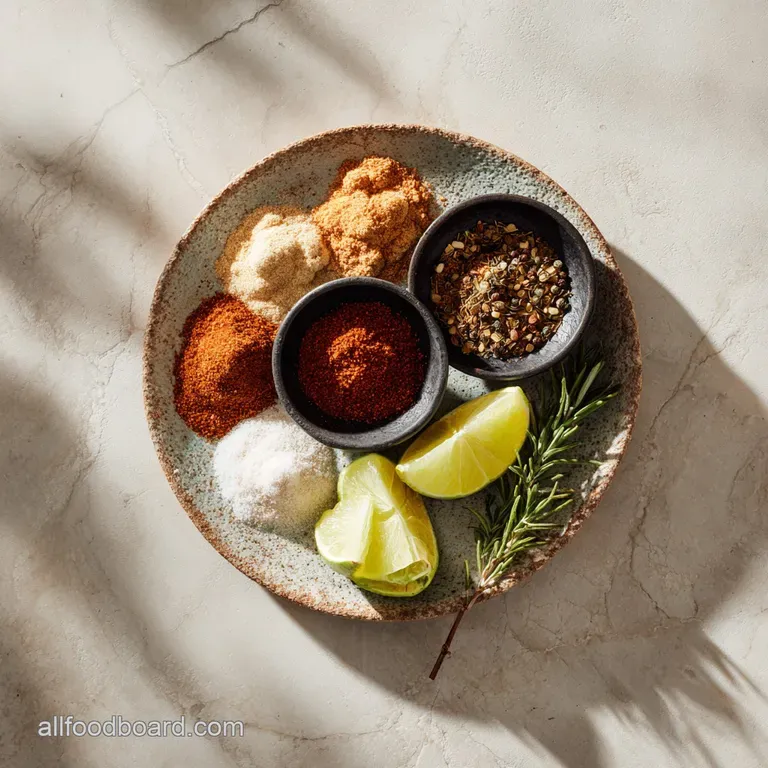
The Core Component Checklist (Measuring Essentials)
Accuracy really matters here. I know it’s tempting to eye-ball the teaspoons, but spices are potent. Use a proper measuring spoon set, specifically for the smaller amounts like garlic powder and cayenne. A slight overmeasure on cayenne can accidentally turn your lovely mild blend into a four alarm fire.
Adjusting the Heat Level (Chilli Powder Alternatives)
We use standard mild or medium chili powder as the base for this Taco Seasoning . It gives beautiful color and mild warmth without overwhelming. If you want true heat, increase the cayenne pepper, or substitute some of the standard chili powder with a powerful blend like Chipote powder or even a pinch of Ghost Pepper powder (if you’re feeling truly brave).
For a smokier base with less heat, use Ancho chili powder exclusively.
| Ingredient | My Recommendation | Substitution Notes |
|---|---|---|
| Chili Powder | Mild/Medium US Blend | Use Ancho for mild/smoky, or blend with Chipotle for deep heat. |
| Smoked Paprika | Spanish Pimentón Ahumado | Regular paprika lacks the crucial smoky flavour; use a pinch of liquid smoke powder if desperate. |
| Ground Cumin | Freshly ground is best | Use 1/2 amount of whole cumin seeds, toasted and ground in a mortar and pestle for intense flavor. |
| Oregano | Mexican preferred | Marjoram works in a pinch, but it is milder. |
| Salt | Fine Sea Salt | Reduce if pairing with salty broth or cheese. You can always add it later. |
Salt Reduction and Natural Flavor Boosters
If you are trying to cut back on sodium, reduce the salt to 1/2 tsp or even eliminate it entirely from the Taco Seasoning ingredients . To boost flavor naturally without salt, you can add a tiny amount of dried mushroom powder (umami boost) or a sprinkle of dried lime zest.
These ingredients provide depth without relying on sodium.
Addressing the Bitter Flavor of Old Spices
Have you ever used a spice blend and found it tasted oddly bitter or metallic? That’s typically the sign of expired cumin or chili powder. Spices lose their volatile oils and often leave behind the bitter residual compounds.
To revive slightly old powders (not ancient powders), toast them gently in a dry pan until fragrant, let them cool, and then proceed with the recipe.
Equipment Check: Best Jars and Sifters
You need an airtight jar, period. Glass is best because it doesn't hold residual odors. Keep your spice blend in a cool, dark cupboard. Avoid storing it right next to the stove where heat and steam fluctuations can cause clumping and rapid flavor loss.
A small fine mesh sieve or sifter is actually amazing for ensuring that your powder is uniform and completely lump free.
Why Not All Garlic Powders Are Equal
We specifically call for granulated garlic powder, not standard fine garlic powder or garlic salt. Granulated garlic has a slightly coarser texture that mixes beautifully and resists clumping. The finer powder tends to absorb moisture more easily, turning your beautiful blend into a sad, solid rock over time.
Mixing Your Perfect Batch: Simple step-by-step Instructions
Making a big batch of Easy Taco Seasoning is one of the smartest things you can do for meal prep. Once this is ready, a 30 minute dinner becomes a 15 minute dinner.
Pre-Toasting Your Spices (The Expert Technique)
This step is optional, but honestly, it’s my secret weapon for truly superior flavor. In a small, dry skillet over medium low heat, gently toast the whole cumin (if using whole seeds) or the ground cumin and the oregano. This wakes up the oils.
Stir constantly for about 30 seconds until you smell that warm, nutty aroma. Immediately transfer them to a plate to cool completely before mixing them with the chilli powders. If you mix warm spices with cold spices, you invite condensation and clumping.
Combining and Whipping the Dry Ingredients
Once all your ingredients are accurately measured into a medium bowl, grab a small balloon whisk or a fork. Gently whisk everything together. Do not vigorously shake the bowl unless you want to inhale a cloud of cayenne dust a mistake I only made once, thank you very much.
The goal is complete color integration. If you see streaks of white (salt/onion/garlic) or patches of solid red (paprika), keep whisking.
The Final Sift: Ensuring Uniformity and Texture
If you own a fine mesh sieve, use it here. Pour the mixed spices through the sieve into your final storage jar, tapping gently. This breaks up any tiny clumps that might have formed and ensures that when you scoop out two tablespoons of the Homemade Taco Seasoning Mix , you get a perfectly balanced ratio every single time.
It makes a huge difference in the final product texture.
How to Scale This Recipe Up or Down
This recipe is designed to yield roughly ½ cup, equivalent to four standard packets. To scale up, simply double or triple all measurements exactly. If you use a large food processor to mix a massive batch (say, four times the volume), pulse very briefly you don't want to over process and create friction heat, which can start to release those volatile oils too early.
Troubleshooting and Expert Flavor Hacks
The main issue people face with homemade blends is clumping or fading potency. Clumping means moisture got in perhaps you measured over a steamy pot, or stored it in a humid location.
To fix mild clumping, spread the mixture thinly on parchment paper and let it air dry completely before re-sifting and re-jarring.
Chef’s Note: Never add oil or any liquid component to your master spice blend jar. It drastically cuts the shelf life and guarantees clumping. This blend must remain 100% dry.
If your seasoning tastes a bit muted after a few months, don't despair. You can usually reactivate the flavors by gently warming the required dose right before you use it. Put two tablespoons into a dry pan over low heat for 15 20 seconds. It makes the flavors pop again when seasoning your meat or vegetables.
Maximizing Shelf Life: Storing Your Homemade Seasoning Blend
Because we are ditching all the anti caking agents the commercial guys use, we have to be smart about storage. You need a cool, dark environment. Sunlight is the enemy of flavor compounds; it breaks them down rapidly, leaving you with dull seasoning.
This blend will maintain peak flavor for 3 4 months, and should be completely fine to use for up to 6 months if stored correctly. After that, you need a fresh batch of Taco Seasoning .
How to Use Your Custom Taco Seasoning Blend
This versatile Taco Seasoning blend isn’t just for one type of dish; it’s perfect for everything from quick weeknight meals to flavor packed soups.
Avoiding the "Chalky" Texture Problem
If you’ve ever added seasoning directly to dry protein and then started cooking, you know the resulting dish can sometimes taste dry and chalky. This happens because the powders haven't properly dissolved or bloomed. The trick is to add liquid.
When cooking 1 lb (500g) of meat, mix 2 tablespoons of your seasoning with 1/2 cup (120ml) of water or broth, and then pour that slurry over the meat near the end of the cooking process. Simmer until the liquid reduces and thickens, beautifully coating everything.
Reactivating Old or Stale Spices
If you accidentally left the lid off and your Taco Seasoning is smelling a little muted, don't throw it out immediately. Scoop out what you need and place it in a heat safe bowl, microwaving it for about 10 seconds.
This low heat can sometimes reactivate the remaining essential oils, giving you one last burst of flavor before you mix a new batch.
How to Test and Adjust Potency Mid-Batch
The best way to test a spice blend? The "rub and sniff" method. Take a tiny pinch, rub it hard between your thumb and forefinger (this friction releases the oils), and take a deep breath. You should smell distinct notes of chili, cumin, and smoke. If all you smell is dusty heat, it needs cayenne.
If it smells earthy but dull, it needs more paprika or a touch more salt.
Optimal Conditions for Long Term Storage
Again, avoid light, heat, and humidity. If you live in a very humid environment, you might consider adding 1 teaspoon of cornstarch to the entire batch of Taco Seasoning ingredients.
While I generally avoid thickeners, a tiny amount of cornstarch acts as a mild anti caking agent when humidity is a problem.
Identifying When Your Spice Mix Needs Replacing
If the color has faded from a vibrant reddish brown to a dusty, dull shade, or if you rub it and it smells flat and bitter, it’s done. The vibrancy of fresh chili powder and paprika should be immediately noticeable when you open the jar.
This is your sign to make a new batch of Ultimate Taco Seasoning .
The 1:1 Packet Conversion Rate (Determining 'How Much')
Standard store-bought packets usually contain between 28g and 35g of seasoning. Two full tablespoons (30ml) of this homemade blend is equivalent to one commercial packet. Use two tablespoons of your custom Taco Seasoning for every 1 lb (500g) of protein or vegetables you are cooking. It works perfectly for everything, including quick meals like Easy Healthy Shrimp Tacos with Zesty Slaw A Proper Weeknight Job or batch cooking for something like Rich Creamy Keto Taco Soup Recipe Fiesta in a Bowl . Keep a large jar handy, and you'll find yourself reaching for this incredible Taco Seasoning blend constantly.
Recipe FAQs
How long will this homemade taco seasoning stay fresh?
Store your homemade blend in an airtight glass jar or container, ensuring it is kept away from direct heat and sunlight, such as a cool pantry cupboard. Properly stored, the spices will maintain their peak flavor and potency for about 6 to 12 months.
While still safe to use past the year mark, you may need to use a slightly larger quantity to achieve the desired flavor intensity.
Can I use this taco seasoning for recipes other than ground meat tacos?
Absolutely; this versatile Tex-Mex blend works wonderfully in myriad applications beyond traditional tacos. Try rubbing it onto chicken or fish before grilling, or mixing it into sour cream or Greek yogurt for a creamy vegetable dip.
It is also an excellent flavor booster for chili, roasted potato wedges, or even homemade hummus.
My finished dish tastes a little "dusty." How can I fix the flavor?
If the final flavor tastes dull or raw, you may need to "bloom" or "wake up" the spices before introducing liquid. For the best flavor release, sauté your protein or vegetables in oil first, then add the dry spice blend and cook, stirring constantly, for about 60 to 90 seconds until fragrant before adding water or broth.
How can I adjust the heat level to make the blend spicier or milder?
To increase the heat, simply add a quarter teaspoon of ground cayenne pepper or a pinch of crushed red pepper flakes to the full batch. If you prefer a milder blend, reduce the amount of chili powder by half and replace that volume with extra sweet or Hungarian paprika.
I am on a low-sodium diet. How do I manage the salt content?
The beauty of homemade seasoning is complete sodium control; we recommend omitting the salt entirely from the initial dry spice mix. Instead, season your ground meat or vegetable base with salt separately while cooking, tasting and adjusting until you reach your desired low-sodium threshold.
Always use kosher salt or fine sea salt for the best flavor integration.
Why is my taco seasoning starting to clump together in the jar?
Clumping is generally caused by exposure to moisture or high humidity, especially if you included granulated ingredients like salt or sugar. Ensure your container is completely dry before adding the blend, and avoid storing the jar directly above steam sources like your stovetop or dishwasher.
Adding a few dried beans or grains of rice to the jar can sometimes absorb excess internal moisture.
What is the best substitution if I don't have smoked paprika?
Smoked paprika contributes a rich, complex depth essential to the overall profile, making it difficult to fully replace. If you must substitute, use regular sweet paprika combined with either a very small dash of liquid smoke or a quarter teaspoon of chipotle powder, which provides a smoky heat element.
You could also slightly increase the amount of cumin to maintain an earthy base note.
Homemade Taco Seasoning Mix
Ingredients:
Instructions:
Nutrition Facts:
| Calories | 30 kcal |
|---|---|
| Fat | 1 g |
| Fiber | 2 g |
