Shrimp Egg Rolls: Crispy and Savory
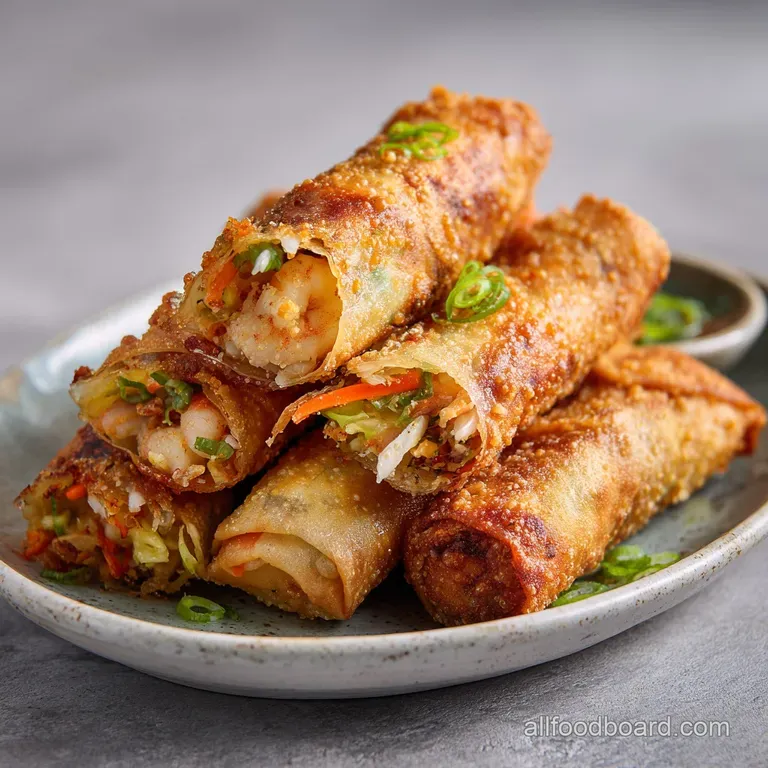
- Time: Active 25 minutes, Passive 15 minutes, Total 40 minutes
- Flavor/Texture Hook: Shatter crisp shell with velvety, ginger spiced shrimp
- Perfect for: Weekend gatherings or a bold fusion appetizer
- Why This Works
- Time and Yield Specs for Professional Results
- Building the Perfect Umami Filling from Scratch
- The Essential Kitchen Kit for Crispy Frying
- Master the Art of the Perfect Roll
- Navigating Common Kitchen Hurdles and Quick Fixes
- Flavor Fusions and Smart Ingredient Swaps
- Maintaining That Signature Crunch Through Proper Storage
- Curating a Dynamic Asian Street Food Spread
- Recipe FAQs
- 📝 Recipe Card
Walking through the night markets of Taipei or the busy, steam filled alleys of Queens, there is a specific fragrance that hits you before you even see the food. It is the sharp, pungent aroma of fresh ginger hitting a screaming hot wok, followed immediately by the sweet, briny scent of searing shellfish.
That smell is the DNA of a great shrimp egg rolls recipe, and it is exactly what we are chasing today. I remember the first time I tried to make these at home, thinking I could just toss everything in a wrapper and fry it.
What I got was a soggy, grease laden mess that bore no resemblance to the crisp, vibrant rolls I’d eaten in Hong Kong.
The secret, I eventually learned, isn't just in the ingredients but in the balance of textures. It’s about that bold contrast between the blistering, bubbly shell and the tender, snap fresh shrimp inside. In the West, we’ve often settled for heavy, doughy versions filled with more cabbage than substance.
But when you make homemade shrimp egg rolls with a focus on over high heat technique and proper drainage, you transform a standard takeout side into a dynamic, global travel experience on a plate.
We aren't looking for subtle here; we want big flavors, aromatic heat from white pepper, and a crunch that can be heard across the room.
To get there, we have to respect the ingredients. This isn't about throwing leftovers together. We are building a flavor map: the salt of the oyster sauce, the earthiness of toasted sesame oil, and the bright, zesty punch of grated ginger.
These elements work together to create a filling that feels light yet incredibly satisfying. This recipe is designed to help you avoid the pitfalls of the "soggy bottom" and ensure every single bite is as exhilarating as a street food discovery in a far off city.
Why This Works
- Moisture Elimination: Sautéing the coleslaw mix at high heat evaporates cellular water, preventing the wrapper from steaming and becoming soggy from the inside out.
- Protein Integrity: Searing the shrimp separately for exactly 90 seconds ensures they remain succulent and "snappy" rather than rubbery after the final fry.
- Starch Sealing: The cornstarch slurry creates a molecular bond on the wrapper edges that resists the high pressure of expanding steam during frying.
- Aromatic Suspension: White pepper provides a floral, sharp heat that lingers longer than black pepper, cutting through the richness of the fried shell.
| Method | Time | Texture | Best For |
|---|---|---|---|
| Deep Fry (Peanut Oil) | 3-5 minutes | Shatter crisp, bubbly | Authentic street food results |
| Air Fryer (Spray Oil) | 10-12 minutes | Crunchy, dry, firm | Lower fat daily snacking |
| Shallow Pan Fry | 6-8 minutes | Crispy sides, chewy edges | Small batches, less oil waste |
Choosing the right cooking method depends entirely on the vibe you are going for. If you want that classic, blistered look that defines chinese shrimp egg rolls, the deep fry in peanut oil is non negotiable. Peanut oil has a high smoke point and a faint nuttiness that complements the shrimp perfectly.
However, if you are making air fryer shrimp egg rolls, you will still get a fantastic crunch, though it will be more uniform and less "bubbly" than the traditional version. Both methods benefit significantly from the moisture wicking steps we take during the filling preparation.
Time and Yield Specs for Professional Results
When we talk about precision in the kitchen, we aren't just being fussy. For crispy shrimp egg rolls, the difference between a golden masterpiece and a greasy disaster often comes down to five degrees or sixty seconds.
Keeping your oil at a steady 350°F is the first precision checkpoint. If the oil drops too low, the wrapper begins to absorb fat like a sponge. If it’s too high, the outside burns before the heat can penetrate the chilled filling.
| Component | Science Role | Pro Secret |
|---|---|---|
| Shrimp (1 lb) | Primary Protein | Chop into 1/2 inch pieces to ensure even distribution in every bite. |
| Coleslaw Mix (4 cups) | Texture & Volume | Use a mix with red cabbage for a dynamic color contrast inside the roll. |
| Oyster Sauce (2 tbsp) | Umami Binder | Provides a thick, savory glaze that holds the filling together without adding excess water. |
| Peanut Oil (1 quart) | Heat Transfer | The high monounsaturated fat content creates a cleaner, more efficient heat transfer for a lighter crunch. |
The cooling and draining phase is the second checkpoint you cannot skip. Most people rush this, but letting the filling sit in a mesh strainer for at least 10 minutes is what separates the amateurs from the pros. You will be shocked at how much liquid collects in the bowl beneath the strainer.
That liquid is the enemy of the crunch. By removing it, you ensure the interior of your shrimp egg rolls with coleslaw mix stays tight and fragrant rather than watery.
Building the Perfect Umami Filling from Scratch
To create the best shrimp egg rolls recipe, we need to start with high-quality components. I always look for raw, wild caught shrimp because they have a much deeper "ocean" flavor than farmed varieties.
The 4 cups of shredded coleslaw mix is a brilliant shortcut, but make sure it’s fresh and vibrant, not wilted.
- 1 lb raw shrimp: Peeled, deveined, and chopped into 1/2 inch pieces. Why this? Smaller pieces ensure the wrapper doesn't tear during the rolling process.
- Substitute: Scallops (chopped) - similar sweetness and texture.
- 4 cups shredded coleslaw mix: Cabbage and carrots. Why this? Provides the essential crunch and structural volume.
- Substitute: Thinly sliced bok choy or napa cabbage.
- 3 cloves garlic: Minced. Why this? Provides the foundational pungent base flavor.
- Substitute: 1 tsp garlic powder (if fresh is unavailable).
- 1 tbsp fresh ginger: Grated. Why this? Delivers a sharp, zingy heat that balances the seafood.
- Substitute: 1/2 tsp ground ginger (though fresh is vastly superior here).
- 3 green onions: Thinly sliced. Why this? Adds a fresh, grassy bite and bright green color.
- Substitute: Chives or the white part of a leek (finely minced).
- 2 tbsp oyster sauce: Why this? The "secret sauce" for that authentic, savory sweet depth.
- Substitute: Hoisin sauce for a sweeter, more fragrant profile.
- 1 tbsp soy sauce: Why this? Adds essential salt and fermented depth.
- Substitute: Tamari for a gluten-free alternative (ensure wrappers are also GF).
- 1 tsp toasted sesame oil: Why this? A little goes a long way for a nutty, roasted aroma.
- Substitute: Perilla oil or walnut oil for a different nutty note.
- 0.5 tsp white pepper: Why this? Traditional in Chinese cooking for a "clean" heat.
- Substitute: Black pepper (though it is more visually apparent and less floral).
- 12 large egg roll wrappers: Why this? They have the thickness required to bubble up and hold the filling.
- Substitute: Spring roll wrappers (creates a thinner, smoother, flakier finish).
- 1 tbsp cornstarch & 2 tbsp warm water: Why this? Acts as the "glue" to keep the rolls sealed.
- Substitute: Beaten egg (a traditional alternative, though cornstarch is more "invisible").
- 1 quart peanut oil: Why this? Ideal for over high heat frying without breaking down.
- Substitute: Grapeseed oil or canola oil.
For a different take on the protein prep, you might find inspiration in how shrimp is handled in my Honey Garlic Shrimp, where the focus is on a quick, over high heat sear to lock in juices.
The Essential Kitchen Kit for Crispy Frying
You don't need a professional kitchen, but a few specific tools will make this how to make shrimp egg rolls process significantly easier. First and foremost is a wok or a large, heavy bottomed skillet.
A wok is superior because the high sides allow you to toss the cabbage and shrimp vigorously without losing half your filling to the stovetop. It also requires less oil for deep frying than a wide Dutch oven.
A digital thermometer is your best friend here. Guessing the oil temperature is how you end up with burnt shells and raw centers. I also highly recommend using a wire cooling rack set over a baking sheet for the finished rolls.
Placing fried food directly onto paper towels actually traps steam underneath, which softens the bottom of the roll. A rack allows air to circulate around the entire roll, keeping it shatter crisp on all sides.
Finally,, a spider strainer or a slotted spoon is essential for safely navigating the hot oil and removing the rolls once they reach that perfect golden hue.
Master the Art of the Perfect Roll
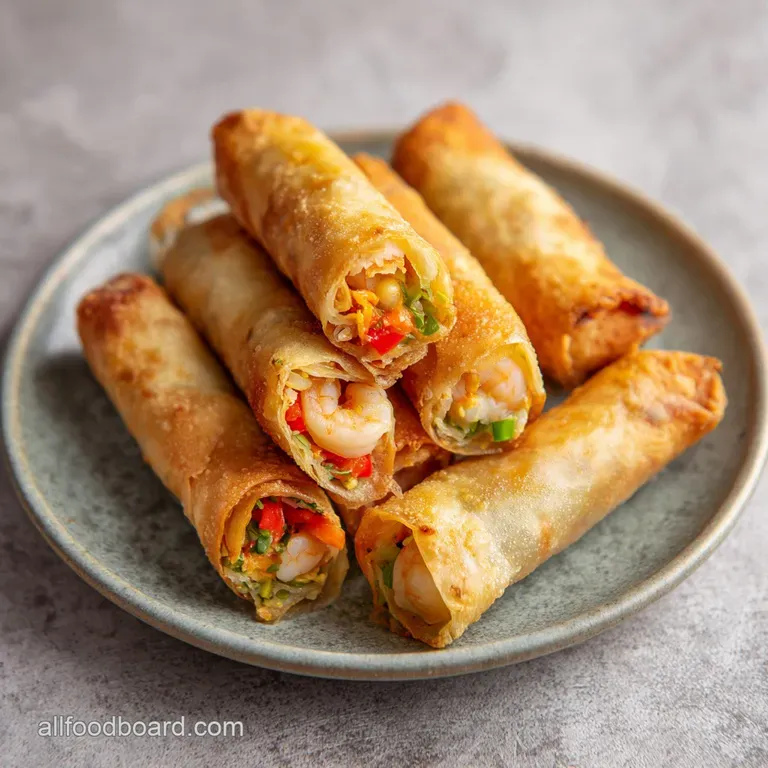
- Heat 1 tablespoon of oil in a wok or large skillet over high heat. Add the chopped shrimp and sear for 90 seconds until pink and opaque. Note: Fast cooking prevents the shrimp from releasing too much water into the pan.
- Remove shrimp and set aside on a plate to prevent overcooking.
- In the same pan, sauté the garlic, ginger, and coleslaw mix for 2-3 minutes until the cabbage begins to soften and smells fragrant.
- Stir in the oyster sauce, soy sauce, and white pepper. Return the shrimp to the pan and toss until everything is coated in a glossy glaze.
- Transfer the mixture to a fine mesh strainer or colander set over a bowl. Let it drain and cool for at least 10 minutes until no more liquid drips from the bottom.
- Mix 1 tablespoon of cornstarch with 2 tablespoons of warm water to create a slurry glue.
- Place an egg roll wrapper in a diamond shape. Place 3 tablespoons of filling in the center. Fold the bottom corner up, tuck in the sides tightly, and roll upward. Seal the top edge with a dab of the cornstarch slurry.
- Heat oil in a heavy pot to 350°F (175°C).
- Fry egg rolls in batches for 3-5 minutes until golden brown and the surface is covered in tiny bubbles.
- Drain on a wire cooling rack for 2 minutes before serving to let the internal steam stabilize.
Chef's Tip: When rolling, keep the filling as compact as possible. A loose roll allows oil to seep into the gaps, leading to a greasy interior. Think of it like rolling a very tight burrito!
Navigating Common Kitchen Hurdles and Quick Fixes
Even with a solid shrimp egg rolls recipe, things can go sideways. The most frequent issue is the "blowout." This happens when steam builds up inside the roll and has nowhere to go, forcing the wrapper to pop open in the oil.
This is usually caused by either too much moisture in the filling or a weak seal. If you find your rolls are popping, double check your drainage time and ensure you are using enough cornstarch slurry to create a firm bond.
Another common frustration is a greasy finish. This is almost always an oil temperature issue. If you add too many rolls to the pot at once, the temperature will plummet. Work in small batches usually 3 or 4 at a time to keep the heat consistent.
This ensures the oil sears the outside instantly, creating a barrier that keeps the fat out.
The Problem of the Soggy Shell
The primary reason for a soggy shell is residual moisture. If your cabbage isn't drained properly, it will release steam during the fry, which attacks the wrapper from the inside. Always ensure the filling is cool to the touch before rolling; warm filling will create condensation on the inside of the wrapper before it even hits the oil.
| Problem | Root Cause | Solution |
|---|---|---|
| Wrapper not bubbling | Oil too cold | Ensure oil is exactly 350°F before dropping rolls. |
| Shrimp is rubbery | Overcooked in wok | Sear shrimp for only 90 seconds; it will finish cooking in the fryer. |
| Filling is bland | Not enough white pepper | Increase white pepper or add a dash more oyster sauce for depth. |
Common Mistakes Checklist
- ✓ Pat the shrimp completely dry with paper towels before chopping and searing.
- ✓ Never skip the 10 minute draining step for the sautéed filling.
- ✓ Use a thermometer to maintain the oil at 350°F throughout the entire process.
- ✓ Don't overfill the wrappers; 3 tablespoons is the sweet spot for a standard large wrapper.
- ✓ Allow the rolls to rest on a wire rack, never directly on a flat plate or paper towel.
Flavor Fusions and Smart Ingredient Swaps
One of the best things about making easy shrimp egg rolls is how adaptable they are. If you want to take a detour from the traditional Chinese flavors, you can easily pivot. For instance, cajun shrimp egg rolls are a massive hit at fusion spots.
Simply swap the ginger and oyster sauce for Cajun seasoning and add some finely diced andouille sausage to the mix. It's a bold, spicy twist that pairs beautifully with a remoulade dipping sauce.
| Original Ingredient | Substitute | Why It Works |
|---|---|---|
| Raw Shrimp | Pre cooked small shrimp | Saves time. Note: Skip the initial sear and add directly to the cooled cabbage. |
| Oyster Sauce | Vegetarian Mushroom Sauce | Provides similar umami and thickness without the shellfish extract. |
| Peanut Oil | Coconut Oil (Refined) | High smoke point. Note: Refined oil won't add flavor; unrefined will add a tropical note. |
If you are looking for a lighter, non fried alternative, these fillings also work remarkably well in rice paper. You can check out my Fresh Spring Rolls for a technique that involves zero frying and uses a silky peanut sauce that would actually taste incredible with this shrimp filling too.
Decision Shortcut
- If you want Maximum Crunch: Use the deep fry method with peanut oil and double wrap the filling.
- If you want Healthier Daily Snacking: Use the air fryer at 400°F for 10-12 minutes, flipping halfway.
- If you want Aromatic Heat: Double the white pepper and add 1/2 tsp of red chili flakes to the sauté.
Maintaining That Signature Crunch Through Proper Storage
Storing homemade shrimp egg rolls can be tricky because the wrapper is designed to be eaten immediately. However, you can definitely make these ahead. If you have leftovers, the fridge is fine for 2-3 days, but do not use a microwave to reheat them.
A microwave will turn that glorious crust into a rubbery, chewy mess. Instead, use an oven or air fryer at 350°F for about 5-8 minutes to restore the snap.
For long term storage, you can freeze these either cooked or uncooked. To freeze uncooked, place the rolled egg rolls on a parchment lined baking sheet and freeze until solid, then transfer to a freezer bag. This prevents them from sticking together.
When you're ready to eat, you can fry them directly from frozen just add 2 minutes to the cook time.
- Fridge Storage: Keep in an airtight container for up to 3 days.
- Freezer Storage: Best used within 2 months.
- Zero Waste Tip: Don't throw away that flavorful liquid that drains from the filling! It’s essentially a concentrated shrimp and ginger stock. Use it as a base for a quick dipping sauce by simmering it with a little rice vinegar and sugar.
- Leftover Wrapper Hack: If you have extra wrappers, cut them into strips and fry them for 30 seconds to make crispy "wonton strips" for salads or soups.
Curating a Dynamic Asian Street Food Spread
When you serve shrimp egg rolls, you're offering a piece of a larger culinary puzzle. While they are a powerhouse on their own, they truly shine when part of a spread. I love serving these alongside a bright, acidic dipping sauce like a Thai sweet chili or a simple soy vinegar ginger dip.
The acidity cuts through the richness of the fried shell and high fat peanut oil, refreshing the palate between bites.
If you are hosting a larger gathering, consider a "contrast" menu. Pair these hot, crunchy rolls with something cold and soft, like a chilled noodle salad or a refreshing cucumber salad with rice vinegar. The contrast in temperatures and textures is what makes Asian street food so addictive.
These rolls also make a fantastic companion to a bowl of hot soup, providing that necessary crunch factor that turns a simple meal into an event.
The Flavor Map of This Dish
- Sweet: From the fresh shrimp and the sugar in the oyster sauce.
- Savory (Umami): Provided by the soy sauce and oyster sauce.
- Spicy: The subtle, lingering heat of the white pepper.
- Aromatic: The high frequency notes of fresh ginger and toasted sesame.
Debunking Frying Misconceptions
A common myth is that you need a specialized deep fryer to get professional results. In reality, a heavy bottomed pot or wok is often better because it allows for better temperature control and easier cleanup. Another myth is that the "egg roll" must contain actual eggs in the filling.
While the wrapper contains egg, the filling is a flexible canvas. The name likely stems from the wrapper composition rather than a requirement for the interior to be an omelet style mix.
Finally, searing the shrimp beforehand doesn't make them "tough"; it actually prevents them from steaming inside the roll, which is the true cause of a rubbery texture. By searing and then cooling, you control the protein denaturation perfectly.
Whether you're making these for a quiet night in or as the star of a festive party, the key is the energy you put into the prep. Keep your wok hot, your filling dry, and your oil steady.
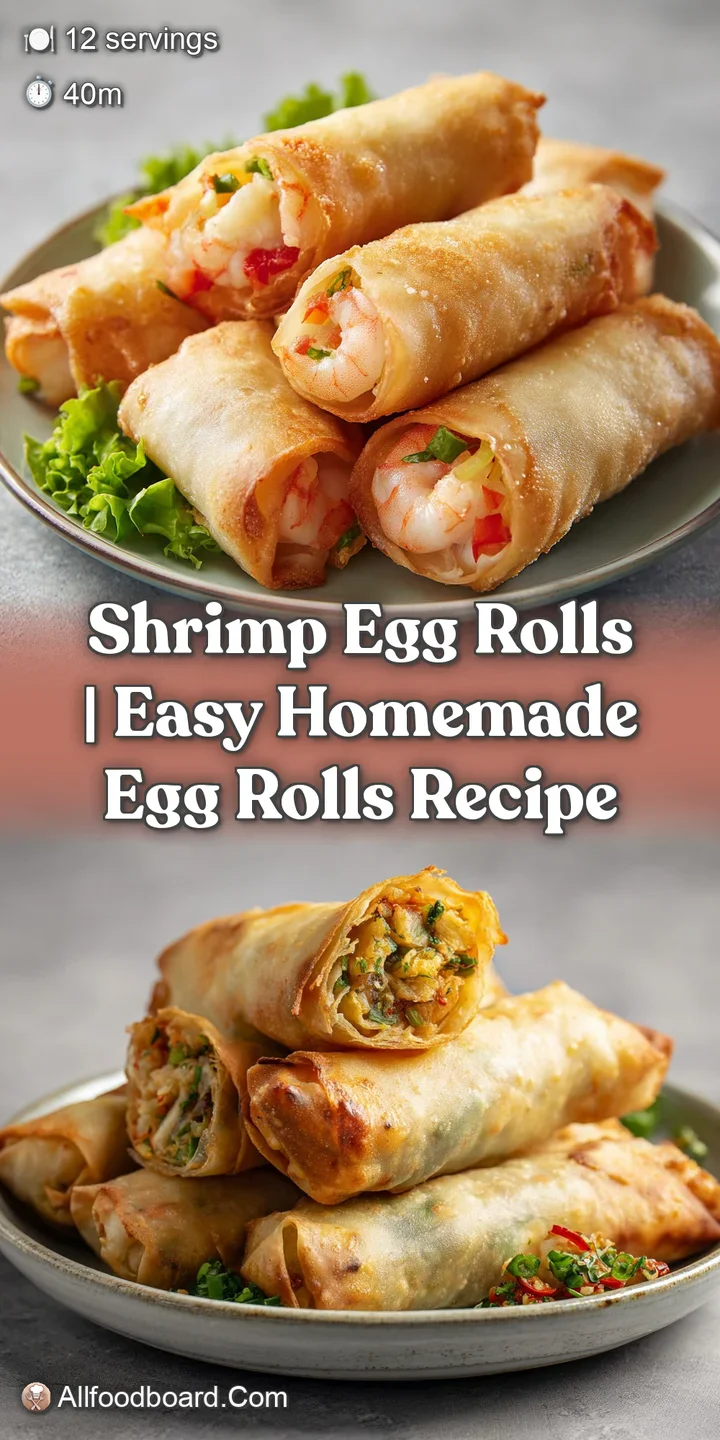
When you hear that first shatter crunch as you take a bite, you'll know exactly why this shrimp egg rolls recipe is worth the effort. It’s a bold, nostalgic journey in every mouthful.
Recipe FAQs
What is the difference between an egg roll and a shrimp roll?
The primary difference is the protein source. While egg rolls typically feature a mix of pork or vegetables, shrimp rolls rely exclusively on fresh, chopped shrimp as the main protein combined with cabbage and carrots.
What is the secret to a perfect egg roll?
Moisture control is the secret. By draining the sautéed filling in a fine mesh strainer for at least 10 minutes, you prevent the steam from turning your wrappers soggy from the inside out during the frying process.
Are egg rolls ok for diabetics?
No, they are generally not recommended. The combination of refined flour wrappers and deep frying in peanut oil creates a high carbohydrate and high fat profile that impacts blood glucose levels significantly.
What is in a shrimp egg roll?
The filling consists of chopped raw shrimp, coleslaw mix, garlic, ginger, green onions, oyster sauce, soy sauce, sesame oil, and white pepper. Everything is sealed in a wrapper using a simple cornstarch and water slurry.
How to prevent the wrappers from bursting while frying?
Roll them tightly and seal edges securely with the cornstarch slurry. If you enjoyed mastering the structural integrity of these rolls, see how we use similar principles to create perfectly sealed appetizers that don't leak during frying.
How to achieve a uniformly golden brown exterior?
Maintain the oil temperature consistently at 350°F. Use a deep fry thermometer to monitor the heat, as temperature drops cause the wrapper to absorb too much oil, while spikes cause burning before the shrimp is cooked through.
How to keep the rolls crispy after frying?
Drain the rolls on a wire cooling rack immediately. Resting them on a flat plate or paper towel traps steam underneath, which softens the bottom of the wrapper and ruins that essential crunch.
Homemade Shrimp Egg Rolls
Ingredients:
Instructions:
Nutrition Facts:
| Calories | 194 kcal |
|---|---|
| Protein | 10.4 g |
| Fat | 7.8 g |
| Carbs | 19.6 g |
| Fiber | 1.1 g |
| Sugar | 1.4 g |
| Sodium | 385 mg |
