Homemade Lemonade: Bright and Zesty
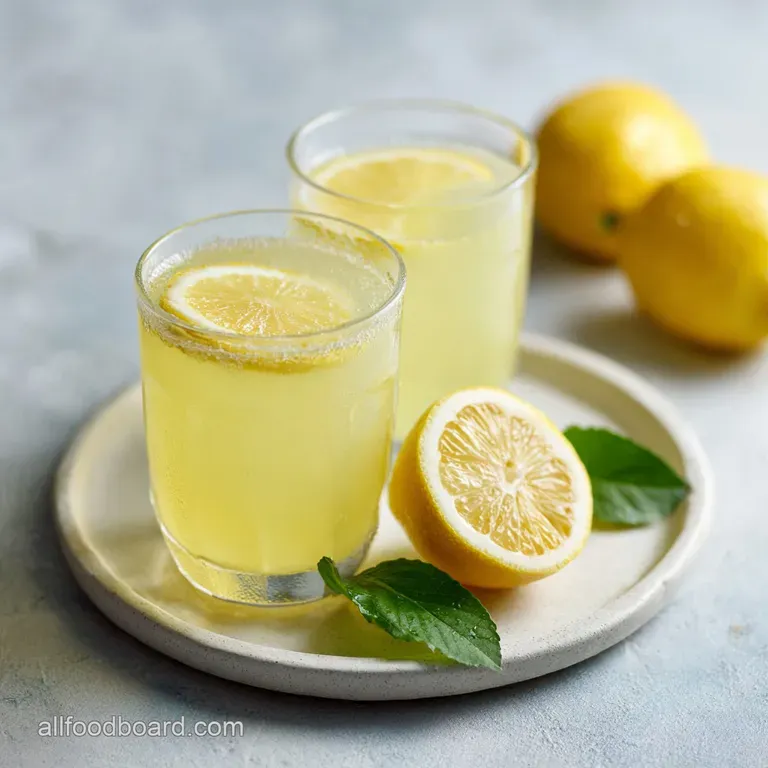
- Time: Active 15 minutes, Passive 30 minutes, Total 45 minutes
- Flavor/Texture Hook: Bright, zesty, and crystalline
- Perfect for: Summer heatwaves, backyard barbecues, or beginner friendly hosting
You know that specific, sharp "spritz" that happens when you first slice into a heavy, cold lemon? That tiny cloud of citrus oil that hits your nose and makes your mouth water before you even take a bite? That’s the soul of this drink.
For years, I was the person who just stirred sugar into cold water and wondered why it tasted like sweet, sour disappointment. It was usually gritty, or the lemon flavor felt "flat," like a recording of a song instead of the live performance.
Everything changed when I realized I was throwing away the most flavorful part of the fruit: the skins. I once spent an entire afternoon in a tiny kitchen in southern Italy watching a grandmother make limoncello, and she didn't care about the juice at all she wanted the oils.
I took that lesson home and applied it to my basic afternoon refresher. By letting the sugar sit with the zest first, you create a syrup that actually captures the floral scent of the fruit, not just the punch of the acid. It's a total shift in how you think about "simple" drinks.
Trust me, once you’ve tasted the difference between a tossed together juice and this macerated version, you won't go back. We’re going to use 1.2 liters of filtered water and 240 ml of fresh juice to get the balance just right.
It’s not about making something complicated; it’s about making something intentional. Let’s get into the mechanics of why this works so much better than the powder or the quick mix versions.
What Makes This Blend Pop
The Oleo Saccharum Effect: Sugar is hygroscopic, meaning it draws moisture and essential oils out of the lemon zest through osmosis, creating a concentrated flavor base. This technique ensures the aromatic citrus notes are dissolved into the liquid rather than just floating on top.
| Method | Prep Time | Flavor Depth | Best For |
|---|---|---|---|
| Fresh Macerated | 15 minutes | High - Floral and Complex | Sunday Brunch / Gifting |
| Quick Stir | 5 minutes | Low - Mostly Sour | Rapid Thirst Quenching |
| store-bought | 0 minutes | Medium - Often Oversweet | Large Crowd Emergency |
The difference between fresh and shortcut methods really comes down to the "top notes" of the lemon. When you just use juice, you get the citric acid punch, but you miss out on the limonene the compound in the skin that gives lemons their characteristic scent. If you're looking for something even more creamy and adventurous, you might want to try a Refreshing Brazilian Lemonade recipe which uses whole limes and condensed milk for a completely different texture.
But for today, we are sticking to the classic, crystalline version. Using 150 g of organic cane sugar provides a richer sweetness than standard white sugar, which can sometimes feel a bit "hollow." The pinch of sea salt we add isn't enough to make it salty; it acts as a flavor magnifier, suppressing bitterness and making the sweetness feel more rounded on your tongue.
Critical Measurements for Success
Before we grab the juicer, we need to look at our components. I’ve learned the hard way that not all lemons are created equal. You want the ones that feel heavy for their size that weight usually means they are packed with juice.
If they have a very thick, pebbly skin, they might have more zest but less liquid. We are aiming for 240 ml of fresh lemon juice, which usually takes about 6 to 8 large lemons.
| Component | Science Role | Pro Secret |
|---|---|---|
| Lemon Zest | Oil Extraction | Use a vegetable peeler to get wide strips without the white pith. |
| Organic Cane Sugar | Sweetness & Body | Macerating with zest creates a more stable syrup than simple syrup. |
| Sea Salt | Ion Balancing | A tiny pinch blocks bitter receptors on the tongue. |
| Filtered Water | Pure Solvent | Chlorine in tap water can dull the delicate citrus aromatics. |
One mistake I made for years was using whatever water came out of the faucet. If your tap water has a strong mineral or chlorine taste, it will absolutely ruin your 1.2 liters of lemonade. Use a filter if you have one. It seems like a small detail, but when a recipe only has five ingredients, every single one has to be at its best. If you find yourself with extra lemons and want to try something a bit more decadent, this Lemon Cream Cheese recipe is a fantastic way to use up that extra zest.
The Essential Pantry Elements
Right then, let's look at exactly what you need. Remember, we are using metric measurements here because precision leads to consistency. If you use a giant mug one day and a small glass the next, you’ll never get that same "shatteringly bright" flavor twice.
- 240 ml fresh lemon juice: This must be fresh. The bottled stuff has preservatives that taste like "old" citrus. Why this? Fresh juice contains volatile enzymes that provide a sharp, clean finish.
- Zest strips from 2 organic lemons: Use organic if possible since we are soaking the skins. Why this? Most of the lemon's aroma lives in the oil glands of the yellow skin.
- 150 g organic cane sugar: It has a slight caramel note that pairs beautifully with acid. Why this? Provides sweetness without the chemical aftertaste of some highly processed sugars.
- 1 pinch sea salt: Just a tiny bit between your thumb and forefinger. Why this? Enhances fruit flavors and cuts through the sharpness of the citric acid.
- 1.2 liters filtered water: The canvas for our flavor. Why this? Ensures no off flavors from minerals or chemicals interfere with the citrus.
- 2 cups ice cubes: For the immediate chill. Why this? Essential for reaching the correct serving temperature and slight dilution.
Substitute Table:
| Original Ingredient | Substitute | Why It Works |
|---|---|---|
| Organic Cane Sugar | Honey (120 g) | Adds a floral, earthy sweetness. Note: Will make the lemonade cloudy. |
| Fresh Lemons | Meyer Lemons | Sweeter and more floral. Note: Reduce sugar by 20% to compensate. |
| Filtered Water | Sparkling Water | Adds a refreshing effervescence and sharp mouthfeel. |
If you decide to go the sparkling route, don't add the bubbles until the very last second before serving, or you'll lose all that lovely carbonation. It's also worth noting that if you use a liquid sweetener like honey or agave, you can skip the maceration step with the sugar, but you should still let the zest sit in the lemon juice for a while to extract those oils.
Tools for the Perfect Squeeze
You don't need a professional kitchen, but a few specific tools make this much easier. A microplane or a sharp vegetable peeler is non negotiable for the zest. If you use a box grater, you often end up with too much of the white pith, which is where the "bitter" lives.
You’ll also want a solid citrus juicer. I prefer the handheld "lemon squeezer" style (the yellow ones) because they turn the lemon inside out and get every last drop. A fine mesh strainer is also helpful. While some people like "bits" in their drink, a truly elegant lemonade is clear and silky.
Finally,, a large glass pitcher is better than plastic; plastic can hold onto old smells from previous meals, which is the last thing you want when you're trying to capture a delicate citrus scent.
The step-by-step Mixing Guide

Let's crack on with the process. This isn't just about dumping things in a jar; it's about the order of operations. We want to maximize flavor while keeping the process stress free.
- Zest the fruit. Remove wide strips of yellow skin from 2 lemons using a vegetable peeler. Note: Avoid the white pith at all costs as it adds a lingering bitterness.
- Macerate the sugar. Toss the 150 g organic cane sugar and zest strips in a bowl and press them together with a spoon. Let this sit for 30 minutes until the sugar looks damp and fragrant.
- Juice the lemons. Squeeze enough fruit to get exactly 240 ml of juice. Note: Rolling the lemons on the counter first helps break the internal membranes for easier juicing.
- Dissolve the base. Add the pinch of sea salt and about 200 ml of your 1.2 liters of water to the sugar zest mixture. Stir until the sugar crystals are completely dissolved.
- Strain the syrup. Pour this concentrated mixture through a fine mesh sieve into your serving pitcher to remove the zest strips.
- Combine with juice. Pour the 240 ml of fresh juice into the pitcher with the sugar syrup. Stir well to emulsify the oils and acid.
- Dilute the mix. Add the remaining 1 liter of filtered water to the pitcher.
- Taste and adjust. Give it a quick stir and a sip. Check if it needs more water or a touch more sugar depending on your lemons' tartness.
- Add the chill. Drop in the 2 cups of ice cubes. Note: If you aren't serving immediately, keep the ice out and refrigerate the pitcher instead.
- Final garnish. Throw in a few fresh lemon slices or a sprig of mint if you're feeling fancy. Serve immediately while the ice is crackling and the drink is cold.
Chef's Tip: If you want a really clear drink, don't squeeze the lemons until they are "dry." The last bit of juice often contains more bitter solids. Stop when the resistance increases.
Solving Common Flavor Problems
Fixing a Bitter Aftertaste
Usually, bitterness comes from one of two things: getting too much white pith when zesting, or squeezing the lemons too hard. The pith contains tannins that can dry out your mouth and leave a medicinal aftertaste.
If your batch is already bitter, you can't really remove it, but you can mask it by adding a tiny bit more sugar or another pinch of salt.
Resolving Undissolved Sugar
There is nothing worse than a mouthful of sand at the bottom of a glass. If your sugar isn't dissolving, it's usually because the water is too cold. This is why we dissolve the sugar in a small amount of room temperature water with the zest before adding the rest of the cold water and ice.
If you've already made the mistake, just keep stirring, or pour a small amount of the liquid into a microwave safe bowl, heat it for 20 seconds, stir to dissolve, and pour it back in.
| Problem | Root Cause | Solution |
|---|---|---|
| Gritty Texture | Sugar didn't dissolve in cold liquid | Dissolve sugar in room temp water first or use a simple syrup. |
| Dull Flavor | Old lemons or tap water chemicals | Use heavy, fresh lemons and filtered water for a cleaner taste. |
| Too Tart | Lemons were exceptionally acidic | Add 10 g more sugar at a time until the balance is restored. |
Common Mistakes Checklist:
- ✓ Never use bottled lemon juice - the flavor is flat and metallic.
- ✓ Don't skip the salt - it's the secret to making the flavors "pop."
- ✓ Avoid the white pith when zesting to prevent lingering bitterness.
- ✓ Always use filtered water to ensure the citrus remains the star.
- ✓ Don't add ice until you are ready to serve to prevent over dilution.
Smart Swaps and Variations
If you want to move beyond the classic version, there are so many ways to play with this base. Since we have the ratios down (240 ml juice to 150 g sugar to 1.2 liters water), you can swap out parts of the liquid or the sweetener to create something entirely new.
- If you want a floral twist, swap 200 ml of the water for 200 ml of strong brewed lavender or hibiscus tea. The color change is stunning.
- If you want it "Pink" naturally, muddle 4-5 raspberries into the sugar zest mixture before straining. You get a gorgeous blush without artificial dyes.
- If you want a sophisticated edge, add a few sprigs of fresh rosemary or basil to the maceration step. It adds an earthy note that makes it feel like a craft mocktail.
For those who love a layered drink, you could even try making a STRAWBERRY COCONUT LAVA recipe and using a splash of this lemonade as the acid component to brighten up the coconut cream.
Adjustment Guidelines
- Downsizing (1/2 batch): Simply halve everything. It works perfectly for 2-3 people. Use 120 ml juice, 75 g sugar, and 600 ml water.
- Upsizing (Double batch): Double the juice and water, but only use 1.5x the salt. You may also find you need slightly less sugar (around 270 g) because sweetness can become overwhelming in larger volumes.
- Healthier version: Swap the sugar for Stevia or Monkfruit. Note that these are much sweeter than sugar, so start with 1/4 of the amount and taste as you go. They also won't macerate the zest as effectively, so you might miss some of those oils.
Keeping the Batch Fresh
Lemonade is best consumed within the first 24 hours while the juice is "bright." Over time, the juice begins to oxidize, and that fresh, zesty spark starts to fade into a more muted, cooked flavor.
Storage: Store in a glass pitcher in the fridge for up to 3 days. Always stir before serving, as the sugar can sometimes settle or the juice can separate slightly.
Freezing: This recipe makes excellent popsicles! If you have leftovers, pour them into molds for a zero waste treat. Alternatively, freeze the lemonade in ice cube trays. You can use these "lemon cubes" in future batches so your drink doesn't get watered down as the ice melts.
Zero Waste Tip: Don't throw away those squeezed lemon halves! Put them in a jar of white vinegar for two weeks to create a natural, citrus scented cleaning spray. Or, toss them into the bottom of your dishwasher to help remove hard water spots from your glasses.
The Best Snacks to Serve
Because this lemonade is quite tart and bright, it pairs beautifully with salty or fatty snacks that need a bit of "cut." It’s a classic for a reason the acidity cleanses the palate between bites of rich food.
I personally love serving this alongside a big platter of salty potato chips or a really sharp cheddar cheese. If you're doing a full lunch, it’s the perfect companion to a Grandmas Lemon Meringue recipe for a full citrus themed afternoon. The lightness of the drink balances out the creamy, sweet weight of a pie or tart.
Another great option is anything grilled. The char from a burger or grilled chicken loves the "wash" of a cold, sweet tart drink. Honestly, even just a bowl of buttery popcorn while watching a movie is enough of an excuse to whip up a batch.
Trust me on this: once you start making your own from scratch, the stuff in the carton will never taste the same again. Happy squeezing!

Recipe FAQs
How do you make lemonade at home?
Start by creating an oleo saccharum base. Toss lemon zest from two lemons with 150g of organic cane sugar and let it sit for 30 minutes to draw out the oils. Then, dissolve this mixture in a small amount of warm water with a pinch of salt, strain out the zest, mix in 240ml of fresh lemon juice and the remaining cold filtered water.
What are the 7 steps of making lemonade?
Zest, Macerate, Juice, Dissolve, Strain, Combine, and Dilute. First, macerate the zest with sugar for 30 minutes; next, juice your lemons; then, dissolve the sugar zest mix with a little water and salt; strain out the zest; combine the syrup with the juice; and finally, dilute with the remaining cold
water.
How to make lemonade in 4 steps?
Macerate zest and sugar, add lemon juice, dissolve completely, and then dilute with cold water. For best flavor, macerate the zest and sugar for at least 30 minutes to extract essential oils before adding the juice and water.
What are the ingredients of lemonade?
Fresh lemon juice, organic cane sugar, filtered water, and a tiny pinch of sea salt are essential. The aromatic depth comes from including the lemon zest during the initial sugar maceration process.
Can I skip macerating the zest and sugar?
No, you should not skip this step if you want intense flavor. Macerating the zest with sugar extracts the limonene oils, providing a floral note that you cannot achieve by just stirring juice and sugar together.
Is it true I must use filtered water?
Yes, using filtered water is highly recommended for the best result. Tap water minerals or chlorine can interfere with the clean, bright flavor profile of fresh citrus, dulling the drink's overall effect.
What's the best way to keep my homemade lemonade from getting watered down?
Freeze leftover lemonade into ice cubes for future batches. This technique ensures that as the cubes melt, they add more concentrated flavor rather than just dilution, similar to how we control liquid ratios when balancing a complex salad dressing like in the Peasy Coleslaw Dressing recipe.
Homemade Lemonade Recipe

Ingredients:
Instructions:
Nutrition Facts:
| Calories | 107 kcal |
|---|---|
| Protein | 0.2 g |
| Fat | 0.1 g |
| Carbs | 28.1 g |
| Fiber | 0.1 g |
| Sugar | 26 g |
| Sodium | 17 mg |
