Garlic Confit: Buttery and Spreadable
- Time: Active 15 minutes, Passive 120 minutes, Total 135 minutes
- Flavor/Texture Hook: Velvety, buttery cloves with a mellow savory finish
- Perfect for: Meal prep, budget flavor boosting, and gifting
- The Science Behind over Low heat Poaching
- Essential Ingredients for Best Results
- Choosing Your Kitchen Gear Wisely
- Step-by-Step Method for Perfect Cloves
- Solving Common Garlic Confit Issues
- Troubleshooting Common Issues
- Customizing Your Flavor Infusions
- Safe Storage and Preservation Tips
- Ways to Use Your Garlic
- Recipe FAQs
- 📝 Recipe Card
The Science Behind over Low heat Poaching
Understanding the "why" makes you a better cook, and with garlic, it is all about controlling the enzymes and sugars. Garlic is packed with natural sugars and sulfur compounds that can turn aggressive if treated poorly.
When we use this garlic confit recipe, we are fundamentally changing the structure of the clove without the violence of over high heat frying.
- Enzyme Deactivation: Low heat slowly stops the enzyme reaction that creates the sharp "garlic breath" flavor, leaving only the sweetness behind.
- Cellular Breakdown: The gentle 120°C temperature softens the pectin in the garlic cell walls without causing them to explode or toughen.
- Flavor Extraction: Since many garlic flavor compounds are fat soluble, the 1.75 cups of olive oil act as a solvent, pulling the essence into the liquid.
- Maillard Control: By keeping the temperature at a steady 250°F (120°C), we achieve a very pale golden color, which avoids the bitterness associated with darker browning.
It is honestly brilliant how a bit of patience can turn a pungent bulb into a creamy delicacy. By surrounding the cloves in oil, we create a thermal blanket that prevents the garlic from ever touching the direct, harsh heat of the oven or pan surface.
This even distribution of warmth is the secret to that uniform, melt in-your mouth texture.
| Method | Time | Texture | Best For |
|---|---|---|---|
| Oven | 120 minutes | Perfectly uniform, soft | Hands off meal prep |
| Stovetop | 45-60 mins | Slightly firmer edges | Quick batching |
| Air Fryer | 30-40 mins | Toasted exterior | Small portions |
Choosing between the oven and stovetop usually comes down to how much you want to pay attention. I personally prefer the oven for this garlic confit recipe because it is a "set it and forget it" situation.
The stovetop requires you to hover a bit to ensure the oil doesn't start bubbling too hard, which can happen if your burner's "low" setting is still a bit too enthusiastic.
Essential Ingredients for Best Results
When you are making something with so few components, the quality of your ingredients really matters. However, since we are a budget smart kitchen, we don't need the most expensive stuff in the world we just need to be smart about what we pick.
You'll need 150g of garlic, which is roughly 3 to 4 whole heads depending on their size.
| Ingredient | Science Role | Pro Secret |
|---|---|---|
| Garlic Cloves | Primary aromatic | Trim the root ends so oil can migrate to the center. |
| Olive Oil | Heat conductor/Solvent | Use a mid tier EVOO; the flavor will mellow as it cooks. |
| Thyme & Rosemary | Volatile oil infusion | Fresh sprigs release oils slowly during the 2 hour bake. |
| Red Pepper Flakes | Capsaicin depth | A tiny amount cuts through the heavy fat of the oil. |
For the garlic, try to find heads that feel heavy and firm. If they feel light or hollow, they are drying out and won't get as creamy. We use 1.75 cups of extra virgin olive oil here. While some people say you can use cheaper oils, the olive oil flavor is a huge part of the final product.
If you're looking for a cheaper swap, you can do a 50/50 mix of olive oil and a neutral oil like grapeseed, but don't skip the olive oil entirely.
| Original Ingredient | Substitute | Why It Works |
|---|---|---|
| Extra Virgin Olive Oil | Grapeseed or Avocado Oil | High smoke point and neutral flavor. Note: You lose the fruity olive notes. |
| Fresh Thyme/Rosemary | Dried Herbs (0.5 tsp) | Concentrated flavor. Note: Can make the oil look "dusty" or gritty. |
| Kosher Salt | Sea Salt | Similar clean saltiness without iodine aftertaste. |
If you're out of fresh herbs, don't sweat it. The garlic is the star of the show. I've made this with just salt and oil before, and it’s still incredible. If you're feeling adventurous after mastering this, you might even try using the infused oil in a Spicy Sausage Pasta to give the sauce a massive head start on flavor.
Choosing Your Kitchen Gear Wisely
You don't need a high tech lab for this, but the right vessel makes a difference. For the oven method, a small, heavy baking dish is your best friend. I usually reach for a small ceramic ramekin or a tiny cast iron cocotte.
The goal is to have the garlic cloves huddled together so that the 1.75 cups of oil completely submerge them. If your dish is too wide, the oil will spread out thin, and your garlic will roast rather than confit.
If you are going the stovetop route, a small, heavy bottomed saucepan is essential. Thin pans have "hot spots" that can scorch the garlic at the bottom while the top stays raw. A heavy base distributes the heat from your burner more evenly. You'll also want a sterilized glass jar ready for the cooling phase.
Using a dirty jar is a recipe for spoilage, so give it a good wash in hot, soapy water and dry it thoroughly before the garlic goes in.
A slotted spoon is also handy for moving the cloves. They become incredibly fragile after two hours in the oven. If you go at them with a fork, you'll end up with garlic mash instead of whole cloves. Treat them like little gold nuggets! Finally,, a kitchen timer is non negotiable.
It is very easy to forget about something in the oven for two hours, and while 120 minutes is the sweet spot, 180 minutes might leave you with brown, crispy bits.
step-by-step Method for Perfect Cloves
This is the part where we slow down. Preparing the garlic is the only "hard" part, and even that is just a bit of meditative peeling. Make sure you trim those woody root ends it's a small step, but it allows the oil to penetrate the clove from the inside out, ensuring every millimeter is tender.
- Prep the garlic. Peel 150g of fresh garlic cloves and trim the root ends. Note: This ensures even oil penetration and a better texture.
- Combine ingredients. Place the garlic, 3 sprigs of thyme, 2 sprigs of rosemary, 1 tsp red pepper flakes, and 0.5 tsp kosher salt in a small oven safe dish.
- Submerge in oil. Pour 1.75 cups of extra virgin olive oil over the mixture. until cloves are covered by at least an inch of oil.
- Set the oven. Preheat your oven to 120°C (250°F). Note: This low temp is the secret to the confit texture.
- Slow bake. Place the dish in the oven and bake for 2 hours. until garlic is pale golden and soft enough to mash.
- Stovetop alternative. If using the stove, keep the oil at a bare simmer for 45-60 minutes. until the garlic is tender but not browned.
- Monitor the bubbles. If using the stovetop, ensure the oil never reaches a rolling boil. Note: Vigorous bubbling means the temperature is too high.
- Cool it down. Remove from heat and let the mixture cool completely in the dish. until the vessel is safe to touch.
- Store properly. Transfer the cloves and oil to a clean glass jar and refrigerate immediately.
The aroma in your house during those two hours will be incredible. It’s a warm, savory scent that feels like a hug. When you pull the dish out, the cloves should look plump and translucent. If you try to pick one up with your fingers, it should practically dissolve.
That is when you know you've nailed this garlic confit recipe.
For another way to use this incredible garlic flavor, try stirring a few mashed cloves into the sauce of my Garlic Butter Chicken. It adds a level of sophistication that raw garlic simply cannot match.
Solving Common Garlic Confit Issues
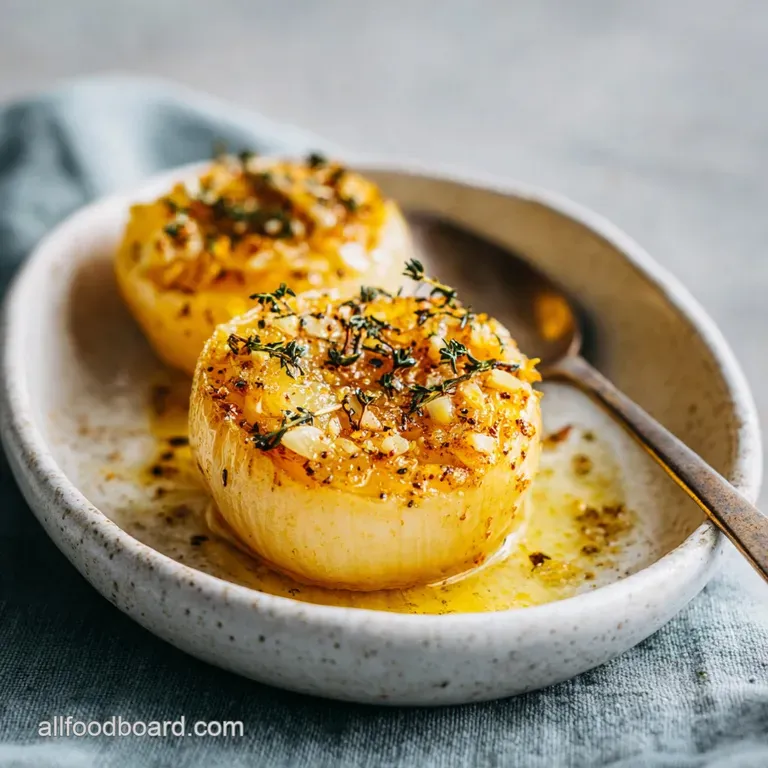
Even with a simple recipe, things can go sideways. The most common heartbreak is garlic that stays hard even after two hours. Usually, this happens because the oven wasn't actually at 120°C, or the garlic was exceptionally old and dry.
If you find your garlic is still firm, don't panic just give it another 20-30 minutes.
Troubleshooting Common Issues
| Issue | Solution |
|---|---|
| Why Your Garlic Turned Hard | If your garlic feels "rubbery" or tough, it likely cooked too fast at too high a temperature. This causes the exterior to dehydrate and toughen before the interior can soften. It's the difference betw |
| Oil Cloudy | Cloudy oil usually happens for two reasons. First, if you put the garlic in the fridge while it is still warm, condensation forms inside the jar. This water mixes with the oil and creates a cloudy loo |
| Is My Garlic Confit Safe to Eat | Safety is the one thing I'm really firm about. Garlic is a low acid food, and when you put it in an oxygen free environment like oil, there is a risk of botulism if it's left at room temperature. This |
Customizing Your Flavor Infusions
Once you have the base down, you can start playing with the aromatics. This garlic confit recipe is a blank canvas for savory flavors. If you're making a Mediterranean spread, adding lemon peel (white pith removed!) and black peppercorns to the oil creates a bright, zesty profile that is incredible on grilled fish.
Can We Make This Healthy?
Garlic itself is a powerhouse of health benefits, but yes, this is a fat heavy recipe. However, you aren't drinking the oil! You're using a tiny amount of high-quality fat to deliver flavor.
If you want to lean into the health benefits, stick with 100% extra virgin olive oil, which is full of heart healthy monounsaturated fats.
What Are Some Spice Variations?
For a bit of a kick, double the red pepper flakes or add a whole dried bird's eye chili to the jar. If you want something more "earthy," try adding a bay leaf or some toasted cumin seeds.
I once made a version with star anise and cinnamon sticks for a Chinese inspired aromatic oil, and it was a revelation over simple steamed greens.
| Servings | Garlic Amount | Oil Amount | Pan Size |
|---|---|---|---|
| 16 (Half) | 75g | 0.85 cups | Small ramekin |
| 32 (Standard) | 150g | 1.75 cups | 2 cup dish |
| 64 (Double) | 300g | 3.5 cups | Small saucepan |
When scaling up, remember that the cook time in the oven stays mostly the same, as we are targeting the same internal temperature. However, on the stovetop, a double batch will take longer to come up to that "bare simmer" state, so be patient. Never rush the heat!
Safe Storage and Preservation Tips
Storage is the most critical part of this entire process. Because we are dealing with low acid garlic in an anaerobic (airless) oil environment, we have to be vigilant. Once the garlic has cooled completely in its cooking dish, transfer it to a sterilized jar. Make sure the 1.75 cups of oil cover the cloves entirely.
If you've used some of the oil and the cloves are poking out, top it up with a bit of fresh olive oil.
The garlic confit will stay delicious in the refrigerator for up to 14 days. I wouldn't push it much past that. If you find you can't use it all, you can freeze it! I like to mash the cloves into the oil and freeze the mixture in ice cube trays. Once frozen, pop the "garlic cubes" into a freezer bag.
They’ll stay good for up to 3 months and you can drop a cube directly into a hot pan for an instant flavor base.
For zero waste, never toss the oil! Even after the cloves are gone, that oil is liquid gold. Use it to fry eggs, drizzle it over popcorn, or use it as the fat for a vinaigrette. The herbs can be strained out and discarded, as they’ve given up all their flavor to the oil during those two hours in the oven.
Ways to Use Your Garlic
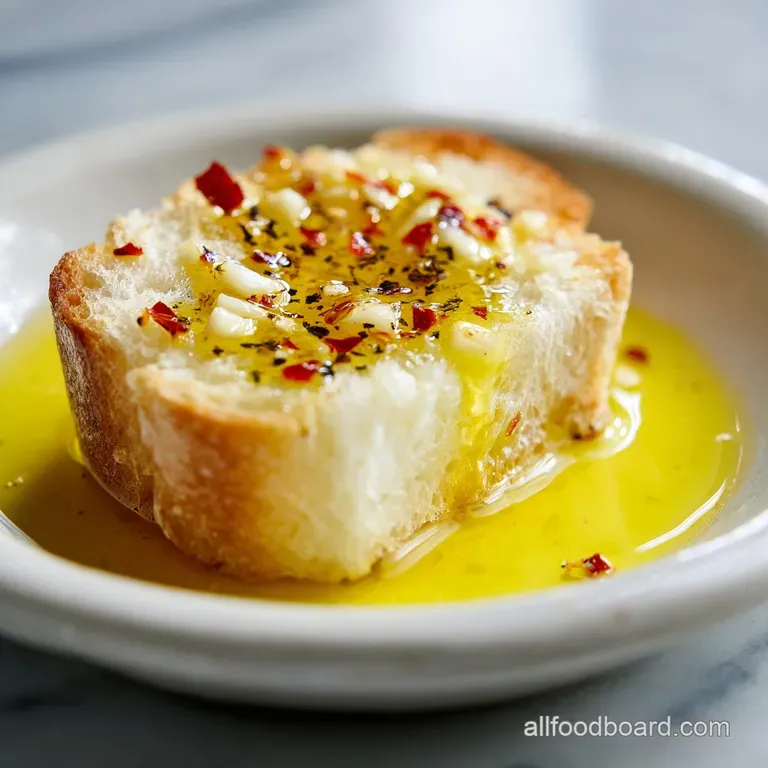
Now for the best part eating it! The most classic way to enjoy this is the "Sourdough Smear." Take a thick slice of toasted sourdough, take two or three cloves of the garlic, and just mash them directly onto the bread with a knife.
Sprinkle with a little extra flaky salt, and you have a snack that beats any fancy appetizer.
The Ultimate Pasta Base
If you're making a simple pasta aglio e olio, use the infused oil from this recipe as your base. Since the garlic is already mellow and soft, you don't have to worry about it burning in the pan.
Toss in your pasta, a splash of pasta water, and some fresh parsley for a 10 minute meal that tastes like you spent all day in the kitchen.
Can I Make a Garlic Confit Butter?
Absolutely, and you should. Take a stick of softened unsalted butter and whip it with 6-8 mashed confit cloves and a pinch of salt. Roll it into a log using parchment paper and keep it in the fridge. It’s the ultimate "fancy" butter for steaks or for making the best garlic bread of your life.
There are people who will tell you that you can "store garlic confit on the shelf if you add acid," but honestly, don't even bother with that. The risk isn't worth it, and the fridge keeps the flavor much fresher anyway. Keep it cold, keep it safe, and keep it on your table!
It’s the kind of kitchen staple that makes everything you cook feel a bit more special without costing a fortune.
Myth: Oil Seals Out Bacteria
One big myth is that submerging garlic in oil "seals" it from spoilage. In reality, it does the opposite for certain dangerous bacteria like Clostridium botulinum, which actually prefer environments without oxygen. The oil creates that perfect oxygen free home.
That is why the refrigerator is your best friend. Cold temperatures slow down the growth of those bacteria, keeping your delicious confit safe to eat.
Another myth is that you need expensive, boutique garlic. While "gourmet" varieties are fun, the standard white garlic from the grocery store works perfectly here. The slow cooking process is a great equalizer, turning even the most basic cloves into something extraordinary.
So, don't wait for a special occasion or a trip to a specialty market grab some garlic and get that oven preheated. Your future self (and your dinner guests) will thank you.

Recipe FAQs
How to do confit garlic?
Place peeled garlic cloves, herbs, salt, and oil into a small baking dish or heavy bottomed saucepan. Submerge the cloves by at least one inch of olive oil, then either bake at 250°F for 2 hours or cook on your stovetop's lowest setting at a bare simmer for 45-60 minutes until golden and
fork tender.
How to avoid botulism when making garlic confit?
Cool the mixture completely before sealing it in a sterilized jar and storing it in the refrigerator immediately. Never store garlic in oil at room temperature, as this creates the anaerobic environment where the toxin thrives.
What does it mean to confit garlic?
It means slow cooking the cloves in oil at a low temperature until they become meltingly soft and buttery. This gentle heat infusion transforms the sharp, pungent bite of raw garlic into a mellow, savory flavor profile.
How long does garlic confit hold?
Store your confit in the refrigerator for up to two weeks. Always ensure the garlic remains completely submerged in the olive oil to prevent spoilage.
Why did my garlic turn hard instead of soft?
You likely cooked the garlic at too high a temperature. If the heat exceeds a gentle simmer, the exterior dehydrates and toughens before the interior has time to soften. If you enjoyed mastering this low-temperature fat infusion, you can apply similar heat control principles to create a silky tomato cream sauce.
Is it necessary to trim the root ends of the cloves?
Yes, this is essential for the best texture. Trimming the woody root ends allows the oil to penetrate the center of the clove, ensuring it cooks evenly from the inside out.
Why is my oil looking cloudy after refrigeration?
The cloudiness is likely due to condensation caused by jarring the garlic while it was still warm. Always allow your confit to cool down to room temperature completely before moving it into your refrigerator to prevent moisture buildup.
Homemade Garlic Confit
Ingredients:
Instructions:
Nutrition Facts:
| Calories | 111 kcal |
|---|---|
| Protein | 0.3 g |
| Fat | 11.8 g |
| Carbs | 1.5 g |
| Fiber | 0.1 g |
| Sugar | 0.1 g |
| Sodium | 36 mg |
