German Bread Dumplings: Traditional Style
- Time: 30 min active + 20 min boiling
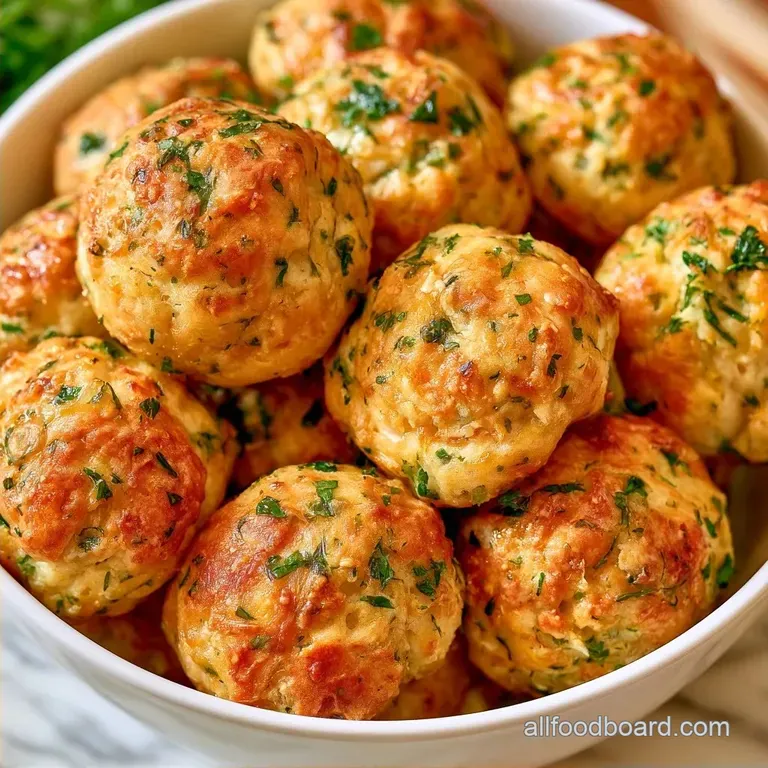
- Flavor/Texture Hook: Soft, pillowy, and dotted with herbs
- Perfect for: Family gatherings or pairing with a rich mushroom sauce
The aroma of onions and butter browning in a skillet always brings back memories of winter days spent with my grandmother. I can still picture her there, hands coated in a mixture of milk and stale rolls, shaping these small rounds with effortless grace.
She firmly believed that throwing away bread was a waste, so the driest rolls in the breadbox were always destined for the pot.
It is a humble dish, but it feels like a warm embrace when smothered in gravy. No special gadgets are required just a mixing bowl and a pot. I'll guide you through achieving that signature light, airy texture while ensuring the dumplings don't disintegrate in the water.
If you've never had German Bread Dumplings, they are essentially the perfect vessel for soaking up sauces. Whether you're serving a classic roast or a hearty vegetarian mushroom stew, this recipe adds a rustic, homemade touch to the meal that store-bought alternatives simply cannot match.
Traditional German Bread Dumplings Recipe
The One Step Most People Skip: Let the bread soak completely. If you rush this, you'll get hard lumps of dry bread inside your dumpling, which ruins the texture.
What Actually Makes It Hold: The eggs act as a binder, but the starch from the stale bread is what really does the heavy lifting. Since you're using old bread, the gluten has broken down, making it easier for the milk to penetrate and create a cohesive dough.
The Simmer Secret: Avoid a rolling boil. If the water is too violent, it'll knock the dumplings around and break them apart. A gentle simmer is all you need. This is similar to how I handle Homemade Spaetzle Noodles, where temperature control is everything.
| Bread Type | Prep Time | Texture | Best For |
|---|---|---|---|
| Fresh Rolls | Fast | Gummy/Dense | Not recommended |
| Stale Rolls | 15m soak | Pillowy/Light | Traditional recipes |
| Sourdough | 15m soak | Tangy/Firm | Hearty stews |
Essential Recipe Specs
First, the fundamentals. This method produces about 8 medium dumplings. It's a simple process, but the specific ratio of milk to bread is crucial. Resist the urge to add more milk than requested, or you'll end up with a batter instead of a proper dough.
These are a Sunday staple for me. They require roughly 30 minutes of preparation and 20 minutes of cooking. The entire process takes about 50 minutes, but the bulk of that time is spent waiting for the bread to soak and the water to simmer.
Ingredients You'll Need
For the base, you want bread that is dry. If your rolls are still soft, you can pop them in a low oven for a few minutes to dry them out.
| Ingredient | Role | If You Don't Have It |
|---|---|---|
| Stale Rolls | Structure | Sourdough or old baguette |
| Warm Milk | Hydration | Unsweetened almond milk |
| Large Eggs | Binding | Flax egg (though texture changes) |
| All Purpose Flour | Stability | Spelt flour |
The Full List:
- 7 oz (200g) stale crusty rolls or sourdough, cubed into ½-inch pieces
- 1 cup (240ml) warm milkWhy this? Softens the bread without making it soggy
- 2 tbsp (30g) unsalted butter, melted
- 1 small onion, finely diced
- 2 large eggs, lightly beaten
- 3 tbsp (10g) fresh parsley, finely chopped
- ½ tsp (3g) salt
- ¼ tsp (1g) ground black pepper
- 2 tbsp (15g) all purpose flourWhy this? Provides extra insurance against falling apart
| Original Ingredient | Substitute | Why It Works |
|---|---|---|
| Fresh Parsley | Chives | Similar oniony green brightness |
| Butter | Ghee | Same fat content, slightly nuttier |
| Milk | Heavy Cream | Richer flavor, slightly denser result |
Basic Tools Required
No special equipment or fancy machinery is required here. Just a big mixing bowl and a strong spoon (or your own hands) will do. Because we are preparing German Bread Dumplings, the key piece of equipment is a wide bottomed pot, giving the dumplings plenty of space to float freely.
I also recommend using a slotted spoon. This is the best way to lift them from the water without accidentally piercing them. For the onions, a basic non-stick skillet works best to keep everything moving.
Step-by-step Cooking Guide

Phase 1: Hydrating the Bread
Combine the stale bread cubes in a large mixing bowl. Pour in the warm milk, tossing gently. Allow the bread to soak for 10-15 minutes until the milk is fully absorbed and the pieces soften.
Phase 2: Sautéing and Binding
Heat the butter in a skillet over medium heat. Stir in the finely diced onion and cook until translucent and fragrant. Remove from the heat and let cool slightly. Note: Don't brown the onions, or the dumplings will have dark streaks.
Phase 3: Mixing the Dough
Stir the sautéed onions, beaten eggs, chopped parsley, salt, and pepper into the soaked bread. Use your hands to mix until a cohesive, slightly sticky dough forms. If it feels too loose to hold its shape, add the flour one tablespoon at a time.
Phase 4: Shaping the Spheres
Heat a large pot of salted water until it reaches a gentle simmer. Scoop about ⅓ cup of dough and roll it gently into a sphere between your palms. Note: Avoid squeezing too hard, or they'll be too dense.
Phase 5: The Final Boil
Gently drop the dumplings into the water. Simmer until they float to the surface and feel firm to the touch. This process usually takes about 20 minutes. Remove them using a slotted spoon.
Fixing Common Texture Issues
It's easy to run into a few snags when you're first making these. Most of the time, it comes down to the moisture level of the bread or the heat of the water. If they're too mushy, you probably used bread that wasn't stale enough. If they're too hard, you might have over added flour.
The most common issue is the dumplings breaking apart. This happens if the water is boiling too hard the physical turbulence literally rips the dough. Keep the heat low and the bubbles small.
Dough Falling Apart
If the mixture won't hold a ball shape, it needs more binder. Add a pinch more flour or an extra egg yolk to tighten things up.
Center Staying Raw
This happens if the dumplings are rolled too tightly or are too large. Make sure they are about the size of a tennis ball and not packed into a hard lump.
Gummy Texture
This is usually the result of using fresh bread. The high moisture content prevents the milk from absorbing correctly, creating a paste.
| Problem | Fix |
|---|---|
| Dumplings disintegrating | Lower the heat to a simmer; add 1 tbsp flour |
| Dough too sticky | Chill the dough for 20 mins or add flour |
| Hard, dense center | Roll more gently; ensure bread is fully soaked |
Goal Adjustment
| Goal | What to change |
|---|---|
| More Herby | Double the parsley and add thyme |
| Firmer Bite | Increase flour by 1 tbsp |
| Lighter Texture | Use slightly more milk during soak |
Simple Dietary Swaps
If you want to change things up, these are very versatile. For a cheesy twist, fold in ½ cup of grated Emmental or Gruyère cheese during Phase 3. It makes them rich and savory.
For those avoiding gluten, you can use a gluten-free bread, but you'll likely need an extra egg or a tablespoon of xanthan gum to keep them from falling apart. Bread Dumplings Czech style (Knedlíky) are often more elongated and use a different flour ratio, but this method works for a more rustic version.
You can also try a vegan version by swapping the milk for soy milk and using a commercial egg replacer. Just be careful with the shaping, as vegan binders can be a bit more temperamental in boiling water.
Storage and Waste Tips
Using stale bread makes this a zero waste recipe. You can cube any leftover crusts or loaf ends and keep them in a freezer bag until you are ready to cook. I use a similar method for my No Knead Bread to streamline the process.
Keep finished German Bread Dumplings refrigerated in an airtight container for a maximum of 3 days. When reheating, try to steer clear of the microwave to prevent a rubbery texture. Instead, brown sliced pieces in a little butter in a skillet until the edges are crisp.
For longer storage, these freeze quite well. Arrange them on a tray to freeze individually before moving them into a freezer bag. They remain fresh for about 2 months. To warm them up, simply place them directly into simmering water.
Best Way to Serve
The real magic happens when you pair these with the perfect sauce. A timeless choice is German Bread Dumplings with Gravy a savory, brown beef or veal gravy that soaks deep into the center of the dumpling.
If you prefer a meat free option, German Bread Dumplings with mushroom sauce are an excellent alternative. A creamy combination of sautéed shiitake and cremini mushrooms with a touch of white wine offers a savory contrast to the soft bread.
For an authentic Bavarian meal, serve them alongside roast pork loin and sauerkraut. The tanginess of the cabbage balances the heartiness of the meat and dumplings, harmonizing the entire dish. Simply halve each dumpling and ladle the sauce over the cut side so it absorbs every single drop.
Recipe FAQs
What is a German bread dumpling?
A savory dumpling made from stale bread, milk, and eggs. It is designed to soak up rich sauces and gravies, turning old rolls into a hearty side dish.
Are these dumplings called something specific in Germany?
They are known as Semmelknödel. The name comes from "Semmel," which refers to the crusty rolls traditionally used to make them.
How to fix dough that feels too loose?
Stir in all-purpose flour one tablespoon at a time until a cohesive, slightly sticky dough forms. If you enjoyed managing the consistency of breakfast biscuits, you'll appreciate how the flour stabilizes this mixture.
Is it true that only sourdough works for this recipe?
False. Stale crusty rolls are equally effective and a traditional choice for achieving the right density.
German Bread Dumplings