Fresh Asian Chicken Salad
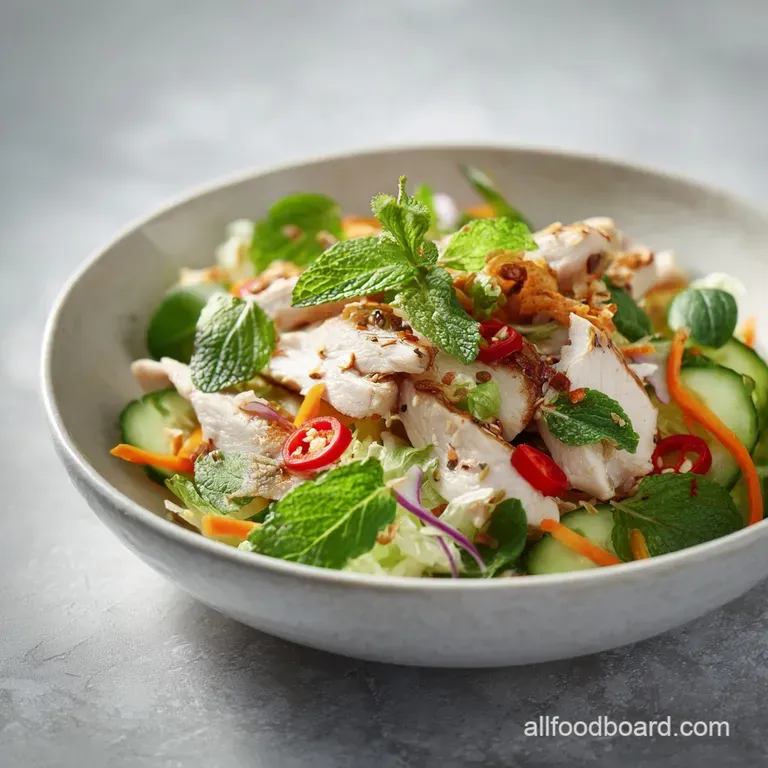
- Time: Active 15 minutes, Passive 10 minutes, Total 25 minutes
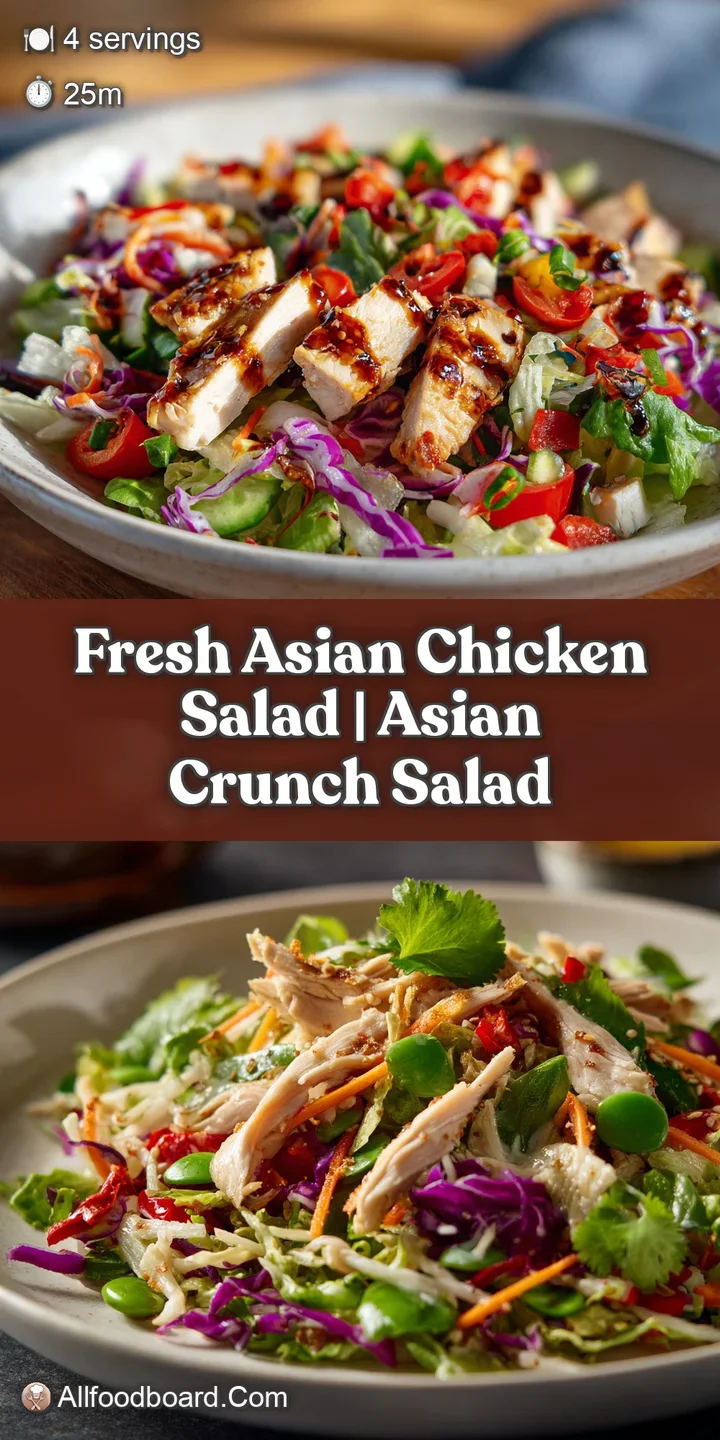
- Flavor/Texture Hook: Crunchy cabbage and shatter crisp wonton strips paired with velvety sesame dressing
- Perfect for: High protein meal prep or a quick, vibrant weeknight dinner
- Master the Perfect Fresh Asian Chicken Salad
- Pro Secrets for a Fresh Asian Chicken Salad
- Essential Details and Precise Cooking Metrics
- Smart Ingredient Choices for Maximum Flavor
- The Right Tools for a Better Salad
- Step by Step to a Vibrant Meal
- Preventing Mistakes and Fixing Common Errors
- Creative Ways to Customize Your Salad
- Scaling the Recipe Up or Down
- Myth: You Must Use a Wok for This
- Best Practices for Storage and Leftovers
- Presentation Tips and Final Flourishes
- Recipe FAQs
- 📝 Recipe Card
Master the Perfect Fresh Asian Chicken Salad
I still remember the first time I tried to make a version of this at home. I was staring at a bowl of soggy cabbage and bland, boiled looking chicken, wondering where I’d gone wrong.
The sizzle I heard in my favorite bistro was missing from my own kitchen, and the aroma was more "boiled sock" than "ginger garlic heaven." It was a total flop, but it forced me to figure out the actual mechanics of a great salad.
The secret, I eventually realized, isn't just about the ingredients, but how you treat them. You want that chicken to hit a ripping hot pan so it gets those golden, crispy edges while staying juicy inside.
When you toss that warm, savory protein with cold, crisp Napa cabbage and a zingy rice vinegar dressing, something magical happens. It’s that contrast of temperatures and the way the honey in the dressing cuts through the salt of the soy sauce that keeps you coming back for another bite.
We’ve all been there with salads that feel like a chore to eat, but this one is different. It’s vibrant, it’s loud when you crunch into it, and it doesn’t leave you feeling weighed down.
Trust me, once you nail the balance of the toasted sesame oil and the fresh ginger, you’ll never look at a bagged salad kit again. Let’s get into the nitty gritty of why this works so well.
Pro Secrets for a Fresh Asian Chicken Salad
The Physics of the Perfect Crunch: Cabbage has a high cellulose content that maintains its structural integrity even when coated in acidic dressing, unlike flimsy lettuce.
The addition of crispy wonton strips provides a secondary, low moisture crunch that contrasts with the watery snap of the vegetables.
Maillard Reaction for Depth: Searing the chicken at high heat creates complex flavor compounds through the reaction of amino acids and reducing sugars. These toasted, savory notes are essential to balance the bright acidity of the rice vinegar in the dressing.
Emulsification Stability: Using honey acts as a natural emulsifier, binding the rice vinegar and toasted sesame oil into a velvety coating. This prevents the dressing from separating and sliding off the vegetables, ensuring every bite is seasoned.
Osmotic Balance: By dressing the salad immediately before serving, we prevent the salt in the soy sauce from drawing too much moisture out of the vegetables. This keeps the slaw from becoming a watery mess at the bottom of the bowl.
| Method | Time | Texture | Best For |
|---|---|---|---|
| Stovetop Sear | 10 minutes | Crispy, golden exterior | Maximum flavor and traditional feel |
| Air Fryer | 12 minutes | Evenly browned and firm | Hands off prep with less oil cleanup |
| Poached | 15 minutes | Silky and tender | Calorie conscious or meal prep shredding |
Finding the right balance between these methods is key to fitting this meal into your schedule. If I'm in a rush, the air fryer is a lifesaver, but for the most authentic experience, nothing beats the sizzle of a cast iron skillet.
Essential Details and Precise Cooking Metrics
To ensure your Fresh Asian Chicken Salad turns out perfectly every single time, we need to look at the specific roles each component plays. This isn't just a pile of vegetables; it's a carefully constructed layering of fats, acids, and fibers. This is similar to how I treat the sauce in my Thai Peanut Chicken recipe, where every element serves a specific structural purpose.
Component Analysis
| Ingredient | Science Role | Pro Secret |
|---|---|---|
| Napa Cabbage | Structural Base | Use the leafy tops for soft texture and the white ribs for hydration and snap |
| Toasted Sesame Oil | Volatile Aromatics | Add this last to the dressing to preserve the delicate, nutty scent molecules |
| Fresh Ginger | Protease Enzymes | Grate it finely so the juices disperse evenly, providing a sharp, warming heat |
| Rice Vinegar | Acid Catalyst | This softens the cabbage fibers slightly without making them mushy or overly tart |
Understanding these roles helps when you're standing in the kitchen wondering if you can swap something out. For instance, the Napa cabbage isn't just there for bulk; its ruffles are designed to trap the dressing. If you swap it for iceberg, the dressing will just pool at the bottom.
Smart Ingredient Choices for Maximum Flavor
When shopping for this Fresh Asian Chicken Salad, quality really matters because there’s nowhere for mediocre ingredients to hide. I always grab the freshest ginger root I can find look for smooth skin, not wrinkled. If it's wrinkled, it's woody and dry.
- 1.5 lbs boneless skinless chicken breasts: Use thighs if you prefer more moisture, but breasts sear beautifully here. Why this? Provides a lean, high protein base that carries the ginger garlic flavors perfectly.
- 4 cups Napa cabbage, shredded: You can substitute with Savoy cabbage if needed. Why this? The crinkled leaves hold onto the dressing better than flat green cabbage.
- 2 cups red cabbage, shredded: Adds a necessary peppery bite and vibrant color.
- 1 cup shredded carrots: Pre shredded is fine for a budget win, but whole carrots have more juice.
- 1 large red bell pepper, julienned: Provides a sweet, watery crunch to balance the savory dressing.
- 1 cup shelled edamame: I buy these frozen and just thaw them in warm water.
- 3 green onions, sliced: Use both the white and green parts for different levels of sharp onion flavor.
- 0.25 cup rice vinegar: Apple cider vinegar works in a pinch, though it’s a bit more "fruity."
- 2 tbsp low sodium soy sauce: Tamari is a great gluten-free alternative that tastes nearly identical.
- 1 tbsp toasted sesame oil: Don't use plain sesame oil; the "toasted" version is where the flavor lives.
- 1 tbsp fresh ginger, grated: Frozen ginger is actually easier to grate if you’re in a hurry.
- 1 clove garlic, minced: Fresh is non negotiable here; jarred garlic tastes metallic in raw dressings.
- 1 tbsp honey: Maple syrup is a solid swap that adds a nice earthy sweetness.
- 0.25 cup sliced almonds, toasted: Sliced almonds have more surface area for crunch than whole ones.
- 1 tbsp toasted sesame seeds: These add tiny pops of nutty flavor throughout the salad.
- 0.5 cup crispy wonton strips: Use crushed dry ramen noodles if you can’t find wonton strips.
- 0.5 cup fresh cilantro leaves: If you’re a hater, swap for fresh mint or Thai basil.
| Original Ingredient | Substitute | Why It Works |
|---|---|---|
| Rice Vinegar | Lime Juice | Provides the necessary acidity but adds a bright, citrusy Thai style twist |
| Honey | Agave Nectar | Similar viscosity and sweetness. Note: Dissolves more easily in cold dressings |
| Napa Cabbage | Romaine Lettuce | Offers a similar watery crunch but will wilt faster once dressed |
Using these swaps can save you a trip to the store without ruining the integrity of the dish. I’ve made this with lime juice and agave many times when my pantry was looking a bit bare, and it’s still fantastic.
The Right Tools for a Better Salad
You don't need a professional kitchen, but a few specific items make this Fresh Asian Chicken Salad so much easier to pull off. First, a heavy bottomed skillet is vital for the chicken.
If you use a thin pan, the temperature drops the second the meat hits it, and you’ll end up steaming the chicken instead of searing it. I swear by my cast iron, but stainless steel works well too.
A microplane or fine grater is your best friend for the ginger and garlic. You want a paste like consistency so you don't bite into a huge chunk of raw garlic. Also, a very sharp chef's knife makes shredding that mountain of cabbage feel like a therapeutic exercise rather than a chore.
If your knife is dull, you'll bruise the cabbage, which leads to faster wilting and a "grassy" smell.
Finally, a large mixing bowl is essential. You need room to toss everything vigorously. If the bowl is too small, you'll end up with pockets of dry cabbage and clumps of dressing. If you’re looking for a simpler side to practice your knife skills on, check out The Classic House recipe, which uses similar chopping techniques.
step-by-step to a Vibrant Meal
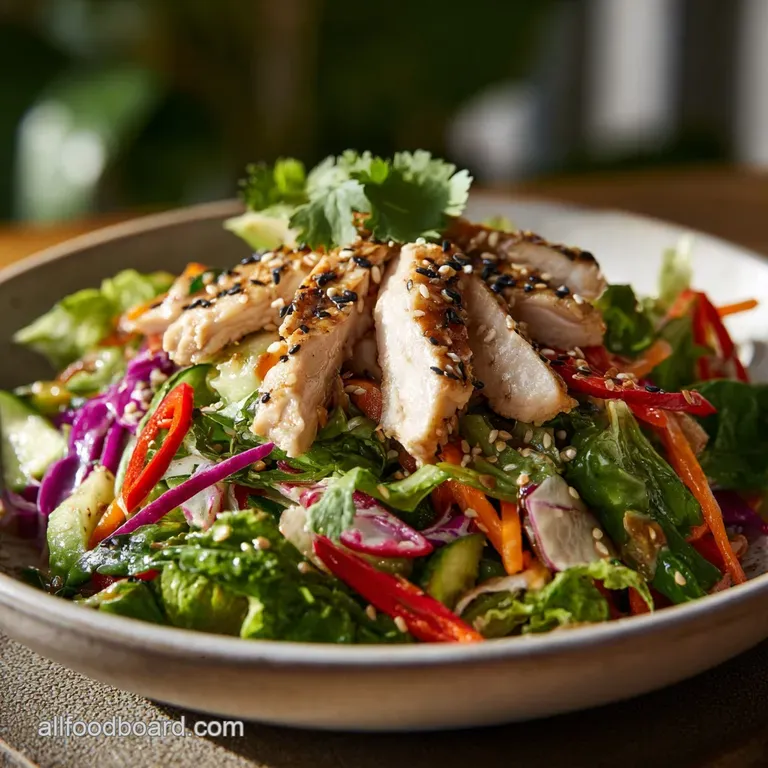
- Prep the chicken. Pat the 1.5 lbs chicken breasts dry with paper towels. Note: Excess moisture prevents a good sear.
- Season the meat. Sprinkle with 0.5 tsp salt and 0.25 tsp cracked black pepper on both sides.
- Sear the protein. Heat 1 tbsp avocado oil in a skillet over medium high heat. Cook the chicken 5-6 minutes per side until the internal temperature hits 165°F and the edges are golden brown.
- Rest and slice. Move the chicken to a board and let it sit for 5 minutes. Wait until the juices settle before slicing it into thin strips.
- Build the base. In a massive bowl, combine the 4 cups Napa cabbage, 2 cups red cabbage, 1 cup carrots, and the julienned red pepper.
- Add the bulk. Toss in the 1 cup shelled edamame and the 3 sliced green onions.
- Whisk the dressing. In a small jar, combine 0.25 cup rice vinegar, 2 tbsp soy sauce, 1 tbsp toasted sesame oil, 1 tbsp grated ginger, 1 clove minced garlic, and 1 tbsp honey. Shake until the honey is fully dissolved.
- Combine. Pour the dressing over the vegetables and toss thoroughly until every leaf looks glossy and coated.
- Finish with crunch. Add the sliced chicken, 0.25 cup toasted almonds, 1 tbsp sesame seeds, 0.5 cup wonton strips, and 0.5 cup cilantro.
- Final toss. Give it one quick mix and serve immediately while the wontons are still shatter crisp.
Preventing Mistakes and Fixing Common Errors
One of the most common issues I see is a "watery" salad. This usually happens because the vegetables weren't dried properly after washing. I highly recommend using a salad spinner for the cabbage. If you don't have one, lay the shredded cabbage out on a clean kitchen towel and pat it dry.
Even a little bit of water on the leaves will dilute that beautiful dressing you just made.
Another hurdle is the "bland chicken" syndrome. People often forget that the chicken needs to be seasoned before it hits the pan. Even though there's soy sauce in the dressing, that salt won't penetrate the meat once it's cooked. Seasoning it early ensures the flavor is locked into the fibers.
Why Your Salad Is Soggy
The primary reason for sogginess is time. Once you add the dressing, the salt starts breaking down the cell walls of the cabbage. If you're not eating this immediately, keep the dressing on the side.
Also, adding the wonton strips too early is a death sentence for crunch; they act like little sponges and will turn into mush within ten minutes.
| Problem | Root Cause | Solution |
|---|---|---|
| Limp Cabbage | Dressing added too early | Only toss the salad right before you sit down to eat |
| Tough Chicken | Overcooking or no resting | Remove at 160°F (carryover will hit 165°F) and rest 5 minutes |
| Bland Dressing | Ginger was old or dry | Use fresh ginger and increase the honey slightly to balance the vinegar |
Common Mistakes Checklist
- ✓ Pat the chicken completely dry before searing to ensure a golden crust.
- ✓ Preheat your skillet for at least 3 minutes before adding the oil.
- ✓ Slice the cabbage as thinly as possible for a better "mouthfeel."
- ✓ Toast the almonds in a dry pan for 2 minutes to wake up their oils.
- ✓ Add the wonton strips at the very last second to preserve the crunch.
Creative Ways to Customize Your Salad
If you want to change things up, this Fresh Asian Chicken Salad is incredibly flexible. You can easily turn it into a Thai Chicken Salad Recipe variation by adding a tablespoon of peanut butter to the dressing and swapping the cilantro for fresh mint and a squeeze of lime.
The creaminess of the peanut butter transforms the whole vibe of the dish.
For those who need a bit more heat, a teaspoon of Sriracha or some red chili flakes in the dressing goes a long way. I’ve also had great success adding fresh mango slices or mandarin oranges for a burst of sweetness that plays well with the savory sesame notes. If you're looking for another quick option with a different sauce profile, my Honey Chicken with recipe is a great one to look at for weeknight inspiration.
Making it gluten-free
This is a big one for many of my friends. To make this 100% gluten-free, simply swap the soy sauce for Tamari or liquid aminos. You’ll also need to ditch the wonton strips. I like to replace them with extra toasted almonds or even some crispy rice crackers.
The flavor remains exactly the same, and nobody will feel like they’re missing out.
Boosting the Protein
If you’re using this as a post workout meal, you can easily up the protein by adding more edamame or even some hemp seeds. Sometimes I’ll double the chicken or add some chilled, marinated tofu cubes. Because the dressing is so flavorful, it can handle a lot of extra "stuff" without becoming bland.
Scaling the Recipe Up or Down
When I’m cooking for just myself, I usually cut the recipe in half. For the chicken, I still cook two breasts but only slice one for the salad, saving the other for a wrap the next day.
When scaling down, you might find that the dressing emulsifies better if you use a smaller jar there’s more friction when you shake it.
Scaling up for a party is easy, but don't just double everything blindly. For the spices and salt, start with 1.5x and taste as you go. Liquids like vinegar and oil can be doubled exactly, but the ginger can get overpowering if you're not careful.
Work in batches when searing the chicken; if you crowd the pan with 3 lbs of meat, the temperature will plumet and you'll end up with grey, sad looking chicken.
If you’re doubling the cabbage, use your largest Thanksgiving sized bowl. You need air and space to get that dressing distributed. I’ve tried to stir a double batch in a standard bowl before and ended up with half the salad on the floor. Not my finest hour.
Myth: You Must Use a Wok for This
There’s a common belief that you need a wok to get "authentic" flavor for the chicken in an Asian style salad. That's simply not true. A standard heavy skillet actually provides more surface area for searing chicken breasts than a wok does. The Maillard reaction happens just as effectively on a flat surface.
Another myth is that you can't use frozen ginger. Honestly, I find frozen ginger easier to work with. It grates into a fine snow that melts into the dressing instantly, whereas fresh ginger can sometimes be stringy and tough. Don't let a lack of "fresh" ginger stop you from making this.
Best Practices for Storage and Leftovers
Storing a dressed Fresh Asian Chicken Salad is generally a bad idea. The cabbage will release its water, and the whole thing will become a soggy heap by morning. However, you can store the components separately for up to 4 days.
Keep the shredded cabbage and veggies in a sealed container with a damp paper towel on top to keep them crisp.
The cooked chicken should be stored in an airtight container in the fridge for 3 to 4 days. To reheat, I recommend a quick toss in a hot pan for 60 seconds rather than the microwave, which can make the chicken rubbery.
The dressing will stay fresh in a jar for up to a week just give it a good shake before using as the honey and oil will settle.
Zero Waste Tip: Don't throw away the cilantro stems! They have more flavor than the leaves. Finely mince them and whisk them directly into the dressing. Also, the core of the Napa cabbage is perfectly edible slice it very thin and it adds a great extra crunch to the base.
Presentation Tips and Final Flourishes
When you’re ready to serve, don't just dump the salad into a bowl. I like to plate the cabbage and veggie mix first, then lay the sliced chicken across the top in a fan shape. This keeps the chicken from getting buried and keeps those crispy edges away from the moisture of the vegetables for as long as possible.
Sprinkle the almonds and sesame seeds from a height (about 30 cm) to ensure they distribute evenly across the surface. A final handful of fresh cilantro right at the end adds a pop of green that makes the whole dish look like it came from a high end cafe.
If you’re feeling fancy, a few lime wedges on the side allow people to adjust the acidity to their own liking. This Fresh Asian Chicken Salad is all about that final, beautiful assembly it’s a meal that tastes as good as it looks.
Recipe FAQs
Can I use pre-cooked chicken for this salad?
Yes, but sear it first. Using pre-cooked chicken like rotisserie chicken won't give you the same flavor depth as searing it yourself. Briefly pan-sear it to achieve those golden, crispy edges that add so much to the salad's texture and taste.
How long does the dressing last in the refrigerator?
Up to a week. Store the dressing in an airtight container. Give it a good shake before each use, as the honey and oil will naturally separate over time.
What's the best way to keep the cabbage from getting soggy?
Dress it right before serving. The salt in the dressing draws moisture out of the cabbage, so tossing everything together too early will result in a watery salad. For longer storage, keep the dressing separate.
Can I make this salad gluten-free?
Yes, easily. Swap the soy sauce for tamari or liquid aminos, and ensure your wonton strips are gluten-free or omit them. This maintains the flavor profile effectively.
What vegetables can I substitute for the Napa cabbage?
Romaine or iceberg lettuce work, but they won't hold up as well to the dressing and will wilt faster. If you enjoyed mastering the crisp texture here, apply similar slicing techniques to our The Quintessential Classic House Salad with Tangy Vinaigrette for a reliable base.
Why is my chicken tough instead of juicy?
You likely overcooked it or didn't let it rest. Chicken breasts can dry out quickly. Cook until the internal temperature reaches 160°F, remove from heat, and let it rest for at least 5 minutes; carryover cooking will bring it to the safe 165°F and keep it juicy.
How can I make this salad spicier?
Add a chili element to the dressing. Whisk in a teaspoon of Sriracha, a pinch of red pepper flakes, or some finely minced fresh jalapeño into the dressing mixture. You can also find similar heat profiles in our Zesty Chicken with Green Sauce My Weeknight Winner if you enjoy bold flavors.
Fresh Asian Chicken Salad
Ingredients:
Instructions:
Nutrition Facts:
| Calories | 542 kcal |
|---|---|
| Protein | 61.2 g |
| Fat | 19.5 g |
| Carbs | 23.4 g |
| Fiber | 5.8 g |
| Sugar | 8.1 g |
| Sodium | 485 mg |
