Apple Pie Recipe the Quintessential Flakycrust Dessert

- Beyond Nostalgia: The Science of the Perfect Apple Pie Texture
- Assembling Your Arsenal: Essential Elements for Apple Pie Excellence
- Engineering the Flaky Pastry: Mixing and Chilling the Perfect Pie Dough
- Building the Core: Preparing and Baking the Ultimate Apple Pie
- Troubleshooting and Tweaks: Advanced Notes for Your Next Apple Pie
- Recipe FAQs
- 📝 Recipe Card
Beyond Nostalgia: The Science of the Perfect Apple Pie Texture
I swear, for years, making an apple pie from scratch felt like chasing a ghost. I’d nail the flavour, but the texture? Either the crust was somehow both greasy and tough, or the filling turned into a lava lamp of sad, watery apple soup. It was humbling. We all start somewhere, right?
But once you understand the simple science behind the perfect pie, it stops being difficult and starts being routine. The goal is always the same: a crust that truly shatters when you slice it and a filling that holds its shape, thick and glossy, not soupy.
Achieving the All and Butter Shatter: Secrets to Lamination
If you want a flaky pie crust recipe, you need lamination. This sounds fancy, but it just means layering butter between flour. When those layers of cold butter hit the heat, the water inside instantly turns to steam, violently pushing the layers of flour apart.
That’s the shatter we’re after. It's magic. The key here is not just using all and butter (because flavor) but ensuring the butter pieces are flattened slightly, not blended completely into the flour.
Banish the Soupy Middle: Pre and Cooking the Apple Slices
This is the big game changer. If you just dump raw apples mixed with sugar and cornstarch into a shell, two things happen. First, the apples will release an enormous amount of liquid as they bake, overwhelming your thickener and giving you that sad, soupy result.
Second, the apples will shrink, leaving a big, disappointing gap between the crust and the filling. To get a perfect, high and domed, classic apple pie, you need to soften the apples briefly on the stove before assembly. This releases the excess liquid before it can ruin your bottom crust.
Crucial Warning: Do not skip the apple pre and cook. I tried to save five minutes once and ended up with something you could eat with a spoon. You need the apples to shrink and the excess liquid to cook off. Trust me on this.
Your Definitive Baking Blueprint for Success
We bake pie in two stages. This is non and negotiable if you want a crust that’s crisp all the way through and apples that are tender. We blast the pie with high heat first (425°F/220°C) for about 15 minutes. Why?
To quickly set the crust structure and initiate maximum steam and driven flakiness. Then, we drop the temperature way down (350°F/175°C) for the slow, gentle bake that ensures the apples cook through without incinerating the delicate top crust.
This temperature cycling is what separates a good pie from the best apple pie.
Assembling Your Arsenal: Essential Elements for Apple Pie Excellence
Before we dive into the sticky stuff, let’s talk ingredients. You can’t make a masterpiece with flimsy paint, and you can’t make a classic apple pie with soft butter and mushy fruit.
Selecting the Ultimate Apple Blend for Structure and Flavor
The key to a deep, complex apple pie filling recipe is mixing your apples. Don't fall into the trap of using only Granny Smith they are great for structure (they hold their shape beautifully) and tartness, but they lack aroma.
- For Structure/Tartness (70%): Granny Smith, Braeburn, or Northern Spy.
- For Aroma/Sweetness (30%): Honeycrisp, Fuji, or Golden Delicious.
When I started, I just grabbed whatever looked good. One time, I used only Red Delicious. That was a tragedy. They dissolved into a sweet, flavourless paste. Use firm varieties. Peel them, core them, and aim for slices that are about 1/4 inch thick. Uniformity matters for even cooking.
Measuring Flour, Sugar, and Spice Ratios Precisely
Baking requires precision, especially when dealing with thickeners. You need enough cornstarch to absorb the residual liquid from the apples, but not so much that the filling turns into rubber.
| Ingredient | Role | Why precision matters |
|---|---|---|
| Flour (for crust) | Structure | Too much and the crust is dry; too little and it’s greasy. Always weigh it. |
| Cornstarch | Thickener | Activates at high heat (must bubble!). Too little equals soup. |
| Nutmeg/Cinnamon | Flavour depth | Use fresh nutmeg! It tastes completely different than pre and ground. |
Essential Tools for Handling Cold Dough and High Heat
You don’t need a fancy stand mixer for the crust, but you do need tools that respect the temperature.
- Glass or Ceramic Pie Plate: I prefer these over metal because they retain heat better, ensuring a crispier bottom crust.
- A Solid Rolling Pin: Heavy wood or marble works best for maintaining cold dough.
- Pie Shield or Aluminium Foil: Absolutely essential. Once those edges start browning (usually 30 minutes in), you need to cover them so the rest of the pie can catch up. Don't skip this.
Related Recipes Worth Trying
- Chicken Vesuvio Chicagos Crispiest Chicken and Potato Dinner Recipe — Chicken Vesuvio is the ultimate onepan Chicago classic Learn how to master this Chicken Vesuvio With Potatoes recipe for ultracrispy skin and robust Vesuvio...
- Vicars Victory Coleslaw The Crispiest Tangy Dressing Recipe — Say goodbye to watery coleslaw This creamy tangy coleslaw recipe uses a vinegar dressing trick to guarantee a nonsoggy crunch perfect for BBQ and ploughmans...
- Ultimate Apple Crisp with Oats Foolproof Apple Crumb Topping — This Apple Crisp with Oats is the ultimate autumnal hug Learn to make the crunchiest Apple Crumb Topping over spiced bubbling fruit Perfect for a Sunday roast
Engineering the Flaky Pastry: Mixing and Chilling the Perfect Pie Dough
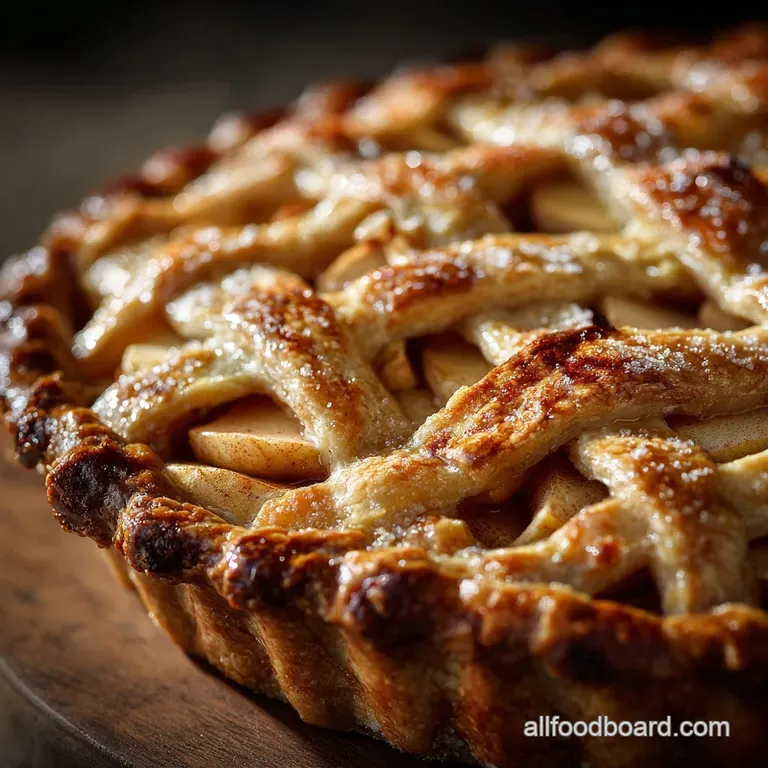
This is where the magic (and the frustration) usually happens when making an apple pie from scratch. Remember the mantra: keep everything cold.
The Cold Butter Method: Cutting Fat into Flour Without Overworking
I keep my flour in the freezer for about 20 minutes before I start. Same with the butter cubes and the water. Cold, cold, cold.
In a large bowl, whisk your chilled flour, salt, and sugar. Then, dump in those half and inch cubes of very cold butter. I use my hands it’s faster than a pastry blender, honestly and quickly pinch the butter until you have a mixture resembling coarse meal, but with lots of recognizable pea and sized chunks of butter still visible.
Those big chunks are what give you the incredible flake.
The Two and Hour Chill: Why Dough Hydration Matters
Once you slowly drizzle in the ice water (using a splash of vodka or vinegar instead of some of the water is a great trick; the alcohol evaporates, leaving the tenderness without the gluten development!), mix only until the dough just comes together. It should look shaggy.
Divide it, pat it into two discs, wrap it tightly, and put it away. Two hours minimum. This isn't just about re and chilling the butter; it’s about allowing the flour to fully hydrate and the gluten strands to relax. If you skip this, rolling will be a nightmare, and your crust will shrink when it bakes.
Rolling Out Without Tears: Techniques for Transferring the Base
A massive mistake I made early on was trying to delicately peel the massive dough circle off the counter. It always tore. Instead, roll the dough out to about a 12 inch circle. Flour your rolling pin lightly, and loosely roll the dough around it.
Lift the pin over the pie plate, unroll, and gently settle it into the corners. Don’t stretch it! Stretching will cause shrinkage.
Building the Core: Preparing and Baking the Ultimate Apple Pie
The Crucial Step: Briefly Softening Apples on the Stovetop
This is the non and soupy secret. Once your apples are sliced and tossed with the sugar, cornstarch, and spices, dump them into a very large skillet. Cook them over medium heat for about 5 to 7 minutes. They should soften just slightly, and you’ll see liquid start to accumulate.
Cook until that liquid has reduced down and the apples look glossy. Cool them completely (I sometimes stick the pan in the fridge for 15 minutes) before spooning them into the prepared bottom crust.
Master the Crimp: Ensuring a Leak and Proof Perimeter
Fill the crust, then top with those small dots of butter (they melt down and add richness). Lay the top crust over the filling. Trim the top and bottom dough so you have about a one and inch overhang, then fold the edges under themselves and tuck them against the rim of the pie plate. Crimp that edge tightly!
Use your thumb and forefinger to pinch against the knuckle of your other hand. This tight seal prevents the filling from bubbling out and burning on your oven floor. Cut your vents, brush with the egg wash, and sprinkle with Demerara sugar for that awesome crunch.
Temperature Cycling: Achieving a Golden Crust Without Burning the Edges
Preheat your oven to the 425°F (220°C) blast temperature. Crucially, put a baking sheet on the bottom rack before you put the pie in. This sheet does two things: catches drips, and heats up immediately, crisping that bottom crust beautifully.
Bake at high heat for 15 minutes. Then, drop the heat immediately to 350°F (175°C). Add those foil strips or the pie shield to protect the edges. Bake for another 45 to 55 minutes.
You know it’s done when the crust is deep golden brown and you can see the filling actively bubbling up through the vents. That bubbling means the cornstarch has fully activated.
Troubleshooting and Tweaks: Advanced Notes for Your Next Apple Pie
Storing Unbaked Dough and Handling Leftover Slices
The pastry discs can be wrapped tightly and stored in the fridge for up to three days, or frozen for up to three months. If you freeze them, thaw overnight in the fridge before rolling.
As for leftovers: always store them covered at room temperature for the first day, provided your kitchen isn't crazy hot. Refrigerating pie prematurely can often dull the flavour and toughen the crust. If you need to store it longer, wrap tightly and put it in the fridge for up to 5 days.
Adding a Twist: Bourbon Caramel or Crumble Topping Options
If you’ve mastered the classic apple pie, it’s time to play. Adding a liquid twist to the filling elevates the flavor profile dramatically.
- Bourbon Caramel: Replace the lemon juice in the filling with a tablespoon of good quality Bourbon or Calvados (apple brandy). Before assembly, drizzle a thick salted caramel sauce (about 1/4 cup) over the apples in the crust.
- The Cheese Whistle: Add 1/4 cup of grated sharp Cheddar cheese to your dry ingredients when mixing the crust. It adds an incredible savory tang.
- The Crumb Topping: Skip the top crust and use a classic streusel topping (butter, flour, brown sugar) for a softer, slightly easier finish.
The Waiting Game: Slicing the Apple Pie at the Optimal Moment
I know, I know. You just pulled this magnificent creation out of the oven, and the aroma is killing you. You want a slice right now. Resist the urge! If you cut into a warm apple pie, the filling will run all over the place. Why? Because the cornstarch hasn't had enough time to cool and solidify fully.
You must, must, must let the pie cool on a wire rack for a minimum of three hours. Four is even better. It’s brutal, but it’s the only way to get a clean slice that holds its structure. Go read a book. Clean your kitchen. Stare longingly at the pie. Just don't slice it yet.
Recipe FAQs
How do I stop my Apple Pie crust going all soggy at the bottom?
The secret to avoiding a dreaded "soggy bottom" is temperature control; place your pie plate onto a preheated baking sheet on the lowest rack, which gives the base an immediate blast of heat, and ensure you bake at the initial high temperature (425°F/220°C) for the first 15 minutes.
What are the very best apples to use for this traditional Apple Pie?
For the best flavour depth and texture, use a mix: choose two-thirds firm, tart apples like Bramley or Granny Smith for structure and tang, balanced with one-third sweeter varieties like Honeycrisp or Braeburn, ensuring they are all sliced uniformly to cook evenly.
Can I prepare the pie dough or the whole pie ahead of time for a Sunday roast?
Absolutely; the pastry discs can be prepared and kept chilled for up to three days, or you can assemble the entire unbaked pie, wrap it tightly, and freeze it for up to two months, baking it straight from frozen (just add about 20 minutes to the cook time).
Is it really that important to let the Apple Pie cool for hours before slicing?
Yes, cooling is non-negotiable! Allowing the pie to rest for at least 3 4 hours lets the cornstarch properly absorb the apple juices and set up, which prevents a runny, watery mess when you go to serve that first slice.
I'm looking for a proper British twist, what should I serve with it?
Serve your warm slice with a generous pour of warm, vanilla scented custard (Crème Anglaise), or if you want a controversial but historically authentic pairing, try adding a grating of sharp Cheddar cheese into your crust mixture for a savoury sweet tang.
Flaky Apple Pie Recipe From Scratch
Ingredients:
Instructions:
Nutrition Facts:
| Calories | 420 kcal |
|---|---|
| Protein | 4.0 g |
| Fat | 18.0 g |
| Carbs | 63.0 g |
