Slow Cooker Pulled Pork: Fall-Apart Tender Bbq Ready for Sandwiches
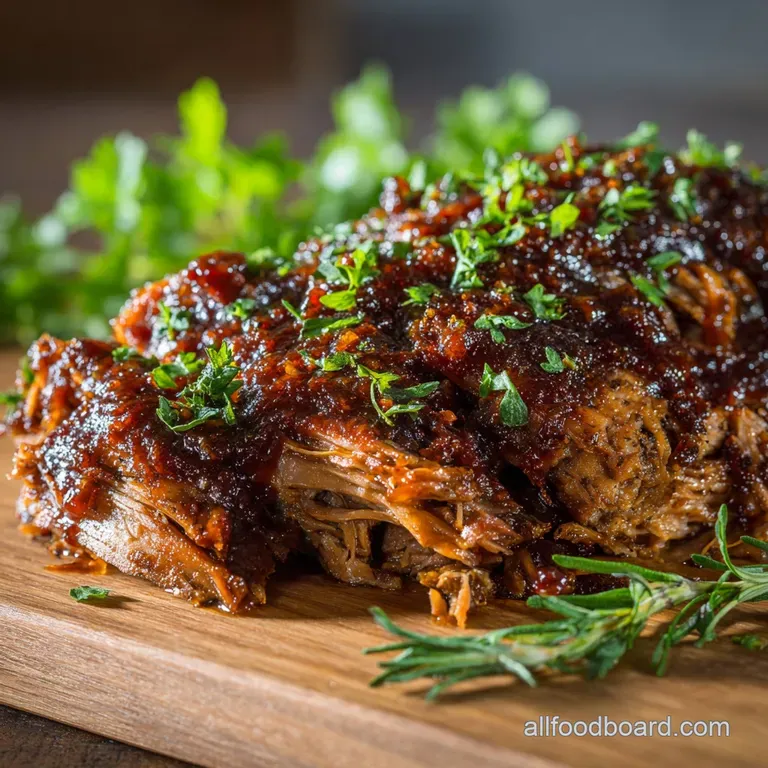
- The Ultimate ‘Set It and Forget It’ Slow Cooker Pulled Pork Recipe
- Decoding Tenderness: The Science Behind Perfect Low and Slow Pulled Pork
- Mastering the Main Cut: Essential Ingredients for Slow Cooker Pulled Pork
- From Rub to Shred: Step-by-Step Guide to Cooking Pulled Pork
- Chef’s Secrets: Optimizing Flavor and Troubleshooting Common Pulled Pork Issues
- Preservation Power: How to Store and Reheat Slow Cooker Pulled Pork
- Beyond the Bun: Creative Ways to Serve Pulled Pork
- Recipe FAQs
- 📝 Recipe Card
The Ultimate ‘Set It and Forget It’ Slow Cooker Pulled Pork Recipe
Is there anything better than walking into your house and immediately being enveloped by the sweet, smoky aroma of BBQ heaven? I’m serious, the scent of paprika and slow cooked pork shoulder is honestly an emotional experience, promising that signature melt-in-your mouth, fall apart texture that satisfies every comfort food craving.
This slow cooker pulled pork recipe is an absolute lifesaver for busy weeknights, big Sunday gatherings, or when you just need to feed a crowd without breaking the bank. It is truly the ultimate "set it and forget it" meal, requiring just a few minutes of active effort before the Crock Pot handles the heavy lifting.
You deserve this level of stress free cooking, especially when the result is this epic.
I’ve made every pulled pork mistake imaginable too dry, watery sauce, bland flavor profiles. But I finally cracked the code after countless attempts, and now I’m sharing the definitive, foolproof method that works every single time.
Grab your Boston butt, check your pantry, and let’s get this glorious, smoky process started!
Decoding Tenderness: The Science Behind Perfect Low and Slow Pulled Pork
The Anatomy of Perfectly Shredded Pork
We choose pork shoulder because it’s inherently tough, meaning it's loaded with connective tissue and collagen. Tough is actually good news for a slow cooker. That collagen is key, because when it’s heated gently over a long period, it transforms into gelatin, lubricating the muscle fibers from the inside out.
This is what gives you that incredible, unctuous mouthfeel that makes slow cooker pulled pork shoulder so addictive.
Why the Slow Cooker Beats the Smoker (Sometimes)
Look, I love the smoke ring you get from a 12 hour barbecue session, but who has time for that on a Tuesday? The slow cooker creates an intensely moist, contained environment that acts like a built-in steamer. This guarantees tender results, regardless of how often you peek under the lid, making this version infinitely easier than my favorite outdoor method for Fall Dinner Recipes: Ultimate Cider Braised Pork Shoulder for a Cozy Sunday Roast .
What Makes This Recipe an Absolute Must Try
We utilize three distinct flavor layers: a potent, smoky dry rub that creates the foundation, a quick, intense sear that builds complexity, and a minimal, acidic braising liquid. This trifecta ensures your pork isn't just tender, but truly flavorful.
Many recipes skip the sear, and honestly, they miss out on 80% of the flavor potential.
Achieving the Maillard Reaction with a Pre-Sear
The Maillard reaction is just a fancy term for browning, but it’s critical. High heat causes the amino acids and sugars on the meat’s surface to chemically transform into hundreds of new flavor compounds.
Searing for just a few minutes per side creates a beautiful, dark, flavorful crust that holds up to the long cook time, deepening the final taste profile dramatically.
How Collagen Breaks Down into Gelatin
To get pork that absolutely falls apart the key temperature isn't 165°F like a loin, it’s 200°F to 205°F. This sustained, higher temperature is necessary for that tough collagen to fully dissolve into silky gelatin.
If you pull it too early, you end up with dry, chewy slices instead of glorious shreds.
The Role of Acid in the Braising Liquid
The small amount of apple cider vinegar in the braising liquid isn't just for a Carolina style twang; it actually helps the breakdown process. Acid works to slightly tenderize the surface of the meat and balances the richness of the fatty pork.
It’s a tiny addition that makes a huge difference in the final product’s complexity.
Mastering the Main Cut: Essential Ingredients for Slow Cooker Pulled Pork
Pork Shoulder vs. Pork Butt: Choosing the Best Cut
When you're shopping for slow cooker pulled pork, you want the shoulder specifically, the cut often labeled "Boston Butt." Despite the confusing name, it comes from the upper shoulder of the pig and is perfectly marbled with enough fat to guarantee moisture during the long, slow cook.
I recommend bone-in if you can find it; the bone adds flavor and helps regulate temperature.
Building the Essential Dry Rub Components
The dry rub is the backbone of flavor for this recipe, creating that deep, smoky crust. The non-negotiable elements are salt (always kosher!), brown sugar for caramelization, and smoked paprika for that authentic barbecue depth. I mix mine in bulk sometimes, just so I always have some ready for tacos or even a quick Slow Cooked Turkey Leg with Honey Glaze Tender Sticky Fall Apart Meat later on.
Substitutions for Braising Liquid and Sweeteners
Life happens, and sometimes you don’t have exactly what the recipe calls for. Don't sweat it. This recipe is flexible, but always try to maintain the balance of sweet, smoky, and acidic elements.
| Ingredient | Viable Substitution | Why It Works |
|---|---|---|
| Pork Shoulder (Boston Butt) | Whole Pork Picnic Roast (trim excess fat) | Similar marbling, requires more cooking time. |
| Dark Brown Sugar | Honey or Maple Syrup (use slightly less) | Provides the necessary sugars for the rub and sear. |
| Apple Cider Vinegar | White Wine Vinegar or Diluted Lemon Juice | Supplies the acidic element needed for tenderization and balance. |
| Chicken Stock | Water or Lager/Dark Beer | Adds moisture; beer offers malt depth and helps tenderize. |
The Simple Secret to a Flavorful Braising Base
The secret is using the searing pan to deglaze. After you sear the pork, you'll see delicious, brown fond stuck to the bottom of your skillet. Pouring the stock and vinegar mixture into that hot pan and scraping those bits up incorporates pure flavor right into your minimal braising liquid.
Trust me on this it’s the step that separates great pulled pork from good pulled pork.
From Rub to Shred: step-by-step Guide to Cooking Pulled Pork
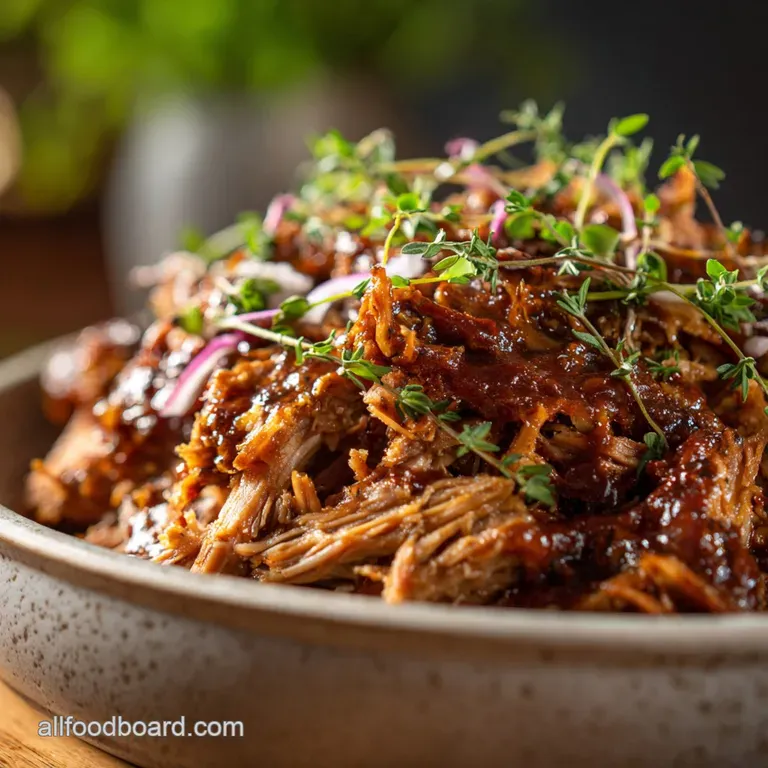
Preparing the Pork and Applying the Dry Rub
First things first: pat that pork dry. Remove the 4 5lb pork shoulder from its packaging and use paper towels to remove all surface moisture. This is crucial for achieving a great crust if you plan to sear it.
Next, combine your dry rub ingredients thoroughly, and then generously massage that spice mix onto every surface of the pork. Don’t be shy; you want a thick, even coating for that awesome flavor crust.
The Optional, But Recommended, Searing Stage
Heat 1 Tbsp of neutral oil in your Dutch oven or heavy skillet over medium high heat until it’s shimmering hot. Carefully place the rubbed pork shoulder in the pan and sear for 2– 3 minutes per side until you have a deep, mahogany brown crust.
Once seared, immediately transfer the pork to the slow cooker bowl.
Chef’s Note: Searing adds tremendous flavor depth that the slow cooker simply cannot replicate. If you have 10 minutes, do this step. If not, don’t stress, but know you’re missing out on some incredible flavor complexity!
Setting the Slow Cooker and Monitoring Temperature
Pour the liquid mixture stock, vinegar, and any deglazed pan bits over the pork. You only need about half an inch of liquid in the bottom of the slow cooker; do not submerge the meat.
Cover the slow cooker and cook on LOW for 8 to 10 hours . I always go low and slow when possible because it allows that collagen breakdown to happen gently and perfectly.
When is the Pork Actually Done? I know you want it to be fall apart tender. The internal temperature must register at least 200°F (93°C) on a meat thermometer. If you try to pull it out at 180°F, it will fight you.
The Final Shredding Technique and Reincorporating Juices
Once the pork hits 200°F and is fork tender, carefully lift it out of the slow cooker and onto a large cutting board. Tent it loosely with foil and let it rest for 15 minutes. This rest is non-negotiable because it redistributes the juices, preventing dry pulled pork.
Reserve about ½ cup of the cooking liquid, discarding the rest and any obvious fat caps. Shred the pork using two sturdy forks or shredding claws, removing any large chunks of visible fat or gristle.
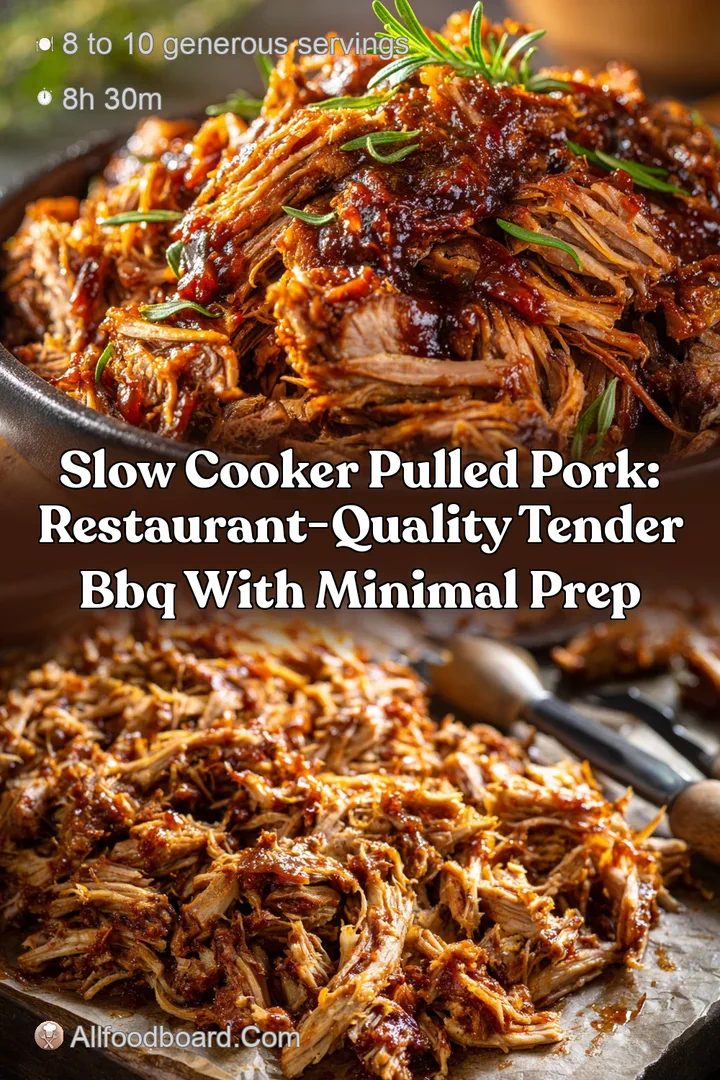
Return the shredded pork to the slow cooker (or bowl), add your favorite BBQ sauce, and add 2 3 Tbsp of the reserved cooking liquid to bring back moisture. Toss it all together, and enjoy those slow cooker pulled pork sandwiches!
Chef’s Secrets: Optimizing Flavor and Troubleshooting Common Pulled Pork Issues
When is the Pork Actually Done? (Temperature Guide)
While safety regulations usually target 165°F, for textural success with pulled pork, the sweet spot is 200°F to 205°F (93°C 96° C) . At this temperature, the collagen has fully rendered.
If you can poke the meat with a fork and it offers no resistance, it’s done. If it still feels springy, give it another hour.
Preventing Dry Pulled Pork: Liquid Management
The number one mistake people make is pouring too much liquid into the slow cooker, thinking they need to keep the pork wet. The pork shoulder itself releases tons of fat and water. Too much external liquid steams the meat instead of gently braising it, diluting the flavor.
Always use minimal liquid, only covering the bottom of the slow cooker.
Fixing Pork That Won't Shred
If your pork has reached 200°F but still resists shredding, it likely didn't have enough time to rest, or you pulled it out of the slow cooker too early. If it's the latter, simply put the meat back into the slow cooker for another hour on low, adding a splash more stock if the liquid is gone.
If it’s already shredded but seems dry, the fix is easy: add 1/4 cup of the reserved cooking liquid (the fatty, concentrated stuff) back into the shredded meat before saucing.
Preservation Power: How to Store and Reheat Slow Cooker Pulled Pork
Safe Refrigeration Guidelines for Cooked Pork
Cooked pulled pork can be safely stored in an airtight container in the refrigerator for 3 to 4 days . I prefer to store the meat already tossed with the BBQ sauce, as the sauce acts as another layer of protection against drying out. Always chill the pork within two hours of cooking.
Best Practices for Freezing Large Batches
Pulled pork freezes brilliantly! This is why I always make a huge batch. Separate the pork into meal sized portions and place them in freezer safe bags or containers. Pour a tablespoon or two of the reserved cooking liquid or a little extra BBQ sauce over the meat before sealing.
This protective layer of fat/moisture helps prevent freezer burn and keeps the meat juicy when thawed. It will keep well for 3 months.
Reheating Without Sacrificing Moisture
The key to reheating is gentle heat.
- From Frozen: Thaw overnight in the fridge.
- Oven Method (Best): Place the pork in an oven safe dish, cover it tightly with foil, and reheat at 300°F (150°C) for 20– 30 minutes until piping hot.
- Stovetop: Reheat gently in a covered pot over low heat, adding a splash of stock or water to prevent sticking. Never blast it in the microwave unless you enjoy sad, tough pulled pork.
Beyond the Bun: Creative Ways to Serve Pulled Pork
Of course, the classic Crock Pot Pulled Pork Sandwiches piled high on a brioche bun with coleslaw is unbeatable. But sometimes you need to mix it up, especially if you batch cook.
- Pulled Pork Tacos: Skip the BBQ sauce and instead finish the pork with lime juice and a dusting of cumin for killer slow cooker pulled pork for tacos . Serve with pickled onions and cilantro.
- Loaded Baked Potatoes: Stuff baked potatoes with the sauced pork and top with sour cream and sharp cheddar.
- BBQ Bowls: Serve the pork over rice or grits with a side of Southern Black Eyed Peas Dish Traditional SlowSimmered Recipe for a hearty, traditional meal.
- Nachos: Spread tortilla chips with shredded cheese, then load them up with pork, jalapeños, and bake until melted. Serve with guacamole.
Recipe FAQs
What is the best cut of pork to use for the slow cooker?
The best cut is the pork shoulder, often labeled as Boston Butt or Picnic Shoulder. This cut is rich in connective tissue and fat, both of which render down during the long, slow cooking process to keep the final meat incredibly moist and tender.
Avoid leaner cuts like pork loin, as they will dry out easily in the slow cooker environment.
Why is my pulled pork dry or tough, even after cooking all day?
Dryness or toughness usually means the pork has not yet reached the critical temperature required to fully break down the collagen. Ensure the internal temperature reaches 200 205°F (93 96°C) for maximum tenderness, which allows the muscle fibers to separate easily.
If your pork is already shredded but seems dry, stir in a little extra braising liquid, barbecue sauce, or apple cider vinegar to rehydrate it.
Is searing the pork shoulder before slow cooking truly necessary?
While not strictly mandatory for safety or tenderness, searing significantly enhances the flavor of the final dish. Searing creates the Maillard reaction, developing a layer of complex, savory crust that provides a deep, foundational flavor.
A quick sear (2 3 minutes per side) before placing the meat in the slow cooker is highly recommended by experts.
Do I need to add any extra liquid to the slow cooker?
Yes, you need a small amount of liquid to prevent scorching and to create the necessary steam for tenderizing the meat. However, since pork shoulder releases a significant amount of moisture and fat as it cooks, you generally only need about 1/2 to 1 cup of liquid, such as apple cider vinegar, beer, or chicken broth.
This ensures a humid cooking environment without drowning the meat.
How do I know when the pulled pork is truly done?
Pulled pork is done by texture, not just by time; it should be fork tender and reach an internal temperature between 200°F and 205°F (93 96°C). The meat should offer almost no resistance when tested with a fork, indicating that the fat and collagen have completely dissolved.
If you have to fight to pull the meat apart, it needs more cooking time.
Can I use this recipe method to create a different flavor profile, like tacos instead of BBQ?
Absolutely; the slow cooker method is highly versatile, and the flavor is determined solely by the rub and the finishing liquid. To make carnitas, skip the BBQ rub and use a combination of cumin, oregano, and chili powder in the initial step.
Then, finish the pulled meat with lime juice, orange zest, and a little braising liquid instead of barbecue sauce.
How should I store and reheat leftover pulled pork?
Leftovers should be stored in an airtight container and refrigerated for up to 4 days. For longer storage, freeze the pulled pork in portions, ideally stirring in a small amount of the cooking liquid or finishing sauce to maintain moisture when thawing.
Reheat gently in a saucepan or microwave, adding a splash of liquid if it appears dry.
Easy Slow Cooker Pulled Pork Recipe
Ingredients:
Instructions:
Nutrition Facts:
| Calories | 511 kcal |
|---|---|
| Protein | 39.3 g |
| Fat | 37.2 g |
| Carbs | 4.6 g |
