Mongolian Beef: Velvety Glazed Steak
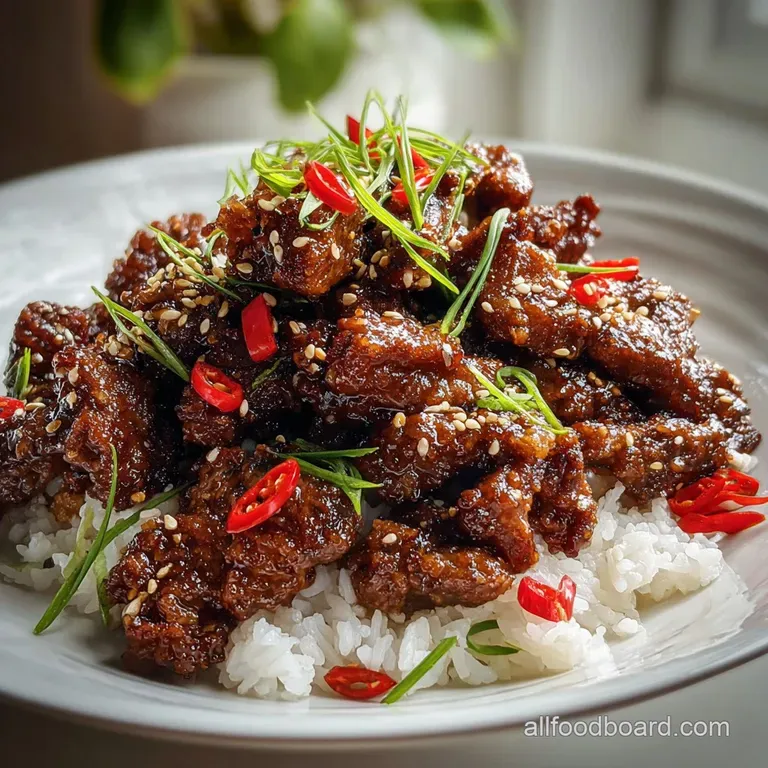
- Time: Active 10 minutes, Passive 10 minutes, Total 20 minutes
- Flavor/Texture Hook: Shatter crisp beef edges with a velvety molasses rich glaze
- Perfect for: Busy weeknight dinners when you crave high-quality takeaway at home
- Recreating The Best Mongolian Beef
- Keys To A Sticky Glaze
- Preparation And Cook Time Data
- Essential Ingredients And Smart Swaps
- The Best Tools For Stir Fry
- The Cooking Process Step By Step
- Avoiding Common Stir Fry Errors
- Easy Swaps For Every Diet
- Debunking Stir Fry Myths
- Storage And Leftover Management Tips
- Plating For The Visual Wow
- Very High in Sodium
- Recipe FAQs
- 📝 Recipe Card
Recreating The Best Mongolian Beef
That specific sizzle when the cold beef hits the shimmering oil is a sound I’ll never get tired of. It’s followed almost immediately by the sharp, spicy aroma of fresh ginger and garlic waking up in the pan, a scent that honestly makes my neighbors knock on the door asking what's for dinner.
I remember the first time I tried making this at home; I used a cheap cut of meat and regular soy sauce, and let’s just say it was a salty, chewy disaster that ended with us ordering pizza.
Since then, I’ve spent years tinkering with the ratios to get that perfect balance of sweet and salty without spending a fortune on high end steak. The secret isn't in a fancy wok or an expensive ingredient, but in how we treat the beef before it even sees the flame.
We want that specific "shatter" when you bite into the edges, followed by a tender, melt in-your mouth interior that feels like something you'd pay $30 for at a bistro.
We’re going to use the "dry velveting" method today, which is just a fancy way of saying we’re going to coat the meat in cornstarch to create a barrier. This protects the protein fibers from the intense heat and gives the sauce something to grab onto.
Trust me, once you see how that dark brown sugar melts into the soy sauce to create a glossy, deep mahogany glaze, you’ll never look at a takeaway menu the same way again.
Keys To A Sticky Glaze
The Starch Barrier: Cornstarch absorbs the surface moisture of the beef, creating a thin, protective crust that browns quickly while keeping the interior tender. This also acts as a built in thickener for the sauce the moment the liquids hit the hot pan.
The Science of the Shatter Crisp Coating: High heat triggers the Maillard reaction on the starch dusted beef, creating a crispy exterior before the internal proteins can toughen or overcook. This contrast between the crunchy shell and velvety center is the hallmark of a professional grade stir fry.
| Comparison Metric | Classic Takeaway | This Budget Smart Version |
|---|---|---|
| Beef Cut | High end Flank | Flank or Sirloin Tip |
| Cooking Time | 20-30 mins | 20 minutes total |
| Sodium Level | Very High | Controlled (Low Sodium Soy) |
| Texture | Deep Fried | Flash Seared (Lighter) |
The internal texture of your steak is just as important as the glaze. If you use this Mongolian Beef Recipe as your baseline, you'll notice it's all about the thinness of the slice. Cutting against the grain is non negotiable here; it breaks up those long muscle fibers so the beef stays tender instead of turning into leather.
Preparation And Cook Time Data
Getting the timing right is the difference between a soggy mess and a crisp masterpiece. Because we are working with such high heat, there is no time to chop while you cook. Everything needs to be lined up and ready to go before that first drop of oil hits the pan.
| Beef Thickness | Internal Temp | Rest Time | Visual Cue |
|---|---|---|---|
| 1/8 inch | 145°F | 2 minutes | Edges turn deep mahogany |
| 1/4 inch | 150°F | 3 minutes | No pink visible on surface |
| 1/2 inch (Too thick) | 160°F | 5 minutes | Likely to be chewy/tough |
Chef Note: If you have a few extra minutes, pop your flank steak in the freezer for 15 minutes before slicing. It firms up the fat and muscle, allowing you to get those paper thin, restaurant style strips with almost zero effort.
Essential Ingredients And Smart Swaps
I’ve made this with everything from expensive ribeye to the most basic supermarket steak. The beauty of this dish is that the sauce is the star, so we can be a bit more strategic with our grocery budget.
- 1.5 lbs flank steak: Sliced thin against the grain. Why this? It has a bold beefy flavor and the perfect lean to fat ratio.
- 0.5 cup cornstarch: For that signature coating.
- 0.5 cup neutral oil: Think canola or vegetable oil.
- 0.5 cup low sodium soy sauce: Essential for controlling the salt.
- 0.5 cup water: To thin the glaze so it doesn't become candy.
- 0.75 cup dark brown sugar: For deep, molasses rich sweetness.
- 2 tsp fresh ginger: Minced finely.
- 3 cloves garlic: Minced or pressed.
- 2 bunches green onions: Cut into 2 inch pieces.
- 1 tsp toasted sesame oil: For that nutty finishing aroma.
| Original Ingredient | Substitute | Why It Works |
|---|---|---|
| Flank Steak | Sirloin Tip | Lean and easy to slice thin. Note: Slightly less tender, so slice even thinner. |
| Dark Brown Sugar | Light Brown + 1 tsp Molasses | Replicates the deep color and complex sweetness. |
| Low Sodium Soy Sauce | Tamari | Keeps it gluten-free while maintaining that rich umami hit. |
I often rotate this into our family dinner schedule alongside my Ground Beef Stuffed recipe because it's so reliable. If you find flank steak is too pricey this week, grab a sirloin tip roast and just slice it across the grain. The cornstarch will do the heavy lifting to keep it tender.
The Best Tools For Stir Fry
You don't need a professional wok to make this happen. In fact, a large heavy bottomed skillet (like a cast iron or a high-quality stainless steel pan) often works better on standard home stovetops because it retains heat more consistently than a thin wok.
Analyzing The Heat Distribution
A heavy skillet provides a larger surface area in direct contact with the burner. This is vital because when you add 1.5 lbs of cold beef, the pan temperature drops instantly. A thicker pan acts like a heat battery, recovering faster so the beef sears instead of steaming in its own juices.
Managing The Oil Surface
You'll want a splatter screen if you have one. Because we’re using 0.5 cup of neutral oil to get that "shallow fry" effect, things can get a bit messy. A long handled spatula or kitchen tongs are also essential for flipping the beef strips individually to ensure they don't clump together into one giant meatball.
The Cooking Process step-by-step
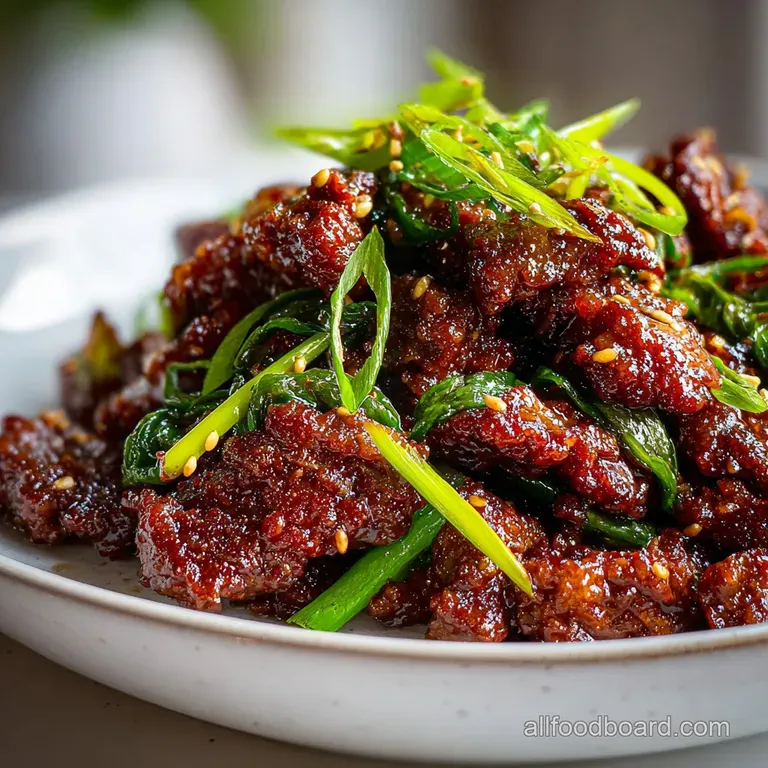
- Prep the beef. Slice your 1.5 lbs flank steak into thin strips, roughly 2 inches long.
- Coat thoroughly. Toss the steak strips in 0.5 cup cornstarch in a large bowl. Note: Shake off the excess so the oil stays clean.
- Heat the oil. Add 0.5 cup neutral oil to your pan over medium high heat until it shimmers and a pinch of flour sizzles instantly.
- Sear the meat. Add the beef in batches to avoid crowding. Cook for 2 minutes until the edges are crispy and golden brown.
- Drain and rest. Remove the beef to a paper towel lined plate and pour out all but 1 tablespoon of oil.
- Sauté aromatics. Add 2 tsp minced ginger and 3 cloves minced garlic. Cook for 30 seconds until fragrant but not browned.
- Build the sauce. Pour in 0.5 cup low sodium soy sauce, 0.5 cup water, and 0.75 cup dark brown sugar.
- Simmer to thicken. Bring the mixture to a boil for 2-3 minutes until the sauce thickens and coats the back of a spoon.
- Combine. Return the beef to the pan along with the 2 bunches of green onions.
- Final finish. Toss for 1 minute to glaze everything, then stir in 1 tsp toasted sesame oil until the aroma fills the room.
Avoiding Common Stir Fry Errors
Stir frying seems simple, but it's a game of seconds. The most common mistake I see is people being too timid with the heat. If the pan isn't hot enough, the cornstarch won't crisp up; it will just turn into a gummy paste.
Preventing A Soggy Coating
If your beef comes out soft rather than crispy, you likely crowded the pan. When too much meat is added at once, the temperature of the oil drops, and the moisture from the meat escapes, effectively boiling the beef. Work in two or even three batches to keep that heat high.
Rescuing A Too Thick Sauce
Because of the sugar content and the cornstarch from the beef, the sauce can turn into "lava" very quickly if left too long. If it looks more like caramel than sauce, simply whisk in 1-2 tablespoons of hot water to loosen it back up to a velvety consistency.
| Problem | Root Cause | Solution |
|---|---|---|
| Tough Beef | Sliced with the grain | Always slice against the grain to shorten muscle fibers. |
| Salty Sauce | Regular soy sauce used | Dilute with a splash of water and a squeeze of lime juice. |
| Clumpy Meat | Added to pan too fast | Drop pieces in one-by-one and don't stir for the first 30 seconds. |
Common Mistakes Checklist
- ✓ Pat the beef dry with paper towels before tossing in cornstarch (prevents clumping).
- ✓ Let the oil heat for at least 3 minutes before the first batch of beef.
- ✓ Don't skip the water in the sauce; the sugar needs it to dissolve properly without burning.
- ✓ Use fresh ginger and garlic the powdered stuff just doesn't provide the same aromatic punch.
- ✓ Add the green onions at the very end so they stay bright and snappy.
Easy Swaps For Every Diet
Scaling this recipe is straightforward, but you have to watch the sugar and salt balance. If you're doubling the recipe for a crowd, don't just double everything. Use 1.5x the salt and sugar first, then taste. Liquids usually don't need to be fully doubled as they don't evaporate as fast in a larger volume.
Creating Mongolian Beef Noodles
If you want to turn this into a one pan meal, boil some lo mein or udon noodles separately. After step 9, toss the cooked noodles directly into the pan with an extra splash of soy sauce and water. It’s a great way to stretch the meat and feed more people on a budget.
Developing A Mongolian Ground Beef Recipe
If flank steak is out of the budget, use 1.5 lbs of lean ground beef. Brown it in the pan until crispy, drain the fat, and then follow the sauce steps. You won't get the cornstarch "shatter," but you'll get all that incredible flavor in about 10 minutes. It's a staple in my house for busy Tuesdays.
Decision Shortcut
- If you want it spicy: Add 1 tsp of red chili flakes or a tablespoon of Sambal Oelek to the aromatics.
- If you want it healthier: Double the green onions and add steamed broccoli florets at the end.
- If you want it extra crispy: Double dredge the beef by dipping in cornstarch, then a tiny bit of water, then cornstarch again.
Debunking Stir Fry Myths
One big myth is that you must use a wok for "authentic" flavor. While a wok provides "Wok Hei" (the breath of the wok), most home stoves don't get hot enough to achieve it anyway. A flat bottomed skillet actually provides better heat contact for most of us.
Another misconception is that the beef needs to marinate for hours. In this specific recipe, the cornstarch coating and the intense sauce do all the work. Marinating actually adds too much moisture to the surface of the meat, making it harder to get that crispy exterior we’re looking for.
Storage And Leftover Management Tips
This dish is best served immediately because the cornstarch coating will eventually soften as it sits in the sauce. However, if you do have leftovers, they stay good in the fridge for up to 3 days. To reheat, I recommend a quick flash in a hot skillet rather than the microwave.
This helps "re crisp" the edges slightly and keeps the sauce from getting gummy.
For a zero waste approach, save the white ends of your green onions! You can stick them in a glass of water on your windowsill, and they will regrow in about a week. Also, if you have leftover sauce in the pan, toss in some shredded cabbage or carrots the next day for a quick "crack slaw" lunch.
Plating For The Visual Wow
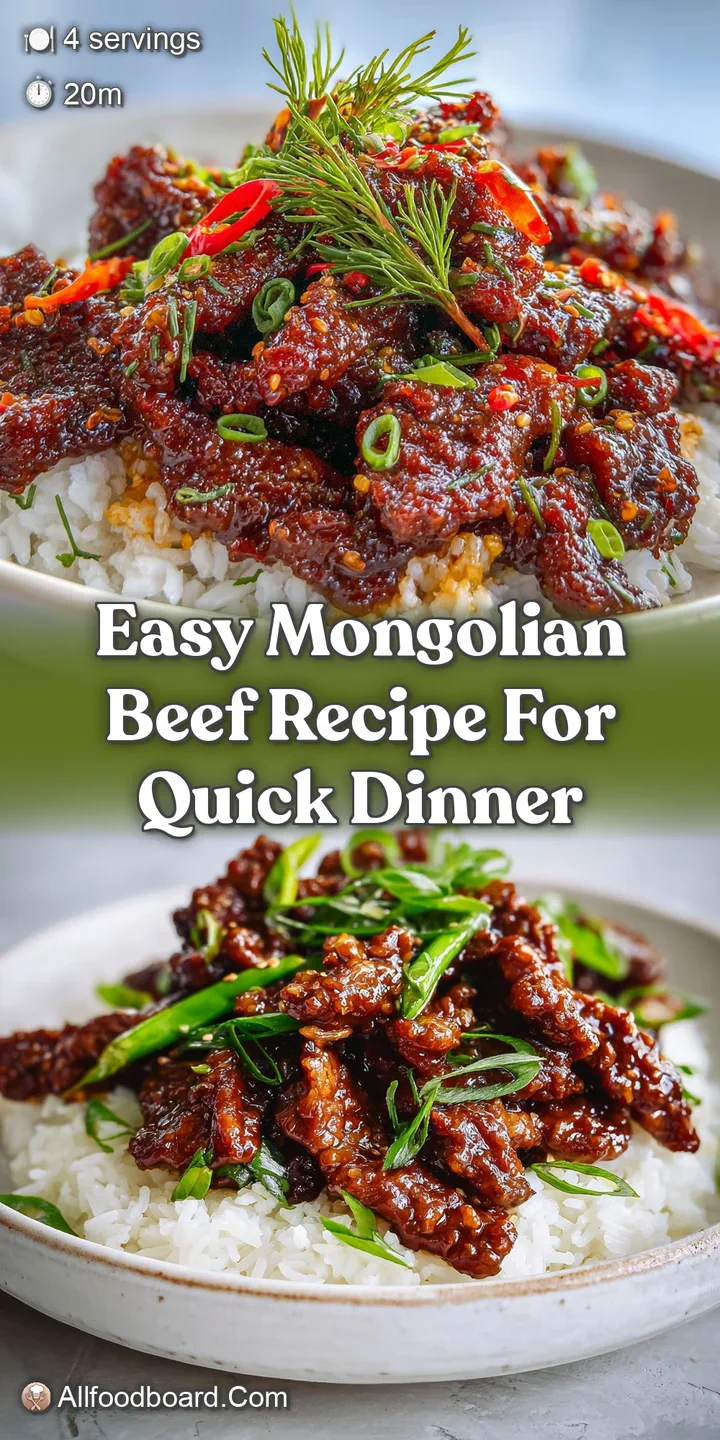
To make this look like it came from a high end bistro, serve it over a bed of fluffy white jasmine rice. The white background makes that deep mahogany beef really pop. I like to pile the beef high in the center and then scatter the green onions over the top with a heavy hand.
If you’re feeling fancy, a sprinkle of toasted sesame seeds adds a nice textural contrast and makes it look "finished." For a different vibe, try serving these inside lettuce cups with a side of my Beef Gyros Recipe for a global beef tasting night. The bright green of the lettuce against the dark, glossy beef is absolutely stunning on the table. Just make sure you serve it while it's still steaming to capture that incredible aroma!
Very High in Sodium
1420 mg mg of sodium per serving (62% of daily value)
The American Heart Association recommends limiting sodium intake to about 2,300mg per day for most adults.
Tips to Reduce Sodium in This Recipe
-
Low-Sodium Soy Sauce-25%
Replace regular soy sauce with low-sodium soy sauce. This simple swap can significantly reduce the sodium content without sacrificing flavor.
-
Dilute Soy Sauce-15%
Use half the amount of soy sauce and replace the difference with water or unsalted broth. This dilutes the sodium concentration, lessening the impact.
-
Boost Flavor with Aromatics-10%
Enhance the flavor profile by increasing the amount of fresh ginger, garlic, and green onions. These additions can compensate for the reduced saltiness.
-
Reduce Brown Sugar-5%
Brown sugar might seem like a small culprit, but lowering the amount from 0.75 cup to 0.5 cup will help to balance the saltiness of the soy sauce and decrease sodium levels.
-
Herbs and Spices
Experiment with fresh herbs and spices like black pepper, red pepper flakes, or rice vinegar to add depth and complexity to the dish without increasing sodium.
Recipe FAQs
What cut of meat is used for Mongolian beef?
Flank steak is the best choice. It has a robust beefy flavor and works perfectly when sliced very thinly against the grain for maximum tenderness.
What's the secret to tender Mongolian beef?
Dry velveting with cornstarch is the key to tenderness. Coating the thin beef slices in cornstarch creates a protective barrier that sears quickly, locking in moisture while preventing the meat from toughening over high heat.
What is the secret ingredient to Mongolian beef?
There is no single secret ingredient, but the ratio of dark brown sugar to soy sauce is crucial. This balance delivers the signature sweet, salty, and deeply caramelized glaze that clings to the beef.
What is Mongolian beef sauce made of?
The sauce combines soy sauce, brown sugar, water, ginger, and garlic. These elements are simmered until the sugar caramelizes and the cornstarch residue thickens the liquid into a glossy glaze.
How to ensure the beef gets crispy edges and not soggy?
Sear the beef in small batches over high, shimmering oil. Crowding the pan instantly drops the temperature, causing the meat to steam instead of sear, which ruins the crispy texture.
Can I substitute flank steak for a leaner cut like sirloin tip?
Yes, sirloin tip is a viable substitute if flank steak is unavailable. It's slightly less tender, so ensure you slice it even thinner than recommended, similar to the precision needed for slicing for Savory Venison Fajitas recipe.
How to make this a complete meal with noodles?
Boil your noodles separately, then toss them into the sauce during the final minute of cooking. Add an extra splash of soy sauce and water to prevent the final mixture from becoming too thick, much like preparing the sauce base for a Chow Mein recipe.
Easy Mongolian Beef Recipe
Ingredients:
Instructions:
Nutrition Facts:
| Calories | 662 calories |
|---|---|
| Protein | 37.9 g |
| Fat | 31.8 g |
| Carbs | 56.4 g |
| Fiber | 1.2 g |
| Sugar | 38.5 g |
| Sodium | 1420 mg |
