Vegetable Frittata: the Fluffy, Easy Garden Recipe Ready in 40 Minutes
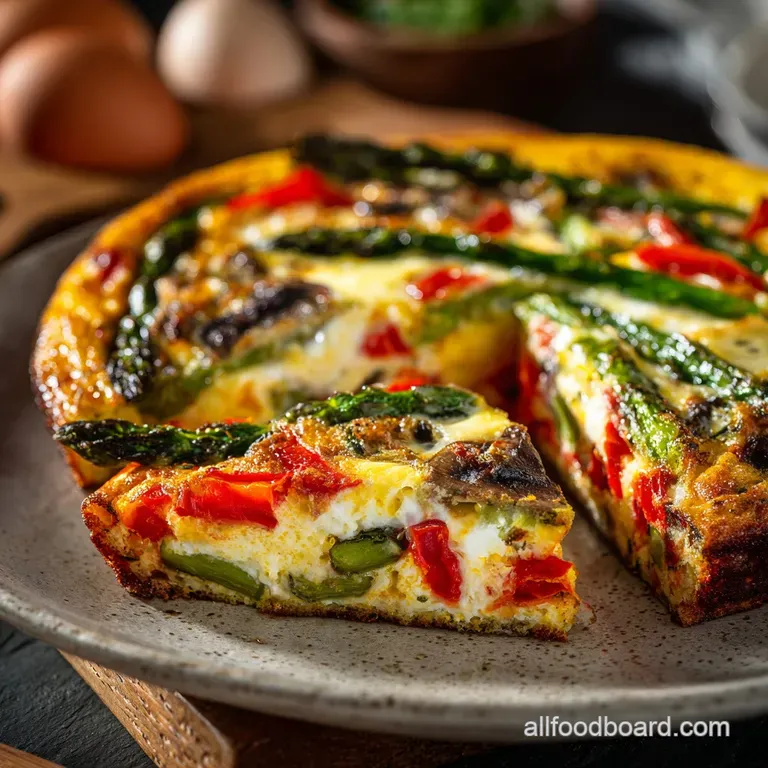
- The Versatile Appeal of a Proper Garden Vegetable Frittata
- Achieving Fluffiness: The Science Behind a Tender Frittata Texture
- Pantry Essentials for Your Garden Vegetable Frittata
- The Method: How to Bake the Perfect Fluffy Vegetable Frittata
- Troubleshooting and Expert Advice for Frittata Success
- Making Ahead: Storage and Reheating Your Vegetable Frittata
- Making it a Meal: Complementary Sides for Frittata
- Recipe FAQs
- 📝 Recipe Card
The Versatile Appeal of a Proper Garden Vegetable Frittata
The smell of a frittata baking is simply magnificent, all savory eggs, melted cheese, and the earthy aroma of garden herbs. It hits you right when you walk into the kitchen, promising that golden brown puffiness we all crave.
This isn't just scrambled eggs baked in a pan; it’s a beautiful, sophisticated wedge of pure comfort.
This recipe is genuinely a lifesaver for busy weeknights, especially when the fridge is looking sad and you think you have nothing to cook. You can take any wilting spinach, a stray bell pepper, and a few lonely eggs, and thirty minutes later, you have a high protein, satisfying meal. It’s flexible, fast, and unbelievably cheap, unlike making a complex dish like Traditional Shepherds Pie Recipe with Root Vegetable Mash .
But here’s the secret, the thing most people miss: making a truly fluffy frittata isn't about luck. It's about a handful of small, intentional techniques that guarantee a tender texture every single time. Let's crack on and talk about the simple "why" behind the magic.
Achieving Fluffiness: The Science Behind a Tender Frittata Texture
Frittata vs. Omelette: Understanding the Key Difference
The main difference is all about the finish, which is a surprisingly big deal. An omelette is lightning fast, cooked entirely on the stovetop, and folded quickly around a filling. A Garden Vegetable Frittata , however, incorporates the filling into the egg base, starts on the stovetop to set the edges, and finishes in the oven.
This oven time allows the whole mass to cook slowly and evenly, resulting in that beautiful, thick slice that holds its shape instead of dissolving into mush.
Why the Frittata is the Ultimate Meal Prep Solution
If you’re trying to eat better or save time, the frittata is your secret weapon. It slices beautifully, tastes fantastic cold or warm, and stores better than almost any other egg dish out there. It’s sturdy enough to pack for lunches all week, which is why the quick vegetable frittata is often found in my rotation right alongside my batch cooked Creamy Vegetable Soup Velvety Smooth Easy Fall Soup Recipe . Trust me, Monday morning is always better when breakfast is already handled.
How to Make a Frittata That Doesn't Stick to the Pan
This is non-negotiable: you need an oven safe, non-stick skillet, or a perfectly seasoned 10 inch cast iron pan. Do not attempt this with a stainless steel pan unless you are 100% confident in your oil layering.
When you set the edges on the stovetop, that initial heat creates a cooked barrier, making it easy to slide out once it’s rested. A tiny bit of patience here saves you a huge scraping mess later.
The Critical Role of Dairy in Egg Structure
Want to know the real reason some frittatas taste like rubber? They skipped the fat! Adding a small splash of heavy cream or whole milk to the egg base is mandatory for a truly tender, best frittata recipe .
The fat particles interfere with the egg proteins as they set, stopping them from binding too tightly together. This results in an incredibly creamy, fluffy texture instead of a tough, dry one.
Why Pre-Cooking Your Vegetables Matters
Vegetables like mushrooms, spinach, and bell peppers are full of water, just dripping with it. If you throw them raw or undercooked into the egg mixture, that water will release during the baking process, turning your beautiful vegetable frittata into a soggy, wet mess.
The key to a successful garden veggie frittata is to sauté your vegetables until they are completely dry and slightly caramelized. This concentrates their flavor and removes all the excess moisture.
Mastering the Low and Slow Oven Finish
Once the edges are set on the hob, the frittata moves to a moderate oven, typically 375°F (190°C). Finishing the vegetable frittata recipe in the oven allows the heat to hit the egg mass from all sides, ensuring the center sets at the same gentle pace as the top and bottom.
This prevents that terrible scenario where the bottom is scorched but the middle is still liquid wobble.
Pantry Essentials for Your Garden Vegetable Frittata
Selecting the Best Seasonal Greens and Sweet Peppers
This specific recipe relies on a fantastic blend of hardy bell peppers, earthy mushrooms, and quick wilting spinach. Use whatever you have! I highly recommend vibrant red or yellow peppers for color, and always use fresh herbs like thyme or chives; they make a world of difference.
Choosing the Right Cheeses for Creaminess and Flavor
We’re using salty, sharp Parmesan cheese because it melts well and provides a necessary punch of savory flavor that complements the sweet peppers. You don't need tons of cheese for this, just enough to add richness and form a beautiful golden crust on top.
Safe Swaps: Vegetable Variations and Adaptations
If you don't have exactly what the recipe calls for, don't sweat it. The beauty of the frittata is its adaptability. Just remember the crucial rule: always cook the vegetables until they are dry.
| Ingredient | Viable Substitute | Notes on Use |
|---|---|---|
| Whole Milk/Cream | Oat Milk or Half and Half | The fat is essential; avoid non-fat milk or water. |
| Parmesan | Gruyère or Sharp Aged Cheddar | These melt well and provide the necessary salinity. |
| Spinach | Kale (de-ribbed) or Chard | Cook these slightly longer than spinach to soften them up. |
| Bell Pepper | Zucchini or Broccoli Florets | Sauté zucchini until golden brown to remove moisture. |
Essential Spices and Seasonings
I keep it classic here: good kosher salt, plenty of fresh cracked black pepper, and fresh thyme or chives. If you are feeling extra fancy, a tiny pinch of nutmeg in the egg mixture really deepens the savory flavor without making the dish taste sweet.
Chef's Note: I once tried to use dried dill in a frittata and it tasted like hay. Lesson learned: for egg dishes, if the herb is going inside the mix, use fresh if possible.
The Method: How to Bake the Perfect Fluffy Vegetable Frittata
Step 1: Preparing Your Skillet and Sautéing the Vegetables
First, preheat your oven to 375°F (190°C). Then, heat your oven safe skillet over medium heat with the olive oil. Add your onions and bell peppers, cooking until they start to soften about five to seven minutes. Then, introduce the sliced mushrooms.
This is the moment of truth: Cook those mushrooms hard until all the released liquid has evaporated. Stir in the garlic and spinach just until the spinach wilts down completely, maybe one minute. Spread the glorious vegetable mixture evenly across the pan bottom.
Step 2: Creating the Rich Egg Base
In a separate bowl, whisk those eight large eggs with the milk or cream, salt, pepper, and herbs until the mixture is pale yellow and slightly foamy. You don't need a huge amount of air, just enough whisking to break up the yolks and whites thoroughly.
Stir in half of the Parmesan cheese now; this helps season the inside of the frittata.
Step 3: Combining Ingredients and Transferring to the Oven
Pour the egg base evenly over the pre-cooked vegetables in the skillet. Reduce the stovetop heat to low, ensuring the pan is sitting flat. Let it cook undisturbed for 5– 8 minutes, just until the edges are clearly setting and pulling away slightly from the pan.
I forgot once that the pan was searing hot underneath and burnt the bottom instantly; keep that heat LOW. Sprinkle the remaining Parmesan over the liquid center. Transfer the skillet directly into the preheated 375°F (190°C) oven.
Step 4: Testing for Doneness and the All-Important Rest
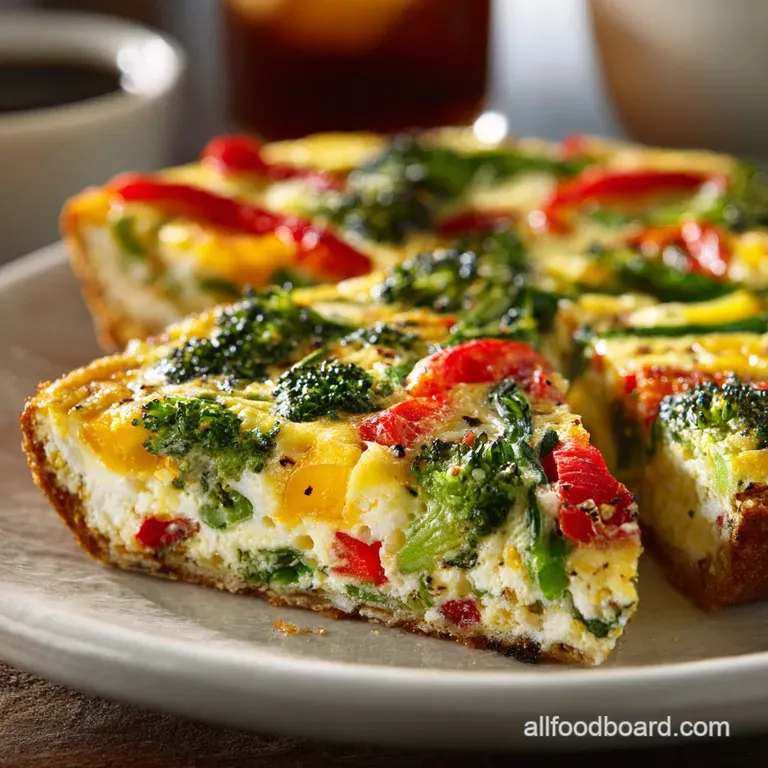
Bake your vegetable frittata recipe oven style for 12– 15 minutes. It should be puffed up nicely and beautifully golden. To test for doneness, gently jiggle the pan; if the center is completely set and doesn't wobble, it's done.
Remove the pan and, this is critical, let it rest in the pan for 5– 10 minutes. This resting period ensures a clean slice and lets the internal heat finish setting the structure.
Troubleshooting and Expert Advice for Frittata Success
Mistake 1: The Curse of the Rubber Frittata (Overcooking)
If you bake the frittata until it is completely firm and brown, you’ve gone too far, sadly. Eggs continue to cook from carryover heat after they leave the oven. To avoid the rubbery texture, pull the frittata out when the center still looks just slightly moist or soft.
The dairy we added is your primary defense against this cooking tragedy.
Ensuring Even Vegetable Distribution
If your vegetables are too bulky or heavy, they will all sink to the bottom. Make sure your vegetables are finely diced and spread out thinly in a single layer on the base of the pan before the egg mixture is poured over them.
This ensures every slice of your vegetarian frittata with herbs gets a beautiful mix of fillings.
The Best Temperature for Baking vs. Finishing on the Stovetop
While some recipes finish the frittata entirely on the stovetop and then briefly under the broiler, I prefer the 375°F (190°C) oven method. Stovetop only cooking usually requires a cover and tends to steam the frittata, while the oven provides drier, more even heat, resulting in a much lighter, fluffier texture overall.
Making Ahead: Storage and Reheating Your Vegetable Frittata
Fridge Life: Safely Storing Leftover Slices
The great news is that frittata holds up beautifully. Once it's completely cooled, slice it into wedges and store them in an airtight container in the fridge for up to 4 days. They are fantastic cold right out of the fridge, perfect for a grab and go morning.
Freezing Frittata: Techniques for Maximizing Freshness
Yes, you can freeze it! If you want to make a large batch, freeze the slices individually. Wrap each cooled wedge tightly in plastic wrap, then place those wrapped wedges in a freezer bag. They maintain their quality for about 2 months, making this an ideal freezer staple.
The Quickest Way to Reheat Without Drying Out
Do not blast your frittata in the microwave; it will turn it into a rubber brick in seconds. For the best texture, reheat a slice in a toaster oven or standard oven at 300°F (150°C) for about 8– 10 minutes until warmed through.
This brings back a lot of its original tenderness without scorching the edges.
Making it a Meal: Complementary Sides for Frittata
A good easy frittata recipe doesn't need much fuss to feel like a full meal. Pair it with simplicity. I usually just serve it alongside a simple, peppery arugula salad dressed with olive oil and lemon juice. If I'm feeling ambitious, a quick side of roasted potatoes or a small portion of my Foolproof Vegetable Quesadillas Crispy Cheesy and Ready in 35 Mins filling works perfectly. A thick slice of toasted crusty bread is always welcome too.

Recipe FAQs
Why is my frittata watery or soggy after baking?
This usually happens when vegetables high in water content (like spinach or mushrooms) are not fully pre-sautéed or dried before mixing into the eggs. Always cook down these vegetables until all their moisture has evaporated to prevent a watery bottom layer.
Drain them on a paper towel if necessary before incorporating them into the egg mixture.
What is the best type of pan to use to prevent sticking?
A heavy, oven safe, non-stick skillet (about 8 10 inches) is ideal for frittatas, as it ensures even heat distribution and easy release. If using cast iron or stainless steel, ensure you generously grease the pan with butter or oil and preheat it slightly before pouring in the egg mixture to create a protective barrier.
How should I store leftover frittata, and how long does it keep?
Cool the frittata completely, then slice and store the portions in an airtight container in the refrigerator for up to 3 to 4 days. To reheat, you can microwave slices gently, or wrap them in foil and warm them in a 300°F oven until heated through.
Can I use milk or cream instead of heavy cream for a lighter frittata?
While you can substitute whole milk, using heavy cream or half and-half significantly improves the texture, making the frittata richer and less prone to rubberiness. If using thin milk, consider adding a small amount of crème fraîche or sour cream to the egg mixture to boost the fat content and stabilize the structure.
My frittata came out dry and rubbery. What did I do wrong?
A dry or rubbery texture is the primary sign of overcooking; eggs set very quickly and continue cooking even after being removed from the heat. Remove the frittata from the oven immediately when the edges are set and the center is just barely jiggly, as the residual heat will finish the cooking process.
Over whisking the eggs can also introduce too much air, which leads to a spongier texture.
Can I prepare the vegetables ahead of time?
Yes, preparing the vegetables ahead is an excellent time saver and guarantees moisture removal. Sauté and cool all your fillings (mushrooms, peppers, spinach) up to 24 hours in advance and store them in the refrigerator. When ready to cook, whisk the eggs and assemble the frittata as directed.
Can I freeze the frittata?
While freezing is possible, it is not recommended as the eggs and vegetables can release moisture upon thawing, resulting in a slightly spongier or weepier texture. If you must freeze it, wrap cooled individual slices tightly in plastic wrap and then foil, storing for up to 2 months; thaw overnight in the fridge and reheat gently.
Easy Garden Vegetable Frittata Recipe
Ingredients:
Instructions:
Nutrition Facts:
| Calories | 466 kcal |
|---|---|
| Protein | 30.3 g |
| Fat | 27.8 g |
| Carbs | 15.1 g |
