Crock Pot Beef Stew Recipe: Easy Sunday Comfort

- Capturing the Essence of Sunday: Why This Crock Pot Beef Stew is Essential
- Unlocking Deep Umami: The Science Behind Perfect Slow-Cooked Texture
- Essential Components for A Proper Slow Cooker Beef Stew
- The Step-by-Step Method for the Ultimate Crock Pot Comfort Meal
- Troubleshooting and Expert Tips for the Best Results
- Storage Solutions: Making Your Stew Last Longer
- Beyond the Bowl: What to Serve Alongside Your Hearty Stew
- Recipe FAQs
- 📝 Recipe Card
Capturing the Essence of Sunday: Why This Crock Pot Beef Stew is Essential
The moment that smell hits you that deep, savoury, almost woody fragrance of simmering beef and root vegetables you know everything is right with the world. I swear, the aroma of a slow cooked meal is the only thing that can truly drag me out of bed on a gloomy winter morning.
This exact Crock Pot Beef Stew recipe is, without a doubt, my most requested cold weather meal, and it’s the definition of set-it and forget-it perfection.
You might think stew is complicated, something reserved for restaurant kitchens or grandmothers who have nothing but time. But trust me, my lazy approach proves that theory completely wrong!
This meal is an absolute lifesaver, delivering maximum flavor return for incredibly minimal effort, making it the perfect choice for busy weeknights or a low-stress Sunday dinner.
I’ve wasted years making tough, watery stews, trying every single "easy" trick on the internet, only to end up disappointed. Now I know the secrets: a quick sear, aggressive seasoning, and knowing exactly how to layer your ingredients.
Let's crack on and talk about how we achieve a rich, restaurant quality gravy that perfectly coats your fork tender beef in this glorious Crock Pot Beef Stew .
Unlocking Deep Umami: The Science Behind Perfect Slow Cooked Texture
People think the crock pot does all the work, but it really just handles the time. We are the flavor architects! If you simply dump raw ingredients into the machine, you’ll get a tasty, but ultimately flat, dish. We want flavor that echoes.
Low Effort, Maximum Comfort: The Slow Cooker Advantage
The beauty of the slow cooker the Crock Pot —is its gentle, prolonged heat delivery. Tough cuts of meat, like beef chuck, contain a lot of connective tissue, mainly collagen.
When cooked fast, that collagen tightens up, making the beef tough and chewy, but cooking low and slow for eight hours breaks that collagen down completely. It melts into gelatin, which is responsible for that silky mouthfeel and helps thicken the stew naturally.
This method guarantees every piece of beef in your easy crockpot beef stew will be meltingly soft.
Depth of Flavor: The Key to a Truly Satisfying Stew
We are building flavor layers, not just mixing ingredients. A crucial layer is the concentrated tomato paste; we don’t just mix it in, we "bloom" it with the onions and garlic until it darkens and smells sweeter.
This releases its sugars and intensifies the savory notes, giving the final broth a depth that screams classic beef stew recipe . Then, when we add a splash of dry red wine, we introduce crucial acidity and complexity, scraping up all those delicious brown bits from the pan.
Setting the Stage: Tools You'll Need for Stew Success
Honestly, you don’t need much. You need a sturdy 5 to 6 quart slow cooker (the eponymous Crock Pot ), which is large enough to handle the generous volume of meat and root vegetables. Beyond that, a good heavy bottomed pan, preferably cast iron or stainless steel, is vital for the pre-sear.
Don’t try to use a flimsy nonstick pan for browning; you won't get the necessary caramelization.
The Maillard Reaction Magic: Why We Brown the Stew Meat
Listen up, because this is my number one secret for the best pot beef stew you'll ever taste: You MUST sear the beef. This step triggers the Maillard reaction, which is essentially the browning and caramelization of amino acids and sugars on the surface of the meat.
This creates hundreds of new flavor compounds that simply cannot be replicated by slow cooking alone. Do not skip this step. It gives the meat a deeply savory, nutty crust that holds up to the long simmer, providing a contrast to the tender interior.
Achieving the Silky, Thick Gravy Base
I once just dumped a bag of flour into my first stew attempt and ended up with a gloopy, lumpy mess. Terrible. To get that perfect, silky gravy, we use a two-pronged attack. First, dredging the meat in flour adds an initial, light thickening agent when we sear and deglaze.
Second, we rely on the starch from the potatoes breaking down slowly over hours. If, after cooking, you still need a thicker result, use a cornstarch slurry it’s quick, efficient, and ensures a smooth, glossy finish without the lumps.
Building Layers of Fragrance: Herb Timing and Placement
Using fresh herbs like thyme and bay leaves is crucial. I find that adding them right at the beginning ensures their essential oils are fully infused into the cooking liquid over the eight hours. Quick Tip: Tie the thyme sprigs together with kitchen twine.
This makes them easy to fish out at the end, saving you the annoying job of picking little woody stems out of your beautifully finished stew. The result is a wonderfully aromatic and flavourful stew base.
Essential Components for A Proper Slow Cooker Beef Stew
Making great Crock Pot Beef Stew is about understanding how the ingredients will behave during their marathon cooking time. Everything is chosen for its structural integrity and flavor contribution.
Selecting the Perfect Cuts for Slow Cooking
When buying meat, always aim for chuck. Beef chuck is often labelled as 'stewing steak' or 'braising beef' and is cut from the shoulder. It's affordable, richly marbled with fat, and contains that high collagen content we discussed. It’s built to withstand and benefit from the long, slow heat.
If chuck is too expensive, beef shin is a wonderful, flavourful alternative, but seriously, avoid lean cuts; they will turn dry and stringy no matter how long they cook.
| Ingredient | Why It Works | Substitution Option |
|---|---|---|
| Beef Chuck | High collagen content renders into gelatin, creating tenderness. | Beef Shin or Short Ribs (require a little more trimming). |
| Russet/Yukon Gold Potatoes | High starch content helps thicken the stew naturally. | Sweet Potatoes (adds sweetness) or Parsnips (firmer texture). |
| Red Wine | Provides acidity, complexity, and helps deglaze the pan effectively. | Extra Beef Stock + 1 tbsp Balsamic Vinegar. |
| Tomato Paste | Concentrated umami and deep red colour. | Ketchup (use half the amount) or a small splash of red wine vinegar. |
Optimizing Your Root Vegetables for Sweetness and Structure
When preparing Crock Pot Beef Stew with potatoes and carrots , the cutting size really matters. Don't be shy here; you need thick, robust chunks. Carrots and potatoes should be cut into pieces at least 1 inch thick, maybe even a little larger.
If you cut them too small, they will turn into savory mush by hour six. Cutting them large ensures they hold their shape, giving you distinct bites of tender vegetable alongside the meat.
Stock vs. Broth: Choosing Your Liquid Base for Maximum Richness
I always recommend using a good quality, low-sodium beef stock over broth. Stock is generally made from bones and has a richer, thicker mouthfeel due to the released gelatin, which enhances our final gravy. Broth is lighter and primarily made from meat and vegetables.
Since we are cooking this for 8 hours, that subtle difference in initial richness makes a huge impact on the final deep flavor profile of this pot beef stew .
Adjusting for Dietary Needs: gluten-free Thickeners and Salt Control
If you need to make this stew gluten-free, simply skip the initial flour dredge on the meat. Instead, thicken the stew at the very end using a cornstarch or arrowroot slurry, as described in the instructions. Cornstarch is my preferred gluten-free thickener.
Regarding salt, since the slow cooking process concentrates liquids, always use low-sodium stock and wait until the end to adjust the final seasoning. If you salt too heavily at the start, you might end up with a painfully salty stew eight hours later.
The step-by-step Method for the Ultimate Crock Pot Comfort Meal
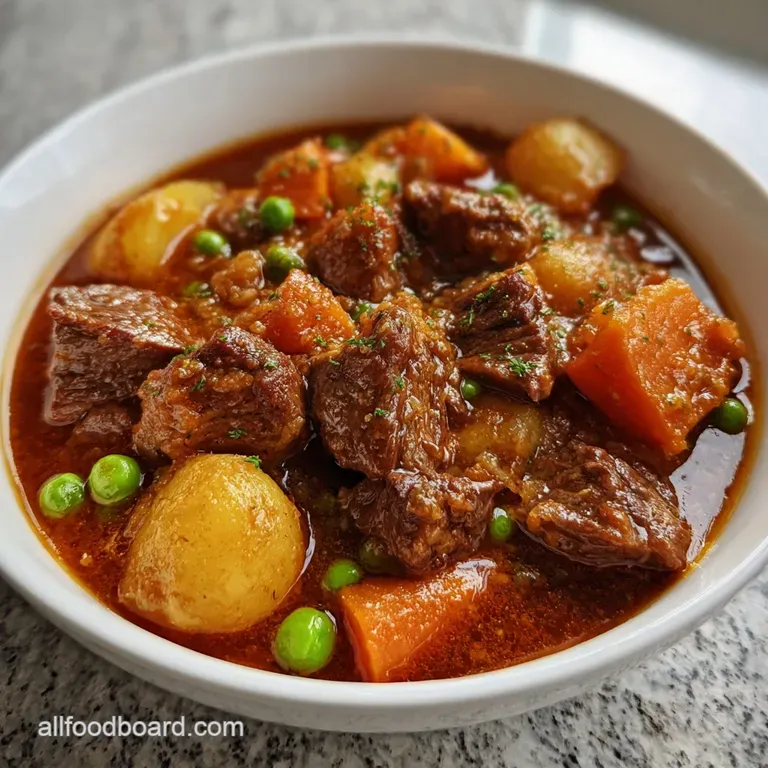
This is where we put the science into practice. Follow these steps, and you will be rewarded with a spectacular dish.
Preparation and Pre-Sear: Setting Up the Flavor Foundation
Get your beef cubes ready, dry them off with a paper towel wet meat doesn’t brown well and toss them with the flour, salt, and pepper. Heat your oil until it’s shimmering, almost smoking slightly. Sear the beef quickly, turning to get a crust on all sides.
You must do this in batches; if the pan is overcrowded, the temperature drops, and the beef will steam instead of sear. This is crucial for the best beef stew. Transfer all that gorgeous, caramelized meat directly into the slow cooker basin.
Loading the Crock Pot: Layering Ingredients for Even Cooking
I like to load the vegetables first: the large chunks of potato, carrot, and celery go on the bottom, surrounding the sides of the cooker. This prevents the beef from sitting right on the heating element and allows the root vegetables to absorb some of the liquid slowly without getting waterlogged.
Then, layer the browned beef over the vegetables.
Chef's Note: Loading the slow cooker with warm liquid (Step 3, point 4) rather than cold ensures the Crock Pot gets up to temperature faster and creates a safer cooking environment, avoiding that "temperature danger zone."
The Low and Slow Cook Cycle: Monitoring the Stew
Pour that hot, flavourful liquid base right over the top. Tuck in the bay leaves and the bundle of thyme, ensuring everything is fully submerged. Set the Crock Pot to LOW. That eight to ten-hour window is perfect.
If you need it done faster, High will work in four to five hours, but the Low setting truly maximizes the beef’s tenderness. Don’t lift that lid unless you absolutely have to! I tend to give it a quick peek after about six hours just to check on the vegetables.
Final Touches: Adjusting Consistency and Seasoning Before Serving
When the timer goes off, the first thing you must do is remove the bay leaves and thyme stems nobody wants to chew on those. Taste the broth. Does it need salt? Pepper? A dash of vinegar? Now is the time to finesse the seasoning.
If it’s too thin for your liking, whisk up your cornstarch slurry and stir it in slowly. Put the lid back on and let it cook on High for just 15 minutes. You’ll see it tighten beautifully into a rich gravy perfect for your classic Crock Pot Beef Stew .
Troubleshooting and Expert Tips for the Best Results
Preventing a Watery Stew: Handling Excess Moisture
A watery stew is the most common complaint, and it usually comes down to one of two factors: excess moisture released by the vegetables, or too much liquid added initially. If your final stew is watery, don't panic.
You have three options: (1) Use the cornstarch slurry trick; (2) Remove the lid and cook on HIGH for 30– 60 minutes to allow the excess moisture to evaporate; or (3) Take out about two cups of the broth, reduce it rapidly in a saucepan, and stir it back in.
Don't Skip the Deglaze: Scraping Up Flavor Bits
When you sear the beef, those brown bits stuck to the bottom of the pan called fond —are pure concentrated flavour. When you pour in the red wine and stock, use a wooden spoon to scrape every single particle off the bottom.
This process, called deglazing, ensures all that magnificent Maillard flavour transfers directly into the liquid base for crock pot beef stew . This single step transforms a good stew into a great one.
Why Is My Beef Tough? Temperature and Time Adjustments
If your beef is tough after 5 hours, it means the collagen hasn't broken down yet. This is normal! Toughness usually hits around the halfway mark. Just keep cooking it low and slow.
If it is still tough after 8 hours on Low, your cooking temperature might be too low, or you lifted the lid too often. The beef should be falling apart easily with a fork. Give it another hour or two. Never use a lean cut of meat, expecting tenderness.
Storage Solutions: Making Your Stew Last Longer
One of the great joys of making a huge batch of Crock Pot Beef Stew is the leftovers. They are, arguably, even better the next day, once the flavours have had time to truly mingle and deepen.
Refrigeration Guidelines and Safety Tips
Once the stew is finished, allow it to cool quickly you don't want it sitting out for hours. Divide the stew into shallow, airtight containers. It will keep safely in the refrigerator for 3 to 4 days. If the stew has cooled and you see a layer of solid fat on top, don't worry!
You can easily skim it off now for a leaner result.
How to Freeze Stew Without Compromising Texture
Beef stew freezes incredibly well, making it perfect for meal prepping. Use heavy duty freezer bags or durable airtight containers, leaving about an inch of headspace for expansion. Frozen stew maintains quality for up to 3 months.
A quick tip: Potatoes can sometimes get slightly grainy when frozen and thawed. To minimize this, you can freeze the stew without the potatoes and add freshly cooked potatoes when reheating.
Best Methods for Reheating Leftovers
The easiest way to reheat is gently on the stovetop over medium low heat, stirring occasionally until heated through. Alternatively, for single servings, the microwave works perfectly well. If the stew thickened too much upon cooling, simply add a splash of extra beef stock or even water during reheating to bring it back to the desired consistency. I often reheat a portion for lunch and eat it alongside a hearty serving of Cheesy Potatoes Recipe: The Ultimate Creamy Bake .
Beyond the Bowl: What to Serve Alongside Your Hearty Stew
A robust and comforting meal like this needs simple but substantial sides that can handle the rich gravy. This glorious Crock Pot Beef Stew stands as the star, but a good supporting cast makes the dinner a smash hit.
We always serve this with thick slices of buttered sourdough bread perfect for mopping up every last drop of the rich sauce. You can also whip up a simple batch of fluffy mashed potatoes, or perhaps a side of steamed green beans tossed with lemon zest for a bright, contrasting bite. If you're looking for another comforting classic that uses the slow cooker, you might enjoy my Crockpot Tortellini Soup: Easy Tuscan Sausage Recipe . Either way, this recipes for crock pot beef stew guarantees a satisfied silence around the dinner table.

Recipe FAQs
Is browning the beef before adding it to the slow cooker truly necessary?
While you can skip this step for maximum speed, browning the beef is highly recommended as it is crucial for developing deep, complex flavors through the Maillard reaction. This caramelization creates the rich umami base that distinguishes a 'good' stew from a 'great' one and greatly enhances the overall color of the finished dish.
Why is my Crock Pot Beef Stew too runny or watery?
Slow cookers retain almost all moisture, sometimes resulting in excess liquid if the vegetables release too much water. To thicken the stew, mix 1 tablespoon of cornstarch with 1 tablespoon of cold water (a slurry) and stir it into the stew during the last 30 minutes of cooking.
Alternatively, remove the lid for the final hour to allow some excess moisture to evaporate.
My finished stew tastes bland. How can I boost the flavor profile?
Flavor development relies heavily on proper seasoning throughout the process, but if the stew tastes flat at the end, try adding an acid like a splash of red wine vinegar or a squeeze of lemon juice.
A dash of Worcestershire sauce or a tablespoon of tomato paste stirred in can also deepen the savory umami notes quickly. Remember to taste and adjust the salt and pepper levels aggressively after the cooking time is complete.
Can I substitute the standard root vegetables (potatoes/carrots) for other ingredients?
Absolutely; this recipe is very flexible regarding vegetables. You can easily replace standard potatoes with sweet potatoes, butternut squash, or parsnips for a sweeter flavor profile and different texture.
If using softer vegetables like frozen peas or mushrooms, stir them in only during the last 30 minutes of cooking so they do not become overly mushy.
What is the recommended cooking time if I want to use a Dutch Oven instead of a slow cooker?
For a traditional oven method using a Dutch Oven, preheat your oven to 325°F (160°C) after assembling all ingredients in the pot. Cover tightly and bake for approximately 3 to 3.5 hours, or until the beef is fork tender.
Check periodically to ensure the liquid level remains adequate, adding more broth if necessary.
Can I freeze this beef stew, and what is the best method for storage?
Yes, beef stew freezes very well, though note that the potatoes might become slightly softer upon reheating. Allow the stew to cool completely, then portion it into airtight, freezer safe containers, leaving about an inch of headspace for expansion.
It will last safely for up to three months; thaw overnight in the refrigerator before reheating gently on the stove.
Crock Pot Beef Stew Easy
Ingredients:
Instructions:
Nutrition Facts:
| Calories | 929 kcal |
|---|---|
| Protein | 55.6 g |
| Fat | 44.0 g |
| Carbs | 49.8 g |
