Pork Carnitas: Crispy, Tender Mexican Street Food
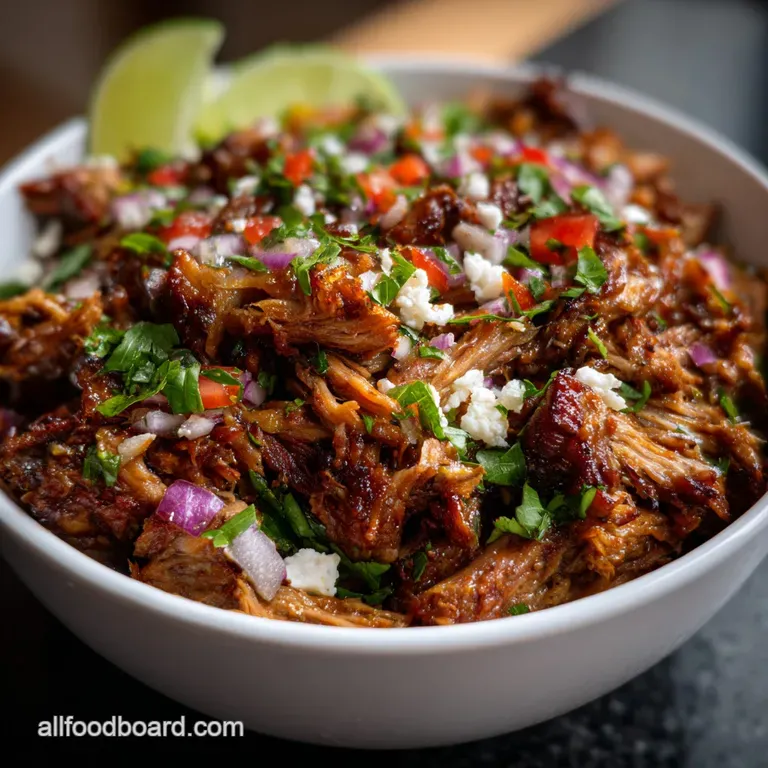
- Crispy, Tender Traditional Pork Carnitas
- Why This Works: Simple Food Science Logic
- Essential Ingredients for Traditional Carnitas
- How to Make Authentic Carnitas: Step-by-Step
- Expert Tips and Common Carnitas Mistakes
- Storing and Freezing Pork Carnitas for Later
- What to Serve with Traditional Carnitas
- Recipe FAQs
- 📝 Recipe Card
Crispy, Tender Traditional Pork Carnitas
When I say Pork Carnitas , what do you hear? I hear that deep, satisfying sizzle as the shredded edges hit the hot fat, and I smell the potent mix of slow braised orange and garlic that promises something incredible.
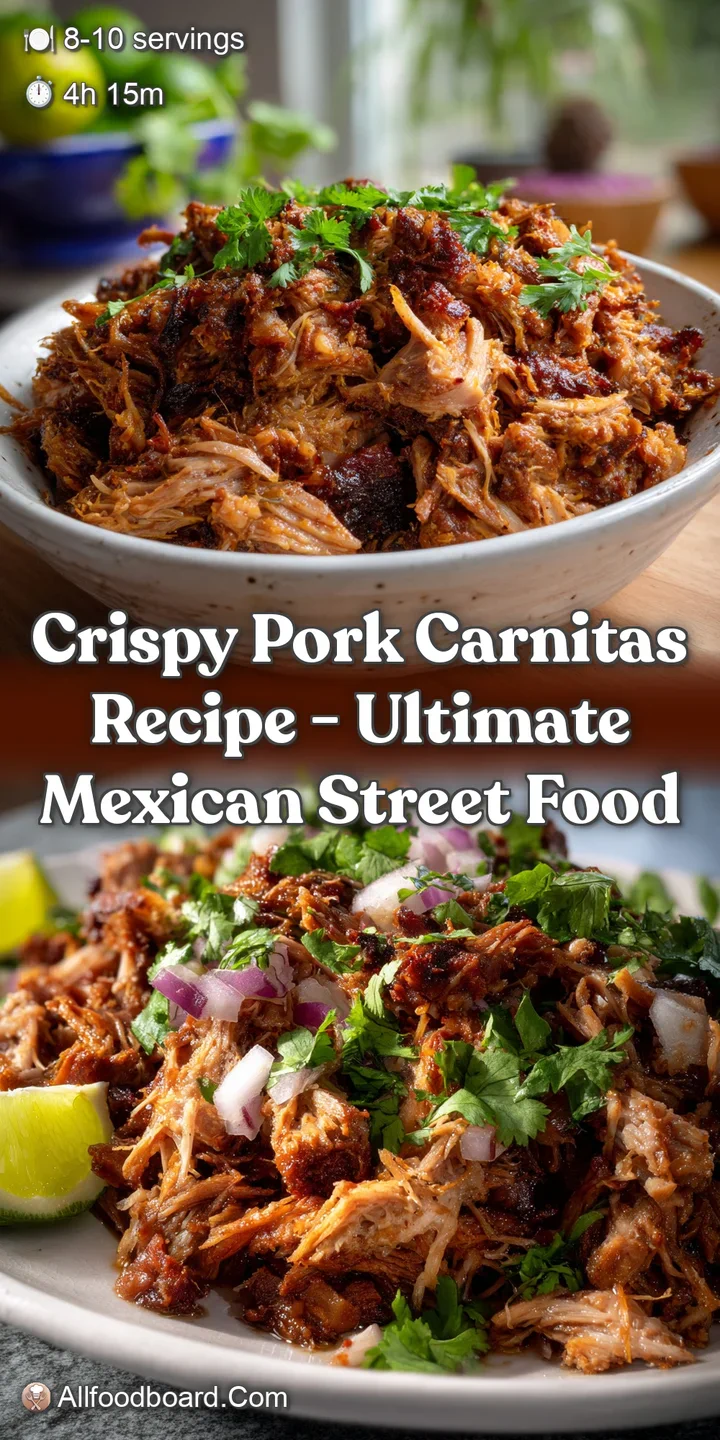
This is the ultimate promise: unbelievably tender, juicy meat with a shatteringly crispy exterior. Forget the dry, stringy stuff you’ve had before. We are making restaurant quality, authentic Pork Carnitas that truly represent the best of The Ultimate Mexican Street Food .
What Exactly Are Carnitas?
Carnitas, which literally translates to "little meats," is the original Mexican slow cooked pulled pork. Unlike American BBQ pulled pork, which relies heavily on smoke and sticky sauce, traditional Mexican Pork Carnitas are cooked confit style meaning they are gently braised, often partially submerged in their own rendered fat and lard, along with aromatics and citrus, until the meat is velvety soft.
The final, non-negotiable step? Turning those silky shreds into golden, crispy, caramelized nuggets. That’s the magic.
Why This Recipe Delivers the Best Mexican Pulled Pork
I’ve tried the quick methods, the sauce heavy methods, and the totally fat-free methods, and honestly, they miss the point. This recipe uses the Dutch oven (or cazo , if you’re being traditional) to ensure the meat stays moist while gently dissolving the collagen into gelatin. The result is pure succulence. And we aren't skipping the fat. That gorgeous, rendered fat is what gives our Pork Carnitas that signature silky richness and helps them crisp up beautifully under the broiler. This is why it’s one of the best slow cooked dinners you can make. If you’re looking for a slightly faster method than this 4 hour braise, I’ve got you covered with a pressure cooking approach over here: Fall Instant Pot Recipes: Tender Cider Pulled Pork Dinner .
Why This Works: Simple Food Science Logic
The secret to truly sublime Pork Carnitas lies in a two-stage process: tenderizing and crisping.
- Low and Slow Collagen Breakdown: Pork shoulder (Boston Butt) is tough because it’s packed with collagen. By braising it gently below the boiling point (around 200°F or 93°C) for several hours, we allow that tough, ropey collagen to slowly melt and convert into luscious, mouth coating gelatin. This transformation is what makes the meat spoon tender.
- The Confit Effect: Cooking the meat partially submerged in lard or oil (the confit method) raises the cooking temperature beyond water's boiling point, adding richness and sealing in moisture.
- Maillard Reaction Finish: Broiling the shredded meat at the very end utilizes high, dry heat. The sugars in the orange juice and the remaining meat juices caramelize quickly, creating those dark, intense, crunchy bits we all live for.
Essential Ingredients for Traditional Carnitas
The ingredient list is deceivingly simple; the real flavor punch comes from the technique. Trust me, you can't fake the flavor profile of proper Pork Carnitas .
The Best Cut of Pork for Carnitas (Pork Shoulder/Butt)
Seriously, don’t try to substitute pork loin or tenderloin here they are too lean and will dry out before the collagen has a chance to dissolve. We need the marbled fat and high collagen content of the Pork Shoulder (also called Boston Butt) to achieve that signature melt-in-your mouth texture.
Aromatics and Citrus: Building the Flavor Base
The combination of orange and lime juice provides acidity to help the tenderizing process and injects a bright, essential flavor that defines Pork Carnitas: The Ultimate Mexican Street Food .
Ingredient Substitutions and Variations
| Ingredient | Why It’s Used | Smart Substitution | Caveat/Adjustment |
|---|---|---|---|
| Pork Shoulder (Boston Butt) | Marbling and high collagen for tenderness. | Lamb Shoulder or Beef Chuck Roast (for similar fat content). | Increase braising time slightly for beef; results won’t be traditional Carnitas but will be fork tender. |
| Lard | Richness, authentic flavor, and high smoke point for searing. | Duck fat or a high-quality shortening like Crisco, or Canola/Vegetable oil. | Oil works but lacks the depth of flavor that lard provides. |
| Orange and Lime Juice | Acidity for tenderizing and flavor complexity. | Grapefruit juice or a mix of lemon and water. | Use less lemon, as it can be overly sharp compared to orange. |
| Dried Mexican Oregano | Earthy, savory Mexican flavor profile. | Marjoram (has a similar floral sweetness). | Italian oregano is often stronger and slightly bitter; use half the amount. |
How to Make Authentic Carnitas: step-by-step

This isn't hard, but it takes time. Put on some music, pour yourself a drink, and enjoy the smells that will soon fill your entire house.
- Prep and Season the Meat: Cut your 5 lb pork shoulder into large, 2 inch uniform chunks. This ensures even cooking. Toss the chunks aggressively with the kosher salt, pepper, cumin, and Mexican oregano. You need this seasoning to penetrate deeply.
- Render Fat and Sear: Heat that cup of lard (or oil) in your heavy Dutch oven until it shimmers. Working in batches (don’t overcrowd!), sear the pork chunks until they achieve deep, golden brown crusts. This isn't just color; this is flavor building it’s the Maillard reaction beginning. Remove the gorgeous chunks and set them aside.
- Build the Braising Base: Add your quartered onion and smashed garlic cloves to the pot, letting them caramelize gently in the remaining fat. They should smell sweet and soft, about 5 minutes.
- Tuck the Pork In: Return all the seared pork to the pot. Add the orange juice, lime juice, and bay leaves. Now, pour in the water or broth until the liquid comes about two-thirds of the way up the meat. You are tucking the meat into a luxurious, fatty, acidic bath.
- Braise, Braise, Braise: Bring the liquid to a very gentle simmer. Cover the pot tightly (a crucial step!), reduce the heat to the lowest setting your stove offers, and let it cook for 3.5 to 4 hours. The Pork Carnitas are done when you can lift a piece with a fork and it immediately starts to fall apart.
- Reduce the Cazo Liquid: Carefully remove the pork pieces using a slotted spoon and place them on a large, rimmed baking sheet. Crank up the heat under the remaining liquid and reduce it by half. Skim off any excess floating fat if you want, but keep some it’s pure gold!
- Shred and Moisten: Use two forks or meat claws to quickly shred the pork. Drizzle 1/2 to 3/4 cup of that reduced liquid over the shredded meat. This is the flavor infusion step; it keeps the Pork Carnitas juicy and perfectly seasoned.
- The Crisp Finish: Preheat your oven broiler to high. Spread the shredded pork in a thin, even layer. Broil for 5 to 8 minutes, watching like a hawk! Rotate the pan as needed. You want the edges to look shatteringly crispy and dark golden brown, almost burnt, but not quite.
Expert Tips and Common Carnitas Mistakes
I’ve had my share of dry, bland pulled pork disasters. Here’s how you ace this Pork Carnitas Recipe the first time.
Troubleshooting and Avoiding Dry Carnitas
| Problem/Mistake | Cause | Solution/Pro-Tip |
|---|---|---|
| Dry or Stringy Meat | Not enough fat in the braising liquid; Cooked too fast/hot; Skipped the finishing liquid. | Ensure the meat is partially submerged in fat/liquid. Keep the heat extremely low. Always drizzle the reduced cazo liquid back over the shredded meat before crisping. |
| Flavor is Bland | Didn’t sear the pork; Skimped on the salt; Used too much water instead of broth/fat. | Sear until deep brown! Always preseason the meat aggressively. The reduction step (Step 6) is key it concentrates all the flavor. |
| Carnitas Won’t Crisp | Too much moisture on the sheet pan; Broiler wasn't hot enough; Meat was piled too high. | Ensure the meat is spread in a single layer. Dab off excess moisture if necessary. Make sure the broiler has fully preheated before putting the pan in. |
Pro Tip: Maximizing Flavor After Braising
Don’t throw away the fat! The rendered fat that separates from the liquid after braising is infused with pork, orange, and garlic essence. This is what you should use to crisp up any leftover Pork Carnitas later. It’s better than any neutral oil.
Storing and Freezing Pork Carnitas for Later
One of the best things about making a large batch of Pork Carnitas is the phenomenal leftovers. These are perfect for lunch meal prep or easy Carnitas Tacos .
Shelf Life and Safety Guidelines
Store finished Pork Carnitas in an airtight container in the refrigerator for up to 4 days. If you still have some of the rendered fat, store a scoop of that over the meat it will solidify and keep the pork wonderfully moist.
Reheating Leftover Carnitas
Do NOT microwave them. That is the quickest way to annihilate the crispy texture.
- For Crispy Carnitas: Heat a tablespoon or two of oil or rendered pork fat in a skillet over medium high heat. Add the shredded pork and fry, stirring occasionally, until the edges are sizzling, dark, and crispy. This process brings back that incredible texture.
- For Soft Carnitas (for soup/rice): Steam them lightly or use the microwave on low, covered, with a splash of broth.
Freezing
Pork Carnitas freeze beautifully. Cool the meat completely, then place it in a heavy duty freezer bag, pressed flat to remove air. Freeze for up to 3 months. Thaw overnight in the fridge before crisping them up according to the steps above.
What to Serve with Traditional Carnitas
This is The Ultimate Mexican Street Food , so keep the sides fresh and vibrant to cut through the richness of the pork.
Favorite Toppings and Garnishes
Keep it simple and classic: warm corn tortillas, fresh cilantro, diced white onion, a sharp salsa verde, and lime wedges. Sometimes, I’ll add pickled red onions for a pop of pink acidity.
Creative Uses for Leftover Pulled Pork
You can use leftover Pork Carnitas in almost anything. They are fantastic in a quick chili, layered into quesadillas, or scattered over nachos. But if you want to get truly creative with using slow cooked pork, they make an amazing, spicy filling for sandwiches. They are delicious in bowls, but if you’re craving a crunchier sandwich, you might also love my recipe for Bánh Mì Sandwiches: Grilled Lemongrass Pork Recipe .
Making proper Pork Carnitas takes time, but every single minute of that wait is worth it when you bite into the perfect balance of juicy, rich, and intensely crispy meat. Go ahead, make the best Pork Carnitas you've ever had!
Recipe FAQs
What is the best cut of pork for making tender, traditional carnitas?
Pork shoulder (also commonly known as Boston butt or picnic roast) is the ideal cut. It has enough marbling, fat, and connective tissue to withstand the long, slow braising process, ensuring the meat breaks down completely to become moist, tender, and incredibly succulent.
Why is the final high heat broil step necessary for traditional carnitas?
The final broiling step is crucial for achieving the signature textural contrast that defines authentic carnitas. It quickly caramelizes the exposed pieces of pork and crisps the rendered edges, creating a crunchy, savory exterior that contrasts beautifully with the tender interior meat.
My carnitas turned out dry. What went wrong during the braising process?
Dry carnitas usually result from either using too lean a cut of pork or cooking the meat at too high a temperature for too short a time. Ensure you use pork shoulder and maintain a very low simmer or oven temperature so the connective tissues can fully dissolve and retain moisture.
Do I need to add extra rendered fat (lard) if my pork shoulder already has fat?
Yes, traditional carnitas often call for submerging the pork in rendered fat, turning the process into a confit, which maximizes richness and ensures even tenderness. While your pork will release some fat, supplementing it with lard helps lock in flavor and achieve that characteristic melt-in-your mouth texture.
Can I omit the citrus juice (orange or lime) from the braising liquid?
While optional, the citrus juice plays an important role in both flavor and structure. The acidity helps to slightly tenderize the meat further during the long cooking time and adds a necessary bright, acidic note to balance the intense richness of the slow cooked pork and fat.
What is the best way to store and reheat leftover carnitas?
Store leftover carnitas in an airtight container in the refrigerator for up to four days, ideally reserving a small amount of the braising liquid to keep the meat moist. To reheat, warm them in a hot skillet until sizzling, then broil briefly if you want to refresh the crispy edges.
Besides tacos, what are some creative ways to use leftover pork carnitas?
Carnitas are extremely versatile and can elevate many dishes. Try using them as a flavorful protein filling for burritos, tamales, tortas, or loaded nachos. They also work wonderfully as a topping for fresh salads or bowls served over rice and beans.
Crispy Tender Pork Carnitas Recipe

Ingredients:
Instructions:
Nutrition Facts:
| Calories | 485 kcal |
|---|---|
| Protein | 45 g |
| Fat | 30 g |
| Carbs | 5 g |
| Fiber | 5 g |
