Shatter Crisp Baked French Fries
- Time: Active 15 minutes, Passive 25 minutes, Total 40 minutes
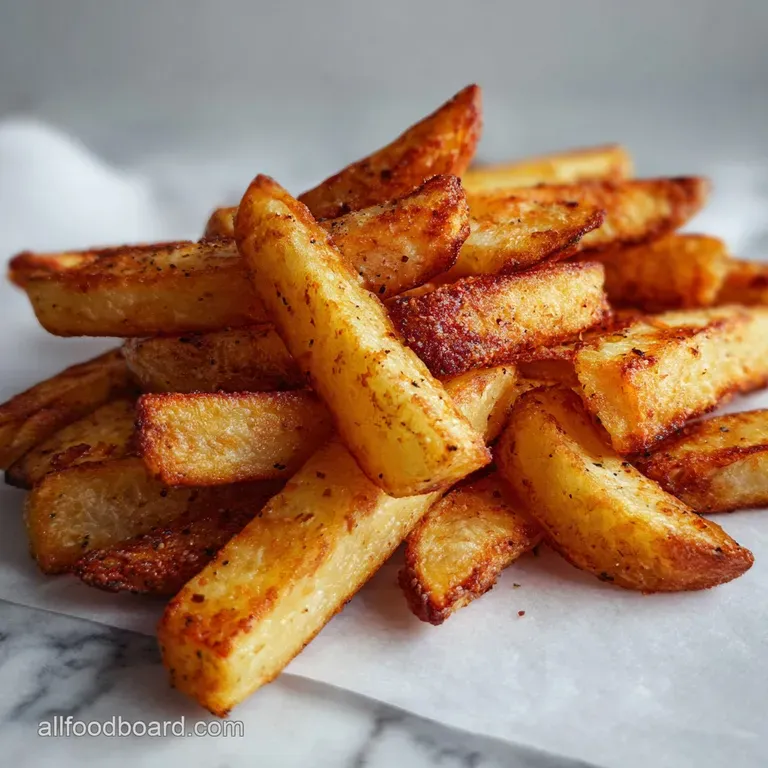
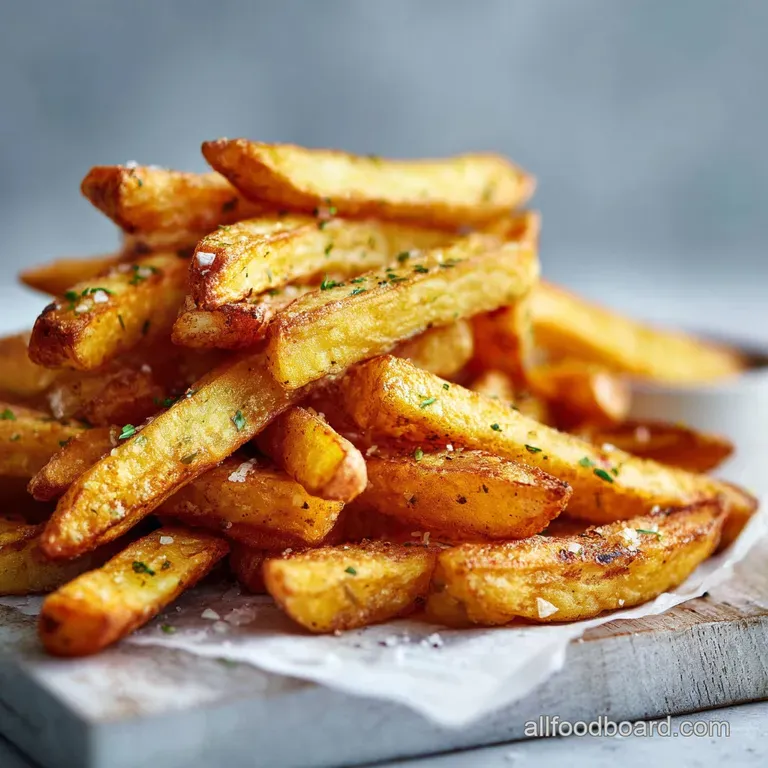
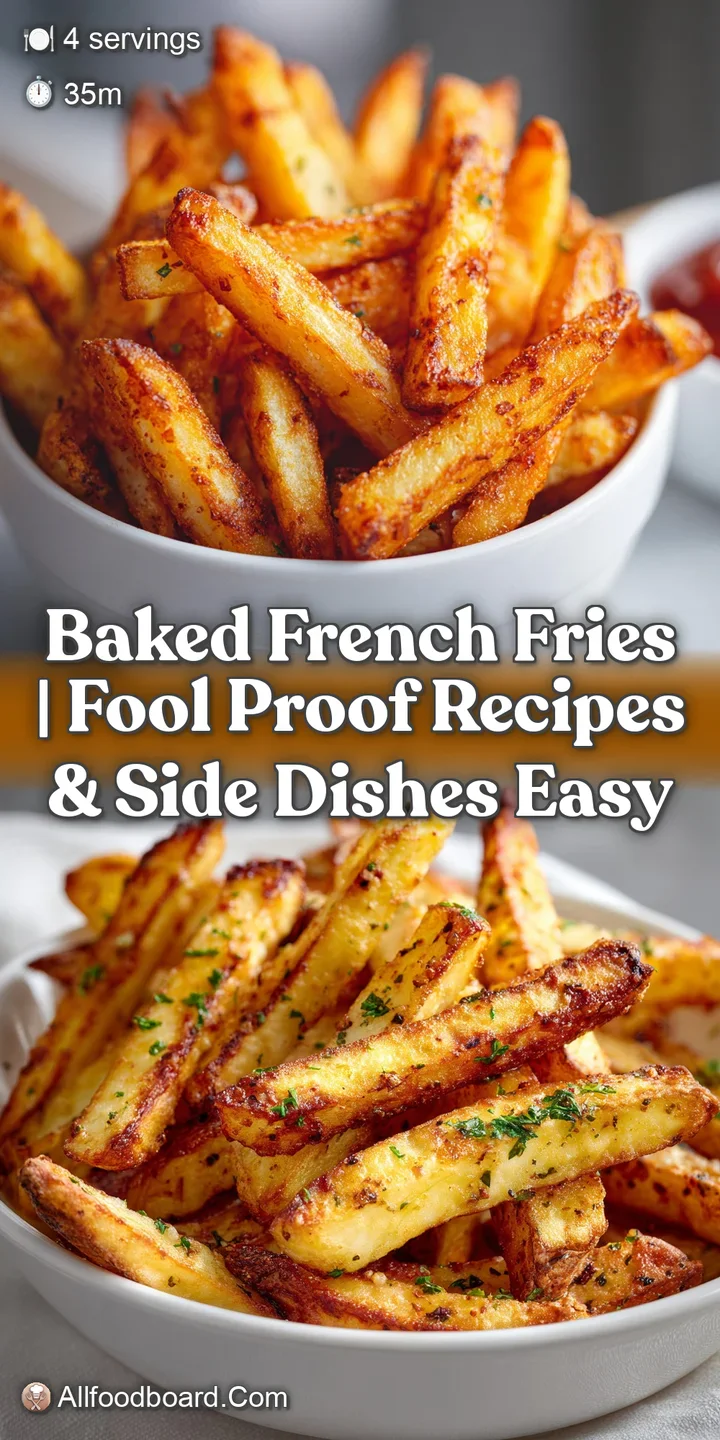
- Flavor/Texture Hook: Shatter crisp exterior with a buttery, cloud like center
- Perfect for: Weeknight burger nights or beginner friendly meal prep
- Create Crispy Baked French Fries
- Why This Method Works
- Component Analysis Table
- Ingredients and Substitutions
- Essential Kitchen Tools
- Step by Step Instructions
- Fixing Common Problems
- Adjusting for Larger Batches
- Debunking Potato Cookery Myths
- Storage and Zero Waste
- Best Serving Ideas
- Common Cooking Questions
- Recipe FAQs
- 📝 Recipe Card
Create Crispy Baked French Fries
You know that sound when you bite into a fry and it actually snaps? That's what we're chasing today. For years, I struggled with homemade versions that ended up looking more like sad, limp potato ribbons than actual fries.
I tried higher heat, different oils, and even swearing at the oven, but nothing worked until I understood the science of the starch.
Honestly, the secret isn't a fancy convection oven or some expensive gadget. It is about how you treat the potato before it ever touches the heat. We are going to strip away the sticky surface starch and replace it with a thin, invisible layer of protection that crisps up beautifully.
It's a method I picked up after many soggy Tuesday night dinners, and it has never let me down since.
If you have been disappointed by "healthy" fries in the past, trust me on this one. We are not just baking sticks of potato, we are engineering a texture that rivals the local drive thru but uses only a fraction of the oil.
It’s the kind of side dish that usually disappears from the tray before it even hits the dinner table, so you might want to consider hiding a few for yourself.
Why This Method Works
- Starch Extraction: Hot water immersion dissolves surface amylose, preventing the fries from sticking together or browning too quickly before the center is cooked.
- Pectin Breakdown: The brief soak slightly softens the outer cellular structure, creating tiny crevices where the cornstarch and oil can hide for maximum crunch.
- Cornstarch Barrier: This added starch absorbs any remaining surface moisture, turning into a crispy "shingle" during the roasting process.
- Thermal Conductivity: High heat combined with a neutral oil like canola allows for rapid heat transfer, mimicking the effects of a deep fryer.
Component Analysis Table
| Ingredient | Science Role | Pro Secret |
|---|---|---|
| Russet Potatoes | High starch content | Best for "fluffy" interiors |
| Cornstarch | Moisture absorption | Creates a "glass" crunch |
| Neutral Oil | Heat transfer | Essential for even browning |
| Fine Sea Salt | Moisture draw | Season at the very end |
Ingredients and Substitutions
To make these fries, you'll need 2 lbs Russet Potatoes. I really recommend sticking with Russets because their low moisture and high starch are what give you that classic texture. You also need 4 cups Hot Water for the soak, which is non negotiable if you want that snap.
For the coating, we use 3 tbsp Neutral Oil (like canola or vegetable) and 1 tbsp Cornstarch. Why this? Cornstarch acts as a dehydrator for the surface, creating an extra crisp shell. For seasoning, grab 1 tsp Fine Sea Salt, 1/2 tsp Smoked Paprika, 1/2 tsp Garlic Powder, and 1/4 tsp Black Pepper.
If you're out of something, check this table:
| Original Ingredient | Substitute | Why It Works |
|---|---|---|
| Neutral Oil | Avocado Oil | High smoke point, very clean taste |
| Cornstarch | Arrowroot Powder | Similar thickening properties; slightly lighter crunch |
| Russet Potatoes | Yukon Gold | Results in a creamier, waxier interior |
| Fine Sea Salt | Kosher Salt | Larger grains; use 1.5x the volume |
Essential Kitchen Tools
You don't need a pantry full of gadgets, but a few basics from your cupboard make this much easier. I always use a Lodge Baking Sheet because it holds heat consistently across the entire surface.
A sharp Victorinox Chef's Knife is your best friend here for getting those even, uniform cuts that ensure everything cooks at the same rate.
A large mixing bowl and some clean kitchen towels are also vital. Don't use paper towels if you can avoid it, as they often shred and stick to the damp potato. A good old-fashioned cotton tea towel is the pro move for getting the fries "bone dry" before they hit the oil.
step-by-step Instructions
1. The Precision Cut
Slice 2 lbs Russet Potatoes into 1/4 inch thick sticks. Note: Consistency is key so they all finish cooking at once. Aim for that classic "matchstick" look rather than thick wedges.
2. The Hot Soak
Submerge the cut potatoes in 4 cups Hot Water for 10 minutes. Wait until the water looks cloudy, which signals the starch is releasing. This is the step most people skip, but it is the difference between limp and crisp.
3. The Drying Phase
Drain the potatoes and spread them onto a clean kitchen towel. Blot them until they are completely dry to the touch. Any leftover water will turn into steam in the oven, which is the enemy of a good crunch.
4. The Starch Dusting
Place the dry potatoes in a bowl and toss with 1 tbsp Cornstarch. Mix until the potatoes look chalky, ensuring every single side is coated. This is much like the technique used in The Homemade French recipe, providing a dry surface for the oil.
5. Adding the Fat
Drizzle 3 tbsp Neutral Oil over the starched potatoes. Toss well with your hands to make sure the oil emulsifies slightly with the starch powder.
6. Seasoning the Mix
Add 1/2 tsp Smoked Paprika, 1/2 tsp Garlic Powder, and 1/4 tsp Black Pepper. Hold the salt until after they come out of the oven to keep them from getting weepy while baking.
7. Organizing the Pan
Arrange the fries on a baking sheet in a single layer. Ensure no fries are touching, as crowding the pan creates steam and prevents the air from circulating around each piece.
8. The High Heat Roast
Bake at 425°F for 20 minutes. Listen for the sizzle as the oil begins to fry the outer layer. Flip them halfway through using a wide spatula to ensure even browning.
9. The Final Crisp
Continue baking for another 5 minutes until the edges are deep golden and firm. They should feel light and hollow when you tap them with a fork.
10. The Salt Finish
Transfer the hot fries to a bowl and toss with 1 tsp Fine Sea Salt immediately. The heat helps the salt crystals adhere to the remaining oil on the surface.
Fixing Common Problems
Why Your Fries Settle
The biggest heartbreak is pulling a tray out only to have them go soft within three minutes. This usually happens because the steam inside the potato hasn't fully escaped. If you notice this happening, try a slightly longer bake at a lower temp at the very end to "cure" the crust.
| Problem | Cause | Fix | Pro Tip |
|---|---|---|---|
| Limp Fries | Excess moisture | Dry more thoroughly | Use a hair dryer for 30 seconds |
| Burnt Edges | High sugar content | Soak longer in hot water | Russets are better than Reds |
| Sticking to Pan | Not enough oil | Use a silicone mat | Preheat the pan before adding fries |
Why They Burn Fast
Potatoes have natural sugars that caramelize. If your fries are turning black before they are soft in the middle, your oven rack might be too low. Move the tray to the center or top third of the oven to take advantage of the convection currents.
Dealing with Sticking
If you find your fries are bonding to the metal like they're glued, it's often because the starch and oil haven't fully combined. Using a parchment paper liner or a Silpat Silicone Mat can solve this instantly. Just make sure the parchment can handle the 425°F heat.
Adjusting for Larger Batches
When you're cooking for a crowd, it's tempting to pile the potatoes high on one tray. Don't do it! You are better off using two separate baking sheets. If you double the recipe to 4 lbs of potatoes, use 1.5x the spices but keep the oil and cornstarch ratios the same to avoid a greasy mess.
For baking two trays at once, swap their positions (top to bottom) halfway through the cook time. You might also need to add about 5 minutes to the total time because the extra mass in the oven will drop the ambient temperature. If you love a variety of potato snacks, you might notice this is similar to the patience required for My Baked Fries recipe.
Debunking Potato Cookery Myths
- Peeling is mandatory: Total myth! Keeping the skins on adds a rustic texture and extra fiber. Just scrub them well with a brush first.
- Cold water is best for soaking: While cold water works, hot water (about 120°F) is actually faster at drawing out the starches and prepping the surface for the oven.
- Oven fries are always healthy: They are better than deep fried, but "healthy" is relative. The goal here is texture and flavor, so don't skimp on the oil or they won't crisp up.
Storage and Zero Waste
Store any leftovers in an airtight container in the fridge for up to 3 days. To reheat, avoid the microwave at all costs! Put them back in a 400°F oven or an air fryer for 5 minutes to bring back the crunch.
For a zero waste approach, don't throw away those potato peels if you do decide to skin them. Toss the peels with a little oil and salt and bake them at the same time as the fries. They turn into "potato skin chips" that are a chef's treat while you wait for the main event.
Best Serving Ideas
These fries are a blank canvas for toppings. While they are amazing with just a side of ketchup, you can turn them into a full meal by adding melted cheese, green onions, and maybe some leftover taco meat.
If you are looking for a more elegant pairing, these go beautifully with a steak or even as a side to Creamy, Cheesy Au recipe if you're having a real potato themed feast. Sometimes I'll just serve them with a simple garlic aioli made from mayo, lemon juice, and a crushed clove of garlic.
Common Cooking Questions
What potatoes are best?
Russets are the undisputed kings of the fry world. They have the highest starch content, which leads to that dry, mealy interior and a crispy shell. Yukon Golds are a decent second choice, but they will be softer.
Why use cornstarch?
Cornstarch creates a microscopic layer of "batter" that fries in the oil. It fills in the pores of the potato skin, creating a smoother surface that browns evenly and stays crunchy longer.
Can I skip soaking?
You can, but you'll regret it. Without soaking, the surface starch will burn before the inside is fluffy, leaving you with dark, bitter fries that are still raw in the middle. Ten minutes is all it takes!
Do I need parchment?
It’s not strictly necessary if you have a high-quality non stick pan, but it makes cleanup a breeze. Plus, it helps prevent the fries from "tearing" when you try to flip them halfway through.
Recipe FAQs
How to make baked french fries?
Yes, by focusing on starch removal and surface dehydration. You must soak the cut potatoes in hot water to draw out surface starch, dry them completely, and then coat them lightly in cornstarch before baking at high heat.
How to make baked french fries crispy?
Yes, the hot water soak is crucial for crispness. The high heat of 425°F combined with a light coating of cornstarch creates a rigid, crunchy shell that prevents sogginess.
How to make baked french fries in the oven?
Bake them at 425°F on a single, uncrowded layer. Ensure the fries have space between them to allow air circulation, which mimics the effect of frying, leading to a superior bake.
How to make baked french fries from potatoes?
Use Russet potatoes for the best results due to their high starch level. Cut them uniformly, soak them in hot water for 10 minutes, dry thoroughly, toss with oil and cornstarch, and bake.
How to make baked french fries at home?
Yes, the key technique is stripping surface starch before baking. If you master the principle of starch control here, see how the same logic applies to creating the structure in a Quick and Easy Homemade No Knead Bread: Soft Dutch Oven.
Why are my homemade baked fries always soggy?
Sogginess is almost always caused by excess moisture. This moisture comes from not drying the potatoes enough after the soak, or by overcrowding the baking sheet, which traps steam.
Should I salt the fries before baking?
No, always salt them immediately after they come out of the oven. Salting too early draws moisture to the surface, counteracting the crisping effort and making them limp.
Crispy Baked French Fries Recipe
Ingredients:
Instructions:
Nutrition Facts:
| Calories | 274 kcal |
|---|---|
| Protein | 4.5 g |
| Fat | 10.7 g |
| Carbs | 41.4 g |
| Fiber | 4.7 g |
| Sugar | 1.4 g |
| Sodium | 581 mg |
