Crab Shrimp Casserole: Creamy and Baked
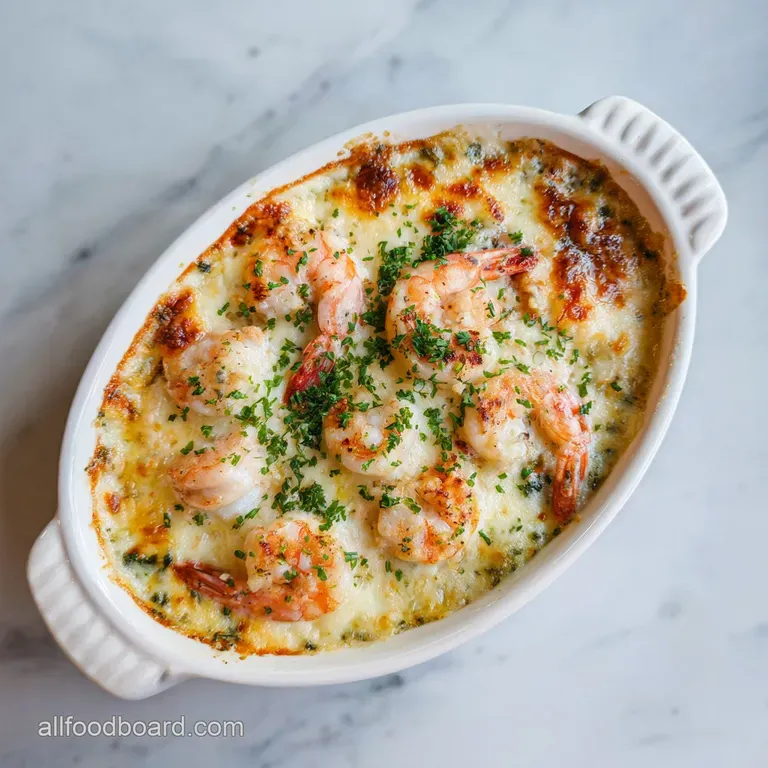
- Time: Active 20 minutes, Passive 30 minutes, Total 50 minutes
- Flavor/Texture Hook: A shattering crispy panko crust giving way to succulent shrimp and buttery crab.
- Perfect for: Stress free Sunday family dinners or a coastal themed weeknight win.
- Secrets to a Creamy Crab Shrimp Casserole
- Vital Timings for a Perfect Seafood Result
- Sourcing the Best Ingredients for Rich Flavor
- Essential Tools for an Efficient Kitchen Workflow
- Mastering the Assembly for Maximum Texture
- Solutions for Common Casserole Cooking Mishaps
- Precise Scaling for Different Group Sizes
- Creative Spins on the Traditional Seafood Casserole
- Debunking Common Kitchen Seafood Myths
- Storing and Reheating Your Homemade Seafood Feast
- Selecting the Best Side Dishes for Seafood
- Recipe FAQs
- 📝 Recipe Card
Secrets to a Creamy Crab Shrimp Casserole
The first time I pulled a bubbling tray of this out of the oven, the aroma of toasted Old Bay and melted butter filled the whole house. I remember the sound of the panko topping as I broke through it with a serving spoon - it wasn't just a crunch, it was a literal shatter.
There is something so comforting about the way the golden brown crust protects the delicate seafood underneath, keeping it moist while the rice absorbs every drop of that savory cream sauce.
I chose Old Bay seasoning as the hero of this dish because it’s the bridge between simple homemade cooking and that authentic coastal flavor we all crave. It has that specific warmth and celery salt bite that makes the shrimp and crab truly sing.
Without it, the casserole is just "creamy," but with it, the dish becomes a seaside memory. I’ve tried using just paprika or plain salt, but those substitutes always fall short of that classic Chesapeake punch.
When you're making this Crab Shrimp Casserole, you'll see why it’s a family favorite. It’s a complete meal in one dish that doesn't require a mountain of pots and pans. We are going for big flavors with minimal fuss, which is exactly how everyday life should be in the kitchen.
Vital Timings for a Perfect Seafood Result
Starch Stabilization: The cooked rice acts as a thermal buffer, absorbing excess moisture from the seafood to prevent a soggy bottom.
Protein Integrity: Layering raw shrimp over the rice ensures they steam gently in the sauce, preventing that rubbery texture caused by overexposure to direct heat.
Roux Thickening: Cooking the flour and butter before adding milk creates a stable emulsion that won't break or become oily during the 30 minutes in the oven.
Shatter Finish: Combining melted butter with panko creates a fat coated crumb that toasts evenly, resulting in a crispness that lasts even as the dish cools.
| Thickness of Seafood | Internal Temp Goal | Rest Time | Visual Cue |
|---|---|---|---|
| Medium Shrimp (raw) | 145°F (63°C) | 5 minutes | Shrimp turn opaque and pinkish white |
| Lump Crab (pre cooked) | 145°F (63°C) | 5 minutes | Sauce is bubbling vigorously at the edges |
| Panko Topping | N/A | N/A | Deep golden brown and firm to the touch |
Choosing the right method for your Crab Shrimp Casserole can depend on how much time you have and what texture you prefer for the final bite. While the oven is my go to for that specific crust, some might wonder about a faster stovetop route.
| Method | Total Time | Texture | Best For |
|---|---|---|---|
| Oven Bake | 50 minutes | Shattering crust, fluffy rice | Family dinners and hosting |
| Stovetop Finish | 30 minutes | Very creamy, softer texture | Busy weeknights, no crunch preference |
| Slow Cooker | 4 hours | Stew like, very tender | Hands off prep, large gatherings |
The oven method is the gold standard here because it allows the flavors to meld while creating that contrast between the velvety sauce and the crisp topping.
Sourcing the Best Ingredients for Rich Flavor
| Ingredient | Science Role | Pro Secret |
|---|---|---|
| Lump Crabmeat | Primary Protein | Drain it thoroughly and pat dry to avoid diluting the cream sauce. |
| Whole Milk | Liquid Emulsion | Use room temperature milk to prevent the roux from clumping when whisking. |
| Sour Cream | Acidic Balance | Adds a subtle tang that cuts through the richness of the cheddar cheese. |
| Sharp Cheddar | Flavor Depth | Grate your own from a block for a smoother melt without anti caking agents. |
Selecting your elements is the first step toward a successful Shrimp Casserole. While we want things simple, the quality of the seafood matters immensely.
- 1 lb Medium Shrimp: Peeled, deveined, and tails removed. Why this? Medium size ensures even cooking alongside the crab without turning tough.
- Substitute: Scallops (cut into halves) provide a similar sweet, tender profile.
- 8 oz Lump Crabmeat: Drained and picked for shells. Why this? Lump crab offers the best texture and holds up during the baking process.
- Substitute: Claw meat is more affordable and offers a more intense "crabby" flavor.
- 1 tbsp Fresh Lemon Juice: To brighten the seafood. Why this? The acid cuts through the heavy cream and butter base.
- Substitute: Bottled lemon juice works, but fresh zest adds a nice aromatic pop.
- 1 tsp Old Bay Seasoning: The classic coastal spice. Why this? It provides a complex, savory heat that is synonymous with seafood.
- Substitute: A mix of celery salt, paprika, and black pepper if you're in a pinch.
- 4 tbsp Unsalted Butter: For the roux and sautéing. Why this? Controls the salt level while adding a rich, homemade mouthfeel.
- Substitute: Salted butter (just reduce the extra salt you add later).
- 1 cup Yellow Onion: Finely diced. Why this? Provides a foundational sweetness that melts into the sauce.
- Substitute: Shallots offer a more delicate, garlicky undertone.
- 0.5 cup Celery: Finely diced. Why this? Adds a necessary crunch and earthy flavor to the aromatics.
- Substitute: Bell pepper if you prefer a sweeter, more colorful base.
- 3 cloves Garlic: Minced. Why this? Fresh garlic is essential for a deep, savory aroma.
- Substitute: 1 tsp garlic powder, though it lacks the pungent sweetness of fresh.
- 0.25 cup All purpose Flour: To thicken the sauce. Why this? Creates a stable roux that prevents the milk from separating.
- Substitute: Cornstarch (use only 2 tbsp mixed with cold milk) for a gluten-free base.
- 1.5 cups Whole Milk: The base of the cream sauce. Why this? The fat content ensures a velvety, rich result.
- Substitute: Heavy cream for an even more indulgent, decadent bake.
- 0.5 cup Sour Cream: For tang and texture. Why this? It thickens the sauce and adds a bright note to the cheese.
- Substitute: Greek yogurt offers a similar tang with slightly more protein.
- 1 cup Sharp Cheddar Cheese: Shredded. Why this? Provides the punchy saltiness that seafood loves.
- Substitute: Gruyère or Swiss for a more sophisticated, nutty flavor.
- 0.5 tsp Cayenne Pepper: For a subtle back end heat. Why this? It wakes up the palate without making the dish "spicy."
- Substitute: Smoked paprika if you prefer a milder, woodsy flavor.
- 3 cups Cooked White Rice: The foundation. Why this? Rice stays fluffy and absorbs the seafood juices perfectly.
- Substitute: Quinoa or cooked orzo for a different textural experience.
- 1 cup Panko Breadcrumbs: For the topping. Why this? Panko stays crispier longer than traditional breadcrumbs.
- Substitute: Crushed buttery crackers for an old-fashioned, salty finish.
Essential Tools for an Efficient Kitchen Workflow
To keep this family friendly and easy to clean, we only need a few basics. A large skillet is the workhorse here, as it handles the aromatics and the sauce making in one go. You'll also need a 9x13 inch baking dish, which is the perfect size for six generous servings.
I always suggest using a whisk for the sauce. It’s the only way to ensure your flour and milk emulsify into a velvety consistency without any lumps. A simple rubber spatula is also great for folding in the sour cream and delicate crabmeat so you don't break those beautiful lumps apart. If you're looking to expand your coastal menu, this skillet to oven workflow is very similar to what I use for my Crab Stuffed Mushrooms, which makes for a great appetizer while this casserole bakes.
Mastering the Assembly for Maximum Texture
- Preheat your oven to 350°F (180°C) and grease a 9x13 inch baking dish generously with butter. Note: This prevents the rice from sticking to the edges.
- Spread the 3 cups of cooked white rice in an even layer at the bottom of the dish until the surface is flat and uniform.
- In a small mixing bowl, toss the 1 lb shrimp and 8 oz lump crabmeat with lemon juice and Old Bay seasoning until the seafood is evenly coated.
- Melt 4 tbsp of butter in a large skillet over medium heat and sauté the onion and celery until they are translucent and soft (about 5 minutes).
- Add the minced garlic and cook for another 60 seconds until the aroma is fragrant but not browned.
- Whisk in the 0.25 cup flour to create a roux, cooking for 1-2 minutes until the mixture is slightly toasted and smells nutty.
- Gradually pour in the 1.5 cups milk, whisking constantly until the sauce thickens and reaches a velvety consistency.
- Remove the skillet from heat and fold in the sour cream, cayenne pepper, and half of the shredded cheddar cheese until the cheese is completely melted and smooth.
- Arrange the seasoned seafood over the rice layer, then pour the cream sauce evenly over everything and top with the remaining cheddar.
- Combine panko breadcrumbs, 2 tbsp melted butter, and parsley, then sprinkle over the casserole and bake for 30 minutes until the seafood is opaque and the top is golden brown.
Chef's Tip: If your shrimp are particularly large, cut them into bite sized pieces so every forkful has a bit of everything. Also, don't over mix the crab; you want those distinct, sweet lumps to stay intact for the best mouthfeel.
Solutions for Common Casserole Cooking Mishaps
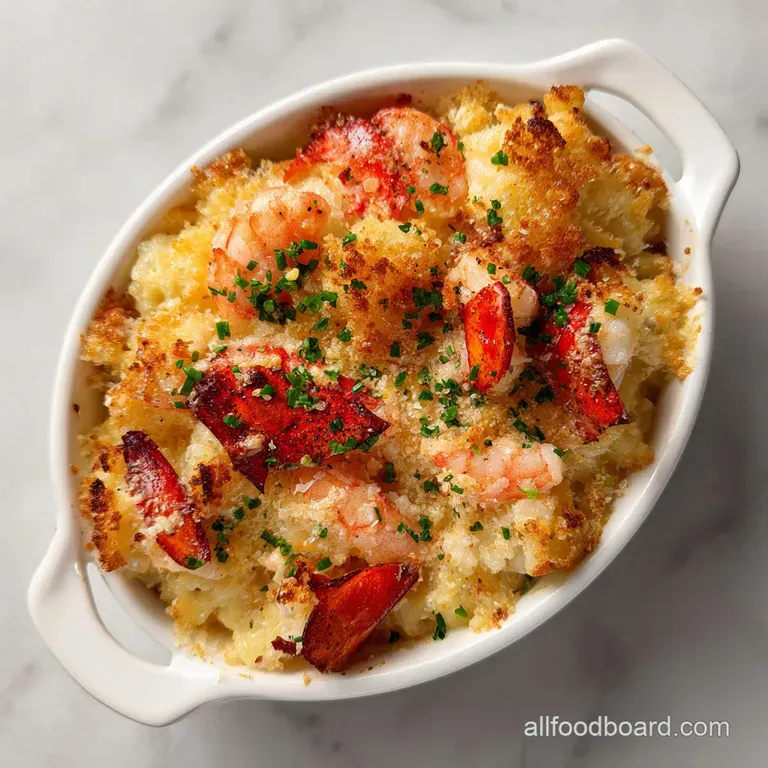
Why Your Shrimp Casserole is Watery
Sometimes, frozen seafood releases a lot of moisture as it thaws and cooks. If the shrimp weren't patted completely dry, or if the crabmeat was still sitting in its brine, that liquid has nowhere to go but into your sauce. This can turn a velvety sauce into a thin, soupy mess.
| Problem | Root Cause | Solution |
|---|---|---|
| Thin/Runny Sauce | Excess moisture from seafood | Pat shrimp dry and drain crab thoroughly before seasoning. |
| Rubbery Shrimp | Overcooking in the oven | Ensure the oven is exactly 350°F and pull the dish once shrimp are opaque. |
| Soggy Topping | Adding butter to cold panko | Ensure the 2 tbsp butter is melted and hot when tossing with breadcrumbs. |
But what about the sogginess? We can fix that by ensuring the rice is cooked but not overdone before it even enters the dish. If the rice is already mushy, it won't be able to absorb the sauce effectively.
Common Mistakes Checklist
- ✓ Pat the seafood completely dry with paper towels to prevent steaming.
- ✓ Whisk the milk into the roux slowly to avoid lumps.
- ✓ Don't skip the lemon juice; the acidity is vital for flavor balance.
- ✓ Ensure the oven is fully preheated to 350°F before the dish goes in.
- ✓ Use a block of cheese and grate it yourself for a better melt.
Precise Scaling for Different Group Sizes
If you are cooking for a smaller household, you can easily cut this recipe in half. Use an 8x8 inch square baking dish and reduce the cook time by about 5 to 8 minutes. Since we use a whole egg in some variations, for a half batch, just beat the egg and use about two tablespoons.
When scaling up for a party, doubling the recipe works well in two separate 9x13 dishes rather than one deep one. This ensures the heat penetrates the center of the Crab Shrimp Casserole evenly without overcooking the edges. For the spices, I usually only increase the Old Bay and cayenne to 1.5 times the original amount to avoid over seasoning, as spices can become more intense in larger volumes. If you find yourself wanting a different seafood profile for a crowd, you might also enjoy my Crab Quiche recipe, which scales beautifully for brunches.
| Servings | Rice Quantity | Seafood Total | Pan Size | Bake Time |
|---|---|---|---|---|
| 2-3 People | 1.5 cups | 0.5 lb Shrimp / 4 oz Crab | 8x8 inch | 22-25 mins |
| 6 People | 3 cups | 1 lb Shrimp / 8 oz Crab | 9x13 inch | 30 mins |
| 12 People | 6 cups | 2 lb Shrimp / 16 oz Crab | Two 9x13 inch | 30-35 mins |
Creative Spins on the Traditional Seafood Casserole
Cajun Seafood Feast
If you want to move away from the classic coastal vibe, swap the Old Bay for a heavy handed tablespoon of Cajun seasoning. Add some diced smoked andouille sausage to the sautéed onion and celery mix. This version is bolder and pairs excellently with a cold beer on a Friday night.
What if I want a low carb version?
You can easily swap the 3 cups of white rice for steamed cauliflower rice. Just make sure to squeeze the moisture out of the cauliflower rice using a kitchen towel before layering it. Without this step, the cauliflower will release water and thin out your velvety sauce. You could also try a variation inspired by a Cheesy Crab Dip by increasing the sour cream and adding a block of softened cream cheese for an ultra rich, keto friendly bake.
Debunking Common Kitchen Seafood Myths
"Searing the shrimp before baking seals in the juices." This is a common misconception. Searing shrimp before putting them in a 30 minute bake actually leads to overcooking and a rubbery, "bouncy" texture. Raw shrimp steam perfectly inside the sauce, staying tender and sweet.
"Fresh crab is always better than canned or refrigerated." While fresh is lovely, high-quality refrigerated lump crabmeat (found in the seafood case) is often processed immediately after being caught, preserving its sweetness. It is a perfectly reliable shortcut that preserves quality for home cooks.
"You must use wine to make a good seafood sauce." While a splash of dry white wine is a nice addition, it's not a requirement. The combination of butter, garlic, and lemon juice provides all the complexity you need for a fantastic Crab Shrimp Casserole without opening a bottle.
Storing and Reheating Your Homemade Seafood Feast
Storage: You can store any leftovers in an airtight container in the fridge for up to 2 days. Seafood doesn't have a long shelf life once cooked, so it's best to enjoy it quickly.
When reheating, I recommend using the oven at 300°F (150°C) covered with foil to prevent the shrimp from drying out. A splash of milk can help loosen the sauce if it has thickened too much in the fridge.
Freezing: I don't generally recommend freezing the fully assembled and baked casserole, as the sour cream and milk sauce can take on a grainy texture when thawed. However, you can freeze the seasoned raw shrimp and crab separately if you bought them in bulk.
Zero Waste: Don't toss those celery leaves! Chop them up and mix them into your panko topping for extra herbiness. If you have leftover rice, this casserole is the best way to give it a second life.
Even those little bits of broken crab at the bottom of the container are packed with flavor, so make sure they all get folded into that velvety sauce.
Selecting the Best Side Dishes for Seafood
Since this casserole is quite rich and filling, I love to serve it with something bright and crisp. A simple green salad with a sharp vinaigrette is the classic choice. The acidity of the dressing cleanses the palate between bites of the creamy seafood.
Steamed green beans with a hint of lemon or roasted asparagus also work wonders. If you're feeling like a full coastal spread, you could even serve this alongside some Crab Stuffed Mushrooms or a light cup of Crab Bisque to start the meal. Just keep the sides light so the Crab Shrimp Casserole remains the star of the show. Trust me, once you see those golden bubbles and smell that Old Bay, you won't need much else to make the family happy.
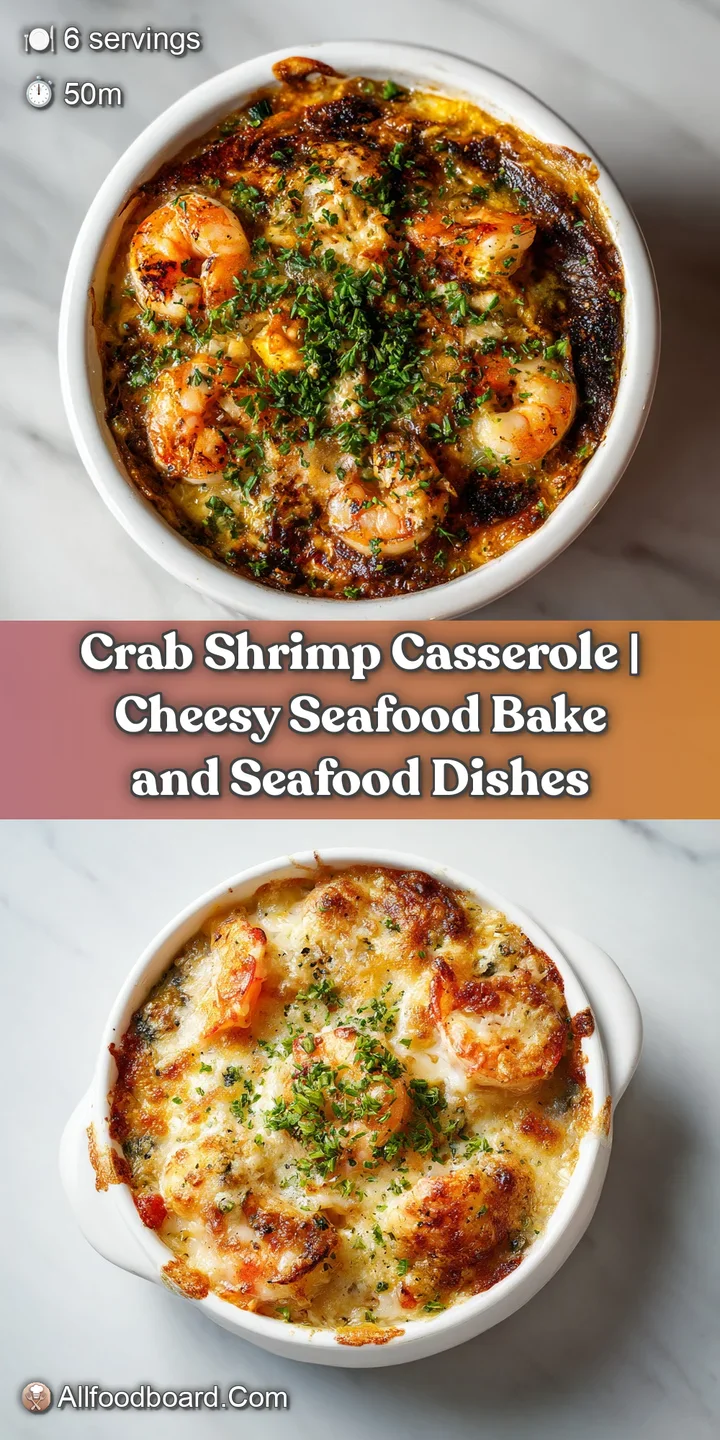
Recipe FAQs
Can I use pre-shredded cheese for this casserole?
No, avoid pre-shredded bags. They contain anti caking agents that prevent a smooth melt; for the best result, use a block of sharp cheddar and grate it yourself.
How to prevent the casserole from becoming watery?
Pat your shrimp and crab completely dry with paper towels before seasoning. Removing surface moisture prevents the seafood from steaming in the oven and thinning out your sauce.
Is it true I can freeze this casserole for a quick meal later?
No, this is a common misconception. The dairy based sauce containing sour cream and milk will likely separate and turn grainy if frozen and thawed. Stick to the garlic butter shrimp method if you need a freezer friendly seafood option.
How to achieve the perfect crispy topping?
Combine your panko, melted butter, and parsley thoroughly before sprinkling it over the dish. Bake at 350°F for exactly 30 minutes to ensure the breadcrumbs reach a shattering crispy, golden brown finish.
How to fix the roux if it looks clumpy?
Whisk in the whole milk very gradually rather than dumping it all at once. If lumps persist, take the pan off the heat and whisk vigorously until the texture becomes velvety and smooth.
Should I worry about the crab meat breaking apart?
Yes, treat the crab gently. Carefully pick through the lump crabmeat to remove shells without over mixing, as delicate pieces will fall apart if handled too aggressively during the folding process.
How to reheat leftovers without drying out the seafood?
Cover the dish with foil and heat in the oven at 300°F. Adding a small splash of milk before reheating helps loosen the sauce if it has thickened significantly while stored in the fridge.
Creamy Crab Shrimp Casserole
Ingredients:
Instructions:
Nutrition Facts:
| Calories | 538 calories |
|---|---|
| Protein | 29.6g |
| Fat | 23.3g |
| Carbs | 40g |
| Fiber | 1.4g |
| Sugar | 4.2g |
| Sodium | 495mg |
