Chicken Fettuccine Alfredo: the Flawless Emulsion
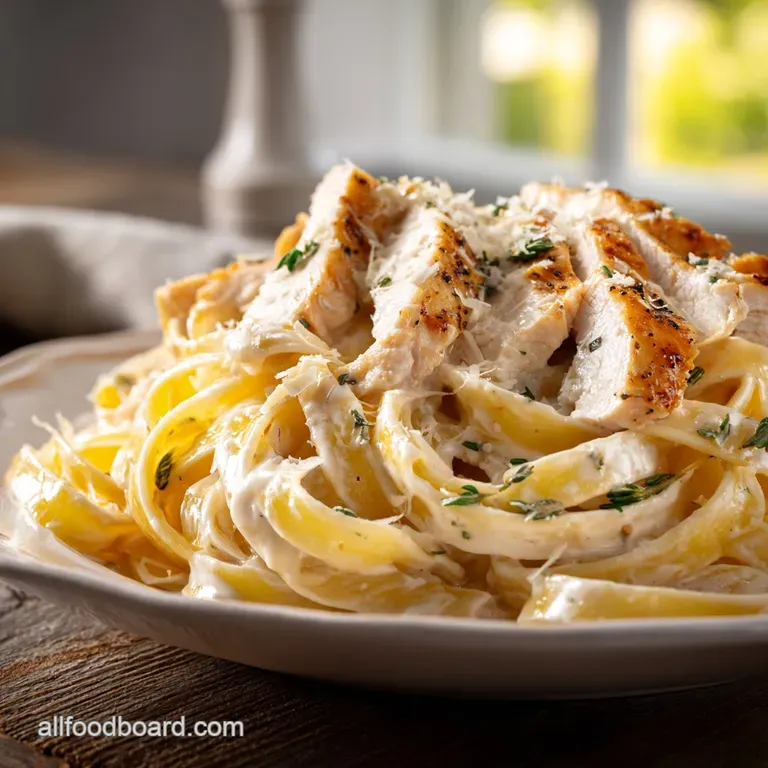
- Moving Beyond Gloopy: The Secret to Silky, Perfect Chicken Fettuccine Alfredo
- Essential Ingredients for Homemade Chicken Fettuccine Alfredo Success
- Step-by-Step Guide: How to Achieve That Signature Silky Sauce
- Troubleshooting Your Alfredo: Expert Tips and Common Culinary Pitfalls
- Practical Guide: Reheating and Storing Leftover Alfredo
- Perfect Pairings: What to Serve Alongside Classic Alfredo
- Recipe FAQs
- 📝 Recipe Card
Moving Beyond Gloopy: The Secret to Silky, Perfect Chicken Fettuccine Alfredo
There are very few smells in the kitchen as purely comforting as fresh garlic sautéing in rich, melting butter. When that aroma meets the salty steam of boiling pasta water and the unmistakable scent of Parmesan, you know you’re about to achieve true greatness.
This classic Chicken Fettuccine Alfredo is not just dinner; it’s a moment of culinary peace, a bowl of luxurious, simple satisfaction.
I know what you're thinking: isn't Alfredo heavy and sort of... gloopy? It really shouldn't be. When made correctly, this meal is surprisingly fast— 45 minutes max and infinitely superior to anything you’d get delivered.
It’s cheap comfort food that feels incredibly elegant, making it a total weeknight lifesaver when you need something quick and delicious.
We are going to move past the heavy, flour thickened sauces of restaurant chains and tap into the real, silky secrets of Italian technique. Trust me, once you understand the simple science behind the emulsion, you will never ruin a batch of Chicken Fettuccine Alfredo again. Let's crack on!
The Difference Between Americanized and Authentic Sauce
The original Alfredo sauce, born in Rome, was ridiculously simple: just butter and Parmesan cheese tossed with hot pasta. Americanized versions added heavy cream to stabilize the sauce and make it foolproof, which is exactly what we are doing here but with finesse.
We use cream as a rich binder, not a thickener, aiming for a sauce that coats the noodles perfectly without weighing them down. This method provides the richness everyone craves in Chicken Fettuccine Alfredo but keeps the texture light and velvety.
Why Temperature is the Key to a Flawless Emulsion
An emulsion is essentially mixing two things that hate each other like fat and water and forcing them to get along. In our case, the butterfat and the cheese proteins need to integrate smoothly. The cardinal rule of making great Chicken Fettuccine Alfredo is temperature control.
If the heat is too high when you add the cheese, the proteins seize up, release their fat, and you end up with grainy clumps swimming in oil. We add the cheese off the heat, letting residual warmth do all the work.
An Overview of the Recipe Flow for Time Management
You need to cook the components in parallel to make this work efficiently. First, sear the chicken until golden and set it aside to rest. Then, get the fettuccine boiling while you start the sauce base. Timing is everything. The moment the pasta is drained, it needs to hit that sauce that fresh heat and the starch are non-negotiable for the perfect creamy coating. For a deep dive on perfectly seared protein, check out my tips for Garlic Parmesan Chicken: Ultra Crispy Cutlets in 45 Mins .
Essential Ingredients for Homemade Chicken Fettuccine Alfredo Success
This dish relies on quality over quantity. Because there are so few ingredients, every single one has to pull its weight. When assembling your ingredients for this Easy Chicken Fettuccine Alfredo , think luxurious, not budget.
| Ingredient | Role | Substitution Tip |
|---|---|---|
| Heavy Cream | Richness and stability | Use half and half if you want it slightly lighter, but avoid low-fat milk. |
| Unsalted Butter | Foundation of the flavour | If using salted butter, reduce added salt substantially. |
| Parmesan Reggiano | The star flavour and binder | Grana Padano is an acceptable, slightly milder substitute. |
| Fettuccine | The canvas | Linguine or tagliatelle work beautifully, or even a wide rigatoni. |
The Science of the Flawless Alfredo Emulsion
We need to understand how the ingredients interact, especially since we are dealing with fats and proteins. When making homemade Creamy Chicken Fettuccine Alfredo , there is no room for shortcuts. We are aiming for a beautiful, velvety texture.
Quality Check: Selecting the Right Fettuccine Pasta
Fettuccine is perfect because its broad, flat surface area allows the rich sauce to cling beautifully. Don't be tempted to overcook it. We want it firmly al dente —it will continue cooking slightly when tossed with the hot sauce.
Always use good quality durum wheat pasta; the texture difference is huge.
Addressing Dairy Queries: Substituting Heavy Cream and Half and Half
I always recommend heavy cream (double cream), and here’s why: it has the highest fat content, making the final emulsion the most stable and the sauce the silkiest. If you absolutely need a lighter option for your Homemade Fettuccine Alfredo with Chicken , you can use half and half (single cream).
However, be warned: the lower the fat content, the more likely the sauce is to break or curdle when subjected to heat.
The Crucial Role of Freshly Grated Parmesan
Hear me clearly: You must grate your own cheese. Pre-shredded Parmesan is coated in anti caking agents like cellulose, which are starches designed to prevent clumping in the bag. These starches guarantee a grainy, gloopy sauce when melted.
Buy a block of real Parmesan Reggiano or Grana Padano and grate it finely using a microplane right before you cook. This is the single biggest difference between mediocre and sublime Chicken Fettuccine Alfredo .
Leveraging Pasta Water Starch for Binding Texture
This is the non-negotiable secret ingredient that makes the sauce light, creamy, and truly luxurious. When the fettuccine boils, starch is released into the water. This starchy, salty water acts as the perfect stabilizer and binder, uniting the heavy cream, butter, and cheese into a gorgeous, cohesive sauce.
Reserve at least one cup of this water before draining the pasta! You’ll thank me later when you are finishing your Silky Chicken Alfredo Recipe .
step-by-step Guide: How to Achieve That Signature Silky Sauce
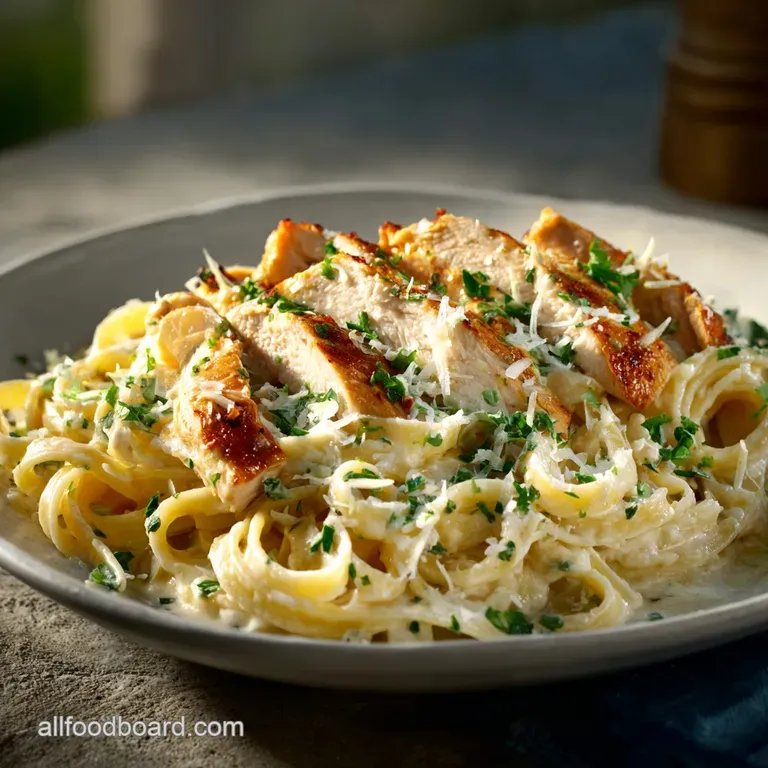
This is where technique matters most. Read through these steps before starting, especially paying attention to the heat levels.
Method One: Searing the Chicken Breast to Golden Perfection
Start with dry chicken. Pat the cutlets thoroughly with paper towels. If the surface is wet, the chicken will steam instead of searing. Season generously I love smoked paprika here for colour and depth.
Heat your oil over medium high heat and sear the chicken until it has a deep, golden crust, about 4- 5 minutes per side. Cook it fully (165°F internal temperature), then remove it immediately.
Always let the chicken rest for five minutes before slicing ; this keeps it juicy when you toss it into the Chicken Fettuccine Alfredo .
Building the Base: Melting the Butter and Infusing Garlic
While the pasta is boiling, start the sauce in a large, wide skillet (ideally the one you plan to toss the pasta in). Melt 2 tablespoons of butter over low heat and add the minced garlic. Sauté for just 30 to 60 seconds until you can smell the beautiful fragrance. Do not let the garlic brown.
If it burns, it becomes bitter, and you need to start over. Introduce the room temperature heavy cream and a tiny whisper of freshly grated nutmeg. Gently warm this mixture until you see small bubbles around the edge, then immediately reduce the heat to the absolute lowest setting.
The Emulsion Phase: Integrating Cream and Starch Water
Now, whisk in the remaining room temperature butter, cube by cube, until fully incorporated and melted. The key here is low, gentle heat. Once the sauce base is warm and slightly thick, remove the skillet completely from the burner. This is critical.
Now, begin adding the freshly grated Parmesan cheese, a handful at a time, whisking continuously and rapidly.
Chef's Note: If the sauce looks tight or grainy, it means the cheese proteins are seizing. Stop adding cheese and splash in 1 2 tablespoons of the hot reserved pasta water. The starch will help relax the proteins and bind the sauce back together instantly. Keep whisking until the sauce is glossy and smooth.
Tossing and Finishing: Binding the Pasta and Chicken
Drain the fettuccine and immediately add it to the sauce in the skillet. Using tongs, toss the noodles vigorously. The residual heat and starch on the pasta will help the sauce cling to every strand, achieving that signature silken texture of an Elegant Chicken Fettuccine Alfredo .
Fold in the sliced chicken pieces. If the sauce thickens too quickly during tossing, add small splashes of pasta water until you achieve the desired consistency. Garnish with fresh parsley and serve instantly.
Troubleshooting Your Alfredo: Expert Tips and Common Culinary Pitfalls
Even with the best intentions, the sauce for Chicken Fettuccine Alfredo can sometimes misbehave. Here are the most common points of failure and how we fix them.
Avoiding the Curdle: Temperature Control is Non-Negotiable
If you add cold dairy to a hot pan, or if the cheese hits high heat, the proteins separate. The result is a grainy, oily mess. Solution: Ensure your cream and butter are at room temperature (or at least taken out of the fridge 30 minutes prior).
And remember, add the cheese off the heat source. If your pan is scorching hot, wait 30 seconds after removing it from the burner before adding the Parmesan.
Salt Level Adjustments After Adding Parmesan
Be cautious about seasoning the sauce base before the cheese goes in. Parmesan Reggiano is extremely salty. I recommend only salting the pasta water and the chicken. Taste the finished sauce after the cheese has melted and the pasta has been tossed. Only then, if needed, add a small pinch of fresh salt.
This is especially true for the full bodied flavour of Fettuccine Alfredo with Grilled Chicken .
Reviving a Sauce That Has Thickened Too Much
As the sauce cools, it will naturally seize up because of the fat content. If your sauce is looking too thick or sticky perhaps you paused to take a picture don’t panic. Simply add a small amount of the reserved hot pasta water, whisking constantly. You might need 1 4 tablespoons.
The starch and water will loosen the consistency instantly, making your Silky Chicken Alfredo Recipe perfect again.
Practical Guide: Reheating and Storing Leftover Alfredo
Leftovers are inevitable, but storing and reheating creamy pasta dishes successfully requires strategy. Do not simply microwave it.
Best Practices for Refrigeration
Store the leftover Chicken Fettuccine Alfredo in an airtight container in the refrigerator. Because of the fresh dairy content, it is best consumed within 3 days. The sauce will thicken considerably upon cooling this is normal and expected due to the butterfat setting up.
Can You Freeze Chicken Fettuccine Alfredo? (The Honest Truth)
You can, but I really advise against it. Freezing and thawing creamy, dairy based sauces often ruins the emulsion. The sauce usually separates and becomes watery or grainy when reheated.
If you must freeze it, store the sauce and the pasta separately, if possible, and plan to whisk in a fresh splash of cream when thawing and reheating to try and stabilize it again.
Avoiding the Curdle: Reheating Instructions
To successfully reheat your Creamy Chicken Fettuccine Alfredo , you need low heat and patience. Place the leftovers in a non-stick skillet over very low heat. Add 1 2 tablespoons of milk or water for every cup of leftovers.
Stir continuously, breaking up the pasta gently, until it is warmed through and the sauce has loosened again. It should take about 5- 7 minutes.
Perfect Pairings: What to Serve Alongside Classic Alfredo
Because this Chicken Fettuccine Alfredo recipe is so incredibly rich, you want side dishes that offer sharp contrast. Think bright, acidic, and fresh.
Complementary Green Salad Ideas
A simple side salad is essential to cut through the decadence. Forget the heavy ranch dressing. Toss a mix of peppery arugula and crunchy romaine with a bright, vinegary dressing. A vinaigrette made with fresh lemon juice, Dijon mustard, and a little honey works wonders.
If you’re looking for a slightly different chicken prep for next time, something a little zestier to serve alongside, try the flavors in my Sheet Pan Meals: Easy Greek Lemon Garlic Chicken Thighs Roots recipe the acidity is perfect here!
Simple Vegetable Sides
Roasted asparagus, lightly steamed broccoli, or green beans tossed simply with a bit of lemon zest and sea salt are all excellent options. They provide necessary texture and a clean, green flavour that balances the heft of the cream sauce.
Bread Service
A piece of crusty bread is mandatory for soaking up any stray sauce. A classic garlic bread, toasted until crunchy, is the perfect companion for this satisfying meal. You want something with structural integrity that can handle the thick sauce.
Ultimately, perfecting this dish comes down to respect for the process. Treat your ingredients well, pay attention to the heat, and you will be rewarded with the best, most elegant Chicken Fettuccine Alfredo you have ever tasted. Enjoy!
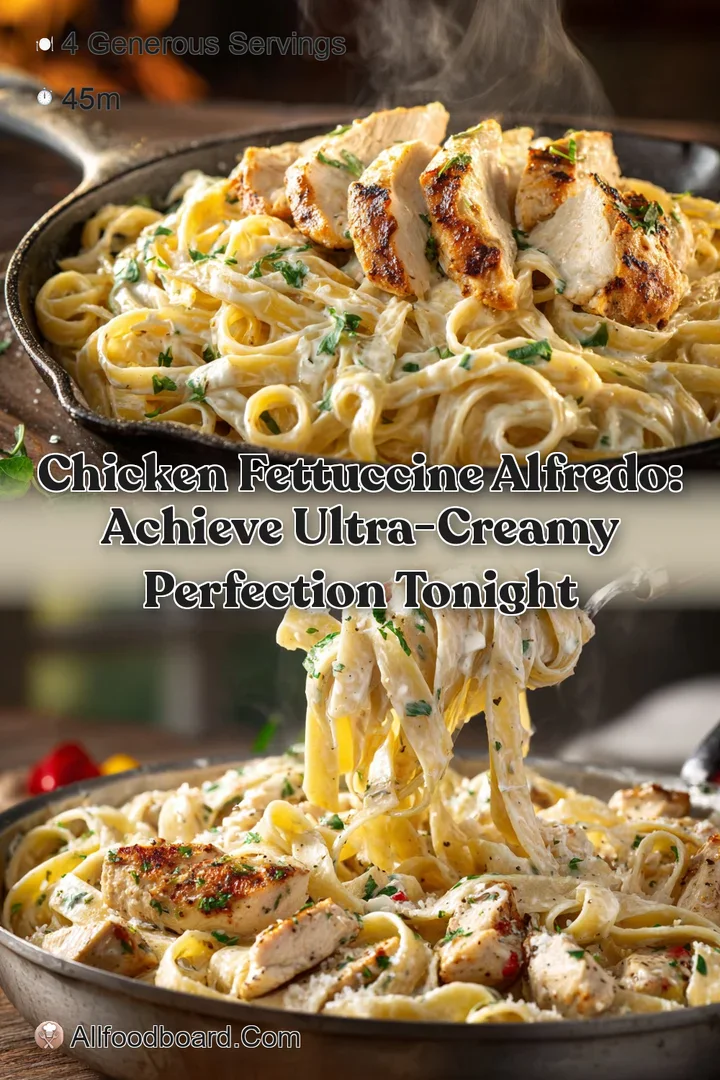
Recipe FAQs
Why is my Alfredo sauce too thick or gloopy?
This often happens when the sauce reduces too much due to high heat, or if too much shredded cheese is added at once. To rectify this, incorporate a small amount of the reserved starchy pasta water (start with a tablespoon) while gently whisking the sauce off the heat.
The starch in the water helps maintain the emulsion and brings the sauce back to a silky consistency.
Why did my Alfredo sauce break or become oily?
Sauce separation, or ‘breaking,’ usually occurs if the heat is too high, causing the fat and dairy solids to split, or if you use pre-shredded cheese with anti caking agents.
If separation occurs, remove the pan from the heat immediately and whisk vigorously while slowly adding one tablespoon of cold heavy cream or ice water to shock the emulsion back together.
Does the quality of Parmesan cheese really matter for this recipe?
Absolutely; the quality of cheese is paramount to achieving the ultimate flavor and texture for a classic Alfredo. You must use freshly grated, authentic Parmigiano Reggiano, as pre-grated cheeses contain anti caking agents like cellulose that prevent the cheese from melting smoothly.
Using inferior cheese often results in a gritty, grainy sauce texture.
How should I store and reheat leftover Chicken Alfredo?
Store leftovers in an airtight container in the refrigerator for up to three days, understanding that the sauce will thicken considerably upon cooling. To reheat, place the portion in a saucepan over low heat and gradually stir in a splash of milk or chicken broth until the sauce becomes creamy again.
Avoid using the microwave, as it tends to dry out both the chicken and the sauce.
Can I use milk instead of heavy cream to reduce the fat content?
While you can substitute, using only milk will result in a much thinner and less stable sauce that is highly prone to breaking when combined with the cheese. Heavy cream (with its high fat content) is essential in this recipe, as it is needed to create a rich, stable, and flawless emulsion that coats the pasta perfectly.
If you must lower the fat, substitute some of the cream with half and-half, but keep the heat very low.
How can I add more depth of flavor to my Alfredo sauce?
Sautéing one minced garlic clove and a very small pinch of fresh nutmeg into the butter before adding the cream dramatically improves the aromatic complexity of the dish. Furthermore, finishing the sauce with a tiny squeeze of fresh lemon juice brightens the overall flavor profile and cuts through the richness beautifully.
Can I prepare the Alfredo sauce ahead of time?
It is strongly advised to make the Alfredo sauce immediately before serving, as the dairy and cheese composition cause it to seize and thicken rapidly once cooled. If absolutely necessary, you may prepare the cooked chicken and pasta beforehand, but only combine the freshly made sauce right before plating for the best texture.
Creamy Chicken Fettuccine Alfredo
Ingredients:
Instructions:
Nutrition Facts:
| Calories | 491 kcal |
|---|---|
| Protein | 0.0 g |
| Fat | 0.0 g |
| Carbs | 0.0 g |
