Southern Tomato Pie: Golden and Savory
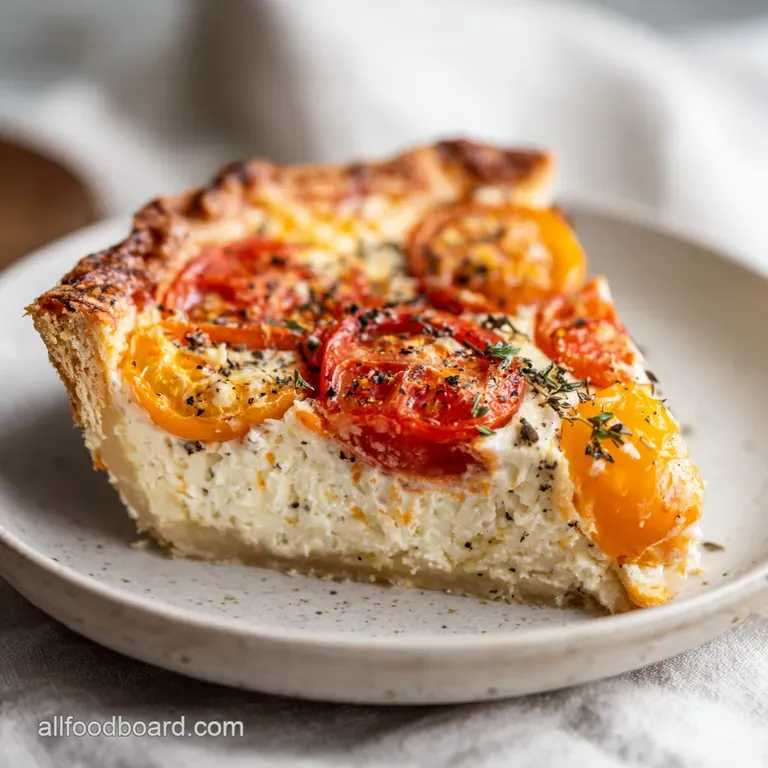
- Time: Active 45 minutes, Passive 45 minutes, Total 90 minutes
- Flavor/Texture Hook: Flaky, tangy, and butter rich
- Perfect for: Garden luncheons or late summer porch dinners
- Why This Classic Southern Tomato Pie Works
- Essential Specs for Your Pie
- Flour Dusted Secrets and Fresh Elements
- Rustic Tools for Better Baking
- Crafting the Perfect Golden Layers
- Preventing Common Baking Pie Blunders
- Clever Twists for Every Diet
- Storing and Saving Every Slice
- Artistic Plating for Every Occasion
- Kitchen Myths Debunked
- Recipe FAQs
- 📝 Recipe Card
Why This Classic Southern Tomato Pie Works
The scent of a kitchen in late August is unmistakable. It is the heavy, sweet perfume of tomatoes sitting on the counter, their skins taut and glowing under the afternoon sun. I remember my grandmother’s kitchen, flour dusted and warm, where the rhythm of the serrated knife through a sun warmed beefsteak tomato was the soundtrack of my childhood.
There is a certain poetry in the way the juice hits the wooden board, a fleeting summer moment we try to capture in a pie dish.
We have all been there, though. You pull a beautiful creation from the oven, only to find the bottom crust has turned into a literal soup. It is heartbreaking. But through years of rustic baking and a few soggy disasters, I have learned that the secret isn't just in the tomatoes themselves, but in how we treat them before they ever touch the pastry.
This recipe isn't about rushing; it is about the patient extraction of moisture to allow the natural sugars to shine.
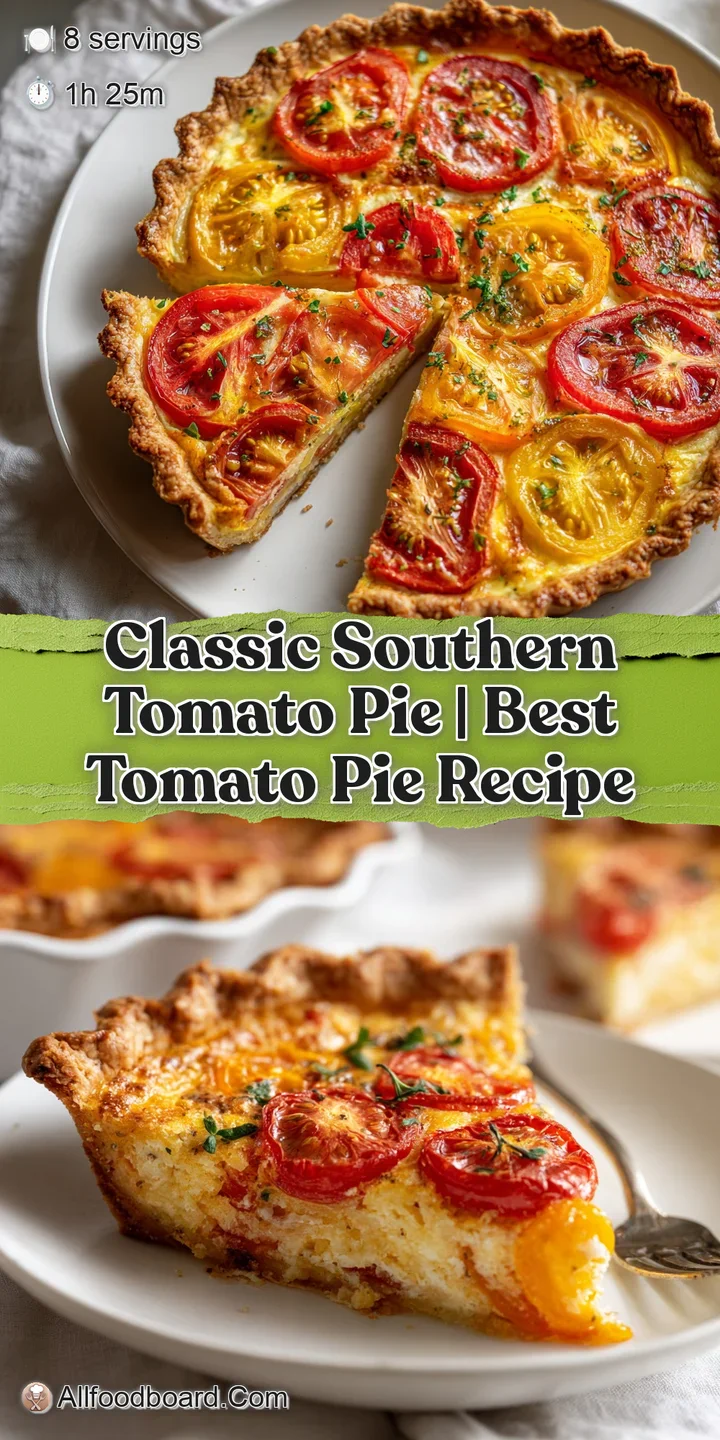
This isn't just a side dish; it is a centerpiece that demands a bit of artistic flair. When you slice into it, you want to hear that distinct shatter of a well baked crust, followed by the sight of clearly defined layers.
It is a rustic masterpiece that brings the warmth of the garden directly to the table, and honestly, it is the only way I want to eat my harvest once the heat of summer peaks.
Moisture Control Through Osmosis
Fluid Extraction: Salt draws internal water out of the tomato cell walls via osmosis, preventing a "soupy" interior. By roasting them afterward, we concentrate the sugars and ensure the filling stays structurally sound during the final bake.
The Fat Barrier Technique
Crust Shielding: A layer of freshly grated Parmesan acts as a physical barrier. When it melts against the hot, blind baked crust, it creates a hydrophobic seal that stops the tomato juices from migrating into the pastry fibers.
| Method | Time | Texture | Best For |
|---|---|---|---|
| oven-roasted (Standard) | 90 minutes | Structured, concentrated | Traditional Sunday lunch |
| No Bake Filling | 50 minutes | Fresh, bright, softer | Quick outdoor picnics |
| Cast Iron Skillet | 80 minutes | Extra crispy bottom | Rustic family dinners |
The skillet method provides a deeper char on the crust, but requires careful monitoring to ensure the mayonnaise topping doesn't break from the intense residual heat of the iron. Most home cooks find the standard deep dish pie plate offers the most consistent results for that velvety finish we are chasing.
Essential Specs for Your Pie
When we talk about the architecture of a great bake, we have to look at how the components interact. This isn't a "toss it together" situation; it's a careful layering of textures. You are looking for a specific contrast between the crisp, flour dusted edges of the crust and the rich, molten topping.
| Component | Role in Recipe | Pro Secret |
|---|---|---|
| 2.5 lbs Tomatoes | Structural Body | Use a mix of colors for a stained glass effect. |
| Duke’s Mayonnaise | Emulsified Binder | The high egg yolk content ensures a silky, non greasy top. |
| Vidalia Onions | Sweet Counterpoint | Sauté until just translucent to keep their structural integrity. |
The choice of onion is non negotiable here. A Vidalia offers a sweetness that balances the sharp acidity of the fruit. If you use a standard yellow onion, you might find the bite a bit too aggressive for the delicate basil notes we are trying to preserve.
Flour Dusted Secrets and Fresh Elements
To create this heirloom dish, we need ingredients that are at the peak of their season. If you can't find tomatoes that smell like the vine they grew on, it is better to wait. The soul of this recipe lies in the quality of the produce and the sharpness of the cheese.
- 1 (9 inch) Deep dish Pie Crust: A sturdy foundation is vital for supporting 2.5 lbs of fruit.
- 2.5 lbs (1.1kg) Firm, Ripe Tomatoes: Why this? Firmness prevents the slices from disintegrating into a mushy paste during the roasting phase.
- 1/2 cup (50g) Freshly Grated Parmesan: This acts as our moisture blocking floor.
- 1.5 cups (170g) Extra Sharp White Cheddar: Why this? White cheddar provides a clean, sophisticated tang without the oily separation of milder cheeses.
- 1/2 cup (115g) Duke’s Mayonnaise: The gold standard for Southern baking due to its lack of added sugar.
- 1/2 cup (75g) Sweet Vidalia Onion: Sliced thin for a subtle, sugary crunch.
- 1/2 cup (15g) Fresh Basil Leaves: Chiffonade these at the very last second to prevent bruising.
- 1 tsp (6g) Kosher Salt: For the essential dehydration step.
- 1 tsp (5ml) Hot Sauce: Just enough to provide a back of-the throat warmth.
- 1/2 tsp (1g) Garlic Powder & Black Pepper: To round out the savory profile.
| Original Ingredient | Substitute | Why It Works |
|---|---|---|
| Duke's Mayonnaise | Greek Yogurt (Full Fat) | Adds a sharper tang. Note: Topping will be less "bubbly" and more matte. |
| Vidalia Onion | Shallots | Provides a more refined, garlicky sweetness. |
| Extra Sharp Cheddar | Gruyère | Creates a nuttier, more alpine flavor profile. |
Using a substitute like Greek yogurt changes the mouthfeel significantly. While the mayonnaise creates a velvety, almost souffle like lid, yogurt will stay more firm and offer a much more acidic punch. It’s a great option if you find traditional Southern pies a bit too rich for your palate.
Rustic Tools for Better Baking
You don't need a professional pastry kitchen to pull this off, but a few specific tools will make the process much smoother. I always keep my serrated knife razor sharp; there is nothing more frustrating than squashing a perfect heirloom tomato because your blade is dull.
- 9 inch Deep Dish Pie Plate: Ceramic or glass is best for even heat distribution.
- Serrated Knife: This is essential for clean tomato slices without losing the juice.
- Wire Cooling Rack: For the "sweating" phase of the tomatoes.
- Large Baking Sheet: To catch drips and hold the tomatoes during their pre roast.
- Box Grater: Grating your own cheese is a must for a smooth melt.
Chef's Tip: Freeze your block of cheddar for 15 minutes before grating. It makes the process much cleaner and prevents the cheese from clumping together into a messy ball.
If you are looking for other ways to use up a bumper crop of garden fruit, you might also enjoy making a roasted tomato soup which uses a similar dehydration technique to concentrate those deep, sun drenched flavors.
Crafting the Perfect Golden Layers
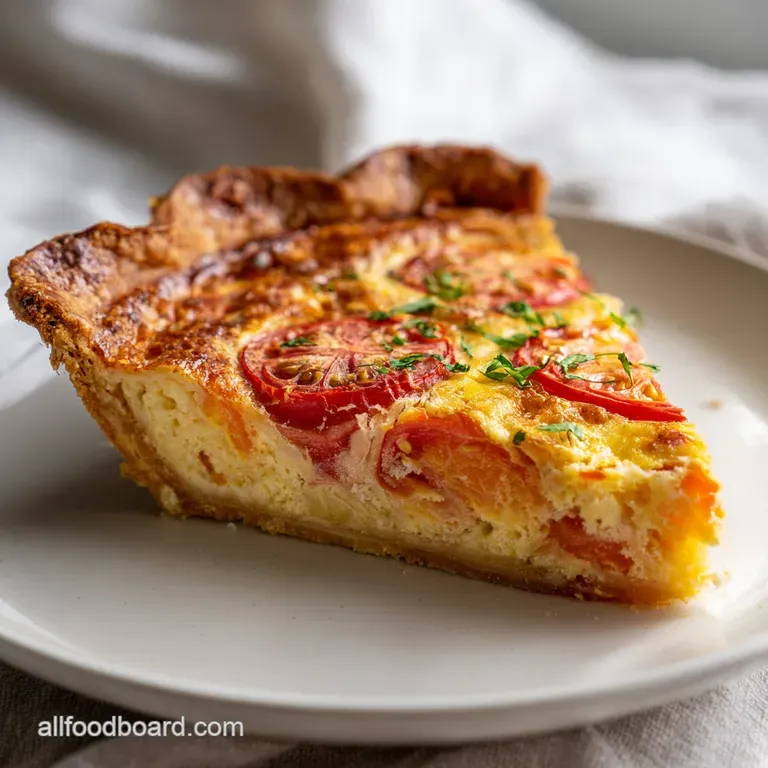
1. The Moisture Extraction Phase
Preheat your oven to 375°F (190°C). Slice your 2.5 lbs of tomatoes into 1/4 inch rounds. Arrange them on a wire rack set over a baking sheet and sprinkle with 1 tsp kosher salt.
Let them sit for 20 minutes until beads of moisture pool on the surface.
2. The Concentrated Roast
Pat the tops of the tomatoes firmly with paper towels to remove the extracted water. Slide the tray into the oven and roast for 10–12 minutes. This isn't about cooking them fully; it's about further dehydration.
3. Prepping the Foundation
While the tomatoes roast, blind bake your deep dish crust. Follow the package instructions (usually about 10-15 minutes with pie weights). While the crust is still steaming hot, sprinkle 1/2 cup of Parmesan over the bottom until it melts into a translucent shield.
4. Sautéing the Sweetness
In a small pan, cook your 1/2 cup of diced Vidalia onions until they are soft and see through. Do not brown them; we want their sweetness, not a bitter char. Let them cool completely.
5. Mixing the Crown
In a bowl, stir together 1.5 cups of shredded sharp cheddar, 1/2 cup of mayonnaise, 1 tsp hot sauce, 1/2 tsp garlic powder, and black pepper. The mixture should be a thick, spreadable paste.
6. The Art of Layering
Layer half of your roasted tomatoes in the bottom of the crust. Follow with the sautéed onions and half of the fresh basil chiffonade. Add the remaining tomatoes in a second layer.
7. The Golden Finish
Spread the cheese and mayonnaise mixture over the top, using a spatula to seal it all the way to the edges of the crust. This prevents steam from escaping and keeps the filling intact.
8. The Final Bake
Lower the oven to 350°F (175°C). Bake for 30 minutes until the top is bubbling and a deep amber brown. Let the pie rest for at least 20 minutes before slicing to allow the layers to set.
Preventing Common Baking Pie Blunders
Even with the best intentions, baking can be temperamental. If you notice your pie looks a bit "weepy" after you've cut into it, don't panic. Usually, this is just a sign that the tomatoes had a higher water content than average, or the resting time wasn't quite long enough.
Why Your Pie Is Sinking
If the center of your pie looks like a crater, it often means the tomatoes weren't roasted long enough. Excess water turns to steam, which creates air pockets that collapse as the pie cools. Ensure those tomato slices look slightly shriveled before they go into the crust.
| Problem | Root Cause | Solution |
|---|---|---|
| Soggy Bottom | Moisture migration | Increase Parmesan seal or blind bake longer. |
| Oily Topping | Mayo broke down | Use Duke's; avoid low-fat versions which have more water. |
| Burnt Crust Edges | Over exposure | Cover edges with foil after 15 minutes of baking. |
A common mistake I once made was using "salad" tomatoes those perfectly round, watery ones from the grocery store. They just don't have the meatiness required for a structured pie. Stick to Romas or meaty Heirlooms whenever possible.
- ✓ Pat tomatoes dry three separate times (after salting, after roasting, and before layering).
- ✓ Use a deep dish pan to prevent the cheese topping from overflowing.
- ✓ Always grate your own cheese; pre shredded packs are coated in starch that ruins the velvety melt.
- ✓ Let the onions cool; adding hot onions to the mayo mixture can cause the oil to separate.
- ✓ Resist the urge to slice immediately; 20 minutes of resting is the difference between a slice and a pile.
Clever Twists for Every Diet
This recipe is surprisingly flexible if you understand the core mechanics. If you’re looking for a lighter approach, you can actually adapt some of the flavors from a Classic Tomato Bruschetta by adding balsamic soaked onions or a touch of toasted garlic to the filling.
For a Low Carb Twist
To make this keto friendly, skip the traditional pastry crust. Instead, use a crust made of almond flour and butter, or simply bake the filling in a buttered gratin dish. The cheese and mayonnaise topping naturally fits a high fat diet, making it an excellent vegetable forward main.
For a Mediterranean Profile
Swap the cheddar for feta and the mayonnaise for a thick Greek yogurt mixed with an egg. Add some pitted Kalamata olives and use dried oregano instead of basil. It transforms the dish from a Southern classic into something that feels like a trip to the coast of Greece.
Scaling the Recipe
- Down (Half Pie): Use a 6 inch tart pan. Reduce the tomatoes to 1.25 lbs. Bake time will decrease by about 10 minutes. Use one small egg yolk in the topping to help it set.
- Up (Party Size): Use a 9x13 rectangular tart pan. Double all ingredients. You may need to increase the roasting time for the tomatoes by 5 minutes as the tray will be more crowded.
Storing and Saving Every Slice
Tomato pie is actually one of those rare dishes that tastes even better the next day. The flavors of the basil and garlic have time to permeate the cheese, and the structure of the tomatoes becomes even firmer.
- Fridge: Store in an airtight container for up to 3 days. To keep the crust from getting soft, place a paper towel in the container to absorb any rising moisture.
- Freezer: I generally don't recommend freezing this dish. The mayonnaise in the topping tends to break and become grainy when thawed, and the tomatoes will lose their structural integrity.
- Reheating: Avoid the microwave at all costs! It will turn your crust into a sponge. Reheat slices in a 350°F (175°C) oven for 10 minutes to bring back that signature shatter.
- Zero Waste: If you have leftover tomato scraps from the slicing process, don't toss them! Simmer them down with a little garlic and oil to make a quick pan sauce for pasta the next day.
Artistic Plating for Every Occasion
Presentation is where you can really let your artistic side shine. Because this is a rustic dish, it looks beautiful on a simple wooden board, but you can easily elevate it for a more formal setting.
Plating Levels
- Simple (Family Style): Serve the pie directly in its ceramic dish. Place it on a burlap runner with a few scattered basil leaves and a rustic cake server.
- Polished (Luncheon): Place a single wedge on a white plate. Top with a "nest" of micro greens and a single crack of fresh black pepper.
- Restaurant (Elegant): Use a circular mold to cut the pie into perfect cylinders. Surround with a thin drizzle of balsamic glaze and a few dots of basil oil for a vibrant green contrast.
| Level | Plating Tweak | Visual Impact |
|---|---|---|
| Simple | Whole pie in dish | Homey, inviting, communal |
| Polished | Fresh herb garnish | Bright, fresh, intentional |
| Restaurant | Balsamic reduction | High contrast, sophisticated |
The Perfection of Pairing
If you want to create a full menu, this pie pairs beautifully with a crisp, dry Rosé or a sharp Sauvignon Blanc. The acidity in the wine cuts through the richness of the mayonnaise and cheddar topping perfectly.
For a side, a simple arugula salad with a lemon vinaigrette provides a peppery bite that cleans the palate between forkfuls of the savory pie.
The beauty of the Tomato Pie — and yes, the flavors are remarkably similar to the best bruschetta you've ever had is that it celebrates the simple things. It's about flour, fat, and the sun's energy stored in a vine ripened fruit. When you pull it out of the oven, take a moment to appreciate that golden, bubbling crust. It's the taste of summer, preserved in a deep dish plate.
Kitchen Myths Debunked
Many people believe that "searing" the tomatoes on a stovetop is a shortcut to roasting. This is a mistake. Searing only browns the outside while leaving the interior full of water, which will inevitably leak into your crust. Gentle roasting is the only way to truly dehydrate the fruit.
Another common misconception is that you need to peel the tomatoes. In a pie, the skins actually provide necessary structural support. Without them, the tomatoes would collapse into a jam like consistency, losing the beautiful layered effect we are looking for.
Finally, some say you can't use "cheap" mayo. While I am a Duke’s loyalist, the real truth is about the sugar content. Any high-quality, sugar-free mayonnaise will work, but avoid "salad dressings" like Miracle Whip, as the added sugar and vinegar will clash horribly with the natural sweetness of the Vidalia onions.
Keep it simple, keep it high-quality, and your pie will be the star of the season.
Recipe FAQs
Is tomato pie a Philadelphia thing?
No, the Philadelphia version is completely different. Philadelphia style tomato pie is essentially a thick, room temperature square of focaccia topped with a dense tomato sauce, whereas the version here is a baked savory custard like pie from the American South.
What state is known for tomato pie?
The American South is the primary hub for this dish. It is especially iconic in coastal regions of South Carolina and Georgia where fresh summer tomatoes are abundant.
Is tomato pie a southern thing?
Yes, it is a hallmark of Southern summer cooking. It relies on the peak season flavor of local tomatoes, Vidalia onions, and creamy mayo based toppings.
What is another name for tomato pie?
It is most commonly called Southern Tomato Pie. Because it features such a heavy vegetable presence, some people also refer to it as a tomato casserole or savory tomato tart.
How to keep the crust from getting soggy?
Sprinkle freshly grated Parmesan over the hot, blind baked crust first. This creates an essential moisture barrier, similar to how we layer flavors in our hearty lasagna to maintain structural integrity.
Can I make this ahead of time?
Yes, it is arguably better the next day. Allowing the basil and garlic to permeate the cheese mixture overnight deepens the flavor, though you should store it in an airtight container with a paper towel to manage moisture.
Is it safe to freeze tomato pie?
No, avoid the freezer. The mayonnaise in the topping breaks down during the freezing process, resulting in a grainy, watery texture that ruins the structure of the pie.
Classic Southern Tomato Pie
Ingredients:
Instructions:
Nutrition Facts:
| Calories | 338 kcal |
|---|---|
| Protein | 9.6 g |
| Fat | 25.6 g |
| Carbs | 17.4 g |
| Fiber | 2.2 g |
| Sugar | 4.9 g |
| Sodium | 612 mg |
